Ingredients
Equipment
Method
Step-by-step instructions
- Drain the chickpeas well. Reserve the measured can liquid, then rinse the chickpeas in a colander. Let them drain for several minutes and blot away obvious surface water. Put them in a wide bowl rather than a deep narrow container.
- Mash in sections. Press the chickpeas against the bowl with a fork or masher until most are crushed into a coarse paste. Scrape the bowl and continue. A few pieces the size of small lentils are fine, but whole chickpeas create weak spots in the patties.
- Mix in the flavoring. Add the reserved liquid, scallions, parsley, garlic, lemon zest, lemon juice, cumin, paprika, salt, and pepper. Stir thoroughly so the seasoning is spread through the mash rather than concentrated in one area.
- Add the flour and rest. Fold in the measured flour until no dry patches remain. Cover and rest for 10 minutes. The mixture should be soft but hold together when squeezed gently. If it is wet enough to slump immediately, add the extra tablespoon flour. If very dry and crumbly, add water 1 teaspoon at a time.
- Shape small patties. Divide into about 6 portions, approximately 1/4 cup each. Form compact patties around 3 inches across and no more than 1/2 inch thick. Press the edges together so they do not have deep cracks. Slightly damp hands can help with stickiness.
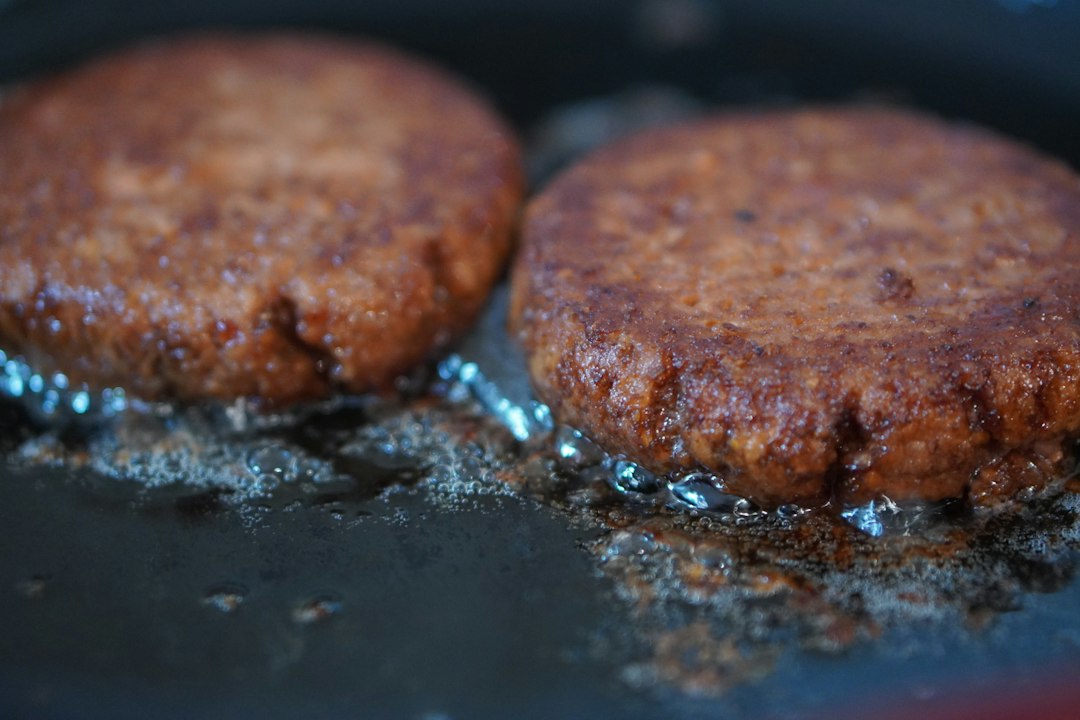
- Cook a first sample. Warm 1 tablespoon oil in the skillet over medium heat. Add one patty and cook for 4–5 minutes on the first side, until a golden crust forms. Slide the spatula fully underneath and turn carefully. Cook the second side for another 4–5 minutes. The middle should be set, with no wet raw-flour paste.
- Adjust and cook the rest. Let the sample cool enough to taste before changing seasoning. Cook the remaining patties in uncrowded batches, adding the remaining oil as needed. Lower the heat if the crust darkens before the center sets. Do not taste the uncooked flour mixture.
- Serve promptly. Transfer to a plate or rack in one layer. Let stand for 2 minutes so the crust settles, then serve with your chosen salad, pita, or dip. Avoid stacking hot patties, which traps steam.
Notes
Mash most of the chickpeas; whole beans create weak spots that crack.
Rest the mixture 10 minutes, then fry one test patty before cooking the batch. Do not taste the raw flour mixture.
Refrigerate cooked patties within 2 hours, use within 3 to 4 days and reheat to 165°F.