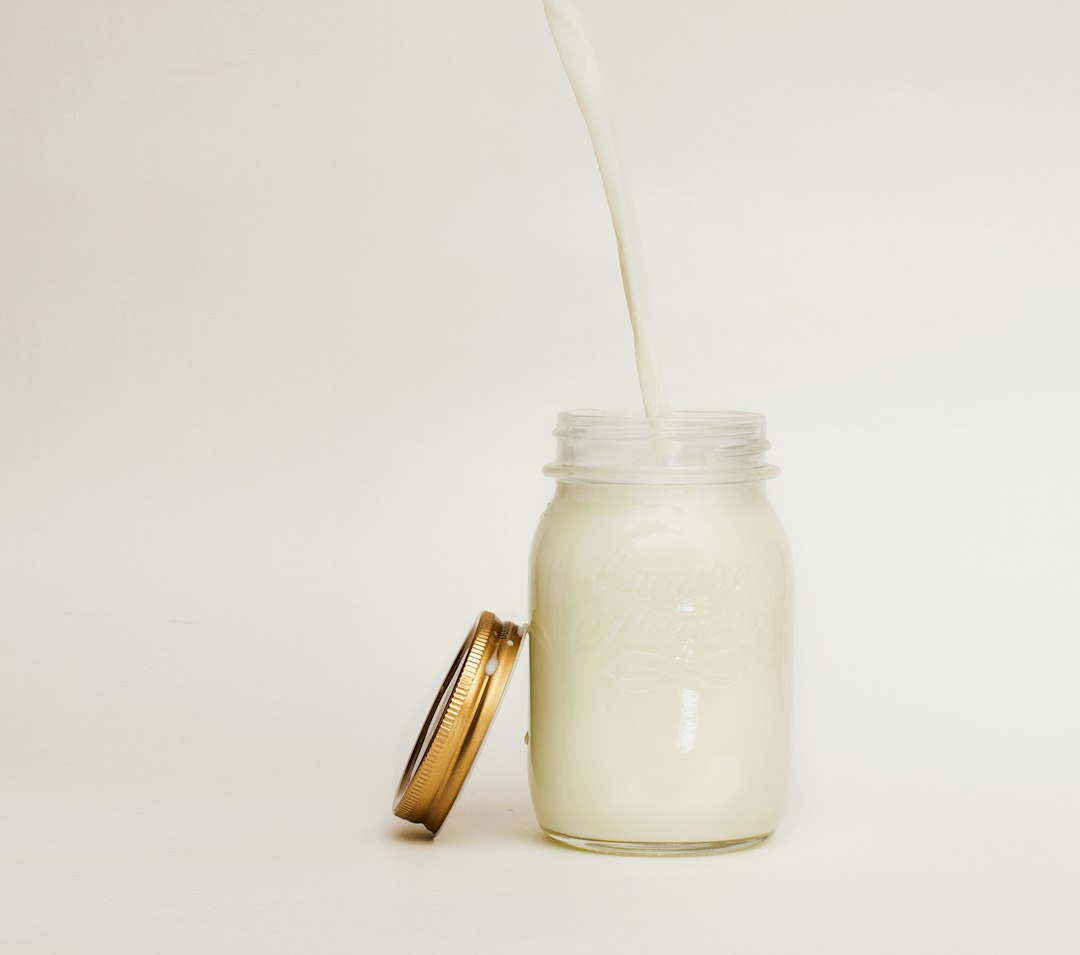
Ingredients
Equipment
Method
- Measure first. Measure the milk and butter. Have a whisk and heatproof jug ready. If using an immersion blender, choose a tall, open container suitable for its operation.
- Warm the milk. Warm the milk gently until lukewarm, stirring evenly. Do not simmer it. Very cold milk can make the melted butter firm into flecks.
- Melt the butter. Melt the butter in the small saucepan over low heat. Stop when it has just melted; do not brown it or boil it hard.
- Whisk together. Gradually whisk the lukewarm milk into the melted butter. Keep the heat low only as long as needed to combine, then remove from the burner.
- Blend if needed and use. If the mixture looks uneven, let it become lukewarm and briefly blend with an immersion blender, keeping the head submerged. Let foam settle, stir, and add to the dish gradually over gentle heat. Do not shake hot liquid in a sealed jar.
Notes
Use: Best for a small addition of richness to soup, gravy, or a sauce whose structure comes from other ingredients. It is not a universal cup-for-cup replacement for heavy cream, a measured fat-percentage match, or a substitute for whipped cream.
Timing: Allow about 10 minutes for measuring, warming, and combining. Allow extra cooling time if the mixture becomes hot. The yield is about one cup before blending foam.
Half batch: Use 1/3 cup milk and 2 tablespoons plus 2 teaspoons butter for about 1/2 cup. A double batch uses 1 1/3 cups milk and 2/3 cup butter.
Storage: Refrigerate promptly in a clean covered container at 40°F or below, within 2 hours or 1 hour above 90°F. A conservative use plan is 3–4 days or sooner if the ingredients require it. Mixing does not extend their storage life. Stir after chilling; separation can occur.
Ingredients: Contains milk. Salted butter changes seasoning; reduce other salt until you taste the finished dish.