The substitution desk · Milk and butter
A heavy cream substitute for cooking can help finish a soup or sauce when the refrigerator holds milk and butter but no cream. Mix ⅔ cup whole milk with ⅓ cup unsalted butter for about one cup of a rich, pourable mixture. Use it thoughtfully: its texture and behavior differ from heavy cream.
Choose the right job: this is for adding richness to food. It will not whip into stable peaks or behave like heavy cream in every reduction, filling, or dessert.
The heavy cream substitute for cooking formula
About 1 cup before blending foam · Two ingredients · Around 10 minutes, plus cooling if needed
The ratio is two parts milk to one part butter by volume. Milk supplies the liquid; butter adds richness. Use a level measure for the butter rather than a loosely filled cup of uneven pieces. The tablespoon-and-teaspoon measure is especially convenient when working from a wrapped stick.
Whole milk gives the fuller result. Unsalted butter lets you season the finished food separately; salted butter can work in a savory dish, but taste before adding more salt. Spreadable tubs and margarine may contain different amounts of water and other ingredients, so they are not equivalent to the butter specified here.
This formula is a practical kitchen substitution, not an exact nutritional match for a cup of heavy cream. The amount of milk fat, water, and milk solids differs. Treat the finished dish’s consistency as the goal instead of assuming that a similar pale color means identical performance.
First, identify what the cream does
Read the whole recipe before making the substitute. A spoonful of cream stirred into soup serves a different purpose from cream that forms most of a sauce or traps air in a dessert. Use this comparison to decide whether a small adjustment is sensible or whether you need a recipe designed around another ingredient.
| The recipe needs cream for… | How to approach the swap |
|---|---|
| A finishing splash in soup or gravy | Start with the same small volume, stir over gentle heat, and assess richness and thickness. |
| A sauce already thickened with a roux or starch | Add gradually. The existing thickener does much of the work of holding the sauce together. |
| A sauce reduced from mostly cream | Choose another recipe or actual cream. This mixture will not concentrate into the same texture. |
| Whipped topping, mousse, or whipped filling | Use whipping cream or a recipe specifically designed for another base. |
| A cake, custard, ganache, or cream-based dough | Follow a tested substitution for that recipe rather than applying a universal cup-for-cup rule. |
For baking, King Arthur Baking’s milk-and-butter method gives specific blending and quantity adjustments. Its directions reinforce the distinction between adding richness and replacing cream that controls structure. Follow that method in full if using its baking recommendations.
Warm, combine, and add it gently
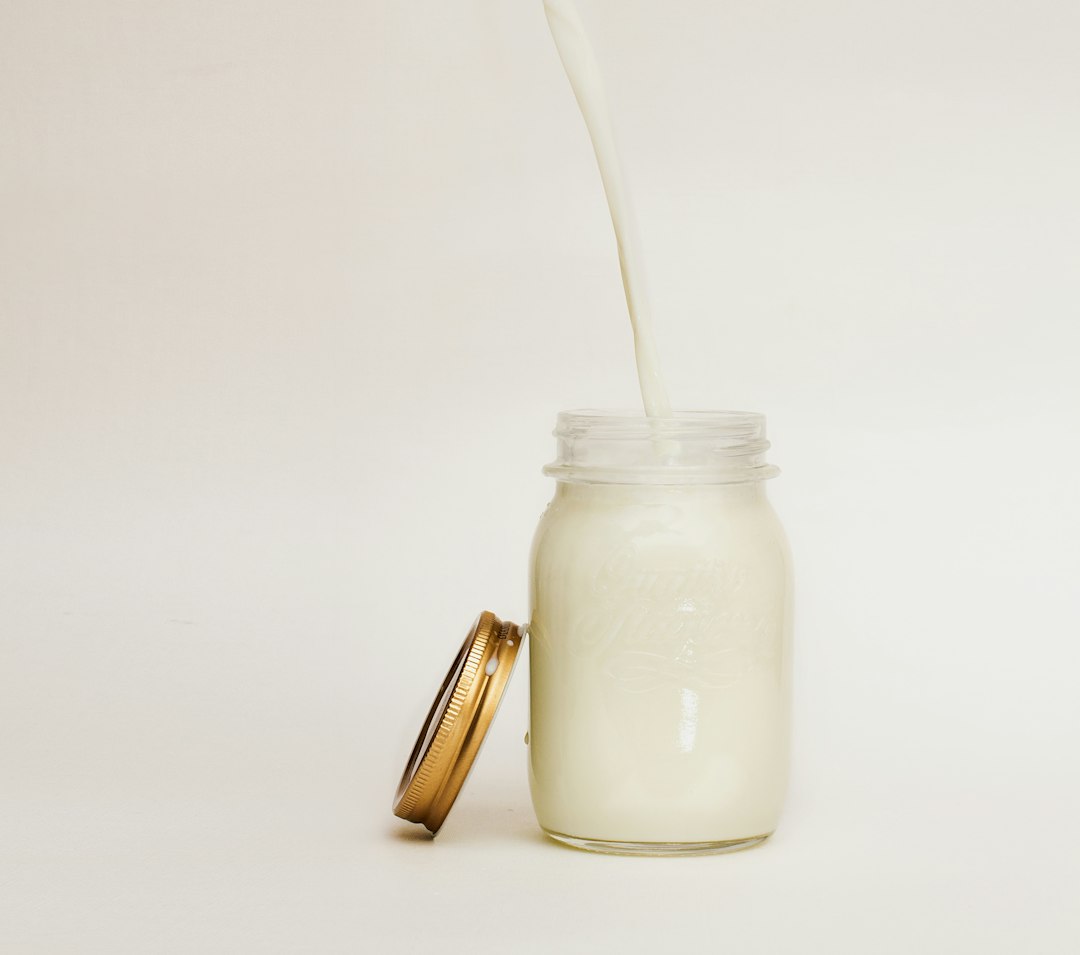
- Measure before heating. Set out ⅔ cup whole milk and ⅓ cup unsalted butter. Have a small saucepan, whisk, and heatproof measuring jug ready. If you plan to use an immersion blender, choose a tall, open container suitable for the blender and the mixture’s temperature.
- Warm the milk separately. Heat it gently until lukewarm, stirring so the temperature is even. It should not simmer or develop a skin. Milk straight from the refrigerator can make melted butter firm into little pieces when the ingredients meet.
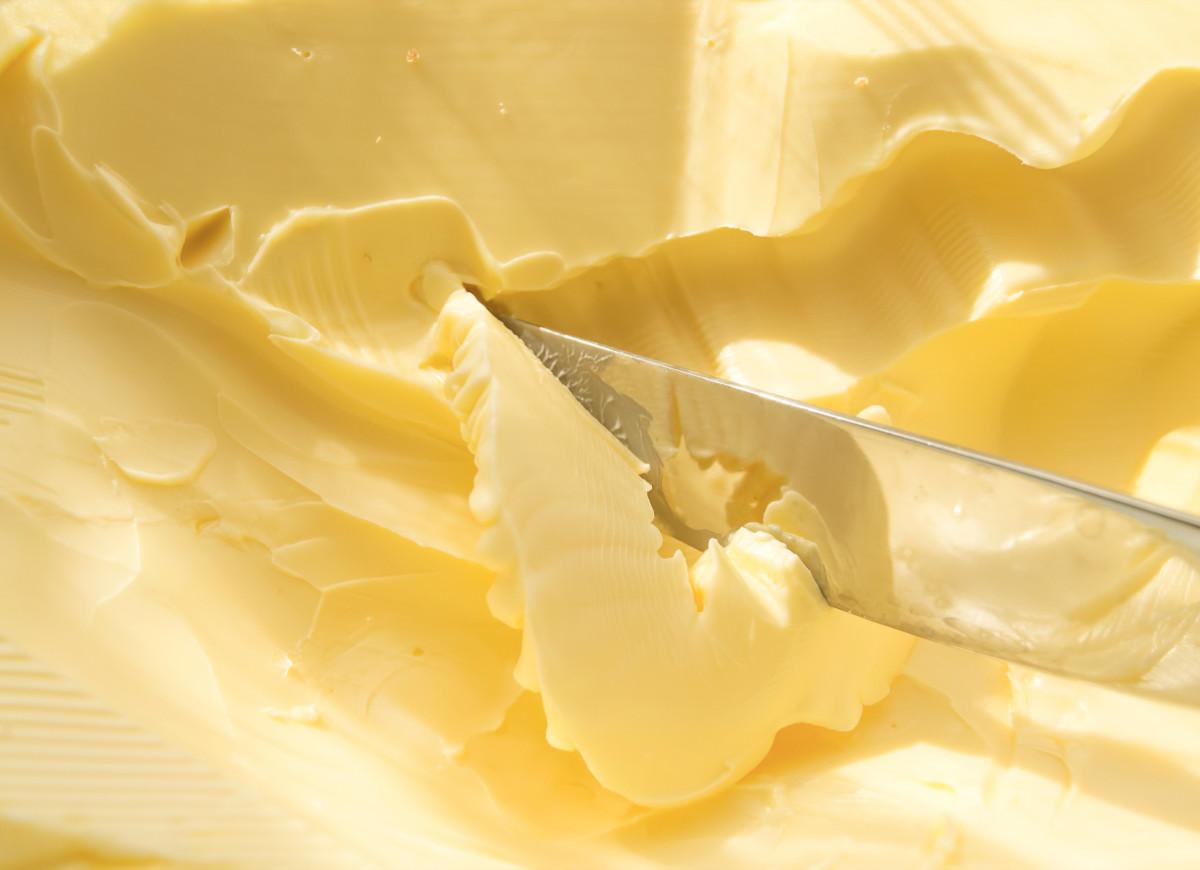
- Melt the butter over low heat. Stop when the pieces have just melted. Do not brown it or let it boil hard. Browning changes the flavor, and cooking off water changes the mixture you measured.
- Whisk the milk into the butter. Add the lukewarm milk gradually, whisking steadily. Keep the heat low only as long as needed to bring the mixture together, then remove the pan from the burner. Small butter droplets may remain; that does not mean you need stronger heat.
- Blend if needed, then use. Once lukewarm, briefly blend with an immersion blender if the mixture looks uneven. Keep its head submerged to limit splashing. Let foam settle, stir, and add the amount needed to your dish over gentle heat. Never shake hot liquid in a sealed jar.
Make just the amount you need
A full batch is handy when several dishes need a finishing splash. For one small sauce, make half: ⅓ cup milk plus 2 tablespoons and 2 teaspoons butter. It yields about ½ cup. A double batch uses 1⅓ cups milk and ⅔ cup butter, but a larger volume takes longer to warm evenly.
Use the same measuring system throughout. Tablespoons here are standard U.S. tablespoons. Avoid mixing a metric cup from one source with stick markings or spoon measures from another when you need precise quantities for baking. For this cooking mixture, the important relationship is the measured ratio and the final dish’s texture.
When it separates or a sauce stays thin
Little solid flecks
The butter may have met milk that was too cold, or the finished mixture may have chilled. Warm gently and whisk or blend again. More aggressive boiling is not the fix; it can make a delicate dairy sauce harder to bring together.
An oily layer on top
The fat and liquid have separated. Stir before measuring, blend when lukewarm if needed, and use it in a dish that can tolerate a looser mixture. It is not a permanently stable carton cream.
A finished dish feels watery
Use the original recipe’s thickening method. Our soup-thickening guide explains other ways to add body. Extra butter mainly adds richness; it does not replace the role of a suitable thickener.
Dairy looks grainy after adding acid
Strong heat and acidic ingredients can make dairy less forgiving. Add the mixture gently and follow the sauce recipe’s order. A sauce that has already curdled may not return to its original smooth texture.
Store the mixture with the milk in mind
Making a fresh, small batch is simplest. If saving some, use a clean covered container, label it, and refrigerate at 40°F or below. The FDA’s handling guidance calls for refrigerating perishables within two hours, or one hour when the surrounding temperature is above 90°F.
A conservative plan is to use this mixture within 3–4 days, or sooner if its ingredients require it. Combining milk and butter does not restart their storage life. Separation in a properly stored batch can be a texture issue, but appearance and smell cannot establish that mishandled dairy is safe.
Stir after chilling and incorporate it into the dish as directed. If a recipe calls for softened butter instead, use our softening guide; liquid butter is a different ingredient state. For a pourable seafood topping that does not rely on milk, try lemon garlic butter sauce.
Questions about the swap
Can this heavy cream substitute for cooking be whipped?
No. Blending may create foam, but that is not stable whipped cream. Use actual whipping cream when the recipe needs peaks, volume, or a whipped filling.
Can I use reduced-fat milk?
You can make a milk-and-butter mixture with it, but expect a different level of richness. Whole milk is the specified choice here. Do not assume any resulting blend has the same fat percentage as cream.
Will it work in coffee?
It can add richness, but butter droplets may float on the surface. Try a small amount first. Ordinary milk or a creamer designed for drinks may give a more even texture.
Is it dairy-free or suitable for a milk allergy?
No. Both ingredients are dairy. Lactose-free milk and butter still contain milk components and are not automatically suitable for someone with a milk allergy.
Printable milk-and-butter formula
Use the measured recipe below for cooked richness, and check the intended dish before making the swap.
THE COMPLETE RECIPE
Milk and Butter Substitute for Heavy Cream in Cooking
Yield: 1 cup (approximately)
Ingredients
- 2/3 cup whole milk
- 1/3 cup unsalted butter 5 tablespoons plus 1 teaspoon.
Equipment
- 1 small saucepan For gently melting the butter.
- 1 heatproof measuring jug For measuring and gently warming the milk.
- 1 whisk
- 1 immersion blender Optional; use in a suitable tall, open container.
Instructions
- Measure first. Measure the milk and butter. Have a whisk and heatproof jug ready. If using an immersion blender, choose a tall, open container suitable for its operation.
- Warm the milk. Warm the milk gently until lukewarm, stirring evenly. Do not simmer it. Very cold milk can make the melted butter firm into flecks.
- Melt the butter. Melt the butter in the small saucepan over low heat. Stop when it has just melted; do not brown it or boil it hard.
- Whisk together. Gradually whisk the lukewarm milk into the melted butter. Keep the heat low only as long as needed to combine, then remove from the burner.
- Blend if needed and use. If the mixture looks uneven, let it become lukewarm and briefly blend with an immersion blender, keeping the head submerged. Let foam settle, stir, and add to the dish gradually over gentle heat. Do not shake hot liquid in a sealed jar.
Notes
Rate This Recipe
Made this recipe? Choose a star rating in the comment form and share how it turned out. Your cooking time and any ingredient changes can help the next reader.
Rate This Recipe