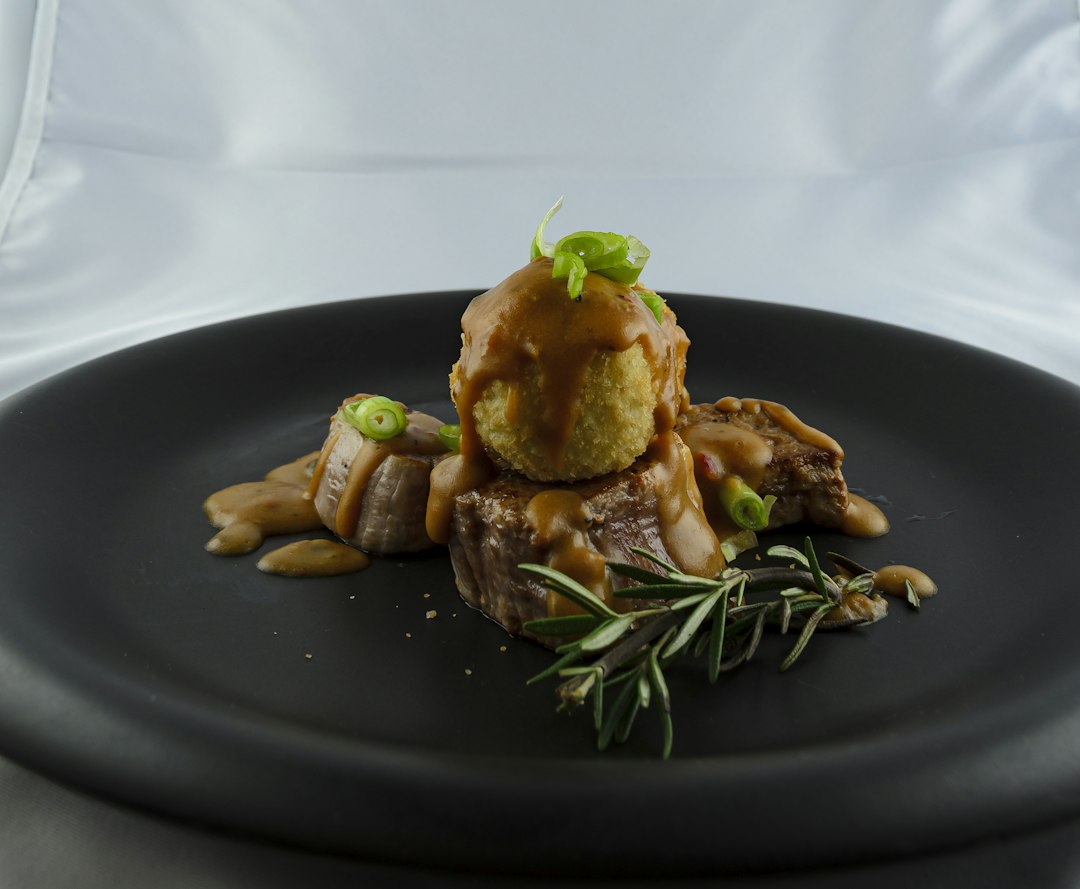
Air fryer pork tenderloin
For air fryer pork tenderloin, use a 400°F appliance setting and begin checking a 1–1½-pound piece at 16 minutes. Continue until the thickest center reaches 145°F, then rest at least 3 minutes. Thickness and airflow determine the actual cooking time.
Air fryer pork tenderloin at a glance
| Yield | About 4 servings |
|---|---|
| Cut | 1 whole pork tenderloin, about 1 to 1½ pounds |
| Preparation | 10 minutes |
| Air-fryer setting | 400°F |
| Planning range | About 18 to 22 minutes; start checking at 16 minutes |
| Safe endpoint | 145°F in the coolest part of the thickest section |
| Rest | At least 3 minutes; 5 minutes is practical for slicing |
| Estimated total | About 33 to 37 minutes, including preheating and resting |
The federal safe-temperature chart specifies 145°F with a 3-minute rest for whole pork cuts. Color is not a reliable substitute for a thermometer; safely cooked pork may retain some pink.
Confirm that you have pork tenderloin, not pork loin
Pork tenderloin is a narrow, boneless muscle that usually weighs between ¾ pound and 1½ pounds. Pork loin is wider, often weighs several pounds, and needs a different cooking plan. A loin roast can look similar after slicing, but substituting it in this method can leave the center undercooked while the exterior becomes too dark.
Check the package label and the shape before starting. A tenderloin is long and tapered, often with a thin tail. If the package contains two pieces, separate them and weigh or judge each piece individually. Do not treat the combined package weight as the weight of one tenderloin.
Ingredients and equipment
Ingredients
- 1 pork tenderloin, about 1 to 1½ pounds
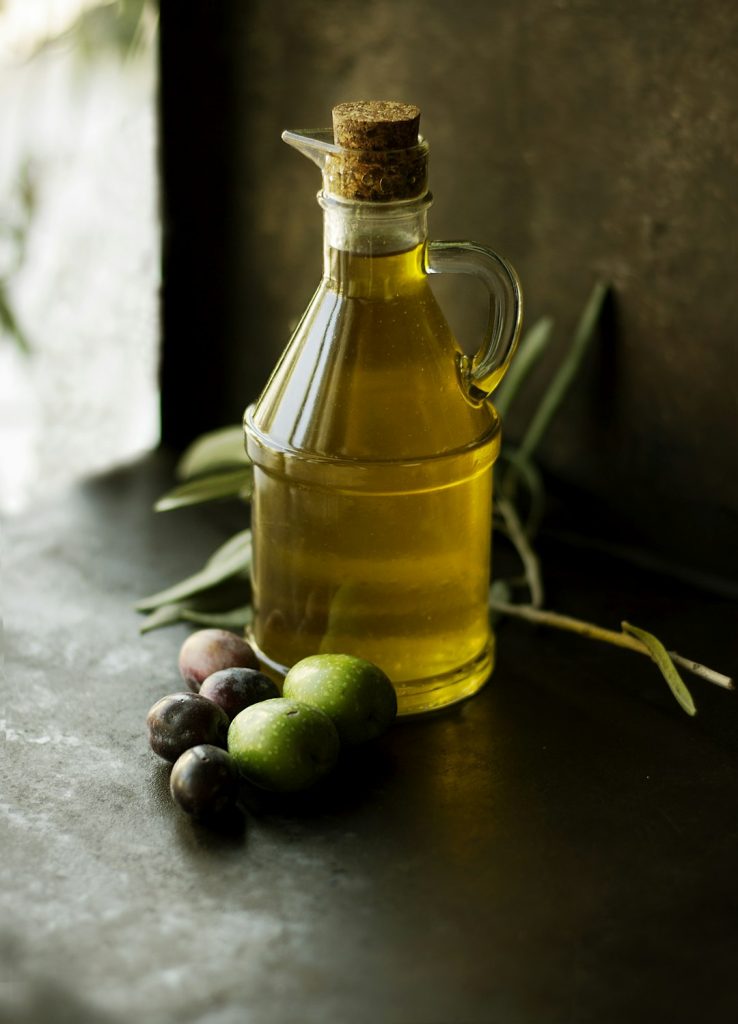
- 1 tablespoon olive oil or neutral cooking oil
- 1 teaspoon Morton Coarse Kosher Salt, about 5 grams; if using another brand or fine salt, weigh 5 grams rather than substituting by volume
- 1 teaspoon garlic powder
- 1 teaspoon smoked or sweet paprika
- ½ teaspoon ground black pepper
This is a salt-forward savory rub without sugar. Sugar, honey, and thick bottled sauces can scorch close to an air fryer’s heating element. If you want a sweet glaze, apply a thin layer only during the final 2 to 3 minutes and watch it closely.
Equipment
- Basket-style or oven-style air fryer large enough to hold the tenderloin without pressing it against the heating element
- Instant-read digital thermometer with a narrow probe
- Small bowl and measuring spoons
- Tongs
- Clean plate or cutting board for the cooked pork
- Kitchen twine, optional, for securing a very thin tail
How to cook air fryer pork tenderloin at 400°F
- Preheat the appliance. Set the air fryer to 400°F and preheat for 3 to 5 minutes if the manufacturer’s instructions recommend preheating. A preheated basket makes the timing more consistent, but the thermometer still determines the finish.
- Trim the silverskin. Pat the pork dry. Slide a thin knife just under the shiny silverskin, angle the blade slightly upward, and cut it away without removing a thick strip of meat. Remove loose surface fat, but do not aggressively trim the lean muscle.
- Even the shape. Fold the narrow tail under itself and secure it with kitchen twine if necessary. This reduces the chance that the tail dries out before the thick center reaches temperature.
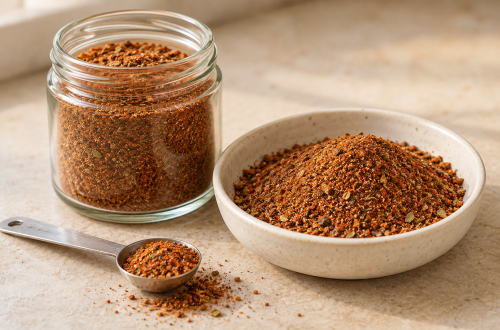
- Season all sides. Mix the salt, garlic powder, paprika, and pepper. Rub the tenderloin with oil, then distribute the seasoning evenly over the surface.
- Arrange for airflow. Place the pork in the basket with space around it. A gentle curve is acceptable if the piece is longer than the basket, but do not coil it tightly or let it touch the heating element. Do not cover the entire basket floor with foil; blocked airflow changes browning and timing.
- Cook and turn. Air-fry for 9 minutes, turn the tenderloin with tongs, and continue cooking. Begin checking the center at 16 minutes total. A 1- to 1½-pound piece commonly needs about 18 to 22 minutes, but continue only until the temperature endpoint is reached.
- Check more than one spot. Insert the thermometer from the side toward the center of the thickest section. Avoid measuring only the tapered tail. Check two or three nearby places and use the lowest center reading.
- Rest safely. When the coolest center reading is 145°F, move the pork to a clean board. Rest it for at least 3 minutes; 5 minutes usually makes it easier to slice. Do not reuse the raw-meat plate unless it has been washed.
- Slice across the grain. Remove any twine and cut the pork into ½- to ¾-inch slices. Spoon clean resting juices over the slices if desired.
Adjust the timing without guessing
Weight helps with planning, but diameter is often more important. A short, thick tenderloin can take longer than a longer piece of the same weight. Start checking early whenever the piece is small, has been cut, or your appliance runs hot.
| Situation | When to start checking | What to do |
|---|---|---|
| Whole tenderloin, 1 to 1½ pounds | 16 minutes | Turn once; continue in 2-minute increments until the coolest center reaches 145°F. |
| Piece under 1 pound | 12 to 14 minutes | Check early because the smaller piece can pass the target quickly. |
| Very thick piece near 1½ pounds | 16 minutes | Expect it may need more than 22 minutes; use 2-minute increments rather than increasing the heat. |
| Tenderloin cut into two shorter pieces | 10 to 12 minutes | Measure both pieces separately; remove each one when its center reaches 145°F. |
| Two whole tenderloins together | 16 minutes | Cook only if air can circulate around both. Rotate basket positions and check each piece independently. |
Do not lower the endpoint because you expect carryover cooking. Carryover varies with size, basket material, kitchen temperature, and resting conditions. It can provide a small cushion, but it should not be used as the safety plan.
Thermometer placement matters in a narrow cut
Pork tenderloin is thin enough that a probe pushed straight down can pass through the center or sit close to the hot basket. Insert the probe horizontally from the side of the thickest section. Aim the tip for the geometric center, pause for the reading to stabilize, then compare at least one second spot.
If the readings differ by several degrees, keep cooking until the lowest center reading reaches 145°F. If the exterior is already dark, reduce the air fryer to 350°F for the final few minutes rather than letting the surface burn at 400°F.
Troubleshooting common air-fryer problems
| Problem | Likely cause | Practical correction |
|---|---|---|
| Dry slices | The center cooked well beyond 145°F, or the pork was held hot after cooking. | Start checking earlier, remove the pork at the measured endpoint, and rest it outside the appliance. |
| Tail is dry but center is not ready | The tenderloin has a sharp taper. | Fold and tie the tail underneath before cooking, or keep the thin end away from the hottest area. Use foil only if the appliance manufacturer permits it and it can be secured safely. |
| Seasoning burns | The rub contains sugar, or the meat sits too close to the upper element. | Use the unsweetened rub above, add sweet glaze near the end, and lower the temperature to 350°F if browning runs ahead of the center. |
| Surface is pale | The pork was wet, the basket was crowded, or the appliance was not preheated. | Pat the surface dry, leave airflow around the meat, and preheat when the model permits. |
| Cooking is uneven | The basket has a strong hot spot or the tenderloin is tightly curved. | Turn the pork and rotate its position halfway through; check several center points. |
| Smoke from the appliance | Rendered drippings or sugary glaze is contacting a very hot surface. | Stop the appliance, follow its cleaning/safety instructions, and do not pour water into a hot electrical appliance. |
Substitutions and variations with limits
- Herbs: Replace paprika with 1 teaspoon dried thyme or rosemary. Crush coarse dried rosemary so it adheres and does not blow toward the heating element.
- Prepared seasoning blend: Check its sodium level. If salt is among the first ingredients, omit or reduce the separate salt.
- Fresh garlic: Garlic powder is less likely to scorch. If using minced fresh garlic, mix it with a finishing sauce rather than coating the pork for the full high-heat cycle.
- Marinated tenderloin: Drain excess marinade and pat the exterior lightly before air-frying. A wet surface browns slowly; a sugary marinade can burn. Discard marinade that contacted raw pork unless it is boiled safely in a separate saucepan.
- Pork loin: Do not substitute it using these times. Use a method written for the loin’s actual weight and thickness.
- Stuffed tenderloin: This method does not cover stuffed pork. Stuffing changes heat flow and may require a different endpoint depending on its ingredients.
What to serve with air fryer pork tenderloin
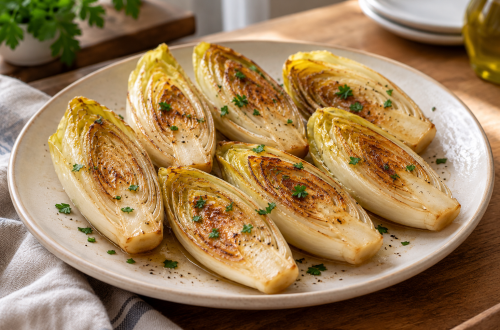
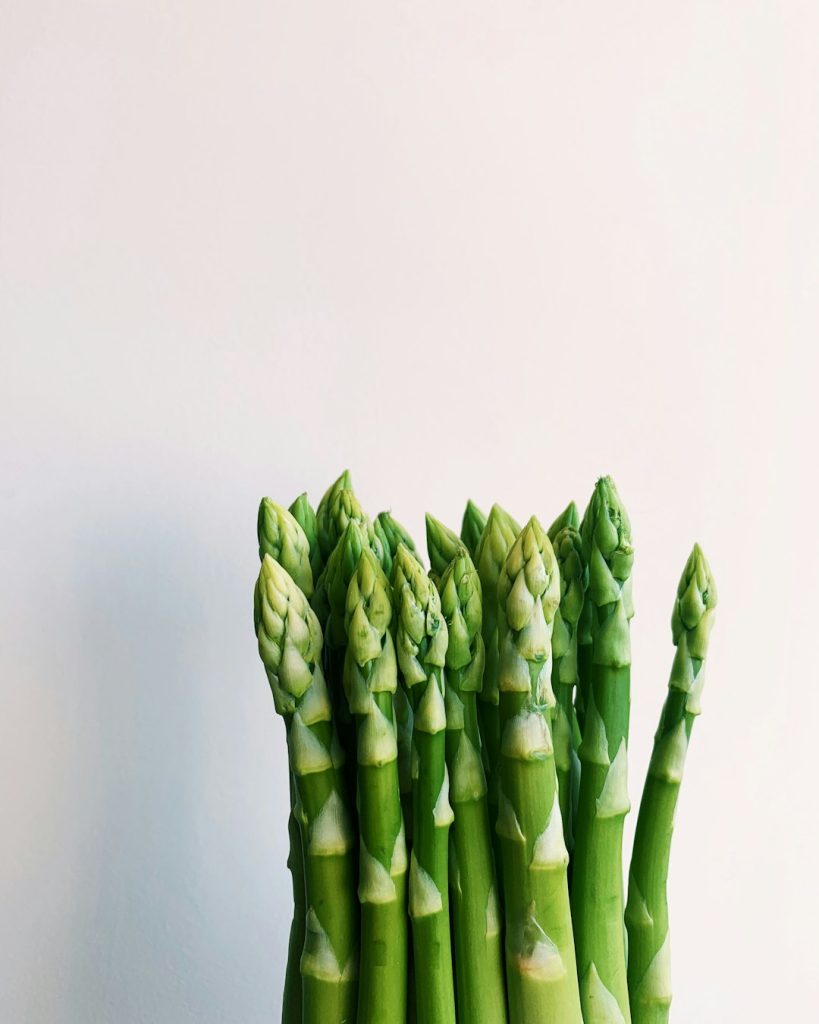
Let the air-fried pork rest while a side dish finishes. Brown and crisp roasted broccoli provides a firm vegetable contrast, while Parmesan roasted asparagus adds a savory finish. If the oven is occupied, serve the sliced pork with a salad, steamed green beans, or reheated rice.
Add sauces after slicing so the crust stays intact. Mustard pan sauce, apple chutney, or a small spoonful of garlic butter can work, but heavily salted sauces may overpower the 5-gram seasoning used here.
Cooling, storage, freezing, and reheating
- Refrigerate promptly: Put leftovers in shallow containers within 2 hours of cooking, or within 1 hour when the surrounding temperature is above 90°F.
- Refrigerator: Keep covered cooked pork for 3 to 4 days.
- Freezer: Wrap meal-size portions tightly, label them, and freeze. Freezing preserves safety when food remains continuously frozen, although texture and moisture decline over time.
- Thawing: Thaw in the refrigerator. If using cold water or a microwave, reheat promptly afterward.
- Reheating: Cover sliced pork with a spoonful of broth or water and heat gently until leftovers reach 165°F. An air fryer can reheat the surface quickly but may dry thin slices; start at 300°F, check after 3 minutes, and continue only as needed to reach the safe reheating temperature.
The key distinction is simple: 400°F is the appliance setting, while 145°F plus a minimum 3-minute rest is the endpoint for the freshly cooked whole cut. Use time to decide when to begin checking, and let the thermometer decide when the pork leaves the basket.