Types of Rice: A guide for beginners
A pot of rice can change the whole feel of a meal, from fluffy and separate to soft, sticky, or rich and creamy. The trick is knowing that rice isn’t one-size-fits-all, because grain size, starch level, texture, and aroma all shape the final result.
This guide walks through 10 types of rice, what each one tastes like, and the best ways to cook with them. If you want better bowls, better sides, and fewer guesswork dinners, start here, then match the rice to the dish.
What makes one rice better than another for a recipe?
The best rice for a recipe usually comes down to four things: grain length, starch, texture, and how much liquid it can take on. Those traits decide whether the rice stays fluffy, turns creamy, or clings together in soft little patches.
That’s why the 10 types of rice in this guide don’t behave the same way in the pan. Some are built for clean, separate grains, while others are meant to soak up broth, sauce, or seasoning until they feel rich and full.
How grain size changes the way rice cooks
Grain size is one of the fastest ways to match rice to the right dish. Long grain rice usually cooks up light and separate, so it fits bowls, pilafs, stir-fries, and side dishes where you want distinct grains.
Medium grain rice is shorter and wider, and it often turns tender with a little creaminess. That makes it a good fit for dishes that need a softer body, like risotto, paella, and some rice puddings.
Short grain rice is the stickiest of the three. It clumps more readily, which is exactly why it works so well for sushi, rice balls, and dishes that need the grains to hold together.
If you want a quick rule, start with the grain shape:
- Long grain for fluffy, separate rice
- Medium grain for tender, creamy rice
- Short grain for sticky rice that holds shape
Grain size is the shortcut that keeps you from guessing. Once you know it, the rest of the recipe gets much easier to read.
Why starch and texture matter so much
Starch is what gives rice its personality. Rice with more starch tends to release that starch into the cooking liquid, which creates a creamy or sticky finish. Rice with less starch stays drier and fluffier, with grains that separate more easily.
That difference matters more than most people think. Arborio works because it gives off starch slowly, creating risotto’s silky texture. Sushi rice needs that sticky quality so it can hold together. Basmati and many long grain rices stay more distinct, which is why they’re so useful in pilaf and fried rice.
Here’s the practical takeaway: choose a rice that matches the texture you want on the plate, not just the flavor you like in the bag.
The rice that tastes best on its own is not always the best rice for the dish.
A quick way to think about it is this:
- Creamy dishes need rice that releases starch well
- Sticky dishes need rice that binds and holds
- Fluffy dishes need rice that stays separate and light
Once you start reading rice this way, recipes become easier to trust. The grain tells you how it wants to behave, and the right choice makes the whole dish come together cleanly.
The 10 rice types every rice fan should know
Once you know how rice behaves, the bag label starts to make sense. Some grains stay separate and airy, some turn soft and creamy, and others cling together on purpose. These 10 types of rice cover the styles most cooks reach for again and again, whether the dish is savory, sweet, simple, or richly spiced.
Basmati rice for fluffy, aromatic dishes
Basmati rice has long, slender grains and a scent that feels warm and nutty before it even hits the pot. When cooked well, the grains stay distinct and light, which is why this rice works so well in dishes that need a clean, fluffy base.
It fits beautifully in biryani, pilaf, curry, fried rice, and other Indian or Middle Eastern dishes. Because it holds its shape, the rice does not collapse into a heavy mass. Instead, each grain stays separate and fragrant, almost like a thread running through the dish.
Jasmine rice for soft, fragrant meals
Jasmine rice is another long grain rice, but it cooks up softer and a little more sticky than basmati. Its aroma is gentle and floral, with a hint of sweetness that adds character without crowding the plate.
This rice belongs beside Thai curries, Southeast Asian stir-fries, grilled meats, and rice bowls. It brings comfort and perfume in the same spoonful, so the rest of the meal can stay bold while the rice keeps things balanced.
Arborio rice for creamy comfort food
Arborio rice is a short, plump grain with a high starch content, and that starch is the reason it shines in risotto. As it cooks, it releases creaminess into the pan, giving the dish a rich, silky finish that feels warm and velvety.
It also works well in rice pudding and soups, where you want body instead of separate grains. If you like rice that feels soft, lush, and spoon-coating, Arborio is the one to keep close.
Brown rice for a heartier, more filling base
Brown rice keeps its bran and germ, so it has more fiber than white rice and a firmer bite. That extra layer also gives it a nutty flavor and a more rustic feel on the plate.
Use it in grain bowls, stir-fries, casseroles, stuffing, and rice pilaf when you want a deeper, heartier base. It takes longer to cook, but the result is worth it if you like rice with chew and character.
White rice for everyday cooking
White rice is the dependable one. Its flavor is mild, its texture is soft, and it cooks faster than brown rice, which makes it an easy choice on busy nights.
It works with nearly any savory meal, including beans, meat, vegetables, curries, and casseroles. Because the flavor stays neutral, white rice disappears into the background and lets the main dish take the lead. That is exactly why it belongs in almost every pantry.
Sushi rice for sticky, shape-holding dishes
Sushi rice is a short grain rice that turns sticky enough to hold together without falling apart. That texture matters, because sushi needs structure, not loose grains.
You will see it in sushi, rice balls, poke bowls, and similar Japanese dishes. The classic style also includes seasoning with vinegar, sugar, and salt, which gives the rice a bright, balanced taste. It is simple, but it carries a lot of the dish’s identity.
Wild rice for a chewy, earthy twist
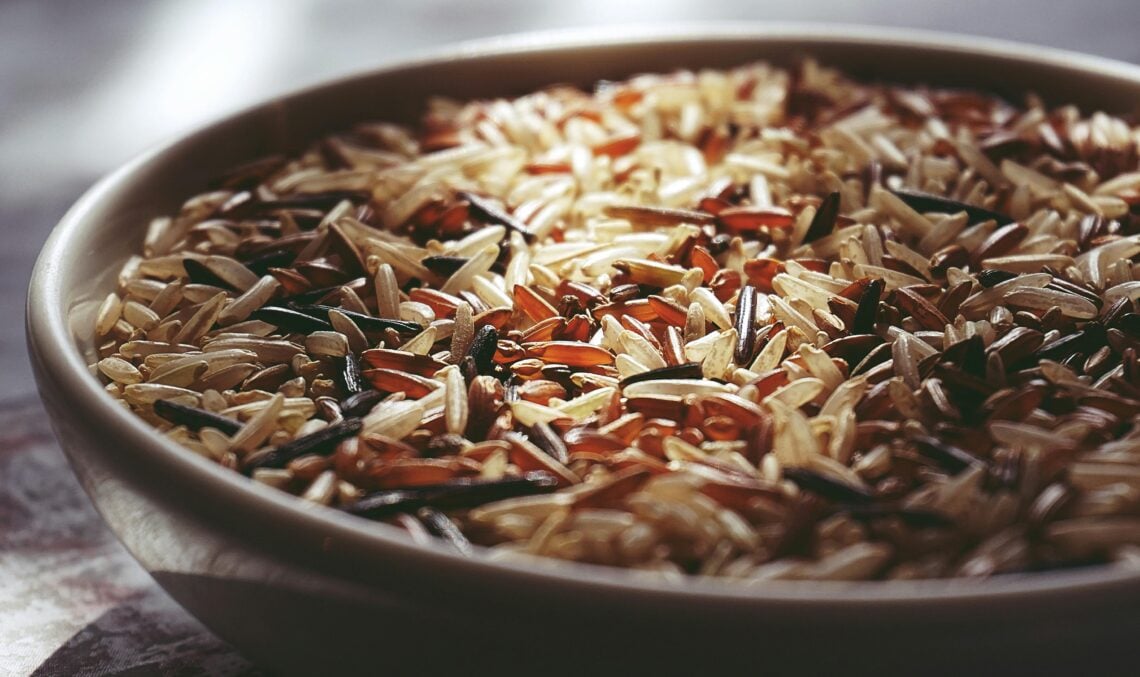
Wild rice is technically not true rice. It is a seed from aquatic grasses, but it sits in the rice family because people cook and serve it in much the same way. Its dark color, chewy bite, and earthy flavor make it stand out right away.
It works well in soups, salads, stuffing, pilafs, and side dishes. The taste is a little rustic, a little nutty, and very satisfying, especially when you want a grain with more depth than plain white rice.
Black rice for bold color and a rich taste
Black rice looks dramatic in the pot, then turns deep purple when cooked. Some people call it forbidden rice, and the name fits its dark, striking appearance. It has an earthy flavor with a mild sweetness that makes it feel rich without being heavy.
Use it in bowls, salads, desserts, and Asian dishes when you want color that does more than decorate the plate. It brings a lovely contrast to bright vegetables, crisp herbs, and creamy sauces.
Bomba rice for paella that stays firm
Bomba rice is a Spanish short grain rice that absorbs a lot of liquid while keeping its shape. That balance is the reason it works so well in paella and other Mediterranean dishes that need rich broth without mushiness.
It takes more water than many other rice types because it drinks up so much as it cooks. The reward is firm, separate grains that stay intact even after soaking in stock, saffron, and seafood or meat juices.
Glutinous rice for sticky sweets and savory bites
Glutinous rice, also called sticky rice or sweet rice, gets its clingy texture from low amylose content. Once cooked, the grains bind together tightly, which gives the rice its soft, dense feel.
It is common in Southeast and East Asian cooking, where it shows up in dumplings, desserts, rice cakes, and other sticky rice dishes. The texture is the whole point here, and it works especially well when you want rice you can shape, press, or scoop in compact bites.
Glutinous rice does not contain gluten. The name comes from its sticky texture, not from wheat protein.
Matching the rice to the dish
The easiest way to choose among these rice types is to think about the finish you want on the plate. Some dishes need grains that stay separate, while others need rice that soaks up sauce or holds together in a neat shape.
A simple guide helps keep the choices clear:
- Fluffy and separate: basmati, white rice
- Soft and fragrant: jasmine rice
- Creamy and rich: arborio rice
- Hearty and chewy: brown rice, wild rice, black rice
- Sticky and moldable: sushi rice, glutinous rice
- Highly absorbent and firm: bomba rice
Once you start matching texture to recipe, the rice does more than fill space on the plate. It supports the whole dish, and that is where these 10 types of rice really earn their place in the kitchen.
How to pick the right rice for the dish on your table
The easiest way to choose rice is to start with the dish, not the bag. Ask what role the rice needs to play. Should it stay fluffy, hold together, soak up sauce, or add its own flavor? Once you know that, the choice gets much clearer.
For side dishes, bowls, and mixed meals, rice usually needs to stay separate so it can sit neatly next to the main ingredients. That is where basmati, white rice, and other long grain styles shine. They give you light grains that support the plate instead of blending into a soft mound.
Use fluffy rice when you want the grains to stay separate
Fluffy rice works best when you want each grain to stand on its own. Basmati is a top pick for this because it cooks up long, dry, and distinct. White rice is another dependable choice, especially when you want a mild base that won’t fight with bold sauces or seasoned proteins.
Long grain rice also fits this job well. It works in pilaf, fried rice, casseroles, stir-fries, and simple side dishes because the grains stay loose and light. If the rice should act like a clean backdrop, this is the style to reach for.
Choose sticky or creamy rice when the dish needs body
Some dishes need rice that binds, cushions, or absorbs. Sushi rice is the clear choice when the grains need to hold together for rolls, rice balls, or poke bowls. Arborio brings the creamy texture that makes risotto rich and spoonable.
For dishes that need extra cling and strength, glutinous rice is the one that presses together into soft, dense shapes. Bomba rice works differently, but just as well in the right dish, since it absorbs stock while staying firm. That makes it ideal for paella, where the rice should drink in flavor without turning mushy.
Pick nutty or earthy rice when you want more flavor in the bowl
If the rice should taste as interesting as the main dish, go with a grain that brings its own character. Brown rice adds a nutty bite and works well in bowls, stuffing, and hearty sides. Black rice has a deeper, earthier taste and a striking color that looks great next to vegetables or seafood.
Wild rice adds a chewy texture and toasted, earthy flavor that works especially well in soups, salads, and mixed grains. These choices are strong enough to stand beside roasted meats, braises, and spice-heavy recipes without fading away.
A quick match-up helps keep it simple:
- Side dishes and pilafs: basmati, white rice, long grain rice
- Bowls and mixed meals: brown rice, black rice, wild rice
- Soups and stews: white rice, brown rice, wild rice
- Desserts and creamy dishes: arborio, glutinous rice
- Paella and rich one-pan dishes: bomba rice
- Sushi and rice balls: sushi rice
Once you match texture to the meal, rice stops being a filler and starts doing real work on the plate. That is the difference between a bowl that feels flat and one that comes together with confidence.
Simple rice cooking habits that improve every bowl
A few small habits can lift rice from decent to memorable. They do not take much time, but they change the final texture, especially when you cook the 10 types of rice used most often in home kitchens and restaurants.
When rinsing helps and when to be careful
Rinsing rice before cooking can wash away extra surface starch, which helps the grains cook more evenly and keeps the pot from turning gummy. It is a smart habit for many rice types, especially when you want a cleaner finish and separate grains.
That said, some rice is enriched with water-soluble vitamins and minerals. If you rinse it too much, you can wash away part of that added nutrition. So, check the package first, then rinse only when it makes sense for the rice you bought.
A gentle rinse is usually enough. Swirl the rice in water, pour off the cloudy liquid, and repeat until the water looks less hazy. For everyday cooking, that simple step can make a big difference.
Why resting rice after cooking matters
Once the rice is done, let it sit with the lid on for a short rest. That pause gives the steam time to finish the grains and settle the texture, so the rice turns out softer and more even.
After resting, fluff it gently with a fork or rice paddle. This keeps the grains light instead of packed together. A little patience here pays off in every bowl.
For many cooks, the best rice comes from what happens after the heat turns off.
The same habit helps across the board, but some rice types need their own rhythm. Brown rice, wild rice, and bomba rice usually need different liquid levels or longer cook times than white rice. Measure carefully, follow the style of rice you’re using, and let the grain lead the way.
Conclusion
Rice has a lot more range than most people give it credit for. The 10 types of rice in this guide show how much grain shape, starch, and texture change the way a dish feels on the plate. Some rices stay fluffy and separate, while others turn creamy, sticky, or firm enough to soak up every drop of sauce.
The best choice comes down to the meal, not habit. Basmati, jasmine, Arborio, sushi rice, and the rest each bring something different, so the right match makes the whole dish taste more complete.
Next time you cook, reach for a rice you have not used before. A small change in grain can turn the whole meal around.