A good teriyaki marinade can turn a plain chicken breast, pork chop, or steak into something glossy, savory-sweet, and hard to stop eating. The best part is that you don’t need a long ingredient list or a fussy method, you just need a simple ratio you can remember and scale.
This guide keeps things practical with teriyaki marinade recipes that work for each cut of meat, along with the right marinating times so the flavor lands where it should. You’ll also see when to use the mixture as a marinade, and when a quick simmer can turn it into a sauce for glazing or dipping.
The basic teriyaki marinade ratio you can memorize
A good teriyaki marinade does not need a long ingredient list. Once you know the balance, you can make it from pantry staples and adjust it for chicken, pork, or steak without starting over.

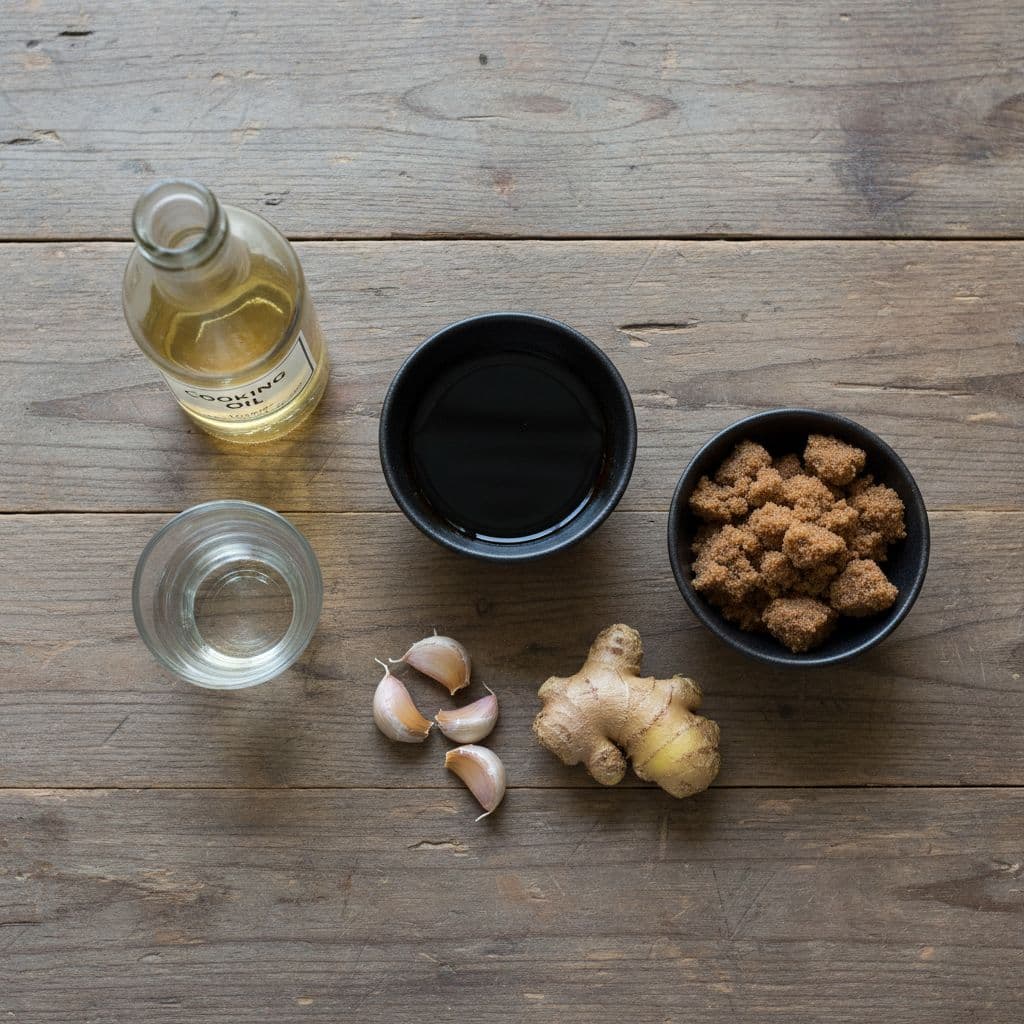
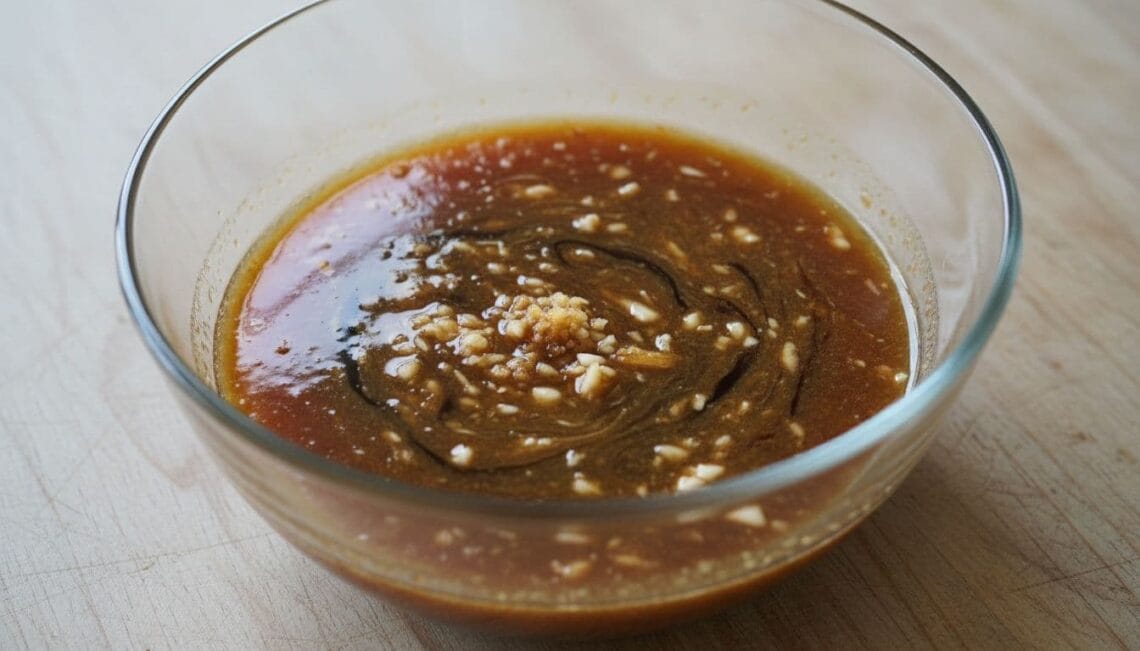
The easiest way to remember it is this: soy sauce for salt and umami, brown sugar for sweetness, a little water or vinegar to soften the edge, oil for body, and garlic plus ginger for aroma. That simple mix is the heart of the best teriyaki marinade recipes, and it scales cleanly when you need more.
Why soy sauce, sugar, and aromatics do the heavy lifting
Soy sauce gives teriyaki its deep, savory base. It brings the salty umami that makes the meat taste seasoned all the way through, not just on the surface.
Brown sugar balances that salt with gentle sweetness. It also helps the marinade brown well in the pan, on the grill, or under the broiler, which is why teriyaki gets that glossy, caramelized finish.
Garlic and ginger add the smell and bite people expect from teriyaki. Garlic brings warmth and sharpness, while ginger gives a fresh, slightly spicy lift. Water or rice vinegar keeps the mixture from tasting too heavy, and it helps the flavors spread evenly over the meat. If you want a richer finish, a small splash of sesame oil works well, but keep it in the background so it does not take over.
The best teriyaki flavor comes from balance. Too much soy sauce turns harsh, and too much sugar turns sticky.
For a simple home-cook version, the flavor profile stays clear when each ingredient keeps its job. That is why so many teriyaki marinade recipes work so well with just a few basics.
The easiest formula for 1 pound of meat
For about 1 pound of chicken, pork, or steak, use this easy ratio:
- 1/2 cup soy sauce
- 1/4 cup brown sugar
- 2 tablespoons water or rice vinegar
- 1 tablespoon oil
- About 1 teaspoon minced garlic
- About 1 teaspoon grated ginger
This is the kind of ratio you can memorize after one use. It gives you enough marinade to coat the meat well without drowning it, and it keeps the sweet-salty balance in check. If you want a little more depth, add a teaspoon of sesame oil. If you prefer a brighter finish, use rice vinegar instead of water.
The formula is flexible, too. Double it for 2 pounds of meat, or triple it for meal prep, and the balance stays the same. That makes it easy to cook for a weeknight dinner or a bigger batch on the weekend. If you want to compare your version with another simple build, this teriyaki marinade ratio guide offers a similar pantry-friendly approach.
Keep in mind that different cuts need different marinating times, but the ratio itself stays steady. Chicken and pork love this mix, steak handles it well, and even vegetables soak up the flavor fast. Once you know this base, you can stop hunting for new teriyaki marinade recipes every time dinner changes.
How to adjust the marinade for chicken, pork, and steak
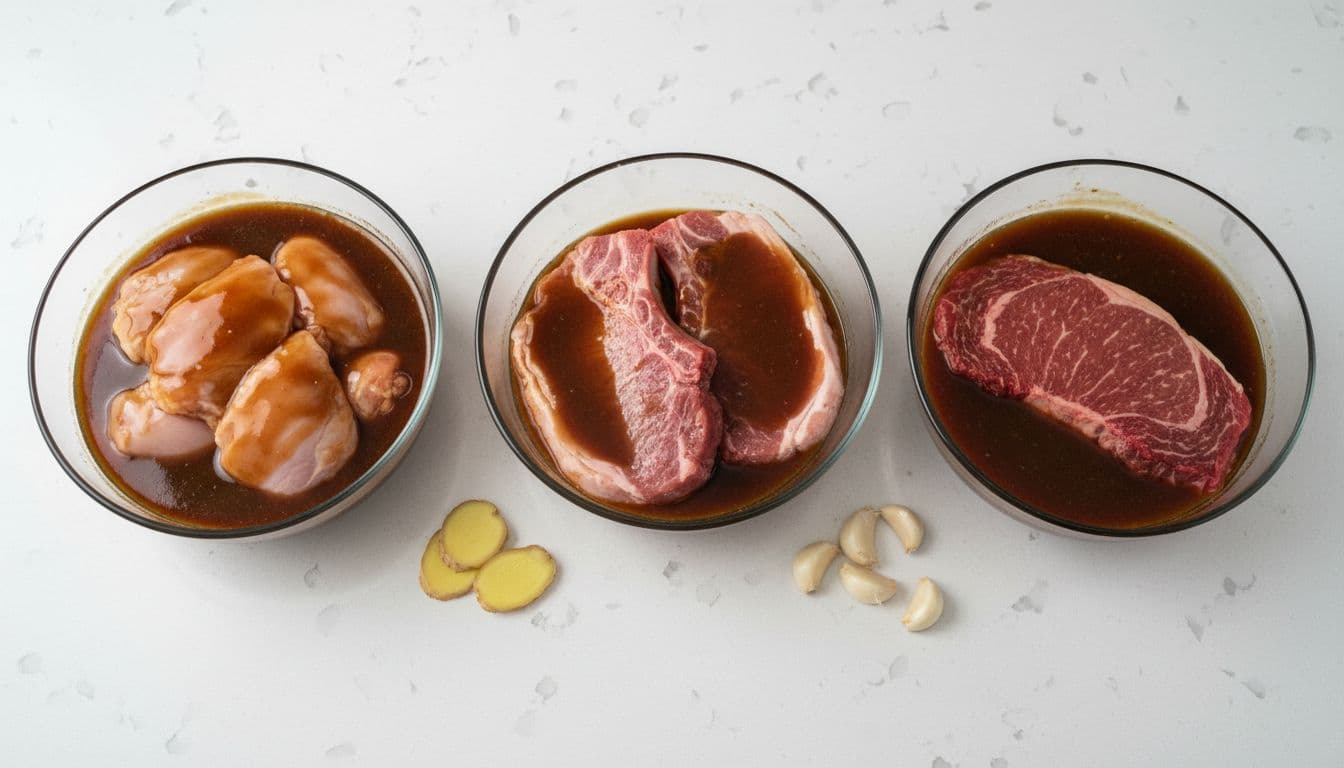
The same teriyaki base works across all three proteins, but the timing and soak matter just as much as the flavor mix. Chicken and pork usually need a gentler hand, while steak can take a longer bath and still hold its shape. If you match the marinating time to the cut, the flavor stays bright and the texture stays right.

The marinade does the work, but the clock decides how good the final bite will be.
Chicken needs enough time to soak in flavor
Chicken picks up teriyaki flavor fast, especially with thighs, breasts, drumsticks, and wings. It works well with this style of marinade because the sweet-salty mix clings to the meat and helps it stay juicy as it cooks.
For the best result, give chicken at least 6 hours in the fridge, and overnight is even better. That longer rest helps the flavor settle in and gives the finished chicken that sticky-sweet glaze people expect from classic teriyaki. Boneless pieces can go into the marinade, then straight to the grill, skillet, or oven when you are ready.
Chicken also benefits from a balanced marinade strength. If the mix is too sharp, it can taste harsh on lean cuts like breasts. Keep the soy sauce, sugar, and aromatics in balance, and the chicken will come out tender, glossy, and full of flavor.
Pork loves the sweet-salty balance
Pork and teriyaki are a natural pair. Pork chops, tenderloin, and sliced pork all work well because the meat handles the same base ratio without losing its own flavor.
A marinating window of 6 to 24 hours gives pork enough time to absorb the seasoning. That range works especially well for chops and tenderloin, where you want the flavor to reach past the surface without turning the texture soft. Brown sugar and ginger are the two ingredients that shine here, because they bring warmth and a savory finish that suits pork so well.
If you want the pork to taste round and full, let the marinade do its job slowly. Short marinating times give you surface flavor, but a longer soak gives you a deeper, more even bite.
Steak needs a deeper, bolder soak
Steak can handle a longer marinating time than chicken, and that extra time helps the flavor settle into the meat. Most cuts taste best after 12 to 24 hours, depending on how thick or tough they are.
This works especially well with ribeye, sirloin, flank steak, and short ribs. Richer cuts can take on more flavor, while leaner cuts still need enough time to taste seasoned without being overwhelmed. The goal is to add that teriyaki depth without drowning out the beef.
A good steak marinade should feel like a finish, not a mask. If you leave it too mild, the beef can taste flat. If you push it too hard, the meat loses its own character. The sweet spot is a bold marinade that supports the steak instead of covering it up.
How long to marinate so the meat tastes great, not mushy
The right marinating time makes teriyaki taste rich and balanced. Too little time leaves the flavor on the surface, while too much time can soften the texture and make the meat taste overly salty.
A good rule is simple: marinate long enough for flavor, but not so long that the meat loses its bite. Chicken and pork usually do best with an overnight rest, while steak can handle a longer soak, especially if the cut is thick or lean. Seafood is much more delicate, so it needs a much shorter window than the meats in this recipe.

Simple marinating times at a glance
These time ranges give you a dependable starting point for teriyaki marinade recipes that use chicken, pork, or steak.
- Chicken: 6 to 24 hours
- Pork: 6 to 24 hours
- Steak: 12 to 24 hours
A shorter soak still adds flavor, so don’t worry if dinner is moving fast. Even a few hours in the fridge can make the meat taste more seasoned. Still, a longer rest usually gives you a fuller teriyaki flavor and a better finish on the grill or in the pan.
If you’re working with seafood, keep the timing much shorter, usually just 20 minutes to 1 hour. That comparison helps show why chicken, pork, and steak can sit longer without turning soft.
What happens if you marinate too long
Over-marinating can push the texture in the wrong direction. For some cuts, the meat starts to feel soft at the edges, and the flavor can turn muddy or overly salty instead of clean and savory.
That can happen because teriyaki marinades are salty, and many versions also contain sugar or other tenderizing ingredients. Give them too much time, and they keep working past the point you want. The result is still cooked meat, but it won’t have that firm, juicy bite you were after.
If the cut is thin or delicate, stick closer to the lower end of the timing range.
Use the timing guide, then adjust based on the cut and the flavor you want. Thicker steak can take more time. Lean chicken breasts usually need less than dark meat. Pork chops sit comfortably in the middle. When in doubt, taste the result once it’s cooked, then shorten or extend the next batch.
When to use teriyaki as a marinade and when to turn it into sauce
Teriyaki starts as a marinade, but it doesn’t have to stay there. In its loose form, it coats chicken, pork, or steak and lets the soy, sugar, ginger, and garlic sink in. Cook it down, and the same mixture turns glossy, thicker, and ready for brushing, spooning, or dipping.
That is the real strength of many teriyaki marinade recipes. One mixture can handle two jobs, as long as you pick the right texture for the job you want.

How to make it thick, shiny, and spoonable
If you want teriyaki sauce instead of marinade, move the mixture to a small saucepan first. Let it simmer for a few minutes, then stir in a cornstarch slurry made with cold water. That quick step gives you a sauce that clings to meat instead of sliding off.
The goal is a finish that looks lacquered and tastes rich. Use this version when you want to glaze grilled chicken, spoon it over rice, or serve it as a dip on the side.
A simple method works best:
- Pour the marinade into a small pan.
- Bring it to a boil, then lower the heat.
- Stir in a cornstarch slurry.
- Simmer until it turns thick and glossy.
A marinade should move easily. A sauce should coat the back of a spoon.
If you want to see a similar approach in action, this teriyaki steak method shows how simmering the reserved marinade creates that glossy finish.
Safe handling for used marinade
Any marinade that touched raw meat needs careful handling. Don’t pour it over cooked food and call it done. Raw juices can carry bacteria, so the safe move is to discard it or boil it well before using it again.
That habit is simple, and it fits right into regular kitchen routine. If you want to turn used marinade into sauce, pour it into a clean pan and bring it to a full boil before serving. The USDA also advises cooking raw-meat marinades to a safe temperature before reusing them, which is why this step matters. USDA guidance on marinating explains the basic safety rule clearly.
Use this easy rule at the stove:
- For marinade, use it raw, then discard what touched raw meat.
- For sauce, boil it first, then thicken it if you want a glaze.
- For dipping, make a fresh batch or boil the used batch fully.
That way, you get the best of both worlds. The marinade seasons the meat, and the sauce gives you that sticky, shiny finish right at the end.
Smart swaps, storage tips, and easy serving ideas
Once you have the base ratio down, teriyaki becomes easy to adapt. You can tweak the flavor, make it ahead, and turn one batch into several different meals without much extra work. That is what makes teriyaki marinade recipes so useful during a busy week.
Easy ingredient swaps if you need them
If you need a gluten-free version, tamari is the cleanest swap for soy sauce. It keeps the same savory backbone, so the flavor stays close to classic teriyaki without extra fuss.
A few small changes can shift the taste in a good way:
- Rice vinegar gives the marinade a brighter, sharper finish.
- Honey makes it softer and a little rounder than brown sugar.
- Sesame oil adds a richer, nuttier note, so use it with a light hand.
These swaps are easy to mix and match. If you want the flavor deeper, lean into brown sugar and sesame oil. If you want it fresher, keep the sesame oil small and let the vinegar do more of the work.
The best teriyaki stays balanced, with salt, sweetness, and aromatics all pulling their weight.
That balance matters more than any one ingredient. A good teriyaki marinade should taste savory first, then sweet, then finish with garlic and ginger.
How to prep the teriyaki marinade ahead of time

This teriyaki marinade is a easy and ideal meal prep move. Mix it in a jar or sealed container, then store it in the refrigerator for several days. In fact, the flavors often blend even more after it rests, so a make-ahead batch can taste better the next day.
For the best results, shake the jar before using it. The sugar and aromatics settle a bit, and a quick shake brings everything back together. If you want to stay ahead for the week, make a double batch and keep it ready for chicken, pork, or steak.
A few simple storage habits help:
- Use a clean, airtight jar or container when store it.
- Keep it refrigerated until you are ready to marinate.
- Give it a stir or shake before pouring your sauce on your intended meat of choice.
That kind of prep makes dinner feel easier. One small jar can save you from mixing from scratch on a weeknight.
Best ways to serve teriyaki chicken, pork, and steak
Teriyaki works in all kinds of meals, and it fits right into family dinners. A bowl of rice, a pile of vegetables, and a glossy protein on top is all you need for a satisfying plate.
Here are some easy ways to serve it:
- Rice bowls with steamed rice, teriyaki chicken, and broccoli or snap peas.
- Grilled vegetables like zucchini, peppers, onions, and asparagus beside pork or steak.
- Skewers for an easy summer dinner or party tray.
- Burgers brushed with thickened teriyaki sauce for a sweet-savory twist.
- Weeknight skillet meals with sliced meat, rice, and whatever vegetables you have on hand.
A little extra sauce over rice or vegetables pulls the meal together. It soaks into the grains, coats the edges of the vegetables, and makes the whole plate taste finished. If you keep a small batch of sauce nearby, you can turn plain leftovers into something worth looking forward to.
Teriyaki also plays well with simple sides. Serve it with cucumber salad, roasted carrots, or a quick slaw when you want fresh crunch on the plate. Then use leftover sauce the next day over rice, noodles, or a veggie stir-fry, and the marinade keeps working long after the first meal.
Conclusion
A reliable teriyaki marinade ratio makes weeknight cooking easier and the results better. With the right balance of soy sauce, sweetness, aromatics, and a little acid or water, chicken, pork, and steak all come out bold and balanced.
The best part is how flexible it is. You can scale it up, mix it ahead, and tweak it to suit your taste without losing the flavor that makes teriyaki work so well.
Keep this ratio close, and dinner gets a lot simpler. One good batch is enough to carry you through grilled chicken, juicy pork, or a tender steak with real flavor every time.