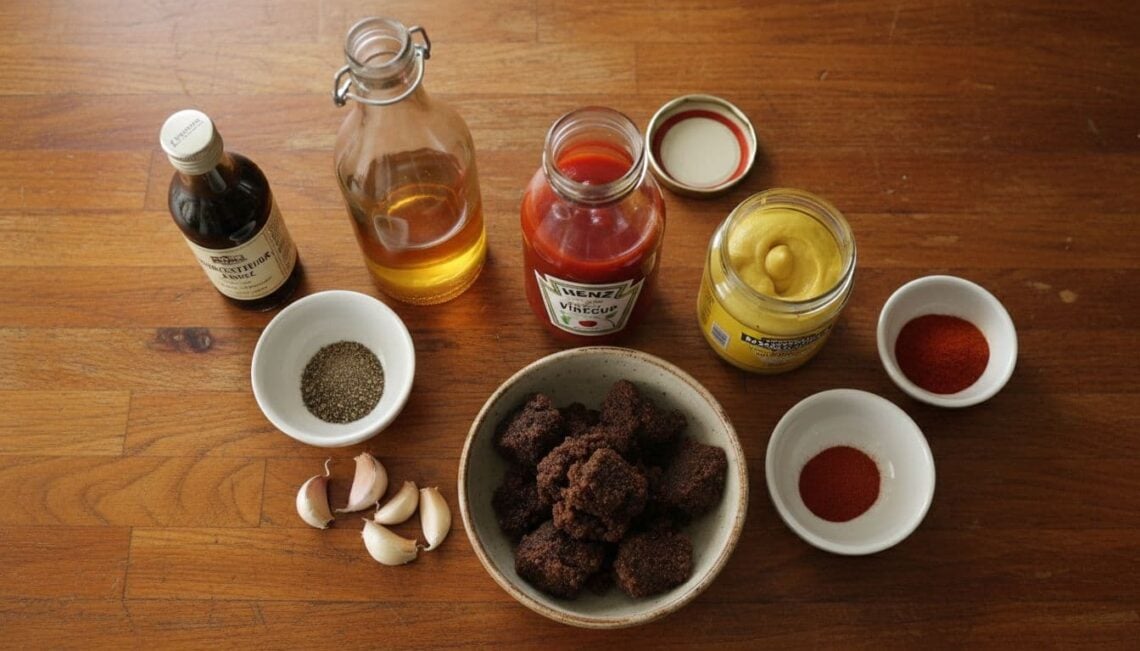
This post shows how to make one homemade rib sauce that works for both baby back ribs and spare ribs. If you want a reliable back homemade baby back spare rib sauce recipe, this version gives you the sweet, tangy, savory balance most home cooks want, without the flat bottled taste. It also lets you control the sugar, salt, smoke, and heat, so the sauce fits your ribs instead of the other way around.
Baby back ribs are leaner, a bit smaller, and they usually cook faster. Spare ribs are meatier, richer, and have more fat, so they bring a deeper pork flavor and can handle a thicker glaze. That difference matters, but the sauce base can work beautifully on both, especially when you can tweak it with a little more vinegar, brown sugar, mustard, garlic, cayenne, or even a touch of maple, chipotle, or bourbon-style flavor.
This sauce is built to be flexible, so you can brush it on as a glaze, spoon it over sliced ribs as a finishing sauce, or make it ahead and keep it ready for your next cook. Let’s start with what makes a rib sauce taste balanced, and how to adjust it for the cut you’re cooking.
What makes a great rib sauce for baby back ribs and spare ribs
A great rib sauce does two things at once. It adds bold flavor, and it still lets the pork taste like pork. That’s the sweet spot for any back homemade baby back spare rib sauce recipe, especially when you want one sauce that works across both baby back ribs and spare ribs.
The best versions don’t rely on one big note. They layer sweet, tangy, savory, smoky, and a little heat so each bite tastes rounded instead of flat. Once you understand those building blocks, it’s much easier to taste, adjust, and make the sauce fit the ribs in front of you.
How sweet, tangy, and smoky flavors stay in balance
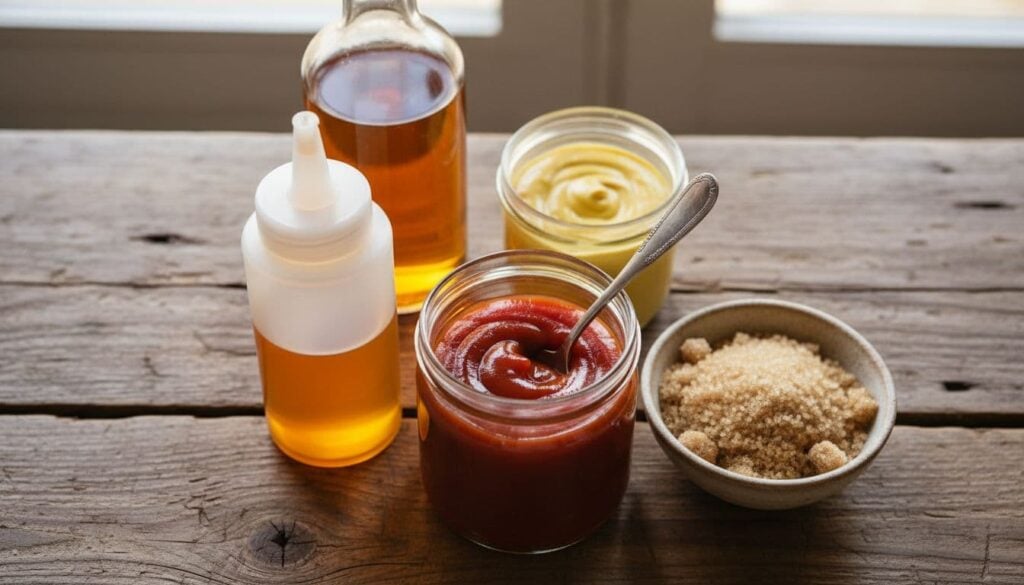
Most great rib sauces start with pantry basics because they already do the heavy lifting. Ketchup brings body, tomato sweetness, and a mellow tang. Brown sugar adds deep sweetness and helps the sauce cling and caramelize. Honey or molasses changes the mood, honey keeps things lighter and smoother, while molasses adds a darker, heavier depth.
Then you need something sharp enough to wake it all up. Mustard adds zip and a little bite, while apple cider vinegar cuts through fat and sweetness so the sauce doesn’t taste sticky or dull. When those ingredients work together, the sauce tastes full, not sugary.
Smoke and heat matter too, but they should support the base, not bury it. A little smoked paprika, black pepper, cayenne, or chipotle can add that barbecue feel fast. Think of it like salt in soup, you want enough to notice, but not so much that it takes over.
The cut of rib should guide your hand. Spare ribs are richer and fattier, so they can handle a thicker, bolder sauce with more molasses, spice, or smoke. Baby back ribs are leaner and milder, so a lighter coating often tastes better because the meat still comes through. Lately, more home cooks are leaning toward sweet-spicy and globally inspired sauces, with hints of gochujang, chipotle, ginger, or Caribbean-style heat. Still, the best place to start is a familiar base built from ketchup, mustard, vinegar, and sugar, then adjust from there.
If your sauce tastes too sweet, add a small splash of vinegar. If it tastes too sharp, add a bit more brown sugar or honey.
Why rib drippings can make homemade sauce taste richer
If you bake ribs in foil or in a covered pan, don’t toss the cooking juices. Those drippings carry pork flavor, seasoning, and a deep savory note that bottled sauce can’t fake. Even a small amount can make homemade sauce taste more connected to the ribs you’re serving.
Before you add drippings to the pot, skim off the excess fat. What you want is the rich liquid underneath, not a greasy layer floating on top. Once cleaned up, stir some into the sauce as it simmers. The result is fuller, rounder, and less one-note.
This step is optional, but it’s one of the easiest ways to improve oven-baked ribs. It works especially well when your sauce starts with ketchup, mustard, vinegar, brown sugar, garlic, and pepper. The drippings tie all of that together and make the sauce taste like it came from the cook, not the shelf.
If you don’t have drippings, the sauce can still turn out great. Just loosen it with a small splash of broth or water so it simmers smoothly and coats the ribs the way you want. You won’t get the same savory depth, but you’ll still have a balanced sauce with plenty of flavor.
When to use this sauce as a glaze, mop, or table sauce
One good rib sauce can do three jobs, and each one changes how the final ribs taste. That’s useful because baby backs and spare ribs often need slightly different handling, even when the sauce base stays the same.
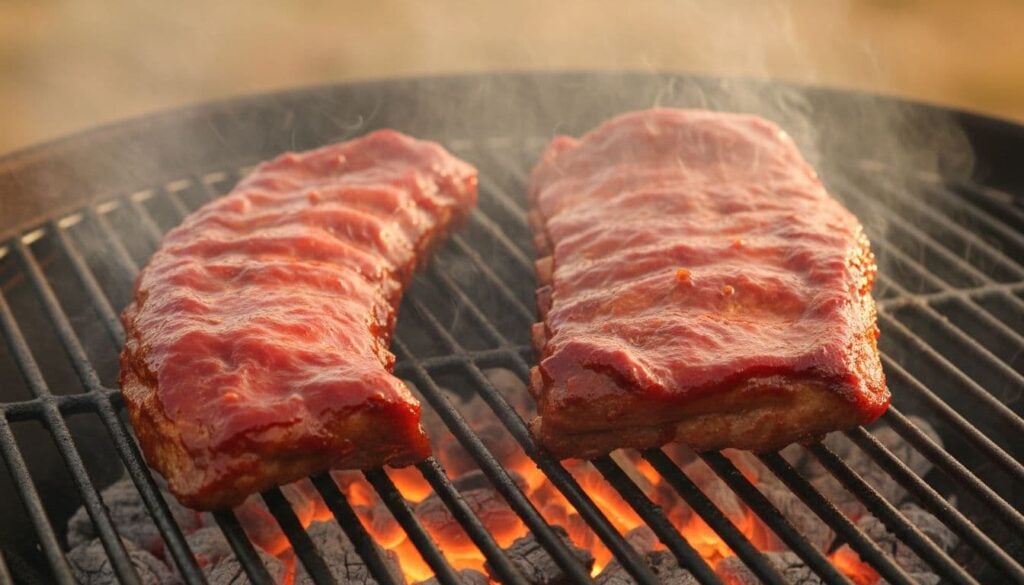
As a glaze, brush the sauce on near the end of grilling or broiling. That timing matters because sugar burns fast. Put it on too early, and the sauce can turn dark and bitter before the ribs are ready. Applied late, it turns glossy, sticky, and lightly caramelized.
As a mop, use a thinner layer during low-and-slow cooking if you want to build flavor in stages. Don’t slather it on heavily. A light coat works better because it won’t pool, scorch, or hide the bark. This is often a smart move for spare ribs, which can take more sauce over time.
At the table, serve extra sauce on the side. Some people want ribs lightly coated, while others want every bite dripping. Offering more at the end keeps everyone happy and protects the texture you worked for.
A simple way to think about it is this:
- Use it as a glaze for shine and caramelized finish.
- Use it as a mop for light layering during a longer cook.
- Use it as a table sauce when you want each person to control the final bite.
For broiling or grilling, sauce late. For serving, sauce generously on the side.
Ingredients for a back homemade baby back spare rib sauce recipe
A good rib sauce starts with ordinary pantry staples, but each one has a job. When those jobs line up, you get a sauce that tastes balanced, clings well, and finishes glossy on the ribs. That’s what makes a solid back homemade baby back spare rib sauce recipe work for both weeknight oven ribs and weekend grill cooks.
The nice part is that you don’t need a long list. You just need the right mix of sweet, tangy, savory, and a little heat, plus a few smart swaps if your pantry looks different today.
The core pantry ingredients and what each one does
Most homemade rib sauces start with a tomato base because it gives you body and familiarity. Ketchup is the easy choice. It brings thickness, mild sweetness, and enough tomato flavor to hold the rest together without turning the sauce into pasta sauce.
Mustard is one of the quiet heroes here. Yellow mustard gives the sauce that classic barbecue tang, while Dijon tastes a bit sharper and richer. Either one helps cut through pork fat, so the sauce tastes bright instead of heavy.
Apple cider vinegar wakes everything up. A small amount keeps the sauce from feeling too sweet, and it helps the rich flavors taste cleaner. Then brown sugar rounds off the edges and helps the sauce caramelize when it hits heat, which is why ribs get that sticky finish people love.
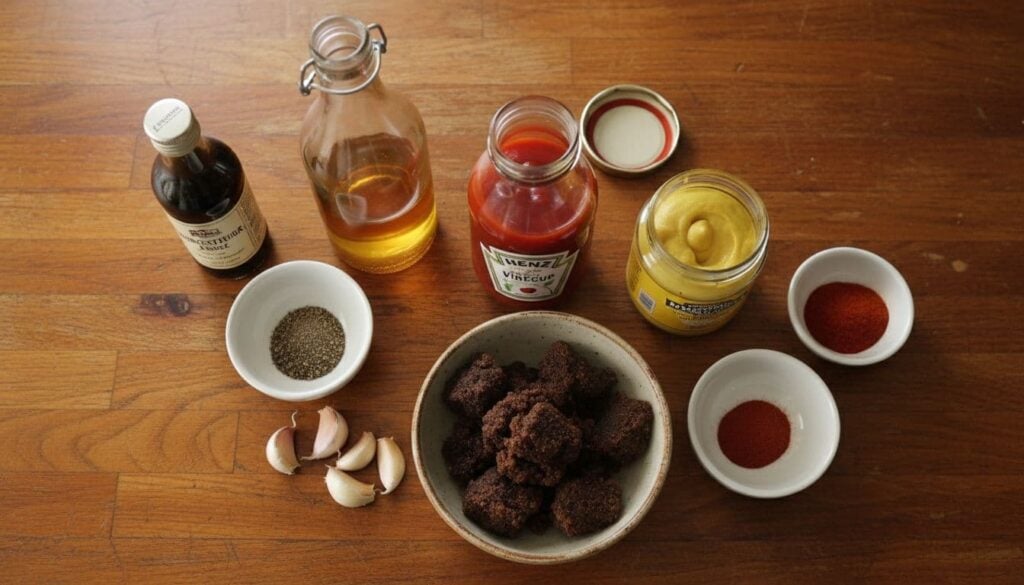
The spices fill in the gaps. Garlic adds depth and a savory backbone. Black pepper brings mild heat and keeps the sweetness from taking over. Paprika adds color and a gentle earthy note, while cayenne gives just enough kick to balance the sugar. You don’t need much. Think of it like turning up the bass, not blowing out the speakers.
A few extras can shift the sauce in useful ways:
- Worcestershire sauce adds a deeper savory note and a little extra tang.
- Honey softens the sauce and gives it a smoother sweetness.
- Molasses makes it darker, heavier, and more old-school barbecue in flavor.
If you cook ribs in the oven first, a little skimmed rib drippings can also make the sauce taste richer and more connected to the meat.
If the sauce tastes flat, it usually needs either a splash of vinegar or a pinch more salt and pepper, not just more sugar.
Easy substitutions if you want it sweeter, spicier, or lower sugar
This sauce is easy to adjust because the base is simple. If you want a sweeter finish, swap part of the brown sugar for maple syrup or honey. Maple brings a deeper, woodsy sweetness, while honey tastes softer and a little lighter.
For more bite, trade yellow mustard for Dijon or brown mustard. That one change can make the sauce taste more grown-up without changing the whole recipe. If you want more heat, add extra cayenne or a small splash of hot sauce. Start small, then taste again. Rib sauce should still taste like sauce, not a dare.
If you’re trying to keep it less sweet, cut back the sugar and use a no-sugar ketchup. You can also lean a little more on vinegar, mustard, paprika, and garlic so the sauce still tastes full. It won’t have the same sticky finish, but it can still be rich and balanced.
Some cooks like a soy-based twist in a variation. If you go that route, tamari works well in place of soy sauce and keeps the flavor savory and smooth.
Best rib choices for this sauce, baby back, spare, or St. Louis style
This sauce works well on baby back ribs, spare ribs, and St. Louis-style ribs, which makes it handy when you’re buying whatever looks best at the store. The base is flexible enough for all three, but the cut still changes how heavily you should sauce.
Baby back ribs are smaller, leaner, and easier to handle. Because they have less fat, they usually taste best with a lighter coat that doesn’t cover the meat. They also fit neatly in foil or on smaller sheet pans, which makes them a simple pick for home cooks.
Spare ribs have more fat and a deeper pork flavor. That extra richness means they can handle a bolder layer of sauce, especially one with a little more vinegar, garlic, or spice. St. Louis-style ribs are trimmed spare ribs, so they cook and eat a bit more evenly while still holding onto that richer flavor.
For quick reference, here’s how they compare:
| Rib cut: | What it’s like: | How this sauce fits: |
|---|---|---|
| Baby back ribs | Smaller, leaner, easy to move and cook | Best with a lighter glaze or thinner coating |
| Spare ribs | Meatier, fattier, fuller pork flavor | Handles a thicker, stronger sauce very well |
| St. Louis-style ribs | Trimmed spare ribs, more even shape | Great middle ground for balanced saucing |
One cut to skip for this exact method is short ribs. They’re a different cut, usually beef, and they cook best with a different approach. This sauce can still taste good on them, but the timing and texture won’t line up the same way as pork ribs.
How to make the homemade rib sauce step by step
This is the part where a good sauce turns into a rib sauce you’ll want to make again. For a reliable back homemade baby back spare rib sauce recipe, keep the stovetop method simple, stay on gentle heat, and let the sauce tell you when it’s ready.
Combine, simmer, and thicken without scorching the sauce
Start by adding your sauce ingredients to a saucepan. That usually means ketchup, mustard, apple cider vinegar, brown sugar, garlic, black pepper, and, if you have it, a little skimmed rib drippings for extra depth. Stir everything together before the heat goes on so the sugar starts to dissolve evenly.
Set the pan over medium heat and bring it to a gentle boil. You want small, steady bubbles, not a rolling boil. Then lower the heat right away and let it simmer uncovered.
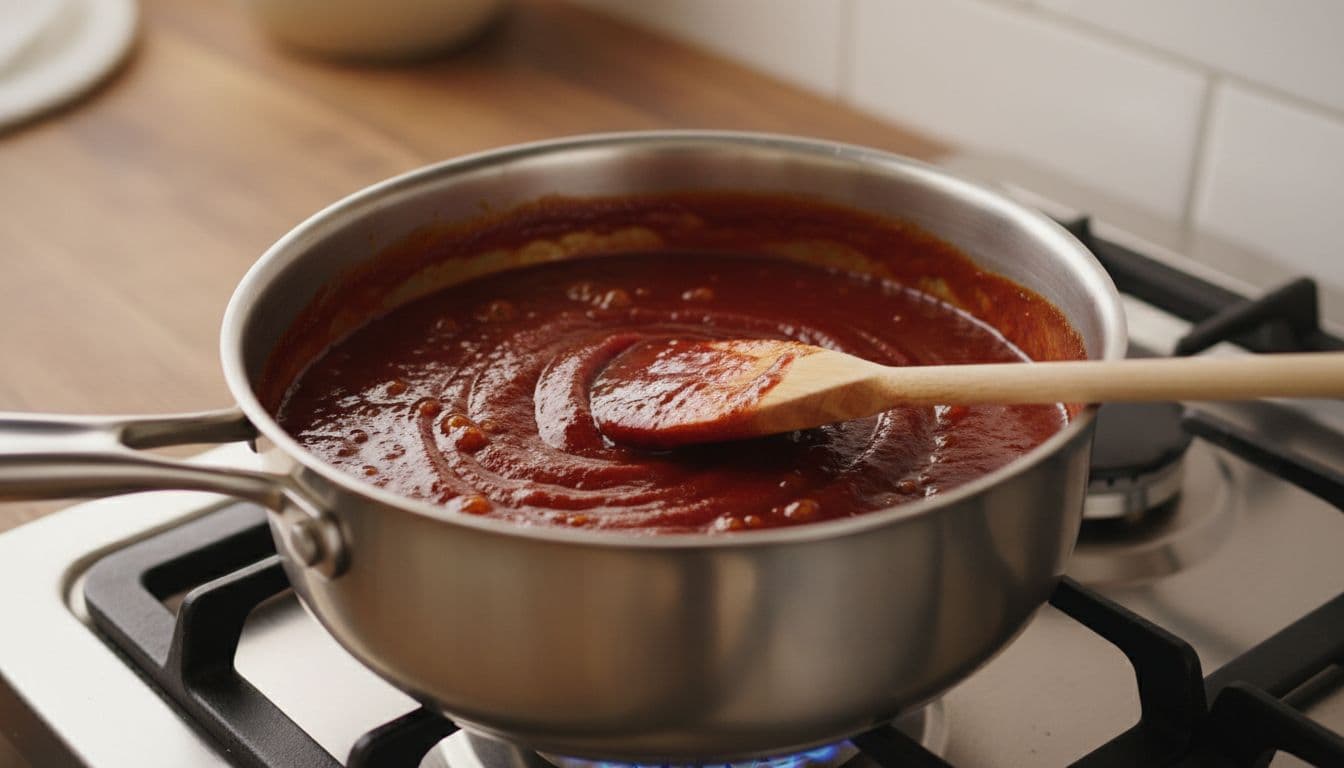
Most sauces thicken in about 10 to 30 minutes. A shorter simmer keeps the flavor brighter, while a longer simmer makes it darker, richer, and a bit more concentrated. Stir often, especially once the sugar has fully dissolved, because that’s when the sauce can start sticking to the bottom. A wooden spoon or silicone spatula works well for scraping the pan clean as you go.
Keep the heat low after the boil. High heat can turn a great sauce bitter fast.
How to tell when the sauce is the right texture
Look for three cues. The sauce should look glossy, cling to a spoon, and feel slightly thicker than ketchup. That’s the sweet spot, because it will keep thickening as it cools.
If it gets too thick, loosen it with a small splash of water, vinegar, or broth. If it still looks thin and runs off the spoon quickly, simmer it a few minutes longer and stir again.
Taste and adjust before the sauce goes on the ribs
Before you brush it on, give it one final taste. Small changes can make a big difference.
- Add a little vinegar if it needs more tang.
- Stir in brown sugar or honey if it tastes too sharp.
- Use cayenne or hot sauce for more heat.
- Mix in a bit more mustard for extra zip.
- Add smoked paprika or a tiny drop of liquid smoke for deeper barbecue flavor.
Make one change at a time, then taste again. Think of it like turning a dial, not flipping a switch. That way, the sauce stays balanced and still tastes great once it hits hot ribs.
How to use this sauce on ribs without burning it
A good rib sauce should turn glossy and sticky, not dark and bitter. The main rule is simple, sauce late. Since most rib sauces contain sugar from ketchup, brown sugar, honey, or molasses, they can burn fast over high heat.
For this back homemade baby back spare rib sauce recipe, treat the sauce like a finishing layer, not the whole cooking method. Cook the ribs until they’re tender first, then use the last stretch of heat to set the sauce and build color.
Best timing for oven baked ribs, grilled ribs, and smoked ribs
In most cases, sugary sauce belongs on ribs during the last 15 to 30 minutes of cooking. That gives it enough time to cling and caramelize, but not enough time to scorch. If your heat is very high, like under a broiler or over a hot grill zone, the window is even shorter.
A very reliable oven method is to cook the ribs low and slow in foil until tender, then finish them with sauce on a grill or under the broiler. This works well because the ribs are already cooked through before the sauce hits strong heat. From the source method, that means baking covered until the meat starts pulling back from the bone, then using the grill or broiler to set the glaze.
Here is a quick guide to timing:
| Cooking method | When to add sauce | What to watch for |
|---|---|---|
| Oven-baked ribs | Last 5 to 10 minutes under the broiler, or last 15 to 20 minutes in the oven | Bubbling edges, light caramelization |
| Grilled ribs | After ribs are basically done, then 3 to 5 minutes per side as needed | Hot spots and flare-ups |
| Smoked ribs | Last 20 to 30 minutes at lower smoker temps | Sauce setting, not running |
| Broiler finish | Very end only, usually a few minutes | Browning can happen fast |
Baby back ribs often finish faster than spare ribs, so don’t follow the clock alone. Baby backs are smaller and leaner, while spare ribs usually need more time to soften. In other words, cook the meat first, then sauce to finish.
Doneness cues and safe temperature basics for tender ribs
Ribs are ready for sauce when they look and feel close to done. The easiest sign is meat pullback. You’ll see the meat shrink back from the ends of the bones. Also, when you slide in a fork, it should go in with little resistance.
Pork is safe to eat at 145°F, but ribs are usually cooked much further than that for good texture. That’s because ribs need time for collagen to break down, and that happens as they cook past the basic safe point. If you stop too early, the meat may be safe, but it will still feel chewy.
For ribs, trust texture over one final number. Tender beats technical.
You want ribs that bend easily, feel tender, and still hold together well enough to grill or broil. If they fall apart before the sauce goes on, they can tear when flipped.
How to baste, flip, and caramelize for sticky ribs
Once the ribs are tender, the goal shifts. Now you’re building that sticky, lacquered finish without crossing into burnt sugar. A little patience matters here.
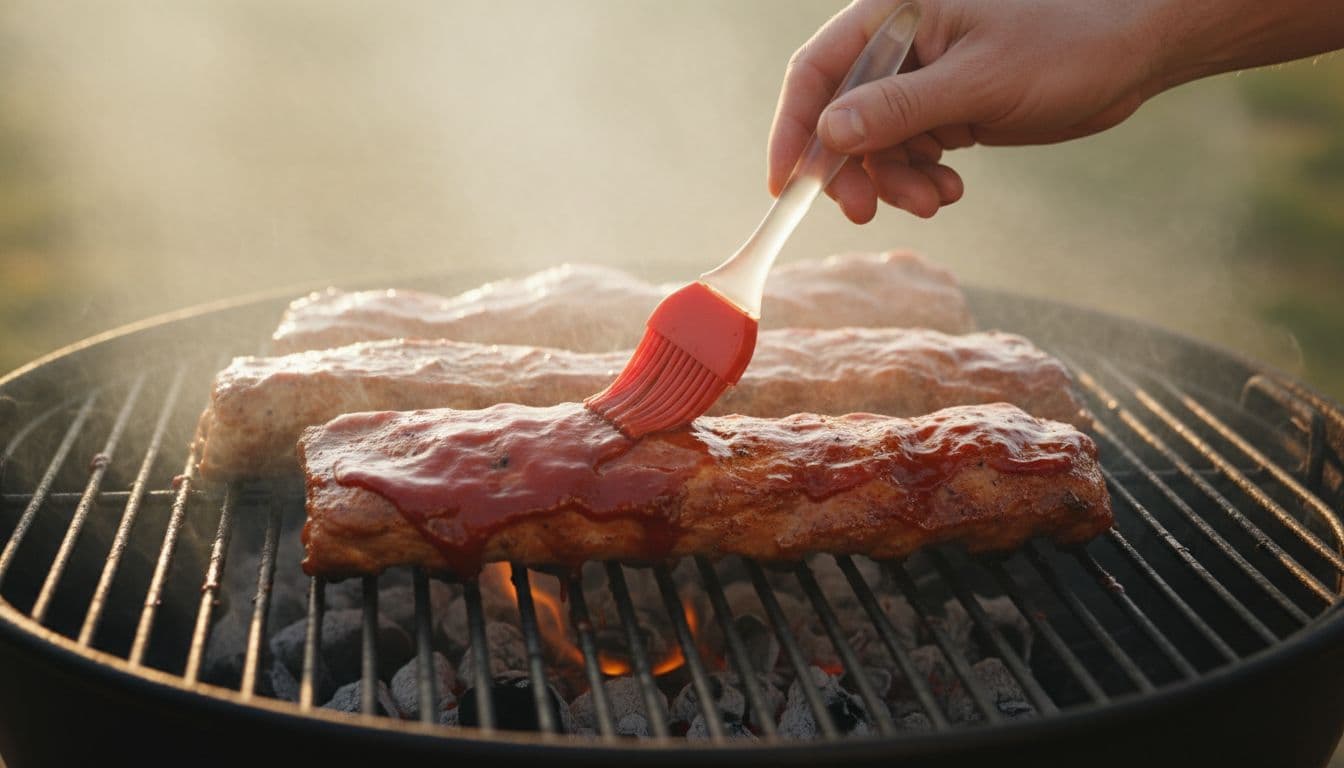
Use this order for the cleanest finish:
- Brush the meat side first. Start with a light coat, not a heavy slather. Too much sauce drips, burns, and makes a mess.
- Cook briefly to set the glaze. Give the sauce a few minutes over moderate heat so it starts to tighten and shine.
- Flip carefully if grilling. Move the ribs with tongs and support the rack so it doesn’t crack. Then brush a lighter coat on the other side.
- Watch the heat closely. Keep an eye on edges and thinner spots, because they darken first.
- Add one final coat after cooking. This gives you fresh flavor and a nice gloss without extra risk of burning.
If you’re grilling, start with the ribs bone-side down after saucing, then turn them carefully once the first layer sets. Many cooks like to caramelize the meat side only for most of the finish, since that’s where the sauce really counts.
If you don’t have a grill, the broiler is a strong backup. Put the ribs meat-side up on a sheet pan, brush on the sauce, and broil just until it bubbles and darkens slightly. Then pull the pan, add more sauce if you want, and return it only if needed. Since broilers vary wildly, stay close. One minute can be perfect, and the next can taste like burnt candy.
A few small habits help a lot:
- Warm sauce goes on more evenly than cold sauce.
- Thin coats caramelize better than thick ones.
- Lower heat gives you more control than blasting the ribs.
- Resting the ribs for a few minutes after glazing helps the sauce set.
That last step matters more than people think. Fresh off the heat, the sauce is loose. After a short rest, it clings better, cuts cleaner, and stays where you want it, on the ribs, not the cutting board.
Storage, make ahead tips, and what to serve with saucy ribs
Once your back homemade baby back spare rib sauce recipe is cooked, the next step is simple, keep it tasting great. A little care with storage, reheating, and serving turns leftovers into an easy second meal instead of a dry, sticky disappointment. This is the practical side of rib night, and it matters just as much as the simmer.
How long the sauce lasts in the fridge and freezer
Let the sauce cool before you pack it up, but don’t leave it sitting out for too long. Once it’s no longer piping hot, transfer it to a clean jar or airtight container and refrigerate it promptly. A mason jar works well, and so does any tight-sealing food container.
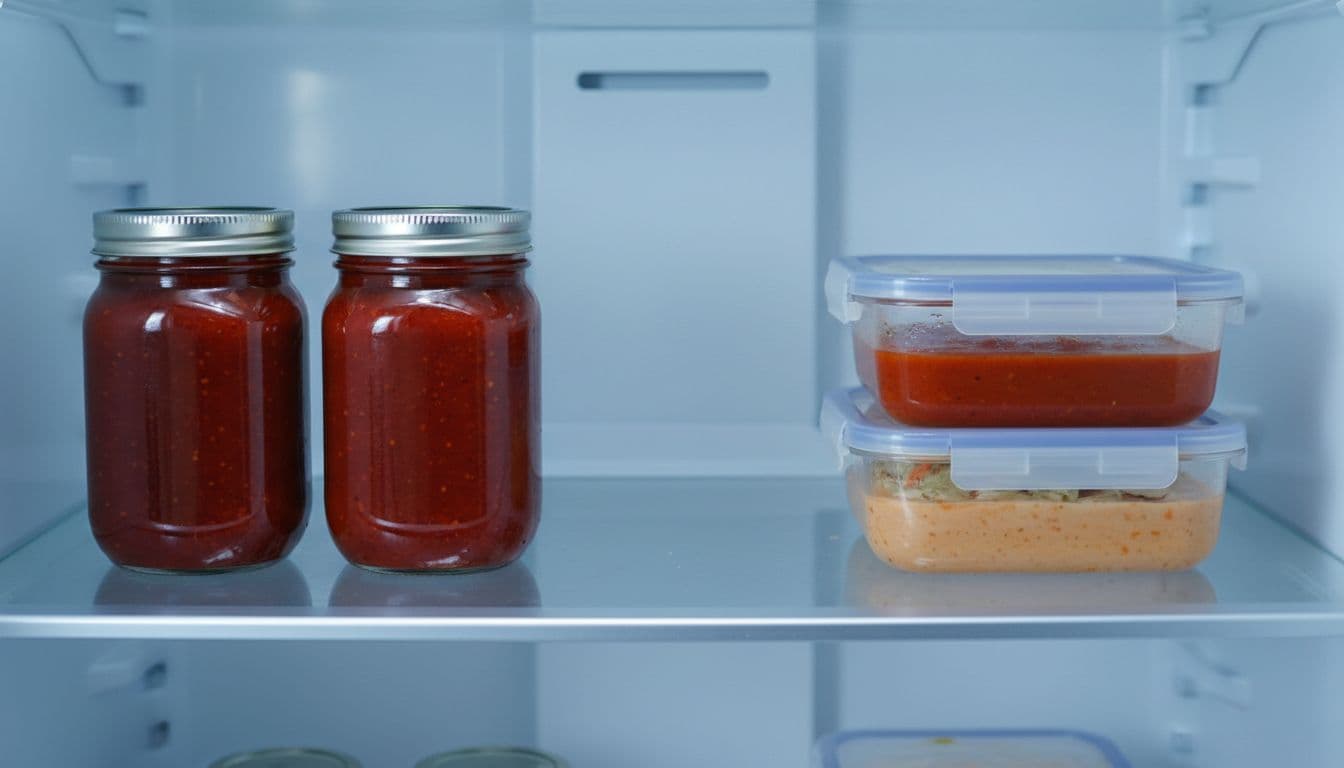
Homemade rib sauce usually keeps well in the fridge for about 2 to 3 weeks when stored cold and covered. In fact, it often tastes even better the next day because the sweet, tangy, and savory notes have more time to settle in. If you made a big batch, freeze the extra in a freezer-safe container or bag and leave a little room for expansion.
Leftover cooked ribs should also go into an airtight container and into the fridge within a safe window after serving. Plan to eat them within 3 to 4 days. For longer storage, wrap the ribs tightly and freeze them for up to 2 to 3 months for best quality.
If the sauce smells off, looks moldy, or turns slimy, toss it.
The best way to reheat ribs and keep them juicy
The oven is the safest bet if you want tender reheated ribs instead of tough ones. Place the ribs on a sheet pan, add a spoonful of extra sauce or a small splash of liquid, then cover them loosely with foil. Warm them at 300°F for about 10 to 15 minutes, or until heated through.
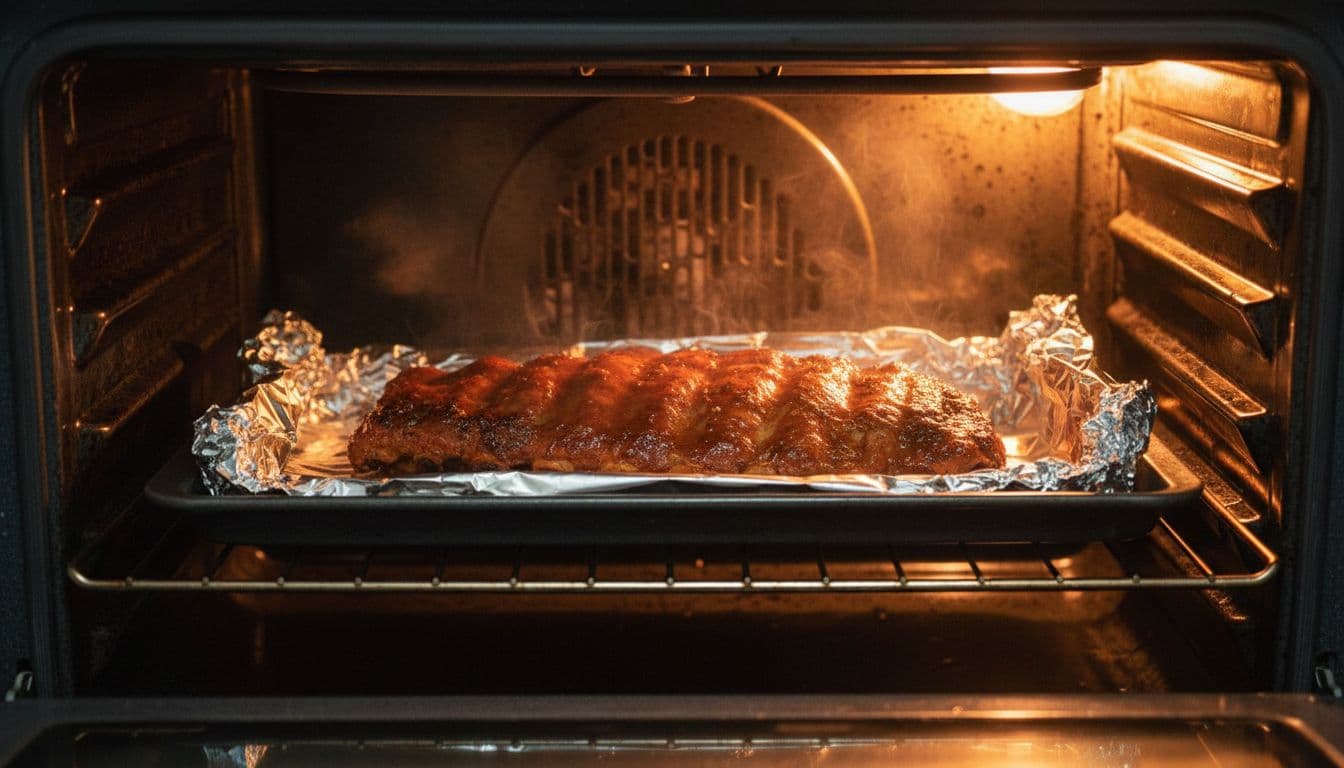
That gentle heat helps the meat stay moist, and the loose cover traps just enough steam. If the ribs already have plenty of sauce, you may not need much else. If they look dry, a little extra sauce does the trick.
The microwave is fine when time is tight, but use it as a backup. Reheat in short bursts and cover the ribs so they don’t dry out. Think low and gentle, not fast and blazing hot.
Simple sides that pair well with homemade rib sauce
Rich, sticky ribs need sides that balance the plate. Some should cool things down, while others should soak up every extra swipe of sauce. Keep it easy and family-style.
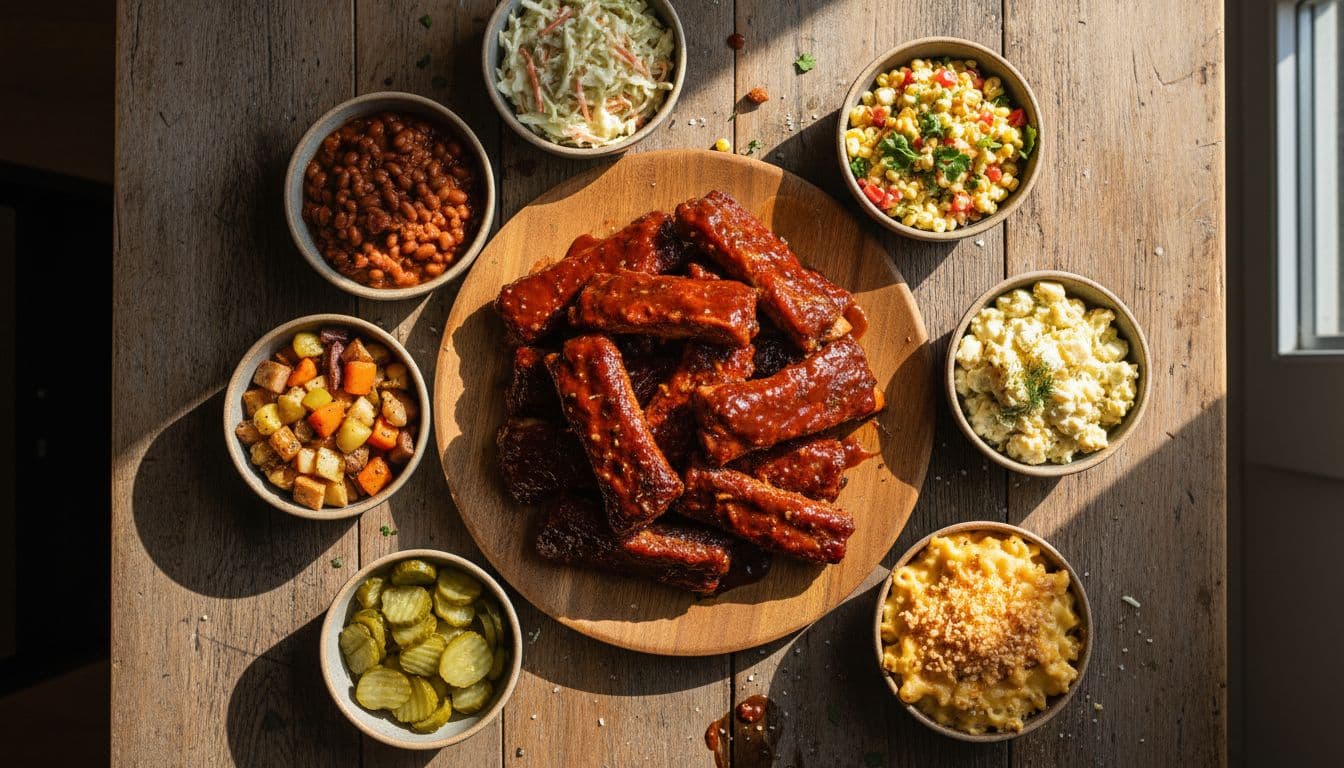
A few dependable choices work especially well:
- Baked beans add sweetness and make the meal feel like a cookout.
- Corn salad or slaw brings crunch and a fresh, bright contrast.
- Potato salad keeps things classic and filling.
- Mac and cheese makes the plate more kid-friendly and extra comforting.
- Roasted vegetables lighten up a heavy meal.
- Pickles cut through the richness in one bite.
If you’re feeding a crowd, pick one creamy side, one crisp side, and one warm side. That simple mix gives you a complete rib dinner without turning the kitchen into a mess.
Conclusion
A great back homemade baby back spare rib sauce recipe doesn’t need hard-to-find ingredients or fancy skills. It just needs balance. Keep the sweet, tangy, savory, and spicy notes in check, simmer the sauce until it turns glossy, and save the rib drippings if you have them because they add a richer, meatier finish.
Just as the post started with the idea that one sauce can work for both cuts, that’s still the best takeaway. Baby back ribs and spare ribs cook a little differently, but the same base sauce can fit both when you sauce near the end so the sugars don’t burn. That’s the simple move that gives you sticky, caramelized ribs instead of bitter sauce.
Start with this base recipe, then make it your own over time. Push it sweeter, tangier, smokier, or spicier, and you’ll have a homemade rib sauce you can trust every time.