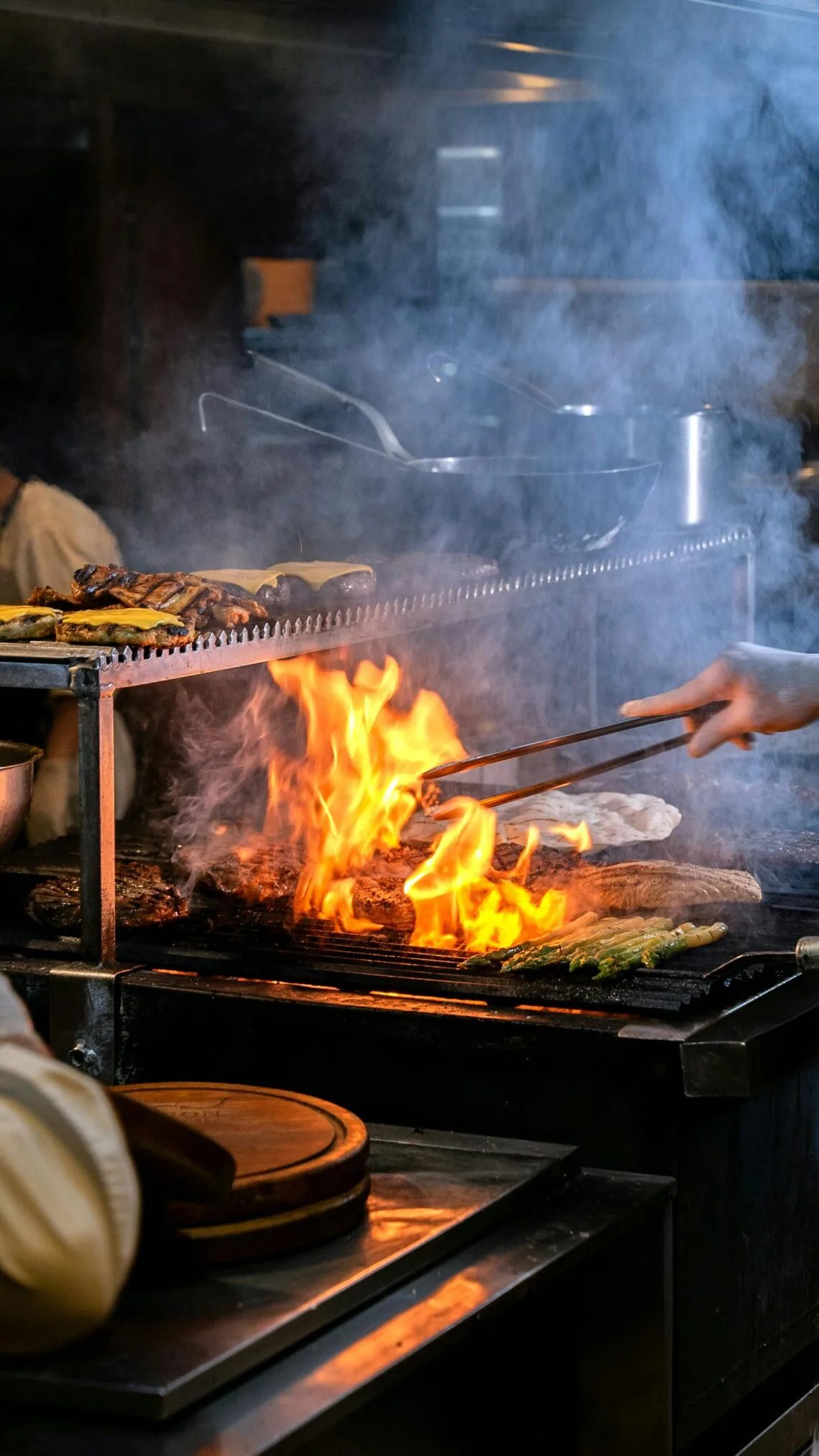
Grilled asparagus is one of the easiest and most flavorful vegetables you can make. With just a few simple ingredients and a hot grill, asparagus develops a smoky flavor, slightly crispy edges, and a tender bite that pairs well with almost any meal. Whether you’re grilling steaks, burgers, chicken, or fish, asparagus makes a healthy side dish that’s ready in minutes.
If you’ve ever wondered, How Long Does Asparagus Take to Cook on the Grill?, the short answer is 6 to 10 minutes, depending on the thickness of the stalks and the heat of your grill. Thin asparagus cooks much faster than thick asparagus, so knowing what to look for is just as important as watching the clock.
In this complete guide, you’ll learn exactly How Long Does Asparagus Take to Cook?, how to prepare asparagus for grilling, common mistakes to avoid, seasoning ideas, and tips for achieving perfectly grilled asparagus every time.
How Long Does Asparagus Take to Cook on the Grill?
The answer depends mainly on the thickness of your asparagus and the temperature of your grill.
Here’s a simple guide:
| Asparagus Size | Grill Temperature | Cooking Time |
|---|---|---|
| Thin Spears | 400–450°F | 5–7 minutes |
| Medium Spears | 400–450°F | 6–8 minutes |
| Thick Spears | 400–450°F | 8–10 minutes |
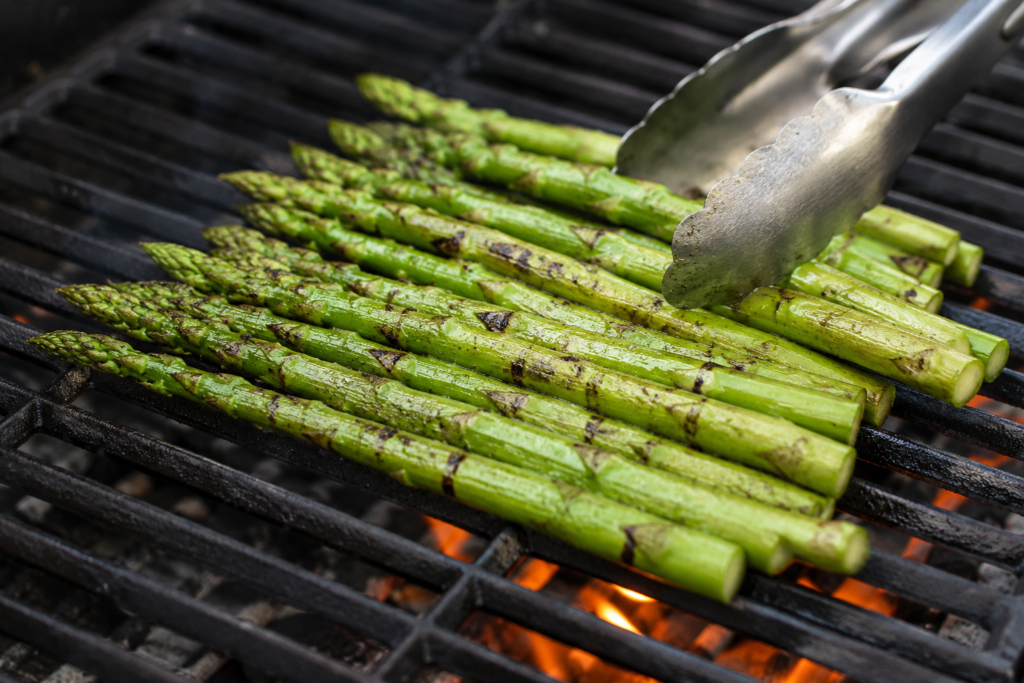
Turn the asparagus every couple of minutes so it cooks evenly and develops grill marks without burning.
When people ask, How Long Does Asparagus Take to Cook on the Grill?, medium-thick asparagus cooked over medium-high heat for about 7 minutes is usually the sweet spot.
Why Grill Asparagus taste so good?
Grilling enhances asparagus in ways that steaming or boiling simply can’t.
Benefits include:
- Smoky flavor
- Light charred edges
- Crisp-tender texture
- Quick cooking time
- Minimal cleanup
- Healthy cooking method
Unlike boiling, grilling doesn’t water down the natural flavor of asparagus.
Choosing the Best Asparagus
Fresh asparagus makes a huge difference.
Look for:
- Bright green stalks
- Firm spears
- Closed, tight tips
- Moist, freshly cut ends
- No wrinkles or slimy spots
Avoid asparagus that’s limp or has flowering tips, as these are signs it’s no longer fresh.
Thick vs. Thin Asparagus
Many people wonder whether thick or thin asparagus is better for grilling.
Thin Asparagus
Pros:
- Cooks quickly
- Slightly crisp texture
- Great for weeknight meals
Cons:
- Easier to overcook
- Can fall through grill grates
Thick Asparagus
Pros:
- Meatier texture
- Less likely to burn
- Better grill marks
Cons:
- Takes a few extra minutes
Both work well—the cooking time simply changes.
Preparing Asparagus Before Grilling
Preparation only takes a few minutes.
Step 1: Wash
Rinse under cold water to remove dirt.
Step 2: Dry
Pat completely dry with paper towels.
Dry asparagus browns much better than wet asparagus.
Step 3: Trim the Ends
Snap off the woody ends naturally or trim about 1–2 inches from the bottom with a knife.
Step 4: Season
Drizzle with:
- Olive oil
- Salt
- Black pepper
Toss until evenly coated.
That’s all you need for delicious grilled asparagus.
Grill Temperature
For best results, preheat your grill to:
400–450°F
This temperature allows asparagus to cook quickly without drying out.
If your grill is too hot (500°F+), the outside may burn before the inside becomes tender.
How Long Does Asparagus Take to Cook on the Grill Over Different Heat Levels?
High Heat (450–500°F)
Cooking time:
5–7 minutes
Produces darker grill marks but requires close attention.
Medium-High Heat (400–450°F)
Cooking time:
6–8 minutes
This is ideal for most grills.
Medium Heat (350–400°F)
Cooking time:
8–10 minutes
Gentler cooking with less risk of burning.
Signs Your Asparagus Is Done
Instead of relying only on the timer, look for these signs:
- Bright green color
- Light grill marks
- Tender when pierced with a fork
- Slight bend without becoming limp
- Crispy tips
Perfect asparagus should still have a slight bite.
How Often Should You Turn It?
Turn every:
2–3 minutes
This creates even grill marks while preventing one side from burning.
Using tongs makes turning quick and easy.
Should You Use Direct or Indirect Heat?
Direct heat works best.
Place asparagus directly over the flame for:
- Better browning
- More smoky flavor
- Faster cooking
If the grill flares up, move the asparagus briefly to a cooler section.
Preventing Asparagus from Falling Through the Grates
One of the biggest frustrations is losing asparagus between the grill grates.
Here are easy solutions:
- Lay stalks perpendicular to the grates.
- Use a grill basket.
- Place a grill mat over the grates.
- Thread several stalks onto skewers.
Any of these methods makes grilling much easier.
Best Seasonings for Grilled Asparagus
Simple seasoning lets asparagus shine.
Classic combination:
- Olive oil
- Kosher salt
- Fresh black pepper
Other excellent options include:
- Garlic powder
- Onion powder
- Lemon zest
- Parmesan cheese
- Crushed red pepper flakes
- Smoked paprika
- Italian seasoning
- Fresh herbs
Adding Lemon
Fresh lemon juice brightens the smoky flavor.
Add lemon:
- Immediately after grilling
- Just before serving
Avoid adding lemon before grilling because the acidity can affect browning.
Butter or Olive Oil?
Both work well.
Olive Oil
- Higher smoke point
- Crispy texture
- Healthier fats
Butter
- Rich flavor
- Great after grilling
- Can burn over high heat
Many cooks grill with olive oil and finish with melted butter.
Common Mistakes
Overcooking
The biggest mistake.
Overcooked asparagus becomes:
- Mushy
- Limp
- Stringy
Remove it as soon as it’s tender.
Not Drying the Spears
Wet asparagus steams instead of grills.
Always dry thoroughly.
Forgetting to Oil the Spears
A light coating of oil:
- Prevents sticking
- Improves browning
- Enhances flavor
Cooking Over Flames
Flare-ups can burn asparagus in seconds.
Keep an eye on your grill.
Can You Grill Frozen Asparagus?
Fresh asparagus is always the better choice.
Frozen asparagus tends to:
- Release extra moisture
- Become softer
- Lose some texture
If using frozen asparagus:
- Thaw completely
- Pat dry
- Grill 1–2 minutes longer
Can You Grill Asparagus in Foil?
Absolutely.
Foil creates a softer texture because the asparagus steams inside the packet.
Simply add:
- Olive oil
- Garlic
- Salt
- Pepper
Seal tightly and grill for:
10–15 minutes
Best Foods to Serve with Grilled Asparagus
Grilled asparagus pairs beautifully with:
- Ribeye steak
- Grilled chicken breasts
- Salmon
- Pork chops
- Shrimp
- Burgers
- Lamb chops
It also works well alongside baked potatoes, rice, quinoa, or pasta salads.
Storing Leftovers
Allow asparagus to cool completely.
Store in an airtight container for:
3–4 days
Reheat in:
- Air fryer
- Oven
- Skillet
Avoid microwaving too long, as it can become soft.
Can You Eat Grilled Asparagus Cold?
Yes. Asparagus can be very good on a hot summer day. Below you can find when cold asparasgus is indeed the best time to use it…
Cold grilled asparagus is excellent in:
- Pasta salad
- Green salads
- Grain bowls
- Wraps
- Omelets
Its smoky flavor often becomes even more pronounced after chilling.
Nutrition Benefits
Asparagus is packed with nutrients while remaining low in calories.
One serving contains:
- Fiber
- Vitamin K
- Vitamin C
- Folate
- Vitamin A
- Potassium
- Antioxidants
It’s naturally:
- Low carb
- Gluten-free
- Keto-friendly
- Vegetarian
- Vegan (without butter or cheese)
Frequently Asked Questions:
How Long Does Asparagus Take to Cook on the Grill?
Most asparagus cooks in 6–8 minutes over medium-high heat (400–450°F). Thick stalks may need up to 10 minutes, while thin stalks can be ready in about 5 minutes.
Should asparagus be crunchy?
It should be tender-crisp. The stalk should bend slightly while still offering a little resistance when bitten.
Do I need to blanch asparagus first?
No. Fresh asparagus grills perfectly without blanching.
Should I peel thick asparagus?
Usually not. Very thick stalks can be lightly peeled near the bottom if the skin feels especially tough.
Can I cook asparagus on a gas or charcoal grill?
Yes. Both work well. Charcoal adds a smokier flavor, while gas grills offer easier temperature control.
Final Thoughts on How Long Does Asparagus Take to Cook on the Grill
Knowing how long does asparagus take to cook on the grill is the key to serving perfectly tender, flavorful asparagus every time. In most cases, asparagus cooks in 4 to 10 minutes over medium-high heat, depending on the thickness of the spears. Thin stalks cook quickly, while thicker ones need a few extra minutes to become tender without losing their crisp texture.
The real secret is using fresh asparagus, lightly coating it with olive oil, seasoning it simply, and turning it every couple of minutes for even cooking. Watch for bright green color, light grill marks, and a fork-tender texture rather than relying on the clock alone.
Whether you’re serving grilled asparagus alongside steak, chicken, seafood, or enjoying it as a healthy side dish, these simple techniques will help you achieve delicious results every time. Now that you know how long does asparagus take to cook on the grill, fire up the grill, follow these tips, and enjoy perfectly grilled asparagus that’s packed with smoky flavor and ready in just minutes.