Seafood skills · Check the center
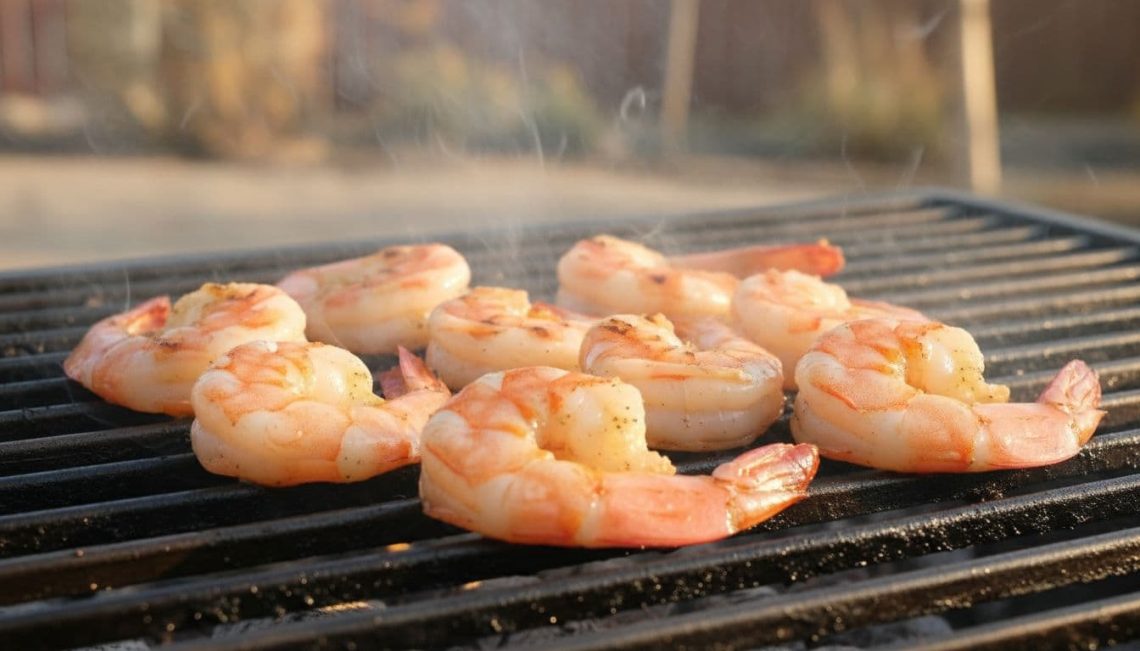
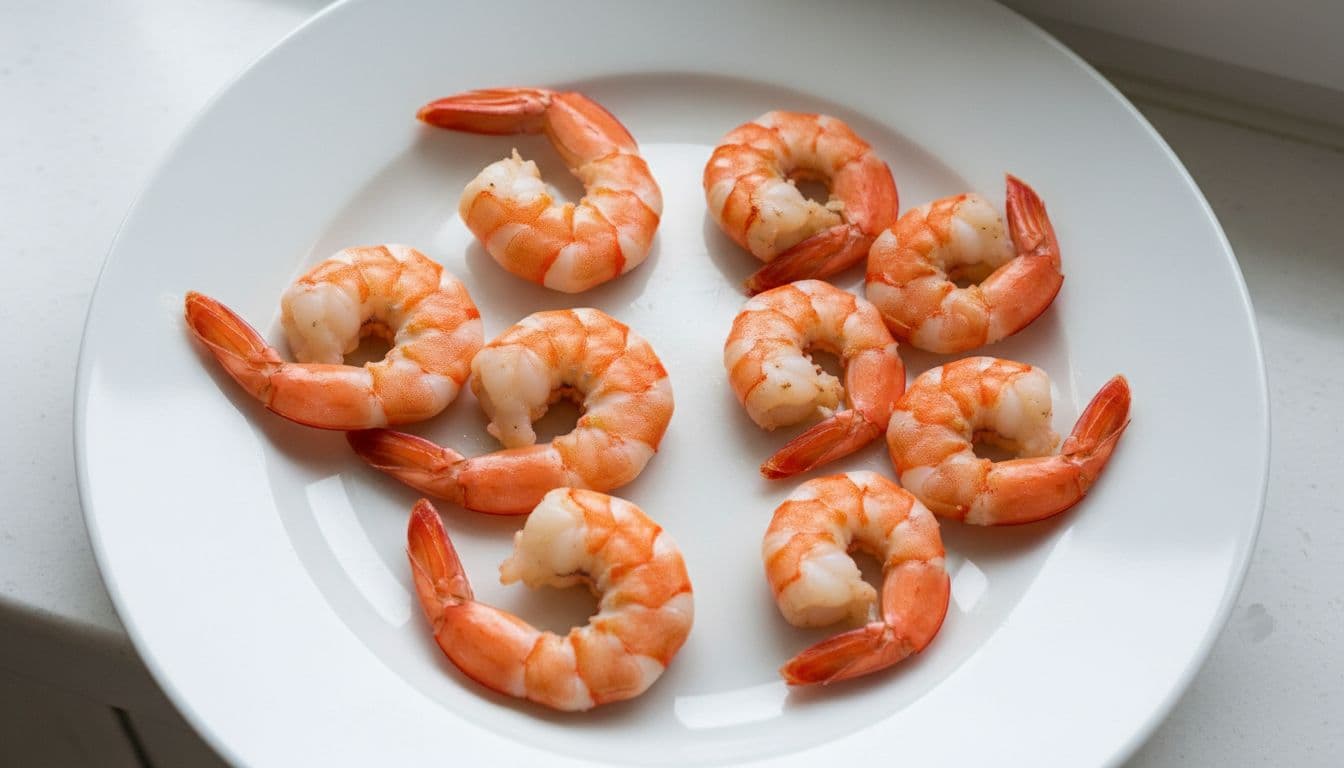
How to know when shrimp are done comes down to the thickest part of the flesh. Look for a firm, pearly, opaque center and use a fine-tip thermometer where the shrimp is large enough for an accurate reading. A pink exterior, browned edge, or curled shape is not enough on its own.
The FDA’s seafood guidance gives this general cooking temperature and describes cooked shrimp as firm, pearly, and opaque. Check several pieces when size or position in the pan varies.
How to know when shrimp are done in three checks
- Choose a thick piece. Start with one of the largest shrimp. Look beneath a shell, breading, or sauce that could hide the flesh. A smaller piece reaching its endpoint does not establish that every larger piece has finished.
- Measure where the probe fits. Insert a clean, fine-tip probe into the thickest part. Keep its sensing area inside the flesh and away from the hot pan. A shallow reading that mostly measures the surface can be misleading.
- Inspect the center when necessary. If the shrimp is too small for an accurate probe placement, cut into the thickest part. Firm, pearly, opaque flesh should extend through it. A slick or translucent middle needs more cooking before another check.
Watch the change from raw-looking flesh toward opacity rather than waiting for dramatic browning. Shrimp can be fully cooked without a dark crust. If you want color from sautéing, dry the surface and leave room in the pan, then still check the middle before serving.
Read the package before starting the timer
Choose raw shrimp for the skillet recipe below. Precooked frozen shrimp need the thawing or reheating treatment on their label, not another full cooking cycle for raw seafood. Breaded, stuffed, and heavily sauced products also need their own package directions.
The count on a bag is more useful than a size word alone: 21–25 per pound describes a narrower size range than a broad label such as “large.” Similar-size pieces make timing easier. If you have a mixed bag, separate noticeably smaller shrimp or plan to remove them before the largest ones.
For one layer of thawed shrimp around 21–25 per pound, allow roughly 4–6 minutes in the skillet, checking during cooking. This is a planning estimate. Pan temperature, shell removal, moisture, and starting temperature change the finish time. Multiple batches add to the total time at the stove.
Prepare for even cooking
Thaw frozen shrimp in the refrigerator, following the label. For a quicker method, use a leakproof bag in cold water and cook promptly after thawing. Do not leave seafood on the counter to thaw. Keep it chilled until preparation and clean surfaces and utensils that touched the raw shrimp.
For the basic skillet method, use one pound of peeled, deveined raw shrimp, one tablespoon olive oil, ¼ teaspoon fine salt, and ⅛ teaspoon black pepper. Lemon wedges are optional for serving. Adjust the salt downward if the product already contains added salt or seasoning.
Pat the shrimp dry with paper towels before seasoning. Wet surfaces release water into the pan and make it harder to sauté efficiently. Use a roomy skillet, about 12 inches across, and work in batches if the shrimp cannot sit in a single layer with some space around them.
A simple skillet method, step by step
- Thaw, prepare, and dry. Start with thawed raw shrimp, peeled and deveined. Pat them dry and arrange the cooking and serving utensils separately. The ten-minute preparation allowance assumes the shrimp is already thawed and peeled.
- Season lightly. Toss with the measured salt and pepper. Keep the lemon for serving so it does not add liquid to the skillet at the start. If you plan to add a salty finishing sauce, begin with less salt.
- Warm the skillet and oil. Heat the skillet over medium-high heat, following its manufacturer’s guidance. Add the tablespoon of oil. It should be hot enough for a gentle sizzle when shrimp enter, without smoking aggressively.
- Cook the first side. Place shrimp in one layer and cook about two minutes, checking earlier if the pan is very hot. Turn when the underside has cooked and releases readily. Reduce the heat if the outside browns much faster than the center changes.
- Turn and check the center. Cook the other side for about 1–3 minutes, then check the thickest pieces. Continue only as needed to reach the endpoint. Smaller pieces may finish sooner, so remove them separately rather than leaving them to catch up with the largest.
- Transfer and serve. Move cooked shrimp promptly to a clean plate or bowl. Finish with lemon, herbs, or prepared sauce. Do not leave underdone shrimp on the plate and assume a fixed amount of carryover cooking will finish them.
Use the same center check with other methods
| Method | What can distract you | A better check |
|---|---|---|
| Poaching or boiling | Floating shrimp | Lift out a large piece and check the thickest flesh. Drain finished shrimp promptly. |
| Grilling | Pink shells or char marks | Look beneath the exterior and measure the thickest portion when possible. |
| Oven or air fryer | Crisp edges | Inspect several pieces, especially where the tray or basket heats differently. |
| Soup, curry, or sauce | A coating that hides the flesh | Lift out a thick shrimp and move enough sauce aside to inspect its center. |
The skillet’s estimated cooking window is not a universal timer for these other methods. Follow a recipe designed for the appliance and product, then use doneness checks to decide when to stop. A full basket or crowded pan changes the conditions even when the temperature setting stays the same.
Fix the cooking problem you can still change
Brown outside, translucent inside
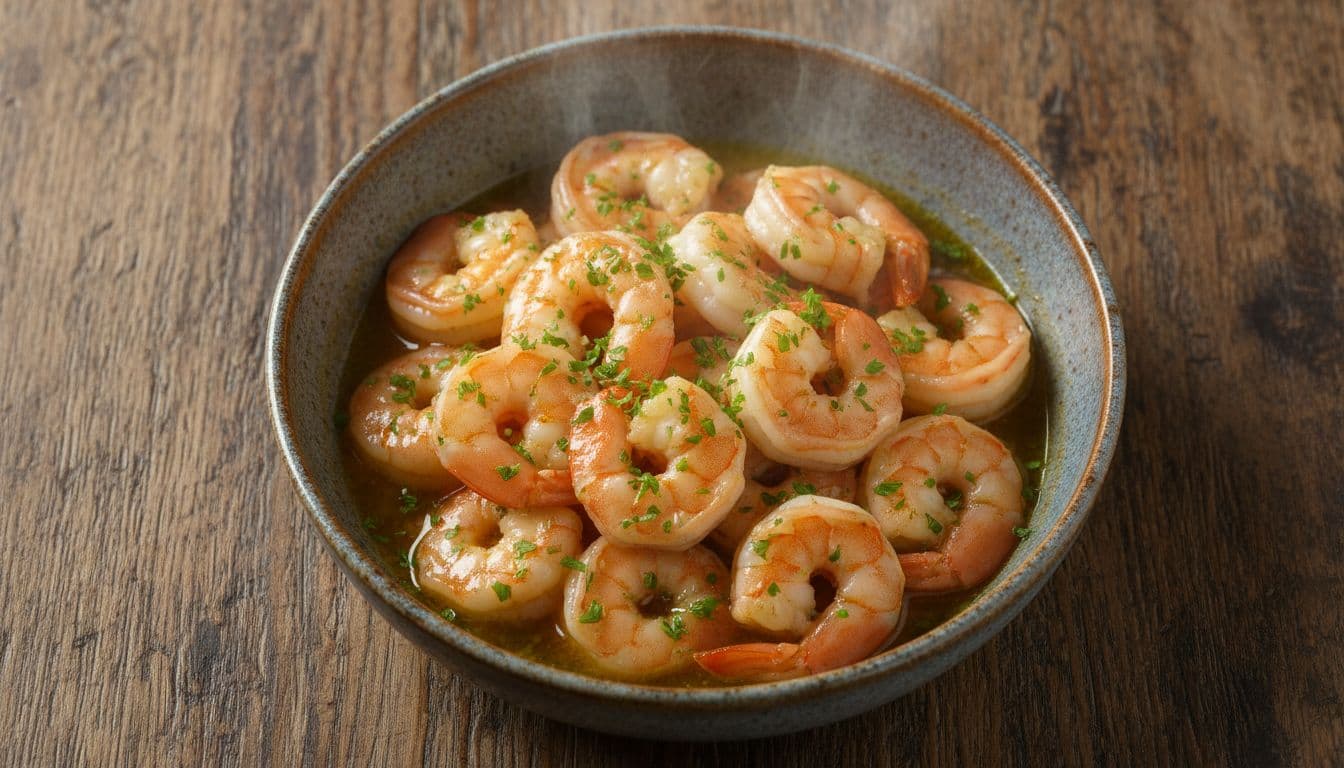
Lower the heat and continue cooking gently, checking again shortly. For the next batch, dry the shrimp thoroughly and avoid an excessively hot pan. Surface browning is not a reason to stop before the middle is ready.
Water pooling in the skillet
The shrimp may be wet, partly frozen, or crowded. Give the next batch more room and dry it well. Cook the current batch to its endpoint; waiting for every drop of pan liquid to evaporate can overcook the shrimp.
Tough, tight, or shrunken pieces
Added sauce can improve the eating experience but cannot reverse overcooking. Chop them for a dish that suits smaller pieces if desired. The useful change for next time is earlier checking and a prompt transfer out of the hot pan.
Choose a finish without adding more cooking
For a warm plate, make the lemon garlic butter sauce first and toss briefly off the heat. For chilled shrimp, serve cocktail sauce alongside. Keep the dipping portion separate from any sauce you plan to store.
Other shellfish need their own handling and timing. The scallop doneness guide covers thermometer placement and searing decisions for that different shape and texture.
Cool and reheat leftovers safely
Refrigerate cooked shrimp in shallow containers within two hours, or one hour above 90°F. Keep them at 40°F or below and use within 3–4 days. Reheat leftovers to 165°F, following USDA leftover guidance. Heat only the portion needed and stop promptly at the endpoint to limit drying.
For a cold dish, chill the cooked shrimp promptly rather than letting a large warm bowl sit out while you finish other preparations. Label the container so the original cooking date remains clear. Adding fresh sauce later does not restart the shrimp’s storage time.
Common doneness questions
Does a C shape mean cooked and an O shape mean overcooked?
Shape is not a dependable endpoint. Use the thickest flesh and an accurate temperature reading where possible. Different pieces can curl differently as they cook.
How do I check very small shrimp?
When a probe cannot sit properly in the flesh, open the thickest piece and inspect the center. Do not rely on a reading that mostly reflects the pan, air, or surface coating.
Can I use this timing for frozen shrimp?
No. The skillet recipe is written for thawed shrimp. Follow the package or a recipe specifically designed for cooking from frozen.
Why learn how to know when shrimp are done instead of using a timer?
A timer tells you when to check. Size, temperature, and crowding vary between batches, so the condition of the center tells you when to remove the shrimp.
Printable basic skillet shrimp
Use this measured method to practice the checks above. Keep the seasoning simple, then choose a finishing sauce at the table.
THE COMPLETE RECIPE
Basic Skillet Shrimp with Doneness Checks
Yield: 4 servings with sides
Ingredients
- 1 pound raw shrimp About 21–25 per pound; thawed, peeled, and deveined. Tails may stay on or be removed.
- 1 tablespoon olive oil
- 1/4 teaspoon fine salt Reduce if the shrimp or finishing sauce already contains added salt.
- 1/8 teaspoon black pepper
- 1/2 lemon Optional; cut into wedges for serving.
Equipment
- 1 large skillet About 12 inches; use batches if needed to avoid crowding.
- 1 tongs or spatula Keep raw-seafood utensils separate from clean serving utensils.
- 1 fine-tip instant-read thermometer For shrimp large enough to hold the sensing area in the flesh.
- 1 clean serving plate
Instructions
- Prepare and dry. Begin with thawed raw shrimp, peeled and deveined. Pat dry with paper towels. The preparation time assumes the shrimp is already thawed and peeled. Set out a clean serving plate.
- Season. Toss the shrimp with salt and pepper. Reserve lemon for serving, and reduce the salt if using a salty finishing sauce.
- Warm the pan. Heat a roomy skillet over medium-high heat according to its manufacturer’s guidance. Add the olive oil. Avoid letting the oil smoke aggressively.
- Cook the first side. Place shrimp in one layer with space around them. Cook about 2 minutes, checking earlier in a very hot pan, then turn when the underside has cooked and releases readily. Work in batches if crowded.
- Check after turning. Cook the second side about 1–3 minutes, then check the thickest pieces. Continue only as needed to reach 145°F with a fine-tip probe correctly positioned in the flesh. If a probe cannot fit accurately, open a thick piece and check for firm, pearly, opaque flesh throughout. A translucent center needs more cooking. Remove smaller finished pieces separately.
- Transfer and serve. Move finished shrimp promptly to the clean serving plate. Add optional lemon or prepared sauce and serve. Do not rely on a fixed amount of carryover cooking to finish underdone shrimp.
Notes
Rate This Recipe
Made this recipe? Choose a star rating in the comment form and share how it turned out. Your cooking time and any ingredient changes can help the next reader.
Rate This Recipe