
Meatloaf & brown gravy
This recipe for meatloaf with brown gravy uses 1½ pounds of ground meat and makes about 2 cups of gravy. Soak the crumbs, mix gently, and check the center for 160°F before resting and slicing. The gravy comes together while the meatloaf rests.
What you need for the best meatloaf with brown gravy
A good homemade meatloaf doesn’t need a long shopping list. It needs the right mix of fat, binder, and seasoning, plus a brown gravy that tastes as if it had simmered much longer than it did.
Here’s the basic ingredient lineup for an oven-baked loaf and gravy that pair well together:

Meatloaf ingredients — 6 servings
- 1½ pounds 80/20 ground beef, or 1 pound beef plus ½ pound ground pork
- 1 cup plain breadcrumbs
- ½ cup milk
- 2 large eggs
- 1 small onion, finely chopped
- 2 garlic cloves, minced
- 1 tablespoon Worcestershire sauce
- 1 teaspoon kosher salt
- ½ teaspoon black pepper
- 1 teaspoon dried parsley
Brown gravy ingredients — about 2 cups
- 2 tablespoons butter
- 2 tablespoons all-purpose flour
- 2 cups beef broth, preferably reduced-sodium
- 1 teaspoon Worcestershire sauce
- ½ teaspoon onion powder
- Salt and black pepper, added to taste after simmering
That short list does a lot of work. Each item has a job, so if one is missing, the texture or flavor usually gives it away.
Best meat choices and the simple add-ins that keep meatloaf moist
For the best texture, use 80/20 ground beef. That fat level provides the loaf with enough moisture without making it greasy. If you like a softer bite, mix beef with pork. A beef-and-pork blend adds more flavor and a tender texture.
Breadcrumbs and milk act like a sponge. Together, they retain moisture in the loaf as it bakes. Eggs bind everything, so the slices stay neat instead of falling apart. Onion, garlic, and Worcestershire sauce bring depth without making the meatloaf taste busy.
Keep the onion finely chopped. Large pieces can make the loaf split or feel loose. If you want an even softer texture, sauté the onion for a few minutes before adding it.
Brown gravy ingredients that build deep flavor fast
Brown gravy sounds fancy, but it’s built on a plain idea. Fat and flour make a roux, then broth turns that roux into gravy. Butter works well, although a spoonful of meat drippings adds even more flavor.
Beef broth gives the gravy its body. Worcestershire sauce and onion powder add a darker, meatier note in minutes. The finished gravy should be smooth, savory, and thick enough to coat the back of a spoon but still pourable over slices.
How to make meatloaf with brown gravy, step by step
- Prepare the oven and binder. Heat the oven to 350°F. Soak 1 cup breadcrumbs in ½ cup milk for 5 minutes. Stir in 2 eggs, the onion and garlic, 1 tablespoon Worcestershire sauce, 1 teaspoon kosher salt, ½ teaspoon pepper, and 1 teaspoon parsley.
- Mix gently. Add 1½ pounds ground beef, or the listed beef-and-pork blend. Mix with clean hands or a fork only until combined. If sautéing the onion first, let it cool before mixing it with the raw meat.
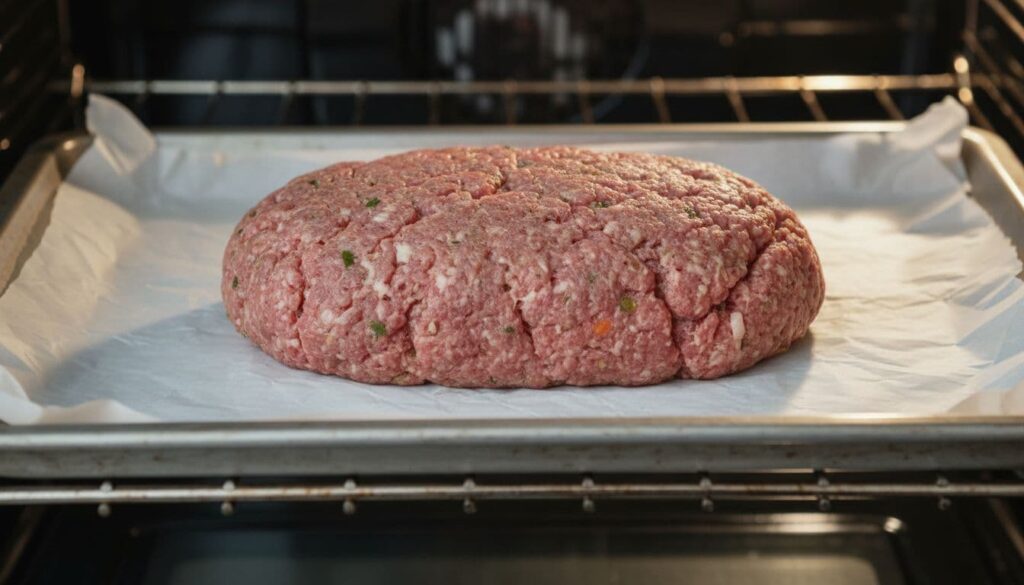
- Shape evenly. Make a loaf about 8 inches long and 4–5 inches wide. Use a loaf pan or a parchment-lined rimmed sheet pan that can contain rendered fat. Keep the middle close to the same thickness as the ends.
- Bake and measure. Allow about 50–65 minutes, checking before the estimate ends. Insert a thermometer into the thickest center, away from the pan. Beef or beef-and-pork meatloaf needs 160°F; any poultry version needs 165°F. Check a second central spot.
- Rest the loaf. Once the meat reaches its target, move it off the heat and rest for 10 minutes before slicing. Safely drain excess fat if needed; use a clean board or serving plate.
- Start the gravy. Melt 2 tablespoons butter over medium heat. Whisk in 2 tablespoons flour and cook about 1 minute, stirring. You may substitute 2 tablespoons fat separated from fully cooked meatloaf drippings for the butter; reserve the liquid juices separately.
- Simmer and adjust. Gradually whisk in 2 cups reduced-sodium beef broth, then 1 teaspoon Worcestershire sauce and ½ teaspoon onion powder. Simmer 3–5 minutes, stirring, until pourable and thick enough to coat a spoon. Add broth to loosen, or simmer a little longer to thicken. Taste before adding salt and pepper.
- Slice and serve. Cut the rested loaf into portions and spoon over the gravy. Refrigerate leftovers promptly rather than leaving the dish on the table.
Use the federal minimum-temperature chart to check ground-meat and leftover targets. The cooking time is a planning estimate.
Easy tips to keep your meatloaf juicy and your gravy smooth
Small choices make a big difference here. Most meatloaf trouble comes from either too much handling, too much cooking, or an imbalance in the mix.
Common meatloaf mistakes and how to fix them
Dry meatloaf often starts with meat that’s too lean or a baking time that’s too long. Use 80/20 beef if you can, and pull the loaf at 160°F. The thermometer saves more dinners than guesswork ever will.
Crumbly slices usually point to not enough binder, or slicing before the loaf rests. Breadcrumbs, milk, and eggs all help the loaf stay together. If your mixture looks loose before baking, let it sit for 5 minutes so the crumbs can absorb moisture.
A greasy texture comes from too much fat collecting around the loaf. That’s why a free-form loaf on a sheet pan works well. If you use a loaf pan, drain off the excess fat once the loaf is done.
Bland flavor is often a seasoning issue, not a meat issue. Salt matters. So do onion, garlic, and Worcestershire. Meatloaf needs enough seasoning because breadcrumbs and eggs mellow the flavor as it cooks.
Why does gravy turn lumpy, thin, or too salty?
Lumps usually form when the broth hits the roux too quickly. Add the liquid slowly and whisk continuously. Warm broth helps, too, because it blends into the roux more easily than cold broth.
Thin gravy often needs only another minute or two of simmering. Keep the heat at a gentle bubble, not a hard boil. On the other hand, if it turns too thick, whisk in broth a little at a time until it loosens.
Too much salt can sneak in when you use a salty broth and season early. Taste near the end. If it still tastes sharp, add a splash of unsalted broth or water to balance it.
Serving ideas, storage tips, and easy recipe swaps
Once the meatloaf and brown gravy are ready, the rest is easy. This is the kind of meal that plays well with both classic sides and smart leftovers.

What to serve with meatloaf and brown gravy for a full dinner
Mashed potatoes are the natural match because they catch every bit of gravy. Green beans, roasted carrots, and buttered corn fit right in, too. For a lighter plate, add steamed broccoli, a simple salad, or roasted asparagus with Parmesan.
The best side is often the one that soaks up the gravy. That’s why potatoes keep winning.
How to store, reheat, and freeze leftovers without drying them out
Refrigerate leftovers within 2 hours, or 1 hour above 90°F. Store meatloaf and gravy in shallow containers at 40°F or below and use within 3–4 days. The ground beef storage guide distinguishes raw-meat and cooked-leftover limits.
For freezing, wrap slices tightly and freeze for up to 3 months for best quality. Freeze extra gravy in a small container alongside it if you can. To reheat, place slices in a baking dish with a spoonful or two of gravy, cover, and warm at 325°F until the center reaches 165°F. The microwave works too, but lower power, even spacing, and extra gravy help the meat heat evenly without drying.
Simple swaps for breadcrumbs, seasonings, and meat blends
No breadcrumbs? Use crushed crackers, panko, or quick oats. Panko makes a slightly lighter loaf, while cracker crumbs add a bit more salt and richness. If you swap oats, let the mixture rest for a few minutes before shaping so they can soften.
For the meat, a beef-and-pork blend works well. Ground turkey can also work if you add a little extra moisture, but a poultry loaf must reach 165°F rather than the 160°F target used for ground beef and pork. Keep the same binder ratio so the loaf holds together. Dried thyme, smoked paprika, or a pinch of mustard powder can adjust the flavor without changing the basic method.
This meatloaf works because the basics are solid, not because the recipe is fussy. Good fat content, gentle mixing, and the right internal temperature give you a loaf that slices clean and stays juicy.
Add the rich brown gravy, and it turns into the kind of dinner people remember. Make it on a weeknight, serve it on Sunday, and keep the thermometer close, because that small step makes this family favorite dependable every time.