Smoked salmon fans already know the problem: it disappears fast, and it’s too easy to fall back on the same bagel every time. This guide rounds up the best smoked salmon recipes, from five-minute no-cook favorites to hot-smoked plates that feel like a weekend project (without being hard).
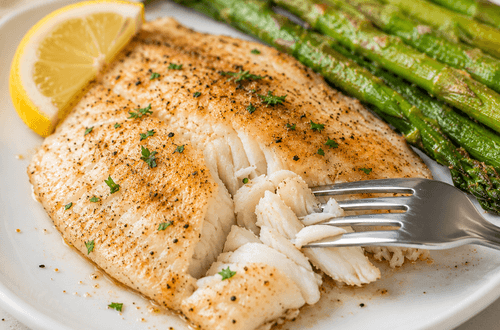
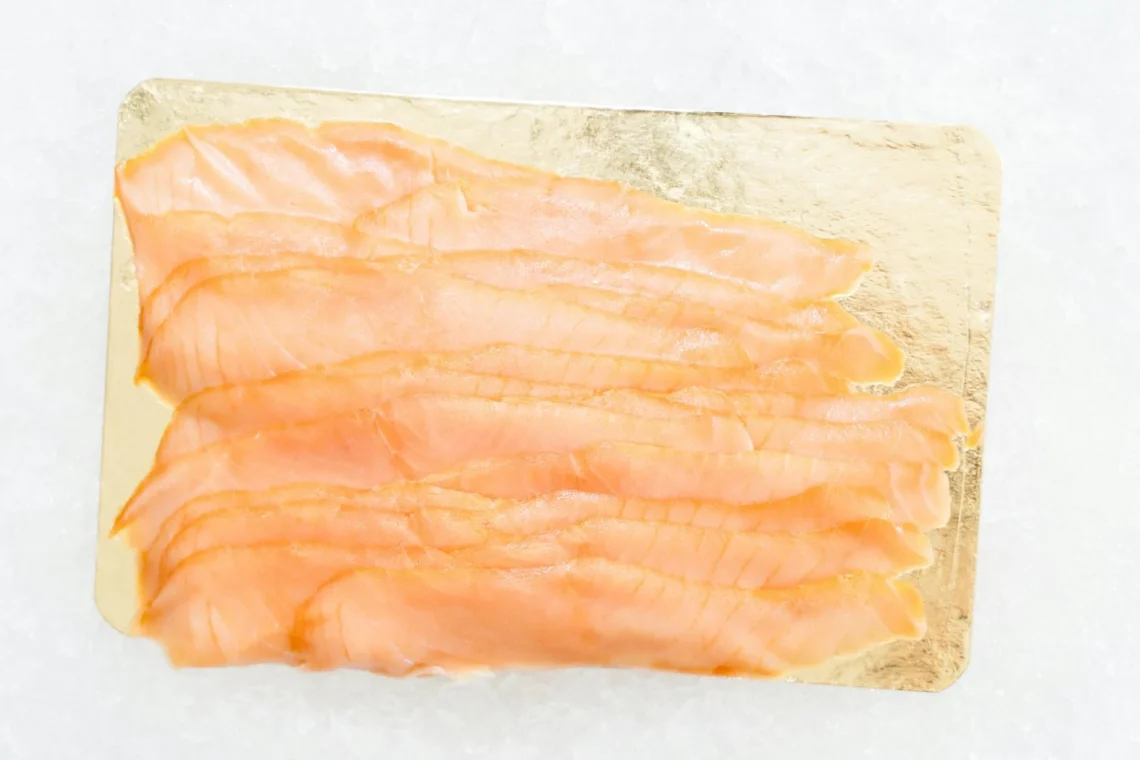
First, a quick note on the two main styles because they cook and eat differently. Cold-smoked salmon (lox-style) stays silky and sliceable, so it shines in bagels, dips, and small bites where texture matters. Hot-smoked salmon cooks through at a higher heat and turns flaky, which makes it perfect for pastas, salads, brunch bakes, and easy dinners.
Most of the recipes here are beginner-friendly, and many can be prepped ahead for brunch spreads or party platters. Expect the classic flavor pattern that always works, smoke plus something bright to balance the richness (think lemon, a splash of vinegar, capers, and plenty of fresh herbs).
If you’ve got a smoker or pellet grill, you’ll also see simple methods that focus on temperature and texture, not guesswork. Either way, you’ll end up with options that fit a Tuesday night, and ones that can carry a holiday table.
Start with the right smoked salmon (it makes every recipe taste better)
The best smoked salmon recipes don’t start with cream cheese or capers; they start with the fish. Pick the right style and quality first, and everything else gets easier, from clean slices on a bagel to rich flakes folded into eggs.
A quick mindset shift helps: cold-smoked is for slicing and serving cold, while hot-smoked is for flaking and mixing into dishes. Once you match the salmon to the job, your brunch spreads taste more put-together with almost no extra work.
Cold-smoked vs hot-smoked, which one should you use?
Cold-smoked salmon (often called lox-style) is cured, then smoked at low heat so it stays silky, glossy, and sliceable. It tastes gently smoky, and it eats more like a cured seafood than a cooked fillet. Because it’s so tender, treat it like a finishing ingredient.
Best uses for cold-smoked salmon:
- Bagels and bialys: Thin slices draped over cream cheese, then topped with capers, red onion, and dill.
- Boards and platters: Smoked salmon boards with cucumbers, tomatoes, soft herbs, and crackers.
- Quick appetizers: Cucumber rounds, endive leaves, or crostini with lemon and chives.
- Simple salads: Add at the end, after dressing, so the slices stay intact.
- No-cook dips: Fold into a creamy spread right before serving for the cleanest texture.
Hot-smoked salmon is brined, then smoked at a higher heat, typically in the low-to-mid 200s F, so it cooks as it smokes. The result is firmer and flakier, like roasted salmon, but with a deeper smoke flavor because the hotter fire produces more smoke. It’s the best choice when you want salmon to act like a protein, not a garnish.
Best uses for hot-smoked salmon:
- Rice bowls and grain bowls: Big flakes over rice with cucumbers, pickled onions, and a quick sauce.
- Eggs and brunch dishes: Scrambles, omelets, frittatas, and breakfast tacos.
- Salads that need substance: Caesar-style salad, potato salad, lentil salads.
- Warm pasta and creamy bakes: Stir in at the end so it stays juicy.
- Chowders and soups: Add near the end to keep the pieces tender.
If you want strong smoke and hearty bites, choose hot-smoked. If you want silky slices, choose cold-smoked.
What to look for when buying salmon for smoking or ready-to-eat smoked salmon
Whether you’re buying ready-to-eat smoked salmon or a fresh side to smoke at home, trust your senses. Good salmon looks alive, not tired.
At the counter (or after thawing previously frozen fish), look for:
- Firm, springy flesh that holds its shape.
- A glossy, moist surface (not dry edges).
- A clean ocean smell (briny is fine, sharp fishiness is not).
- No torn spots, gaps, or mushy areas, which can signal rough handling or age.
Previously frozen can still be excellent, especially for wild salmon that gets frozen quickly after harvest. What matters most is how it looks and smells once it’s fully thawed in the fridge.
If you plan to smoke salmon at home, fat is your friend. Fattier fish stays moist longer and pairs better with smoke, which is why farm-raised Atlantic salmon is such a reliable choice for beginners. For a splurge, wild king (chinook) brings rich flavor and a buttery texture that smokes beautifully. Prefer a leaner profile? Sockeye works too, but it can dry out faster, so cook it a little more gently and pull it sooner.

Make-ahead and storage basics so you do not waste a bite
Smoked salmon disappears quickly, but leftovers happen, especially after brunch. Store it right, and it stays snack-worthy.
Use these simple rules:
- Refrigerate fast, then keep it in an airtight container (or wrapped tightly).
- For the best quality, plan to finish leftovers within a few days once opened.
- For longer storage, freeze in tight portions (wrap well, then place in a freezer bag). Thaw overnight in the fridge for the best texture.
Cold-smoked salmon is pickier about serving temperature. Keep it chilled until the moment you plate it, otherwise it turns soft and loses that silky bite. Hot-smoked salmon is more forgiving, but it still tastes best when it stays cold until you rewarm it gently.
Food safety is simple here: keep salmon cold, keep hands and boards clean, and don’t let it sit out for long. Toss it if you notice any of the following:
- A strong sour or overly fishy odor
- A slimy or tacky feel that wasn’t there before
- Dull discoloration (gray-brown patches or an overall muddy look)
When the fish is great, you don’t need to overthink the recipe. You just need to pick the right smoked salmon for how you plan to eat it.
Must-see classics: easy smoked salmon recipes that never fail
Some of the best smoked salmon recipes are the ones you can throw together with store-bought smoked salmon and a few smart add-ons. They work because they follow the same winning pattern every time: rich salmon plus something creamy, something sharp (usually lemon or capers), and something crisp for contrast.
These three classics cover bagels, brunch spreads, and quick appetizers. Keep the salmon chilled until serving, and you’ll keep that clean flavor and great texture.
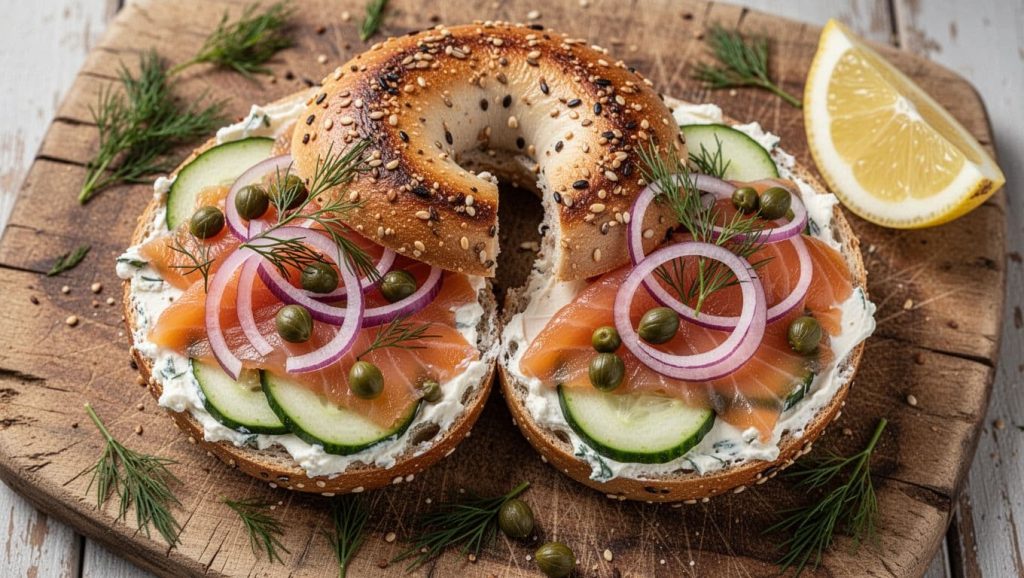
The ultimate smoked salmon bagel (with a few smart upgrades)

This is the bagel order you dream about: salty-smoky salmon, cool cream cheese, pops of caper brine, and a fresh crunch from cucumber and onion. It tastes like brunch at a great deli, but you control the balance, so it never turns into a salt bomb.
It works because each layer does a job. The toasted bagel brings warmth and bite, while the cold salmon stays silky. Meanwhile, lemon and capers cut through the fat, so every bite feels light enough to keep going.
High-level build (classic and reliable):
- Toasted bagel (plain, sesame, or everything)
- Cream cheese
- Smoked salmon (cold-smoked for those silky slices)
- Capers, thin red onion, fresh dill
- Cucumber ribbons (or thin rounds)
- Lemon wedge for a squeeze right before eating
Smart upgrades that actually taste better (not just busier):
- Whipped lemon-zest cream cheese: Whip cream cheese with lemon zest and a small squeeze of lemon until airy. It spreads more easily and tastes brighter.
- Pickled onions instead of raw: You still get onion snap, but with less bite and more tang.
- Everything seasoning swap: Use a plain bagel and add everything seasoning on the cream cheese. It keeps the topping even.
- Add sliced tomato: It adds sweetness and juiciness, especially with salt-forward salmon.
Hosting tip: Set up a DIY bagel bar with toppings in small bowls, and keep the salmon on a chilled plate. Toast bagels in batches, then let them cool for a minute so the cream cheese doesn’t melt and the salmon stays cold.
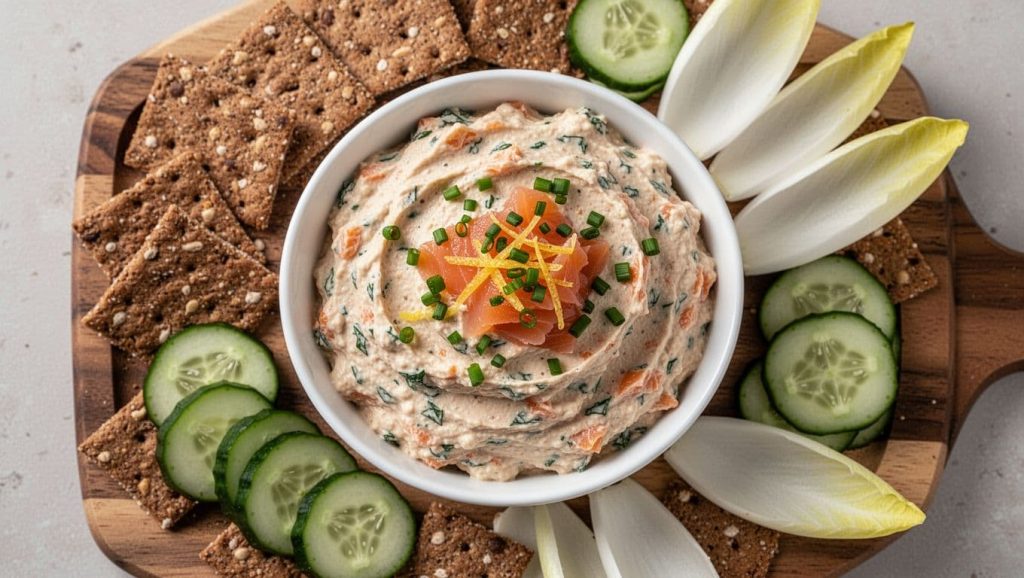
Smoked salmon cream cheese dip that disappears fast

This dip tastes like a lox bagel turned into a party snack. You get creamy richness up front, then smoky fish, then a bright lemony finish. Add black pepper and herbs, and it starts to feel like something you’d pay for on a board.
It works because smoked salmon already brings smoke and seasoning, so you only need a few boosters. Also, cream cheese grabs onto flavor, so even small amounts of lemon, dill, or horseradish show up.
Two easy styles (pick your texture):
- Chunky (folded flakes): Chop or flake smoked salmon, then fold it into softened cream cheese. You get little hits of salmon in every scoop.
- Smooth (blended): Blend cream cheese with smoked salmon until silky. This spreads like a fancy schmear and pipes well for appetizers.
Short ingredient list (base + boosters):
- Cream cheese (softened)
- Smoked salmon (cold-smoked for silky dip, or hot-smoked for flakier texture)
- Lemon juice (start small, then adjust)
- Chives or dill
- Freshly ground black pepper
Optional: a small spoon of prepared horseradish or Dijon for bite
Upgrade idea: Stir in a spoonful of capers (or a tiny splash of caper brine). It adds that bagel-shop tang without extra work.
Serving ideas that look good and eat even better: crackers, rye bread triangles, cucumber rounds, and endive leaves (great for a cleaner, crisp bite).
Make-ahead guidance: Mix it a few hours ahead so the flavors settle, then cover and chill. Wait to add delicate herbs on top until right before serving, so they stay bright.
Smoked salmon tartare that looks fancy but takes minutes

This one tastes bright, clean, and a little briny, like a smoked salmon salad without the heaviness. The small dice makes it feel polished, and the lemon zest adds a fresh pop that keeps the smoke from feeling too deep.
It works because cold-smoked salmon is already tender and sliceable, so it turns into tartare with nothing more than a quick chop. The key is balance. Smoked salmon can be salty, so you want more citrus and herbs, not more salt.
Short ingredient list (keep it tight):
- Cold-smoked salmon, diced small
- Capers, chopped
- Lemon zest (plus a small squeeze of juice)
- Minced red onion or shallot
- Fresh herbs (dill, chives, or parsley)
- Black pepper
Optional: a drizzle of olive oil for a rounder finish
Upgrade idea: Add finely diced cucumber or a few micro-diced pickles. It gives extra crunch, and it stretches the tartare without diluting the flavor.
Plating ideas that feel restaurant-level but stay easy:
- Spoon onto cucumber slices for a crisp, gluten-free bite
- Pile on toast points or crostini
- Serve alongside a small watercress or arugula salad with lemon dressing, then top with a quenelle-style scoop
Keep it safe and great tasting: Use very fresh smoked salmon, keep everything chilled, and serve it soon after mixing. Warm tartare goes soft fast, and the flavor turns muddled.
Big flavor party bites and 2026 trends people are making right now
If you’re building a snack board or planning a brunch crowd, the 2026 vibe is clear: bigger flavors, smaller bites. People want smoke plus heat, sweet glazes that shine, and crunchy bases that keep things fun and hand-held.
These ideas also play nicely with the “use what you have” approach. Cold-smoked salmon stays silky and pretty on top of things, while hot-smoked salmon flakes into spreads and toppings. Either way, these are the kind of best smoked salmon recipes that disappear before you can refill the crackers.
Chili crisp smoked salmon mousse, a spicy modern appetizer

Chili crisp plus smoked salmon makes sense for parties because it hits three notes at once: smoke, creamy richness, and crunchy heat. The mousse style is also forgiving. It spreads cleanly, pipes onto crostini if you want it fancy, and looks sharp on a board with lemon wedges and herbs.
The base is simple and flexible. Start with smoked salmon (hot-smoked flakes easily, but cold-smoked works too), then blend or mash with:
- Cream cheese for the body
- A little mayo or Greek yogurt for a lighter, smoother texture
- Lemon juice and zest for brightness
- Chili crisp for heat and that oily, toasty finish
- Fresh herbs like dill, chives, or parsley
Want it to hold a clean shape for a buffet table? Use a small amount of gelatin to set it firmer, so you can slice or scoop neat quenelles. Chill it uncovered for a bit before serving so the top tightens up and the flavor lands.
Serving ideas stay classic, but the flavor feels new:
- Crackers or rye crisps for crunch
- Cucumber rounds for a cold, crisp bite
- Mini toasts for the “tiny open-faced sandwich” effect
Quick party fix: if the mousse tastes flat, it usually needs more lemon or a pinch of black pepper, not more salt.
Honey or maple glazed smoked salmon bites for sweet-smoky fans

Sweet glaze on smoked salmon is having a moment because it fixes the one thing that can make smoked fish feel heavy: too much salt-on-salt. A thin layer of honey or maple adds a glossy finish and turns the smoke into something cozy and snackable, like barbecue’s seafood cousin.
You’ve got a few strong directions, depending on what you’re serving:
- Honey-Dijon brush: honey, Dijon, lemon, black pepper (tangy, sharp, sweet)
- Maple-soy brush: maple syrup, soy sauce, a touch of garlic (sweet, savory, a little sticky)
- Brown sugar spice-rub vibe: brown sugar plus paprika and garlic (more “smokehouse”)
These work best with hot-smoked salmon, or thick chunks of salmon you smoked yourself, because the fish stays sturdy. If you’re smoking at home, a quick dry cure (salt plus a little sugar) helps firm the fish. Drying the surface until it feels tacky also helps smoke cling better, which gives you deeper flavor before the glaze even goes on.
Serve them like party candy, but with balance:
- Skewer salmon chunks with pickle chips and a citrus half-moon
- Stack on crostini with a swipe of cream cheese or whipped ricotta
- Pile onto a snack board with pickles, mustard, and orange or grapefruit slices
Make-ahead tip: glaze the salmon bites up to a day ahead, then chill. Right before serving, bring them closer to room temp so the glaze softens and tastes fuller.
Smoked salmon tostadas with a bright fruit salsa

This is the party bite for people who want fresh and punchy, not rich and heavy. You get crunch from the tostada, a creamy layer to “glue” everything down, smoky salmon, then juicy fruit that wakes up the whole bite.
A simple build keeps it fast:
- Crisp tostadas or thick tortilla chips (choose sturdy ones)
- A layer of refried beans, smashed avocado, or a thin cream cheese spread
- Smoked salmon (flaked hot-smoked, or torn cold-smoked pieces)
- Pineapple-avocado salsa or mango-cucumber salsa
- Finish with lime and cilantro
Heat swaps are easy, so you can match your crowd. Add minced jalapeño for clean spice, or use chili flakes for a quick kick. If you already love chili crisp, a tiny drizzle on top tastes great, but don’t overdo it.
One small trick makes these taste like you planned them: add the acid at the end. Squeeze lime right before serving, so the fruit stays bright and the salmon still tastes smoky, not muddled.
Brunch and breakfast smoked salmon recipes that feel special
If you want brunch to feel like a treat without turning your kitchen into a disaster zone, smoked salmon is your shortcut. It brings salt, smoke, and richness, so you can keep the ingredient list tight and still land a plate that feels restaurant-worthy.
These are three of my favorite weekend-friendly picks from the best smoked salmon recipes playbook. Each one leans on the same smart balance, creamy eggs or cheese, something bright (lemon is the MVP), and a little crunch or herb freshness to keep bites lively.
Smoked salmon and avocado baked eggs (fast, filling, low mess)

This is the kind of breakfast that looks fancy but cooks like a simple sheet-pan snack. You halve an avocado, scoop a little extra out so the egg fits, crack in an egg, then bake until the white sets. After that, you top it with smoked salmon so it stays silky and doesn’t dry out.
Best smoked salmon to use: Cold-smoked for soft, buttery slices on top. If you only have hot-smoked, flake it on after baking so it warms gently.
Timing stays easy:
- Prep: 5 minutes
- Bake: about 12 to 18 minutes, depending on egg size and how runny you like the yolk
For doneness, don’t overthink it. Use the egg white as your cue. When the white looks set (not jiggly and clear), the yolk is usually still a little soft.
A few add-ons make it feel complete without extra work:
- A squeeze of lemon right before serving (it wakes everything up)
- Chives or dill for a clean onion-herb bite
- Everything seasoning for crunch and salt
- A few drops of hot sauce if you like heat with your smoke
Busy-reader shortcut: Bake the eggs in a muffin tin (or ramekins), then serve with avocado and smoked salmon on top. Same vibe, less wobble.
If the avocado half tips over, crumple a small ring of foil and nest it under the avocado like a stand.
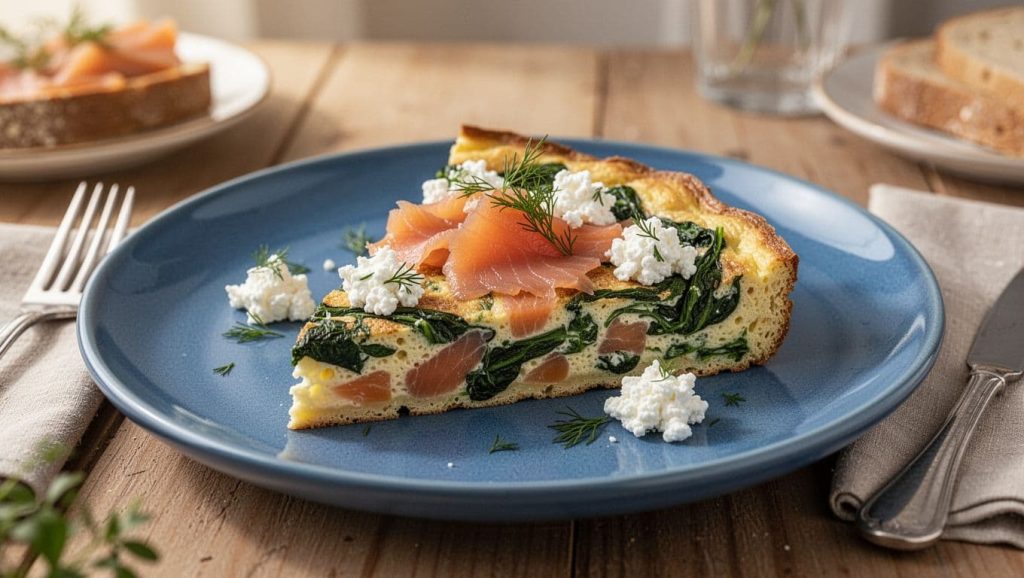
Smoked salmon frittata with greens and cottage cheese

A smoked salmon frittata does three things you want on a weekend: it feeds more than two people, it slices cleanly, and it tastes great warm or cold. Cottage cheese is the quiet hero here because it boosts protein and keeps the eggs tender, not rubbery.
Best smoked salmon to use: Hot-smoked is ideal because it flakes easily and acts like a true protein in the eggs. Cold-smoked works too, but chop it and fold it in near the end so it doesn’t disappear.
Keep the ingredient list simple:
- Eggs
- Flaked smoked salmon
- Kale or spinach (use whatever you’ll actually eat)
- Cottage cheese
- Fresh herbs (dill, chives, parsley)
- Lemon zest or a squeeze of lemon at the table
A reliable flow looks like this: sauté greens first to drive off water, whisk eggs with cottage cheese and herbs, fold in smoked salmon, then bake until puffed and set.
Timing notes:
- Prep: 10 minutes
- Cook: about 20 to 30 minutes in the oven (or finish it covered on the stove if you prefer)
Make-ahead win: Bake it the night before, chill, then serve in wedges with a lemony salad. It’s also perfect for hosting because you can slice it while people pour coffee.
Busy-reader shortcut: Use pre-washed baby spinach and stir it in right before baking. It wilts fast, no chopping required.
Smoked salmon toast beyond the bagel, with crunchy toppings

Bagels are classic, but toast is often better because it’s thinner, crispier, and easier to balance. Start with sourdough or rye, toast it well, then add a creamy spread that acts like glue. From there, smoked salmon plus a few crunchy toppings turns it into a real brunch plate.
Best smoked salmon to use: Cold-smoked if you want those silky folds on top. If you’re using hot-smoked, flake it and press it lightly into the spread so it stays put.
A simple build that tastes like you tried:
- Toasted sourdough or rye
- Spread (cream cheese, ricotta, or whipped feta)
- Smoked salmon
- Crunch layer (pick one or two so it doesn’t get messy)
- Lemon squeeze and black pepper
For crunch, these are hard to beat:
- Thin radish slices (peppery snap)
- Cucumber coins (cool and mild)
- Fried capers (salty crunch, very brunchy)
- Everything seasoning (easy, pantry-friendly)
Timing notes:
- Prep: 5 minutes
- Cook: just the toast
Kid or picky-eater version: Use plain cream cheese, mild cucumber, and skip capers. Add a tiny squeeze of lemon, then stop. It still tastes special, just less intense.
If you want to smoke salmon at home, here is the simple roadmap
If you can bake salmon, you can smoke salmon. The difference is patience and a few small steps that make a big impact on flavor and texture. Think of it like painting: the prep work is what makes the finish look great.
Here’s the simple flow that keeps things predictable: season (often with a dry brine), rinse, dry uncovered until tacky (pellicle), then smoke at steady heat until your thermometer says it’s done. This works on a dedicated smoker, a pellet grill, a charcoal grill set for indirect heat, or even a gas grill with a smoke packet.
Dry brine vs no brine, when each approach makes sense
A dry brine (salt plus sugar) is the “best results” route for hot-smoked salmon. It seasons beyond the surface, firms the flesh, and helps the fish hold together so it’s less likely to tear when you move it. That firmer texture also makes salmon easier to flake into brunch dishes, which matters if you’re building out the best smoked salmon recipes for bagels, brunch bakes, and salads.
Salt starts the seasoning and texture change, while sugar adds balance and a gentle sweetness that plays well with smoke. As the cure sits on the fish, it draws out some moisture, and that helps tighten the texture. After that, you rinse and dry, so the final salmon tastes seasoned, not “cured.”
On the other hand, no-brine, rub-only methods can still taste great, especially on a pellet grill when you want dinner fast. A bold rub (paprika, garlic, pepper, brown sugar) or a quick glaze (maple-Dijon, honey-soy) brings plenty of flavor without the waiting. It’s not the same texture as a brined fillet, but it scratches the itch.
A quick way to choose:
- Choose dry brine when you want a “wow” result, cleaner slices, and a sturdy fillet you can move confidently.
- Choose rub-only when it’s a weeknight, you’re short on fridge space, or you’re planning to sauce or glaze heavily.
If you’re smoking salmon for a brunch spread, dry brining is the small extra step that makes it taste like you meant to do this.
Do not skip the pellicle, it is how you get better smoke flavor

After brining and rinsing, the salmon is wet. If you smoke it wet, the smoke tends to cling to that surface water and slide off, so the flavor stays lighter than you want. The fix is simple: dry the fish uncovered until it forms a pellicle, which is a thin, tacky layer that helps smoke stick from the start.
What’s happening is basic but useful. The salt and sugar loosen some proteins, they rise toward the surface, and as moisture evaporates in the fridge, that surface turns slightly sticky. That stickiness is your smoke “grip.”
Make it easy on yourself:
- Set the salmon skin-side down on a wire rack over a sheet pan. Airflow matters.
- Refrigerate uncovered until the top looks matte and feels tacky, not wet.
Timing depends on your fridge and the thickness of the fish, but a practical range is a few hours to overnight. Many home cooks land anywhere from 5 to 24 hours and get great smoke flavor.
Use a simple touch test. Gently tap the surface with a clean fingertip. You want tacky like a Post-it note, not damp like freshly rinsed fish. Once you feel that, you’re ready to smoke.
Smoking temps, wood, and doneness, the stress-free way

For classic hot-smoked salmon, aim for a steady smoker temperature around 225 to 275°F. That moderate heat gives the fish time to take on smoke while cooking gently. It also helps you avoid the outside drying out before the center is done.
Some pellet-grill recipes run hotter, around 275 to 300°F, because it’s faster and still tasty. That approach is great when you’re using a rub or glaze and want salmon on the table in about an hour, depending on thickness.
The main rule is simple: use a thermometer, not the clock. Salmon thickness varies a lot, and so does weather, grill type, and heat stability.
For doneness, you’ve got two common “good” targets, plus the official food safety number:
- Wild, lean salmon (sockeye, many coho): consider pulling earlier because it dries out faster. Many cooks like it around the low-120s°F to mid-130s°F range for a moist center, depending on preference.
- Farmed, fattier salmon (often Atlantic): it stays juicy at slightly higher temps, so you can push it a bit more without it turning chalky.
- USDA guideline: 145°F in the thickest part for fully cooked fish.
If you’re serving guests who prefer well-done, cook to the USDA number. If you like it softer and juicier, pull earlier and serve it right away, but stay mindful of your own comfort level with doneness.
Wood choice changes the whole vibe, so keep it simple:
- Alder: mild and classic with salmon.
- Apple or cherry: lightly sweet, great color, hard to overdo.
- Maple: gentle sweetness, nice with a sugar-forward brine or glaze.
- Oak or hickory: stronger, use a light hand or mix with fruit wood.
A safe move is a blend, for example, alder plus apple, or oak plus cherry, so you get depth without harsh smoke.
How to keep salmon from sticking or falling apart on the grill
Salmon gets fragile when it’s hot, so set yourself up to move it once, not five times. First, keep the skin on when you can. Skin acts like a built-in barrier between the flesh and the grate, and it makes the fillet easier to lift.
Next, do the boring stuff that works:
- Clean and oil the grate before the fish goes on.
- Place the salmon skin-side down and leave it alone. Flipping usually causes tearing.
- Leave space between fillets so heat and smoke can circulate.
If you want extra insurance, use a greased foil sling (or a greased foil “tray”). It gives you handles to lift the salmon cleanly, especially for a full side of fish. It’s also a great option on gas grills and charcoal grills where sticking can be more annoying.
Finally, keep the lid closed. Every peek dumps heat and smoke, and the temperature swing makes salmon cook unevenly. With a probe thermometer in the thickest part, you won’t need to guess, and you won’t need to hover.
Conclusion
The best smoked salmon recipes fall into two clear paths. First, buy great smoked salmon and build quick wins, think bagels, dips, tartare, and toast, where the fish stays chilled and silky. Second, smoke your own when you want that fresh “wow” factor, a fattier salmon holds moisture better, a short dry brine (salt plus a little sugar) firms the flesh, and a tacky pellicle helps the smoke actually stick.
For your next round, keep it simple and intentional. Pick one classic you’ll make on repeat, like the upgraded smoked salmon bagel or the cream cheese dip that disappears fast. Then add one newer idea for contrast, like chili crisp mousse for heat and crunch, or smoked salmon tostadas with a bright fruit salsa and a lime squeeze at the end.
Most importantly, cook by temperature, not by time. Hot-smoked salmon stays juicy when you keep steady heat and pull it before it dries out, that’s the difference between good and memorable.
Thanks for reading. Save this list for the next brunch invite. Then plan a small smoked salmon spread, or smoke a batch for leftovers you can flake into eggs, salads, and rice bowls all week.