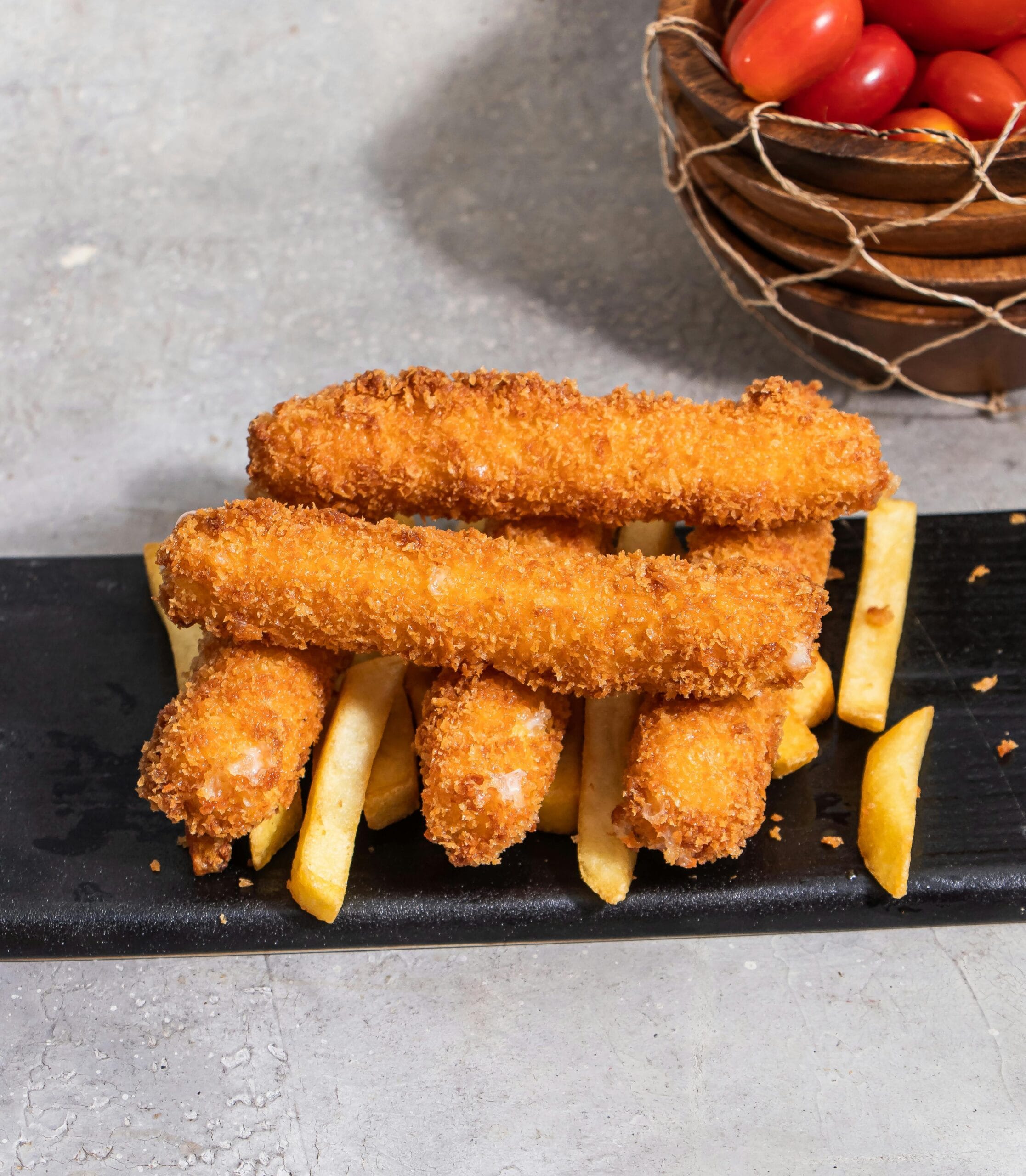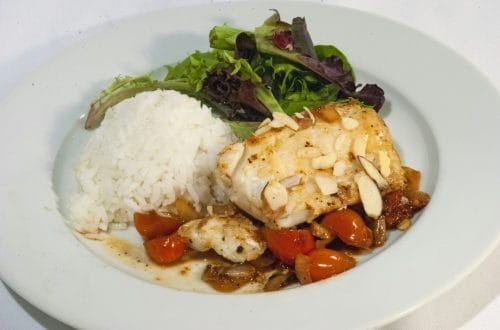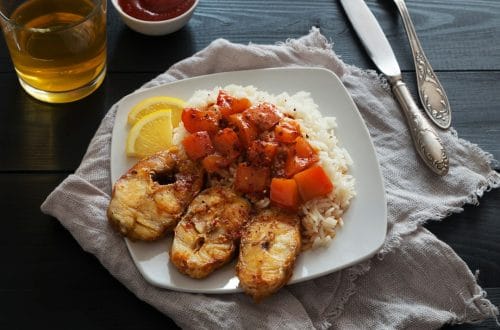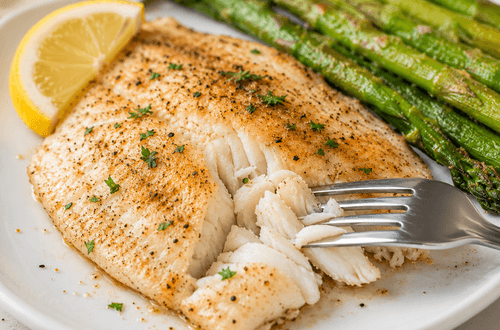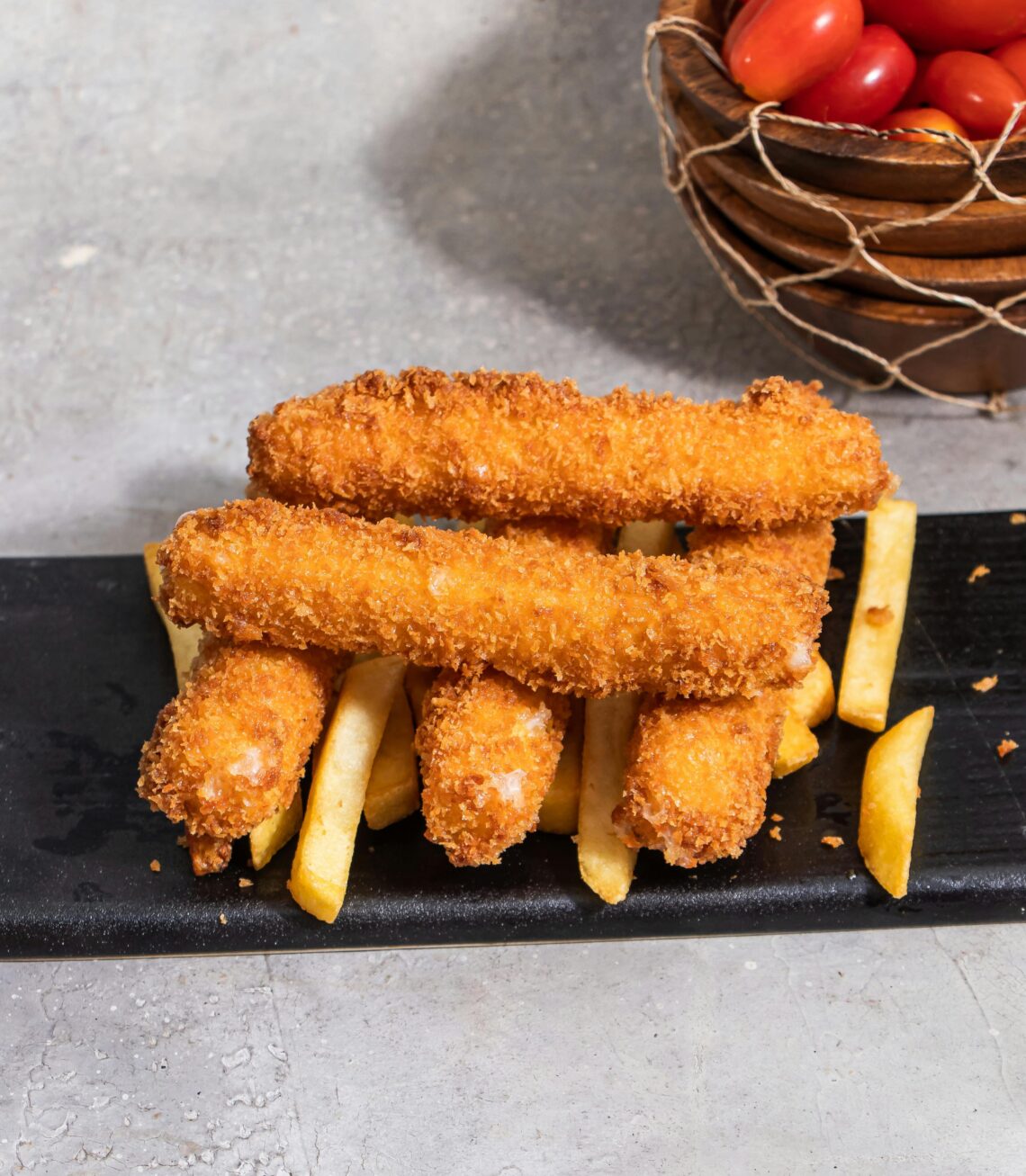
Make fish and chips at home with a cold batter, evenly cut potatoes, and small frying batches. This recipe serves 4 and uses cod or haddock; verify the fish reaches 145°F rather than judging only by the coating.
Jump to preparation advice. Allow about 75–85 minutes including the potato soak and batch frying.
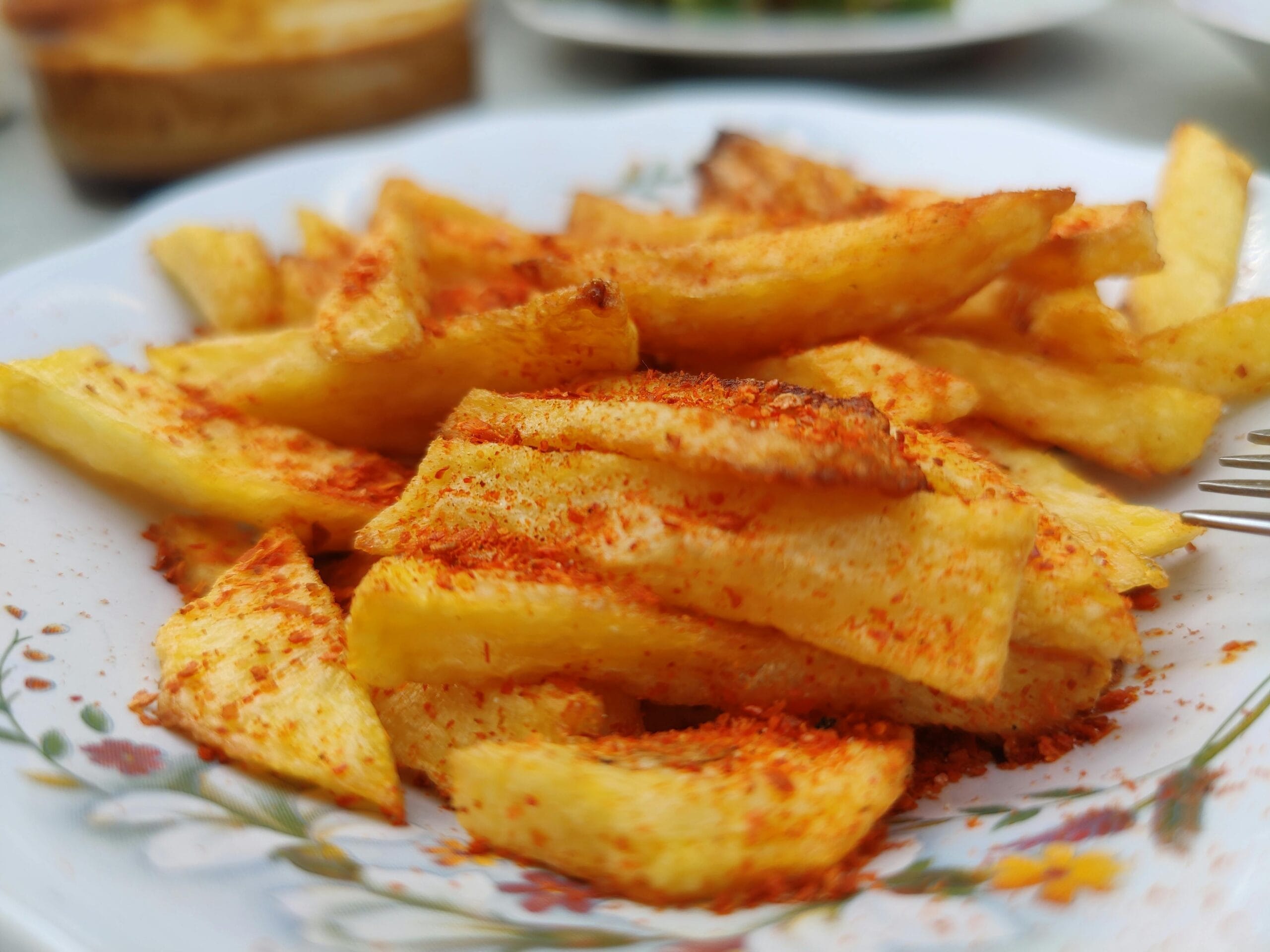
This guide uses a double-fry method for chips and a cold batter for the fish. The measured formula below is for deep-frying; wet beer batter is not a direct substitute for an oven-baked breadcrumb coating. For a no-fryer potato side, use the oven-fries method and keep the fish instructions here separate.
How to cook fish & chips at home: ingredients
- Serves: 4
- Preparation: about 20 minutes
- Potato soaking: 30 minutes
- Batch cooking: 25–35 minutes
Fish, potatoes, and frying oil
- 1½ pounds boneless cod or haddock, cut into eight similar pieces
- 2 pounds russet potatoes, cut into ½-inch sticks
- Neutral frying oil, enough for a 2- to 3-inch depth in a heavy pot; keep the pot no more than halfway full
For the cold batter and flour coating
- 1 cup all-purpose flour, plus ¼ cup in a separate dish for dusting the fish
- ¼ cup cornstarch
- 1 teaspoon baking powder
- ½ teaspoon fine salt
- ¼ teaspoon pepper
- 1 cup cold beer or plain sparkling water, plus up to 2 tablespoons more only if needed
Whisk the cup of flour, cornstarch, baking powder, salt, and pepper together. Add the cold beer or sparkling water just before frying, stirring only until combined. The batter should flow from a spoon and coat the fish; add the extra liquid only if the coating is too thick.
Keep the fish refrigerated while the chips cook, and keep the batter cold between frying batches. Discard batter and dusting flour that have touched raw fish.
Choose the fish, potatoes, and oil
Choose thick white-fish fillets such as cod, haddock, pollock, hake, or halibut. Similar thickness matters more than the species for even cooking: very thin pieces can dry out before the batter crisps. Sustainability depends on the fishery and harvest method; check the actual product label rather than treating one species as universally sustainable.
Next, choose potatoes that fry crisp and stay airy. Russet (Idaho) potatoes are the standard because their starch level helps them brown well. Cut them thicker, around 1/2-inch, for that chip-shop bite.
Choose fish that stays juicy under the batter
Shop with your senses. Fresh fish should smell clean, not sharp. The flesh should look moist and firm, not dull or mushy.
At home, portion the fish into even pieces, about 2 to 3 ounces each, so everything finishes at the same time. Then do the step people skip: pat the fish very dry with paper towels. Moisture is the enemy of crisp batter because steam loosens the coating as it fries.
Once dry, keep the fish chilled while you prep the chips and batter. Cold fish holds its shape better in hot oil.
Cut chips like a real chip shop, then soak and dry
Cut your russets into thick batons, then drop them into a bowl of cold water for about 30 minutes. This rinse removes surface starch, which helps the outside fry up cleaner and crispier.
After soaking, drain well, then dry thoroughly with towels. Don’t rush this. Wet potatoes, when fried in oil, spit out steam instead of crisping.
Cook the chips first, then finish them with a quick second fry
The most reliable path to crisp chips is the double-fry. The first fry cooks the inside until tender. The second fry builds the crisp shell.
Set up safely before you heat anything. Use a heavy pot with plenty of space, don’t fill it more than halfway with oil, and keep kids and pets out of the kitchen. A clip-on thermometer or an oil-safe probe makes this easier because temperature swings are the main cause of failures.
First fry for a tender center (then rest)
Heat oil to about 350°F. Fry the chips in batches, so they have room to move.
Cook until they turn pale gold, and the corners start to color, usually 6 to 8 minutes depending on thickness. They shouldn’t be deep brown yet.
Drain on paper towels or, better, on a rack over a sheet pan. Then let them rest while you cook the fish. That short rest lets trapped steam escape, which sets you up for crunch later.
Second fry for the shatter-crisp shell
Bring the oil back up to 375°F. The oil must recover its heat before the next batch goes in.
Re-fry the chips for about 2 minutes, or until they’re deep golden and crisp. Keep batches small; crowding drops the temperature fast.
Drain again, then salt immediately while the surface oil is still hot. Salt sticks best right then, not five minutes later.
Make crisp, non-greasy battered fish by controlling moisture and heat
Great batter acts like a jacket. It keeps hot oil away from the fish so the flesh gently steams inside. When the batter is right, the coating stays tight and crunchy, and the fish stays moist.
The fastest route to greasy fish is oil that’s too cool, or fish that’s still wet.
Keep the oil near 375°F (190°C) and allow it to recover between batches. Cook the thickest part of each fish portion to 145°F (63°C); a golden coating alone does not establish doneness.
Mix the batter just before frying
You’re looking for batter that’s thin but slightly tacky. It should fall from a whisk in a steady stream and leave a faint line on the surface for a second.
Start with flour, cornstarch, salt, pepper, and baking powder, plus optional paprika and cayenne. Pour in very cold beer slowly and stir just until combined. A few lumps are fine. Overmixing builds gluten and makes the coating chewy.
Dredge, dip, and fry in small batches at 375°F
Follow this order for clean results:
- Dry the fish again if needed, then dust lightly in seasoned flour.
- Dip into the cold batter, let the excess drip off.
- Lower the fish into the oil gently, laying it away from you.
Fry about 4 to 5 minutes, depending on thickness, until deep golden and crisp. Move pieces only when needed so the coating sets. Lift fish with a spider or slotted spoon, then drain on a wire rack so it stays crunchy. Paper towels trap steam and soften the crust.
Between batches, wait for the oil to return to temperature. That pause feels slow, but it protects the texture.
Serve fast, keep it crisp, and fix the common problems
Fish and chips have a short window where everything is perfect. Serve right away, while the coating still crackles and the chips feel airy.
Go classic with malt vinegar, lemon wedges, and tartar sauce. Add coleslaw or a simple green salad if you want something fresh on the plate.
Refrigerate leftover fish and chips within 2 hours, or within 1 hour above 90°F, and use within 3 to 4 days. Reheat on a rack in a 375°F oven until the fish reaches 165°F; begin checking after 10 minutes and allow more time for thicker portions. The microwave heats leftovers but softens the coating. See FDA safe food handling guidance.
Classic finish: malt vinegar, lemon, and quick tartar sauce
Salt the chips and fish right after frying, then bring vinegar to the table so everyone can choose their level of tang.
For a fast tartar sauce, stir together mayonnaise, finely chopped pickles (or gherkins), capers, a little red onion, chopped dill (or parsley), lemon juice, salt, and pepper. It takes about a minute, and it tastes bright against the rich batter.
Troubleshooting guide for crunch you can count on
- Soggy batter: Oil too cool, fish not dried, or the pot was crowded. Keep oil near 375°F and fry fewer pieces.
- Greasy fish: The temperature dropped, or the batter was too thick. Monitor heat with a thermometer and thin batter with a little cold beer.
- Burnt outside, raw inside: Oil too hot or pieces too thick. Lower the heat slightly, cut portions smaller.
- Chips not crisp: Potatoes weren’t dried well, or you skipped the second fry. Dry thoroughly and always double-fry.
- Keeping batches warm: Hold finished fish and chips on a rack in a 200°F oven for about 10 minutes. This keeps them crisp without cooking them to death.
Serve fish and chips immediately, with vinegar and sauces on the side to keep the coating crisp. Prepare toppings before frying so finished batches spend less time waiting.
For related kitchen guidance, see How to Reheat Fried Fish Without Drying It Out and Homemade Fry Sauce Recipe for Burgers, Fries, and Sandwiches.