
The finishing touch · Butter, garlic, lemon
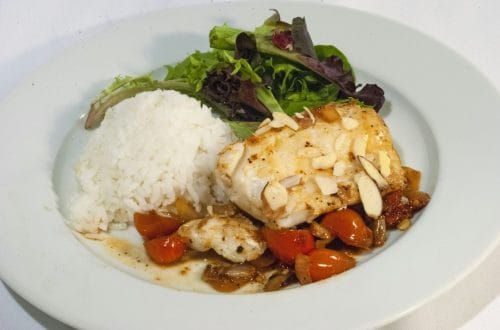
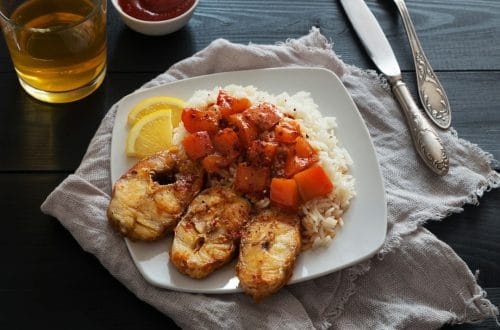
This lemon garlic butter sauce for shrimp also works as a loose, fragrant finish for fish. Six tablespoons of butter, four garlic cloves, and a tablespoon of lemon juice make about ½ cup. The main skill is controlling the heat so the garlic softens without taking on a bitter, dark edge.
Allow about eight minutes, with ingredients prepared before the pan heats. Cook the seafood separately, then spoon or toss with sauce just before serving. That keeps the shrimp from sitting on the heat while you adjust the butter and lemon.
Build the sauce before you start cooking
A small saucepan is easier to control than a very wide, hot skillet. Set out a whisk or spoon, a heatproof rest for the pan, and a clean serving dish. Mince the garlic evenly: big chunks stay sharp while tiny fragments can brown before the rest soften.
- 6 tbsp butter
- Use unsalted butter, about 85 g, so the final salt level depends on what you add. Cut it into pieces to help it melt evenly.
- 4 garlic cloves
- Medium cloves give a distinctly garlicky sauce. For a milder version, use two or three. Finely mince rather than leaving thick slices.
- 1 tbsp lemon
- Fresh juice provides the starting acidity. Measure it; pouring straight from a lemon makes the balance harder to repeat.
- 1 tbsp parsley
- Chop it finely. Finish with ⅛ teaspoon black pepper and up to ¼ teaspoon fine salt, depending on the seafood’s seasoning.
Have the cooked seafood nearly ready before finishing the sauce. If you are making dinner in stages, prepare the garlic, herbs, and lemon early, then melt the butter close to serving. This short sauce is easier to make fresh than to hold hot for a long time.
Lemon garlic butter sauce for shrimp: six steps
Measure the finishing ingredients
Mince the garlic, chop the parsley, and measure the lemon juice. Set the salt and pepper nearby. Once garlic enters warm butter, you need to watch the pan rather than stop to search for ingredients.
Melt the butter slowly
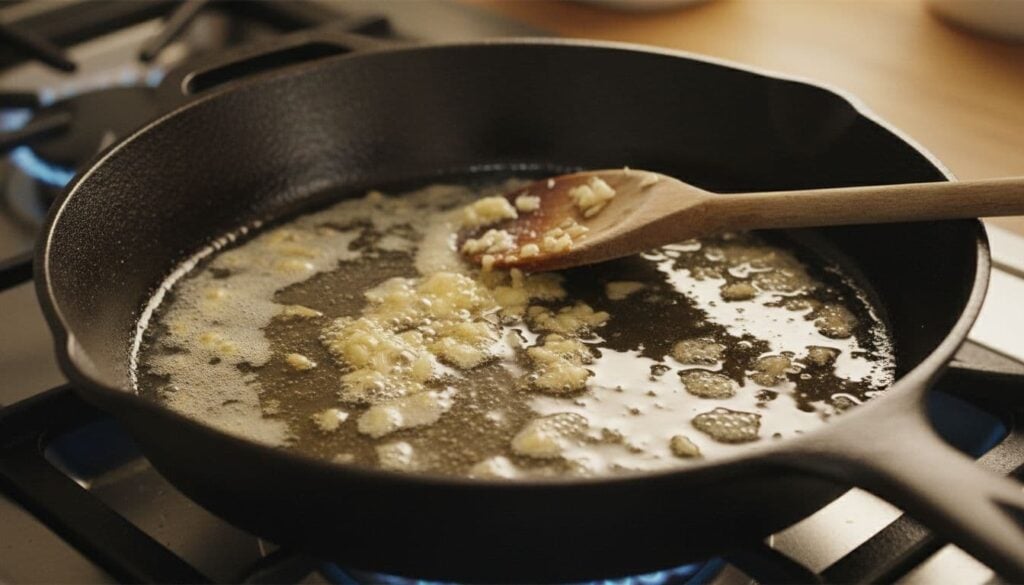
Put the butter into the small pan over low heat. Stir occasionally as it melts, usually about 1–2 minutes. A little foam is normal, but hard bubbling and browning are not the goal. Move the pan off the burner briefly if it heats too quickly.
Cook the garlic until fragrant
Add the minced garlic and stir for about 30–60 seconds, adjusting the heat to keep it pale. The aroma should become rounded and garlicky rather than scorched. Larger pieces may need a little longer over low heat; do not raise the temperature to rush them.
Finish away from direct heat
Remove the pan from the burner. Stir in the measured lemon juice, parsley, and pepper. Begin with a small amount of the salt if the shrimp or fish is already seasoned. Keep your face and hands back when adding liquid to warm fat.
Taste with the food
Use a clean spoon to place a little sauce on a piece of cooked seafood. Add lemon juice one teaspoon at a time if it needs brightness, or a small pinch of salt if it tastes flat. Check the combined bite before changing the whole batch.
Whisk and portion
Whisk just before serving, then spoon over plated fish or briefly toss with cooked shrimp off the heat. The full batch makes roughly four 2-tablespoon portions, though garlic and herb volume vary. Start with less sauce; diners can add more.
A little separation is normal
This is a melted-butter finishing sauce, so the lemon and fat may pull apart as it stands. You are aiming for a pleasant coating, not a thick gravy. Whisking disperses the liquid again for serving, but it does not turn the mixture into a permanently stable emulsion.
If the sauce looks oily, remove it from the heat and whisk in 1 teaspoon warm water. Add another teaspoon only if useful. A small amount of water can help it look more cohesive; a large splash simply dilutes the sauce. If it cools enough to firm up before serving, warm it gently while stirring.
Match the finish to your seafood
For one pound of cooked shrimp, begin with about ⅓ cup sauce and add more only if needed. Toss briefly in a bowl or a pan that is off the heat. Continuing to fry the coated shrimp can darken the garlic and tighten the seafood while the butter reduces.
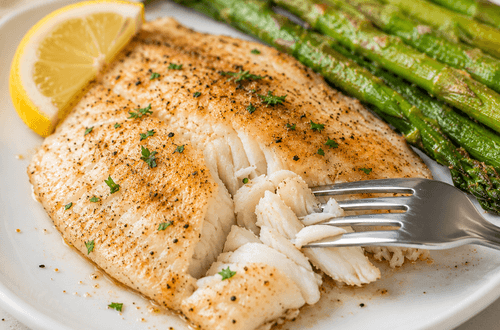
For a fragile fish fillet, spoon the sauce over it after plating. Stirring or tossing delicate fish can break it apart. The tilapia doneness guide explains how to check the fish itself before adding a finishing sauce.
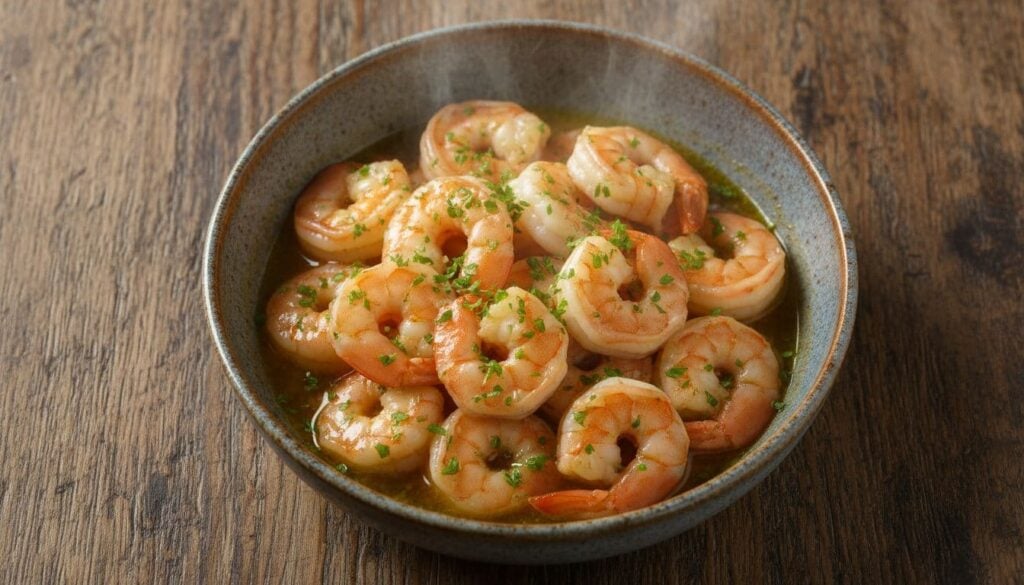
For a different herb profile, replace half the parsley with dill for fish or chives for shrimp. For gentle spice, begin with a small pinch of red pepper flakes. A Cajun variation can start with ½ teaspoon seasoning in the full batch; check whether the blend contains salt before adding the recipe’s salt.
If dinner is steak, the separate garlic butter sauce for steak guide covers basting and compound butter. For a cold seafood dip, cocktail sauce offers a tomato-and-horseradish alternative.
Correct the cause before adding more ingredients
| Problem | Next move |
|---|---|
| Bitter, dark garlic | Start again with a clean pan and lower heat. More lemon or butter cannot remove burned flavor. |
| Too sharp | Whisk in a little additional unsalted butter. Taste again before adding salt or herbs. |
| Too rich | Serve a smaller amount, or add lemon one teaspoon at a time. Too much sauce can overwhelm delicate fish. |
| Too salty | Dilute with additional unsalted butter and a little lemon as needed. Remember that this increases the yield. |
| Separated on the plate | Whisk just before portioning and serve promptly. Slight separation is expected in this loose sauce. |
Store clean sauce and reheat deliberately
Keep the storage portion separate from raw seafood, used brushes, and dipping utensils. Refrigerate promptly in a covered container at 40°F or below, within two hours or one hour above 90°F, following FDA handling guidance. Do not keep garlic butter at room temperature as a pantry condiment.
Use refrigerated sauce within three days as a conservative plan. Chilling will firm the butter; that is expected. For reheating leftovers, USDA guidance calls for heating leftovers to 165°F and bringing sauces to a rolling boil. Stir and reheat only the portion needed; the sauce may separate.
Freshly made sauce gives the gentlest garlic flavor and smoothest finish. If sauce has contacted raw-seafood utensils, discard it rather than adding it to the stored batch. A clean jar does not make a contaminated serving portion suitable to save.
Quick questions
Can I use salted butter?
Yes, but omit the added salt initially. Taste with the cooked seafood before deciding whether more is needed, especially with salty seasoning blends.
Can I make lemon garlic butter sauce for shrimp in advance?
You can prepare and refrigerate it, but reheating can change the texture. For the best fresh finish, measure and chop ahead, then make the sauce near serving time.
Can I cook raw shrimp directly in this sauce?
This recipe is written as a finishing sauce. Cook the shrimp separately so you can control their doneness and keep the finely minced garlic from burning during the longer cooking process.
Is it supposed to thicken?
No. It should be loose and spoonable. Boiling it down to make gravy-like thickness can separate the fat and darken the garlic.
Printable seafood finishing sauce
The measured recipe makes a small batch for four portions. Keep the clean remainder separate until you decide how much each serving needs.
THE COMPLETE RECIPE
Lemon Garlic Butter Sauce for Shrimp and Fish
Yield: 4 servings (about 2 tablespoons each)
Ingredients
- 6 tablespoons unsalted butter About 85 g, cut into pieces.
- 4 medium cloves garlic Finely minced. Use 2–3 cloves for a milder version.
- 1 tablespoon fresh lemon juice Plus more to taste, added one teaspoon at a time.
- 1 tablespoon fresh parsley Finely chopped.
- 1/4 teaspoon fine salt Use less or omit if the seafood is already well seasoned.
- 1/8 teaspoon black pepper
Equipment
- 1 small saucepan or skillet Use low heat.
- 1 small whisk or spoon
- 1 Knife and cutting board
- 1 Measuring spoons
Instructions
- Prepare the ingredients. Mince the garlic, chop the parsley, and measure the lemon, salt, and pepper before heating the pan. Cook the shrimp or fish separately.
- Melt gently. Melt the butter over low heat for about 1–2 minutes, stirring occasionally. Avoid hard bubbling or browning.
- Add the garlic. Stir in the minced garlic and cook about 30–60 seconds until fragrant, keeping it pale. Larger pieces may need a little longer over low heat. Remove the pan briefly if it heats too quickly.
- Finish off heat. Take the pan off the burner. Stir in the lemon juice, parsley, and pepper. Add only part of the salt initially if the seafood is seasoned.
- Taste and adjust. Taste a little sauce with a piece of cooked seafood using a clean spoon. Add lemon one teaspoon at a time or salt in small pinches as needed.
- Whisk and serve. Whisk just before portioning. Spoon over plated fish, or toss briefly with cooked shrimp off the heat. For 1 pound of shrimp, start with about 1/3 cup sauce and add more only if needed.
Notes
Rate This Recipe
Made this recipe? Choose a star rating in the comment form and share how it turned out. Your cooking time and any ingredient changes can help the next reader.
Rate This Recipe