Ground beef storage
How long can ground beef stay in the fridge? Keep raw ground beef for only 1–2 days and cooked ground beef for 3–4 days at 40°F (4°C) or below. Freeze promptly if plans change. Smell and color cannot extend those limits.
Ground beef refrigerator and freezer limits
| Ground beef situation | Refrigerator at 40°F or below | Freezer at 0°F or below |
|---|---|---|
| Raw, fresh or opened | 1 to 2 days | 3 to 4 months for best quality |
| Raw, thawed in the refrigerator | Cook within 1 to 2 days | May be refrozen if it stayed refrigerated, although quality may decline |
| Raw, thawed in cold water or the microwave | Cook immediately | Cook before refreezing |
| Cooked ground beef leftovers | 3 to 4 days | 2 to 6 months for best quality |
These limits come from the FoodSafety.gov cold-storage chart. Its 3- to 4-month range for raw ground meats and 2- to 6-month range for cooked-meat leftovers are quality limits. Food held continuously at 0°F stays safe beyond those ranges, but texture, flavor, and moisture can deteriorate.
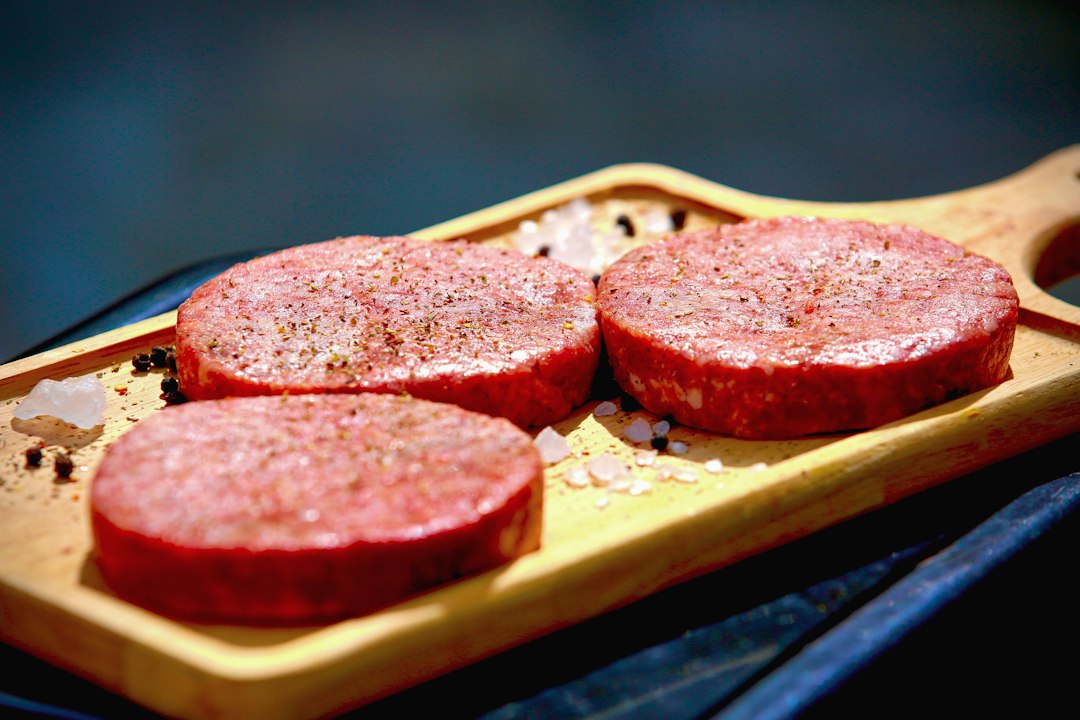
A simple use, freeze, or discard decision
Use it now
Cook raw ground beef today if it is approaching the end of day two, even when the package date is later. A “sell by” date helps a store manage inventory; it does not replace the 1- to 2-day home refrigerator limit or prove that the meat stayed cold before you bought it.
Freeze it now
Freeze the meat while it is still inside the safe refrigerator window if your meal plans have changed. Divide a large package into recipe-size portions, wrap each portion tightly or seal it in a freezer bag with excess air pressed out, and label the weight and freezing date. Flat packages freeze and thaw faster than thick blocks.
Discard it
Discard raw ground beef that has spent more than 2 days refrigerated, cooked ground beef held longer than 4 days, meat with an unknown storage history, or any package left unrefrigerated too long. Cooking does not make spoiled or improperly stored meat a good risk. Do not taste it to decide.
Why ground beef has a shorter storage window
A steak or roast has most of its exposed surface on the outside. Grinding breaks meat into many small pieces and mixes exterior surfaces throughout the batch. The process also increases handling and the total area where microorganisms can be distributed. That is why raw ground beef has a 1- to 2-day refrigerator limit while many intact beef cuts have a longer one.
Refrigeration slows microbial growth; it does not sterilize food. The refrigerator must remain at 40°F or below for the published storage times to apply. Put an appliance thermometer near the warmest part of the main compartment and check it periodically instead of relying only on the control dial.
Package dates, color, smell, and texture
Start with time and temperature. Appearance and odor can identify obvious spoilage, but they cannot prove that ground beef is safe. Harmful bacteria may be present without producing a warning you can see or smell.
- Odor: A sour, rancid, or putrid odor is a reason to discard the meat, but a neutral odor does not extend the storage limit.
- Texture: A sticky, tacky, or slimy surface indicates deterioration. Do not rinse the meat; rinsing can spread contaminated droplets around the sink.
- Color: Some gray or brown color inside a package can occur when meat has little exposure to oxygen. Color alone is not a reliable safety test. Combine obvious appearance changes with the date and storage history.
- Package condition: Discard leaking, swollen, badly damaged, or moldy packages. Clean and sanitize any refrigerator surface touched by raw juices.
Write the purchase or thawing date on the package when the timing will not be obvious. If nobody can establish when the meat entered the refrigerator, the safest choice is to discard it rather than reset the clock.
Store raw ground beef without contaminating other food
- Place the store package in a leakproof container or sealed bag before refrigerating it.
- Keep it on the lowest practical shelf, below ready-to-eat food, so leaking juices cannot drip onto produce, leftovers, or prepared dishes.
- Keep the refrigerator at 40°F or below and the freezer at 0°F or below.
- Wash hands with soap and water for at least 20 seconds after handling the package or raw meat. Wash utensils, boards, and counters with hot, soapy water.
- Use a separate plate for cooked food. Never put cooked burgers, meatballs, or meatloaf back on a plate that held raw ground beef unless the plate has been washed.
FoodSafety.gov recommends refrigerating perishables within 2 hours, or within 1 hour when the food is exposed to temperatures above 90°F. That applies to the trip home, meal preparation, and cooked leftovers. Put leftovers in shallow containers so they cool promptly.
Freeze and thaw ground beef safely
For the best texture, freeze ground beef before the second refrigerator day ends. Package portions in the amounts your recipes use—such as 1 pound—so you do not have to thaw more than needed. Labeling the weight avoids opening a package just to identify it.
Refrigerator thawing
Thaw ground beef on a plate or in a container on the lowest shelf. After it thaws in the refrigerator, cook it within 1 to 2 days. Meat thawed entirely in the refrigerator may be refrozen without cooking if plans change, although another freeze-thaw cycle can reduce quality.
Cold-water thawing
Seal the beef in a leakproof bag, submerge it in cold water, and replace the water every 30 minutes so it stays cold. Cook the beef immediately after thawing. Do not refreeze it raw.
Microwave thawing
Use the microwave’s defrost setting and rotate or break apart the meat as it softens. Cook it immediately because parts of the meat may warm or begin cooking during defrosting. Counter thawing is not a safe option because the outside can enter the 40°F-to-140°F danger zone while the center remains frozen.
Cooking and reheating temperatures
Storage time and cooking temperature solve different problems. Proper refrigeration limits bacterial growth before cooking; a food thermometer confirms a safe endpoint during cooking.
- Fresh ground beef: Cook burgers, meatballs, meatloaf, crumbles, and ground-beef mixtures to 160°F (71°C).
- Ground poultry: Cook ground chicken or turkey to 165°F (74°C).
- Leftovers: Reheat cooked ground-beef dishes to 165°F (74°C).
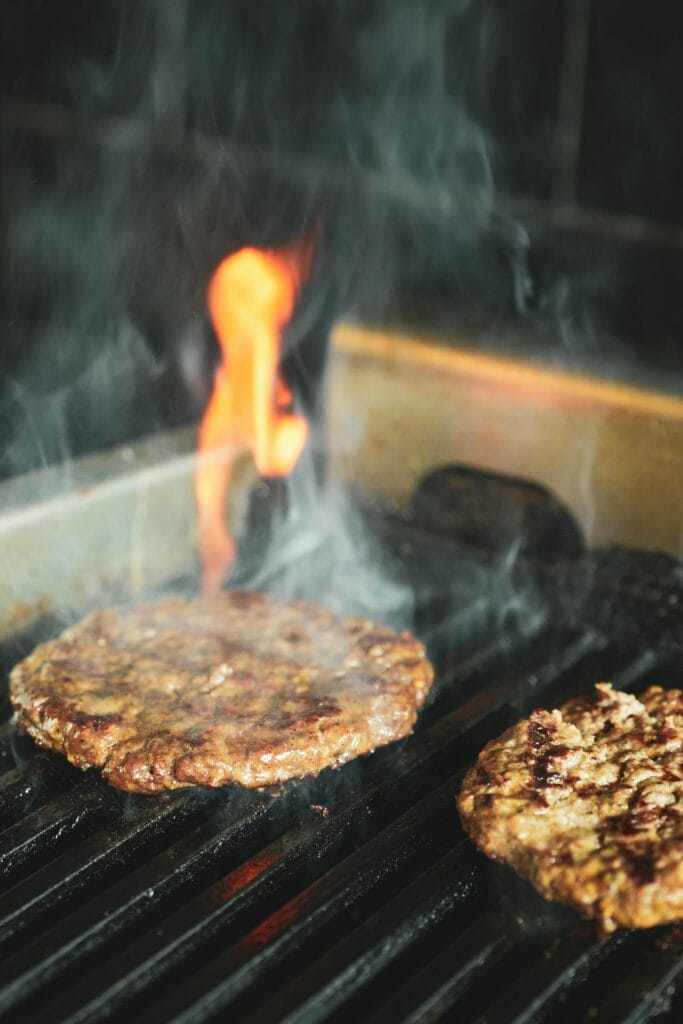
The federal minimum-temperature chart lists 160°F for ground meat and 165°F for leftovers. Insert the thermometer into the thickest part of a patty or the center of a meatloaf. For a thin burger, insert the probe horizontally from the side so the sensing area reaches the center.
Plan meals around the short refrigerator window
If the ground beef is still within its 1- to 2-day window, use it in a complete recipe rather than cooking it without a plan and creating another storage deadline. Taco soup with ranch seasoning uses browned ground beef in a batch-friendly meal. For a sliceable dinner, meatloaf with brown gravy provides measured ingredients and serving guidance.
Once cooked, divide a large batch into shallow containers and refrigerate it within the 2-hour limit. Date the containers and use them within 3 to 4 days, freeze meal-size portions, or discard them. Reheat only the amount you expect to serve so the remaining food stays cold.
Ground beef storage checklist
- Raw ground beef: refrigerate 1 to 2 days at 40°F or below.
- Cooked ground beef: refrigerate 3 to 4 days.
- Freeze raw ground beef for best quality within 3 to 4 months; freeze cooked-meat leftovers for best quality within 2 to 6 months.
- Refrigerate perishables within 2 hours, or 1 hour above 90°F.
- Cook ground beef to 160°F and reheat leftovers to 165°F.
- When the timing or temperature history is unknown, discard the meat rather than relying on smell or color.