The seafood sauce notebook
Set the heat. Keep the tang.
Cocktail sauce for shrimp takes about five minutes to mix: stir together 1 cup ketchup, 2 to 4 tablespoons prepared horseradish, 1 tablespoon fresh lemon juice, 1 teaspoon Worcestershire sauce, and optional hot sauce. Chill it for 30 minutes if time allows, then taste and adjust the heat before serving.
1¼ cups · 5 minutes prep · optional 30-minute chill
The useful part of making it at home is control. Ketchup brands vary in sweetness, prepared horseradish varies in strength, and a sauce that works for fried seafood may be too sharp for chilled shrimp. Start moderately, then adjust one ingredient at a time.
Cocktail sauce for shrimp at a glance
- Yield: about 1¼ cups
- Prep time: 5 minutes
- Optional chill time: 30 minutes
- Best for: about 1½ to 2 pounds of cooked shrimp, depending on how much sauce each person uses
Ingredients and what each one does
- 1 cup ketchup: provides the tomato base, sweetness, and body.
- 2 to 4 tablespoons prepared horseradish: supplies the classic sharp heat. Use prepared horseradish, not creamy horseradish sauce.
- 1 tablespoon fresh lemon juice: brightens the sauce and balances the sweetness.
- 1 teaspoon Worcestershire sauce: adds savory depth. Many brands contain anchovies, and formulations vary, so check the label when allergies or dietary restrictions matter.
- ½ to 1 teaspoon hot sauce, optional: adds chile heat without increasing the horseradish flavor.
- ¼ teaspoon black pepper: adds mild warmth.
Do not add salt automatically. Ketchup, Worcestershire sauce, and hot sauce already contribute sodium. Taste the finished mixture first.
How to make cocktail sauce for shrimp
1. Start with the base
Whisk 1 cup ketchup, 2 tablespoons prepared horseradish, 1 tablespoon lemon juice, 1 teaspoon Worcestershire sauce, and ¼ teaspoon black pepper in a small bowl until no streaks remain. For a mild batch, omit the hot sauce; otherwise begin with ½ teaspoon. Use a clean spoon for each taste.
2. Adjust the heat gradually
Taste with a piece of shrimp or a plain cracker rather than from the spoon alone. Add the remaining horseradish 1 teaspoon at a time. Taste again after chilling before adding more; the strength depends on the horseradish brand and freshness.
3. Chill and stir again
Cover and refrigerate for 30 minutes when possible. Chilling is not required, but it gives the flavors time to combine. Stir before serving because a small amount of liquid may collect on the surface.
Make only as much as you need
A full batch makes about 1¼ cups: ten portions of roughly 2 tablespoons. That is a useful starting allowance for a shrimp appetizer, but generous dippers will use more. Put a little in the serving bowl and keep the rest covered in the refrigerator.
Half batch for a smaller platter
Whisk ½ cup ketchup, 1–2 tablespoons prepared horseradish, 1½ teaspoons lemon juice, ½ teaspoon Worcestershire sauce and ⅛ teaspoon black pepper. Add ¼–½ teaspoon hot sauce only if wanted. This makes about ⅝ cup, enough for approximately five 2-tablespoon portions.
Buying the right horseradish
Look for a jar labeled prepared horseradish, usually grated root preserved with vinegar. A creamy sandwich sauce contains extra ingredients and gives a different texture and strength. Fresh grated root also varies considerably in heat, so do not assume it is an exact spoon-for-spoon replacement.
For guests who prefer different heat levels, divide the mild finished sauce between two clean bowls before adding extra horseradish or hot sauce to one. Label the hotter bowl and give each its own serving spoon. Do not pour sauce that has been used for dipping back into the clean batch.
Choose the right heat level
| Heat level | Prepared horseradish | Hot sauce |
|---|---|---|
| Mild | 2 tablespoons | None |
| Medium | 3 tablespoons | ½ teaspoon |
| Hot | 4 tablespoons | 1 teaspoon, then adjust |
These amounts are starting points, not guarantees. A newly opened jar of horseradish may taste much stronger than one that has been refrigerated for weeks.
Troubleshooting the flavor and texture
The sauce is too hot
Add ketchup 1 tablespoon at a time to dilute the horseradish and chile heat. This also makes the sauce sweeter and increases the yield. Taste after each addition; lemon juice can balance sweetness, but it will not remove the heat.
It tastes too sweet
Add ½ teaspoon lemon juice or 1 teaspoon horseradish, stir, and taste again. Avoid pouring in a large amount of lemon juice at once because the sauce can become thin.
It is too thin
Stir in 1 to 2 tablespoons ketchup and chill the sauce. If it became thin after adding lemon or hot sauce, increasing the liquid will not correct it.
The horseradish flavor is weak
Prepared horseradish loses strength after opening. Add more gradually, or use a fresher jar. Cream-style horseradish is milder and contains other ingredients, so it will not produce the same result.
Substitutions and their limits
- Tomato-based chili sauce for ketchup: sweetness, texture and heat vary by brand. Begin with the same amount as the ketchup, then taste before adding horseradish or hot sauce. Sweet Thai chili sauce and very hot chile sauces are different products and are not direct substitutes.
- Lime juice for lemon: works in the same quantity but gives the sauce a different citrus flavor.
- Vegan Worcestershire: use a labeled vegan product because traditional Worcestershire commonly contains anchovies.
- No horseradish: the mixture will still be a tangy tomato dip, but it will not have the defining flavor of classic cocktail sauce. Mustard or hot sauce can add heat, not replace that flavor.
- Lower-sugar version: choose a lower-sugar ketchup rather than adding artificial sweetener to a standard ketchup base.
Serving it with shrimp
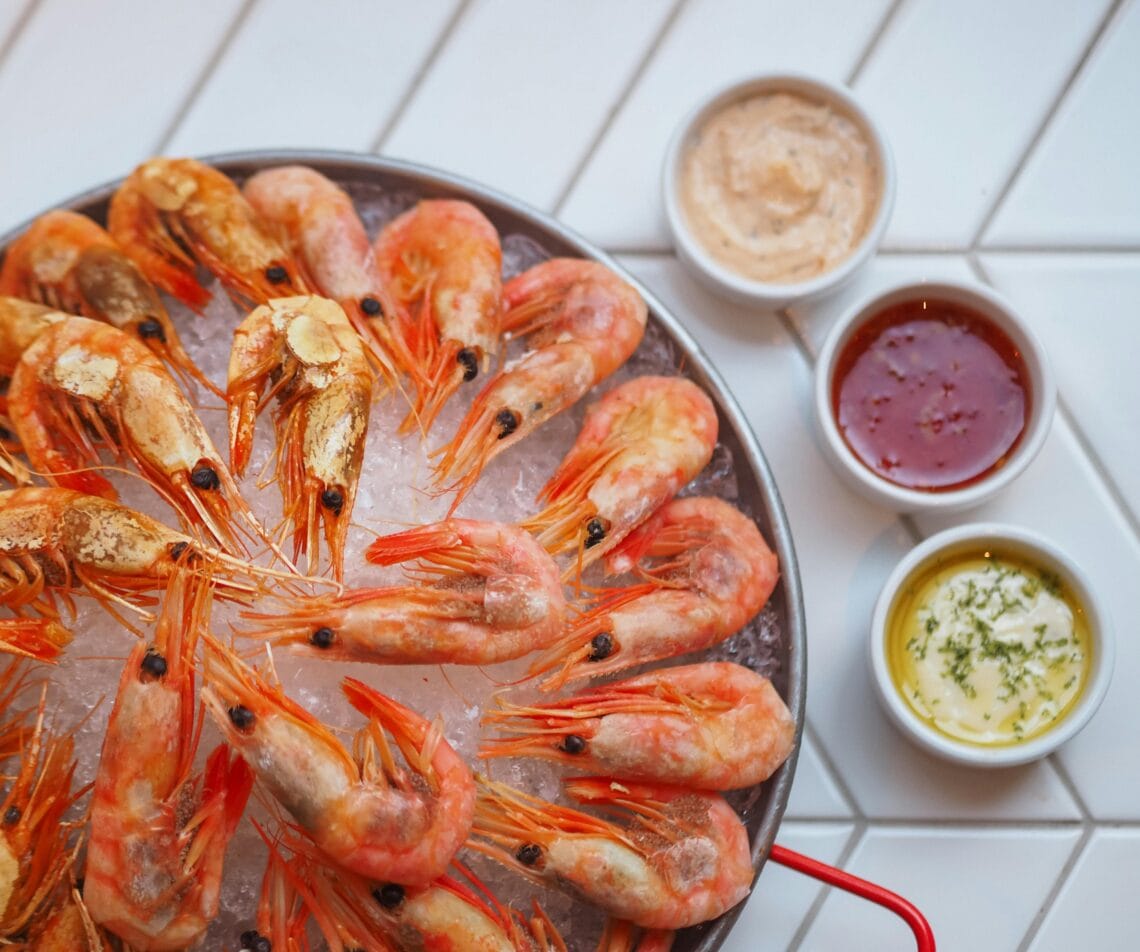
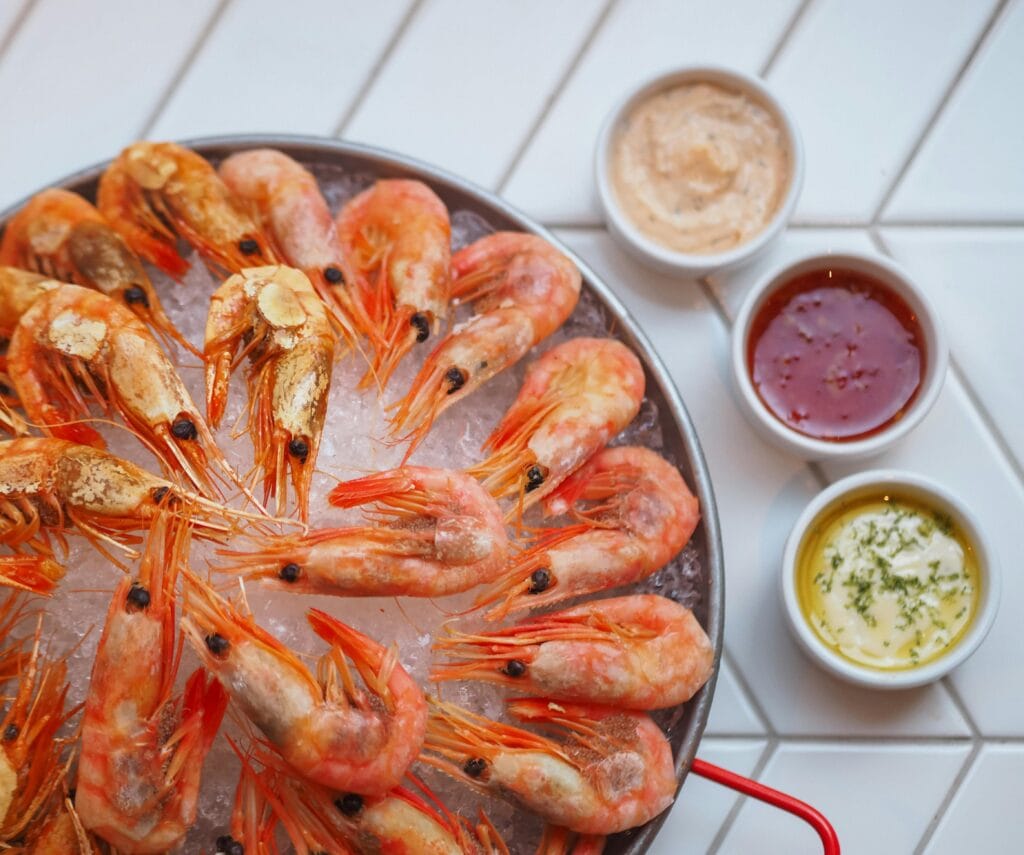
Serve the sauce cold in a small bowl surrounded by chilled cooked shrimp. For help avoiding rubbery shrimp, see how to know when shrimp is done. If you want a warm alternative for grilled or sautéed seafood, try this garlic butter sauce for shrimp and fish.
For a buffet, keep the shrimp and sauce at 40°F or below, such as over ice. Replenish from a clean refrigerated container. FDA safe handling guidance calls for refrigerating perishables within 2 hours, or 1 hour above 90°F.
Make-ahead and storage
For a conservative household make-ahead window, use clean, unused sauce within 3 days, following any shorter limit on the ingredient labels. Keep it in a clean airtight container at 40°F or below and stir before serving. This is a planning guideline for this homemade mixture, not a shelf-life test. Keep the main batch separate from the dipping bowl so it is not exposed to shrimp or used utensils.
Discard sauce that has been used for dipping or has sat out with a shrimp platter. Freezing is not recommended: ketchup-based sauce can separate and become watery after thawing, and a fresh batch takes only a few minutes to make.
Useful variations
- Smoky: add ¼ teaspoon smoked paprika. Skip liquid smoke at first; it can dominate a small batch.
- Garlic: add ⅛ teaspoon garlic powder. Raw minced garlic becomes stronger as it rests, so use it cautiously.
- Bloody Mary-style: add a pinch of celery salt and an extra dash of Worcestershire. Reduce other salty ingredients before adding more.
- Extra citrus: add ½ teaspoon finely grated lemon zest instead of extra juice so the sauce stays thick.
For another classic combination of ketchup, horseradish, lemon and Worcestershire, see the TABASCO cocktail sauce recipe. The adjustable amounts and half-batch guide on this page are specific to the recipe below.
Frequently asked questions
Can I make cocktail sauce without Worcestershire?
Yes. Omit it and add a small pinch of salt only after tasting. The sauce will be less savory but still recognizable because ketchup, horseradish, and lemon provide the main flavor.
Why does my cocktail sauce taste bitter?
Too much horseradish, old horseradish, or excessive lemon pith can create bitterness. Add ketchup a tablespoon at a time. If the bitterness comes from spoiled or off-smelling ingredients, discard the batch rather than trying to mask it.
Does cocktail sauce need to be chilled before serving?
No, but a 30-minute rest improves the balance and lets you judge the final heat more accurately. Keep it refrigerated until serving when it will accompany chilled shrimp.
For fries, burgers, or sandwiches, use the creamier homemade fry sauce recipe. Its mayonnaise base gives a different texture from this tomato-and-horseradish sauce.
Print the cocktail sauce recipe
Use the ingredient checklist, keep the half-batch amounts handy and leave a star rating after you make it.
Yield: 10 2-tablespoon portions, approximately
MIX, MEASURE & KEEP
Homemade Cocktail Sauce for Shrimp
Ingredients
- 1 cup ketchup
- 2–4 tablespoons prepared horseradish Start with 2 tablespoons; not creamy horseradish sauce.
- 1 tablespoon fresh lemon juice
- 1 teaspoon Worcestershire sauce Check the label for anchovies and other allergens.
- 1/4 teaspoon black pepper
- 1/2–1 teaspoon hot sauce Optional; omit for the mildest batch.
Instructions
- Mix the base. Whisk the ketchup, 2 tablespoons prepared horseradish, lemon juice, Worcestershire sauce and black pepper in a small bowl until evenly combined.
- Set the heat. For a mild batch, omit hot sauce. Otherwise add ½ teaspoon. Taste with a clean spoon or a piece of fully cooked shrimp. Increase the horseradish 1 teaspoon at a time, up to 4 tablespoons total if desired.
- Chill if convenient. Cover and refrigerate for 30 minutes if time allows. This rest is optional and adds 30 minutes to the listed total. Keep the sauce cold until serving.
- Stir and portion. Stir again, taste, and adjust only one ingredient at a time. Spoon a small amount into a serving bowl, keeping the unused batch refrigerated. Use a clean spoon to refill a clean serving bowl.
Equipment
- 1 Small mixing bowl
- 1 whisk or spoon
- 1 Measuring cups and spoons
- 1 covered refrigerator container
Notes
Rate This Recipe
Made this recipe? Choose a star rating in the comment form and share how it turned out. Your cooking time and any ingredient changes can help the next reader.
Rate This Recipe