A perfectly cooked steak deserves a sauce that enhances its flavor without overpowering it. That’s exactly what a red wine reduction sauce for steak does. Rich, silky, and packed with deep savory flavors, this classic French-inspired sauce transforms an ordinary steak dinner into a restaurant-quality meal.
The best part? You don’t need to be a professional chef to make it. With just a handful of ingredients and about 20 minutes, you can prepare a luxurious sauce that’s perfect for ribeye, filet mignon, New York strip, sirloin, or even grilled flank steak.
This guide will walk you through every step, from selecting the right wine to reducing the sauce to the perfect consistency.
What Is Red Wine Reduction Sauce for Steak?
A red wine reduction sauce is made by simmering red wine with aromatics such as shallots, garlic, herbs, and beef stock until the liquid reduces and the flavors become concentrated. Butter is whisked in at the end to create a smooth, glossy finish.
Unlike heavy cream sauces, a red wine reduction is elegant, balanced, and complements the natural flavor of steak instead of covering it up.
The finished sauce should be:
- Smooth
- Rich
- Slightly thick
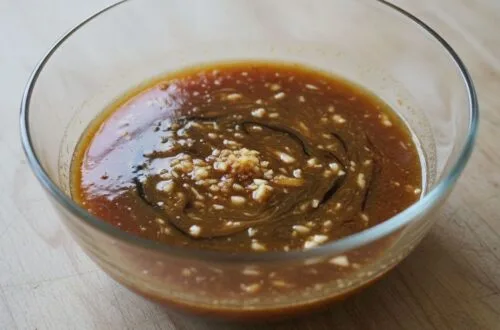
- Deep burgundy in color
- Full of savory flavor
Why You’ll Love This Recipe
This homemade sauce offers several advantages over store-bought options.
Red Wine Reduction Sauce for Steak — Ingredients
- 1 cup dry red wine (such as Cabernet Sauvignon, Merlot, Pinot Noir, or a red blend)
- 1 cup beef broth or beef stock (preferably low-sodium)
- 2 tablespoons unsalted butter (divided)
- 1 tablespoon olive oil
- 2 cloves garlic, minced
- 1 small shallot, finely chopped
- 1 teaspoon fresh thyme leaves (or ½ teaspoon dried thyme)
- 1 teaspoon fresh rosemary, finely chopped (optional)
- 1 tablespoon balsamic vinegar (optional, for added depth and slight sweetness)
- 1 teaspoon Dijon mustard (optional, for extra richness)
- ½ teaspoon kosher salt (adjust to taste)
- ¼ teaspoon freshly ground black pepper
- 1 teaspoon brown sugar or honey (optional, to balance acidity)
Optional Add-Ins for Extra Flavor:
- 1 tablespoon Worcestershire sauce – adds a savory, umami flavor
- 1 tablespoon heavy cream – creates a smoother, richer sauce
- 1 teaspoon steak drippings – adds extra beefy flavor from the cooked steak
Tip: Choose a red wine you enjoy drinking because the flavor becomes concentrated as it reduces. A good-quality dry red wine will create a deeper, more flavorful red wine reduction sauce for steak.
The Best Red Wine to Use
Choose a quality dry red wine that you would happily serve in a glass, as its flavors will become more concentrated during the reduction process.
Excellent choices include:
- Cabernet Sauvignon
- Merlot
- Pinot Noir
- Syrah
- Malbec
Avoid:
- Sweet wines
- Cooking wine
- Extremely oaky wines
- Dessert wines
For the best flavor, always choose a wine you enjoy drinking. The better the wine tastes on its own, the more delicious your red wine reduction sauce for steak will be.
Equipment You’ll Need
- Medium skillet
- Wooden spoon
- Fine mesh strainer (optional)
- Whisk
- Measuring cups
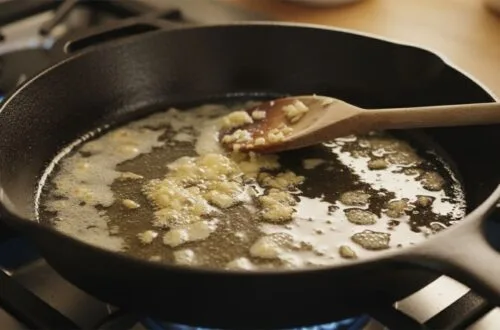
Step 1: Cook the Shallots
Heat the olive oil and two tablespoons of butter over medium heat.
Add the diced shallots.
Cook for about 3 to 4 minutes until softened.
Do not brown them or they wont taste as good.
Soft shallots provide sweetness without bitterness.
Step 2: Add Garlic
Stir in the minced garlic.
Cook for 30 seconds.
Garlic burns quickly, so avoid cooking it longer than necessary.
Step 3: Deglaze with Red Wine
Pour in one cup of red wine.
Use a wooden spoon to scrape the bottom of the pan.
This lifts all the flavorful browned bits left behind from cooking steak.
These browned bits add incredible flavor.
Step 4: Add Herbs
Place the thyme and rosemary into the pan.
Fresh herbs slowly infuse the wine as it reduces.
This creates layers of flavor.
Step 5: Reduce the Wine
Allow the wine to simmer uncovered.
Reduce it by about half.
This usually takes 8–10 minutes.
You’ll notice:
- darker color
- thicker consistency
- stronger aroma
Never boil aggressively.
A gentle simmer produces the smoothest results.
Step 6: Add Beef Stock
Pour in the beef stock.
Add Worcestershire sauce.
Stir well.
Continue simmering until the sauce reduces by another half.
This takes another 8–10 minutes.
The sauce should coat the back of a spoon.
Step 7: Remove the Herbs
Take out the rosemary and thyme.
If desired, strain the sauce through a fine mesh strainer.
Many chefs leave the shallots in for extra texture.
Either option is delicious.
Step 8: Finish with Cold Butter
Reduce the heat to low.
Whisk in two tablespoons of cold butter one cube at a time.
This technique, called mounting with butter, creates:
- silky texture
- glossy appearance
- rich finish
Never boil after adding butter.
Step 9: Taste and Season
Taste the sauce.
Add:
- salt
- black pepper
If needed, add another splash of Worcestershire sauce.
The flavors should be balanced.
Step 10: Serve Immediately
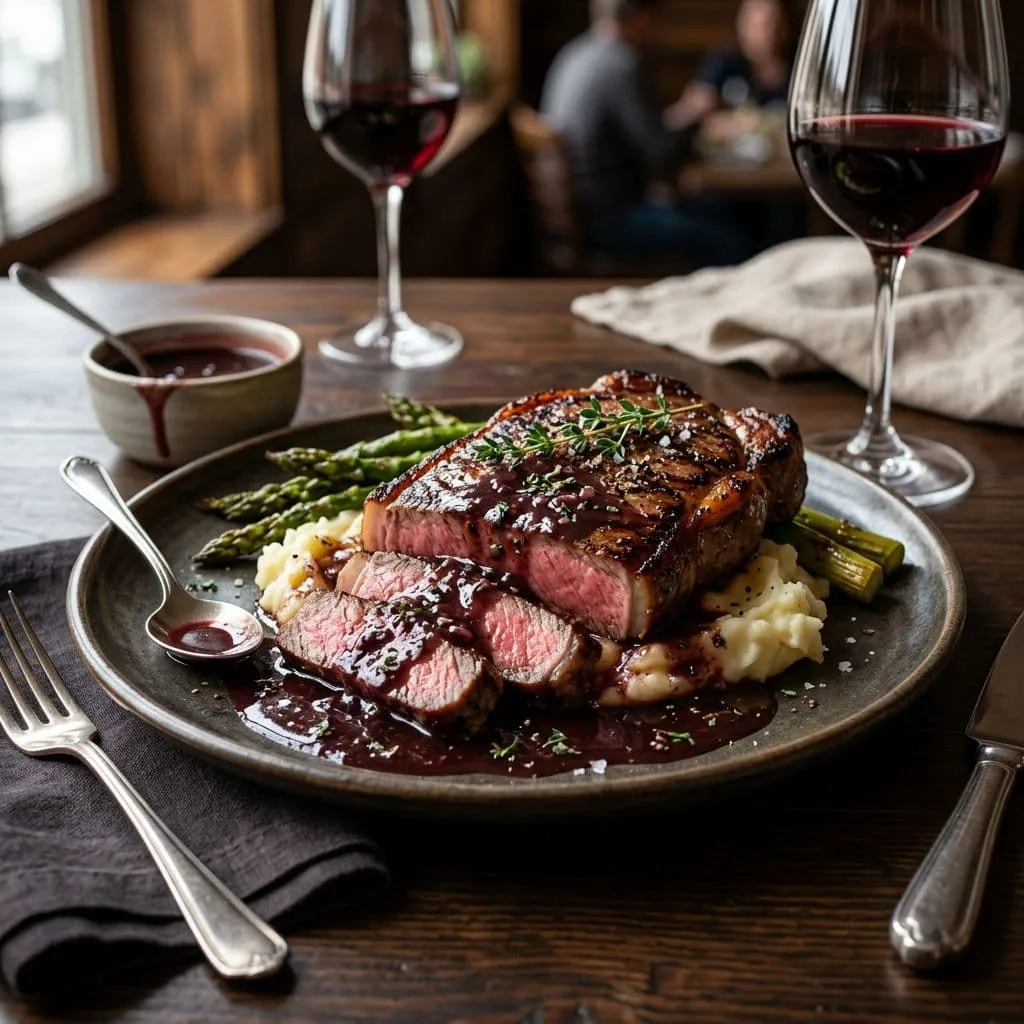
Spoon the warm sauce over freshly cooked steak.
Garnish with fresh thyme if desired.
Serve immediately for the best texture.
Best Steaks for This Sauce
The sauce pairs beautifully with:
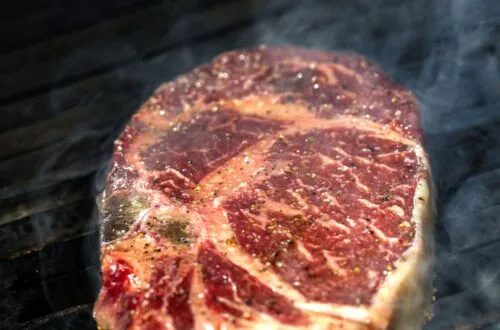
Ribeye
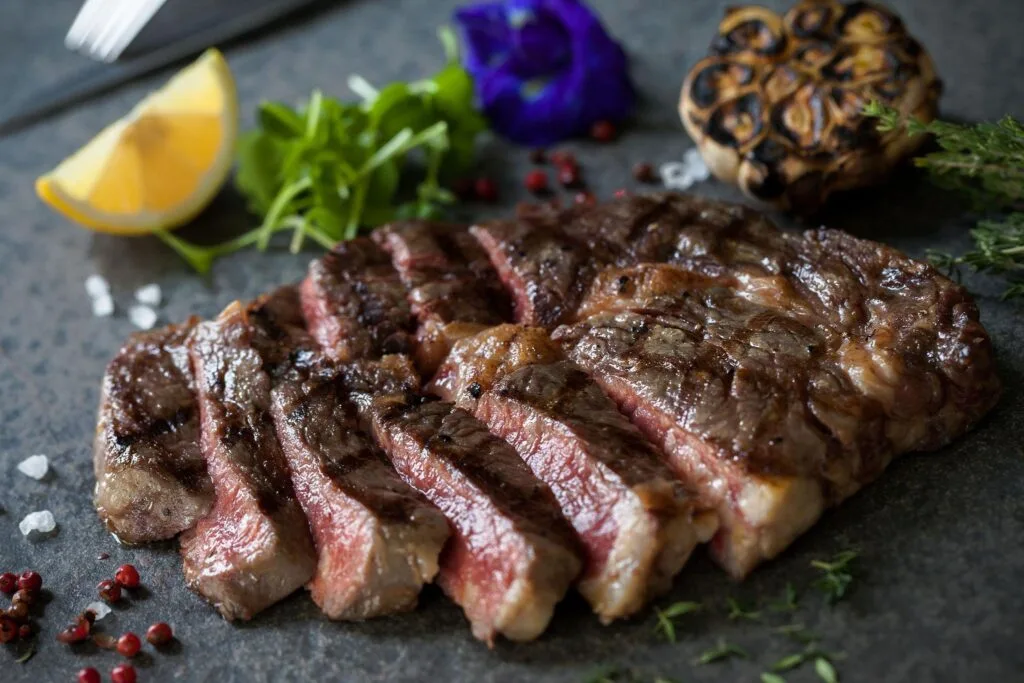
Ribeye Steak Quick Details
- Cut: Ribeye steak comes from the rib section of the cow, specifically the rib primal area between the chuck and loin.
- Flavor: Known for its rich, beefy flavor due to abundant intramuscular fat (marbling) that melts during cooking.
- Texture: Tender, juicy, and buttery when cooked properly.
- Best Cooking Methods: Grilling, pan-searing, broiling, or reverse searing are popular methods.
- Ideal Doneness: Many steak lovers prefer ribeye cooked to medium-rare (130–135°F internal temperature) to keep it juicy while allowing the fat to render.
- Bone-In vs. Boneless: Bone-in ribeye (often called a cowboy steak when thick-cut) can add extra flavor, while boneless ribeye is easier to cook evenly.
- Seasoning: Simple seasoning works best—coarse salt, black pepper, garlic, and herbs allow the natural beef flavor to shine.
- Thickness: A thicker cut (about 1.5–2 inches) is ideal for achieving a flavorful crust without overcooking the center.
- Resting Time: Let the steak rest for 5–10 minutes after cooking so the juices redistribute.
- Best Pairings: Ribeye pairs well with mashed potatoes, roasted vegetables, mushrooms, steak sauces, and a bold red wine.
In short: A ribeye steak is prized for its exceptional marbling, rich flavor, and tender texture, making it one of the most popular premium steak cuts for grilling and special meals.
Filet Mignon
Tender filet becomes even more luxurious.
New York Strip
A classic steakhouse combination.
Sirloin
Adds elegance to an affordable cut.
Porterhouse
Perfect for special occasions.
Tips for Success
Use Quality Wine
Better wine equals better flavor.
Don’t Rush the Reduction
Reduction creates depth.
Patience is rewarded.
Finish with Cold Butter
Cold butter emulsifies better than warm butter.
Simmer Gently
High heat can make the sauce bitter.
Taste Throughout Cooking
Season gradually instead of all at once.
Optional Flavor Variations
Mushroom Red Wine Sauce
Sauté sliced mushrooms before adding shallots.
Garlic Lover’s Version
Double the garlic.
Creamy Version
Whisk in a splash of heavy cream.
Peppercorn Version
Add crushed black peppercorns.
Bourbon Twist
Replace two tablespoons of wine with bourbon.
Common Mistakes
Using Sweet Wine
Dry wine creates the best balance.
Overcooking Garlic
Burned garlic makes the sauce bitter.
Skipping Reduction
Reduction concentrates flavor.
Adding Butter Too Early
Butter should always be added last.
Over-Salting
The sauce becomes saltier as it reduces.
Season near the end.
What to Serve with Steak
Complete the meal with:
- Garlic mashed potatoes
- Roasted asparagus
- Green beans
- Creamed spinach
- Roasted Brussels sprouts
- Parmesan potatoes
- Grilled mushrooms
- Dinner rolls
Make-Ahead Instructions
Prepare the sauce one day ahead.
Cool completely.
Store in an airtight container.
Reheat gently over low heat.
Whisk in a small piece of butter before serving.
Storage
Refrigerate for up to four days.
Freeze for up to three months.
Thaw overnight before reheating.
Frequently Asked Questions
Can I make this without beef stock?
Yes. Chicken stock or vegetable stock can be substituted, though beef stock provides the richest flavor.
Can I use leftover wine?
Absolutely. As long as the wine still tastes good, it’s suitable for cooking.
Can I make it alcohol-free?
You can replace the wine with additional beef stock and a tablespoon of balsamic vinegar. While the flavor will differ from a classic red wine reduction, it will still be delicious.
How do I know when the sauce is reduced enough?
Dip a spoon into the sauce and run your finger across the back. If the line stays clear, the sauce has reached the right consistency.
Can I use dried herbs?
Yes. Use about one-third the amount of dried herbs compared to fresh.
Final Thoughts
A homemade red wine reduction sauce for steak is one of the easiest ways to elevate a steak dinner. With a few simple ingredients and careful attention to the reduction process, you can create a sauce that’s rich, glossy, and packed with flavor.
Whether you’re cooking a weeknight sirloin or celebrating with filet mignon, this classic sauce adds depth without overwhelming the meat. Once you’ve mastered the basic technique, you can experiment with mushrooms, peppercorns, or fresh herbs to make it your own.
Serve it warm over your favorite steak alongside mashed potatoes or roasted vegetables, and you’ll have a meal that rivals your favorite steakhouse—all from your own kitchen.