MEASURED FRUIT DRINKS
Make DIY electrolyte drinks with fresh citrus, fruit, water, and a level, measured amount of fine table salt. Below you’ll find five complete recipes, each with an ingredient list, numbered instructions, and a yield of four cups. Start with the simple lemon and lime drink, then try orange, coconut water, watermelon, or strawberry.
At a glance: Makes 4 servings of 1 cup each · Prep: 5–10 minutes, depending on the flavor · No cooking required · Blender needed for watermelon and strawberry.
These DIY electrolyte drink recipes are lightly salted fruit beverages. Their nutrient content varies, and they have not been tested as medical oral rehydration solutions or endurance sports products. They should not replace treatment for dehydration caused by illness.
For moderate activity in heat lasting less than two hours, CDC/NIOSH recommends water; several hours of sweating may call for a sports drink with balanced electrolytes. These homemade drinks have not been formulated or verified for that role. [3]
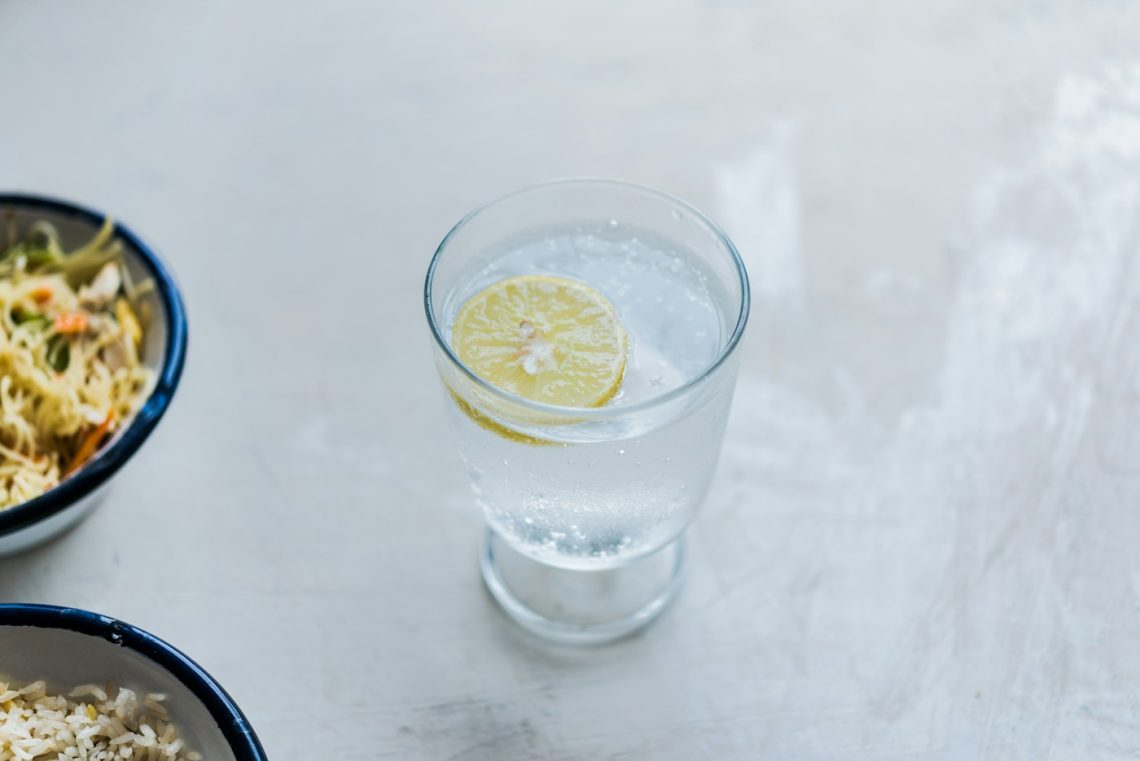
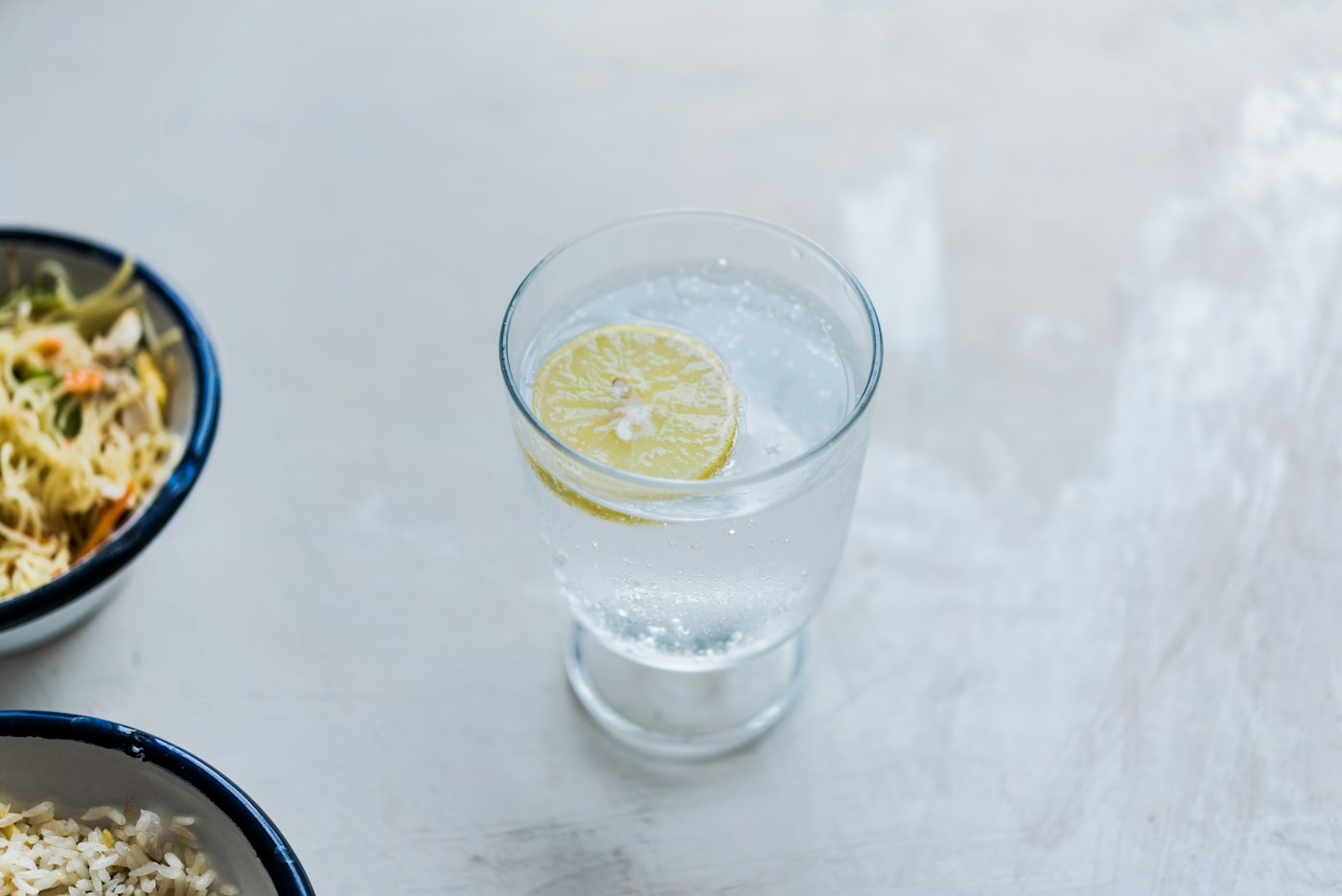
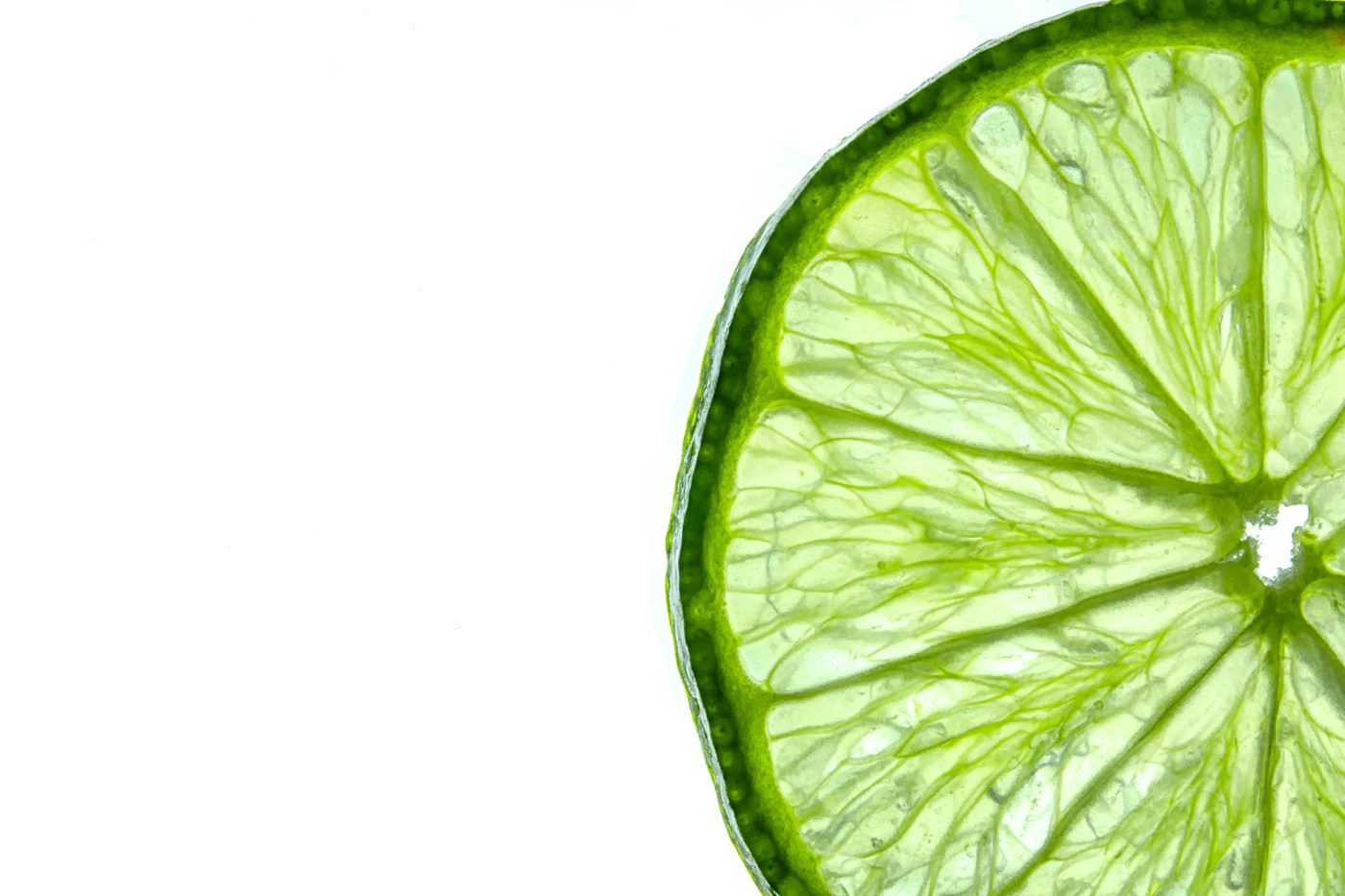
The lemon-water photo is serving inspiration, not a photograph of one of the measured recipes.
Before You Start
Set out a measuring jug, level measuring spoons, a citrus juicer, and a clean covered pitcher. Use fine table salt: coarse kosher salt and flaky salt measure differently. Use potable water and pasteurized juice or coconut water. Wash produce under running water, including watermelon rind before cutting.
All measurements use US cups. Four cups equals 32 fluid ounces, or about 946 milliliters. Add water until the finished mixture reaches four cups; do not add four cups of water on top of the fruit and juice. For two servings, halve every ingredient and make two cups total.
Which DIY Electrolyte Drink Recipe Should You Choose?
| Recipe | Flavor and texture | Equipment | Useful limit |
|---|---|---|---|
| Lemon and lime | Tart, clear, and light | Jug and citrus juicer | Add optional syrup only after tasting cold |
| Orange and lemon | Milder citrus with natural juice sweetness | Jug and spoon | Juice already contributes carbohydrate |
| Coconut water and lime | Distinct coconut flavor | Jug and spoon | Check the label if potassium or sodium matters |
| Watermelon and mint | Fruity, pulpy unless strained | Blender; strainer optional | Liquid yield varies with the fruit |
| Strawberry and lemon | Berry-forward and lightly tart | Blender; strainer optional | Separation during storage is normal |
Make one flavor before scaling it. A citrus version is the simplest no-blender choice, while the watermelon and strawberry versions require more cleanup and should be stirred before serving. For a family lunch, serve a chilled glass alongside make-ahead turkey hummus pinwheels or chickpea salad pita pockets. These links are meal-pairing ideas, not claims that the drinks provide a medically balanced electrolyte formula.
Five DIY Electrolyte Drink Recipes
Each recipe yields four one cup servings. The preparation times are estimates and exclude refrigerator chilling. Add water to the final four cup mark after mixing, rather than assuming that a fixed water quantity will produce the same yield with every fruit.
Lemon and Lime
Preparation time is approximately five minutes. This version has a clean, tart citrus flavor and requires no blender.
Ingredients
- 1/4 cup fresh lemon juice
- 2 tablespoons fresh lime juice
- 1/8 teaspoon fine table salt
- 1 tablespoon pure maple syrup, optional
- Potable water to make four cups total
Step-by-Step Instructions
- Stir the salt into 1/2 cup room temperature water until dissolved.
- Add the lemon juice, lime juice, and maple syrup if using. Stir until evenly mixed.
- Pour into a measuring jug and add water to the four cup mark.
- Transfer to a covered pitcher and refrigerate. Stir before serving over ice.
For a gentler citrus flavor, replace one tablespoon of lemon juice with water. Add ice to individual glasses so melting ice does not unpredictably dilute the stored batch.
Orange and Lemon
Preparation time is approximately five minutes. Orange juice gives this drink a rounder fruit flavor and usually makes additional sweetener unnecessary.
Ingredients
- 1 cup pasteurized 100 percent orange juice
- 2 tablespoons fresh lemon juice
- 1/8 teaspoon fine table salt
- Potable water to make four cups total
Step-by-Step Instructions
- Dissolve the salt in 1/2 cup room temperature water.
- Stir in the orange juice and lemon juice.
- Add water until the mixture measures four cups.
- Cover, refrigerate, and stir before pouring.
Choose pulp free juice for a smooth drink or a pulpy variety for more texture. Taste after chilling before deciding whether it needs any sweetness. Juice already contains naturally occurring sugars, even when the label says no added sugar.
Coconut Water and Lime
Preparation time is approximately five minutes. Plain coconut water adds a distinctive flavor; its potassium and sodium amounts vary by product.
Ingredients
- 2 cups plain pasteurized coconut water
- 2 tablespoons fresh lime juice
- 1/8 teaspoon fine table salt
- Potable water to make four cups total
Step-by-Step Instructions
- Stir the salt into 1/2 cup room temperature water until no grains remain.
- Combine with the coconut water and lime juice.
- Add water to reach four cups total, then mix thoroughly.
- Refrigerate in a covered container and shake or stir before serving.
Check the coconut water label for its nutrient content and ingredients. This diluted recipe should not be assumed to match a commercial sports drink. If you have a prescribed potassium restriction, ask your clinician whether coconut water fits your plan before choosing this version. [1]
Watermelon and Mint
Preparation time is approximately ten minutes, followed by an optional ten minute refrigerated infusion. This is the fruitiest version and may separate during storage.
Ingredients
- 2 cups cubed seedless watermelon
- 2 tablespoons fresh lime juice
- 1/8 teaspoon fine table salt
- 4 small fresh mint leaves
- Potable water to make four cups total
Step-by-Step Instructions
- Blend the watermelon with 1/2 cup water until smooth.
- Strain into a measuring jug if you prefer less pulp.
- Dissolve the salt in two tablespoons water, then stir it into the fruit mixture with the lime juice.
- Add water to the four cup mark. Gently bruise the mint leaves and add them.
- Refrigerate for ten minutes if desired, then remove the mint. Stir before serving.
The amount of liquid recovered from watermelon varies. Measuring the finished drink keeps the serving size consistent even when your fruit is especially juicy or you strain away more pulp.
Strawberry and Lemon
Preparation time is approximately ten minutes. Ripe strawberries provide color and a softer fruit flavor alongside the lemon.
Ingredients
- 1 cup hulled fresh strawberries
- 3 tablespoons fresh lemon juice
- 1/8 teaspoon fine table salt
- 1 tablespoon pure maple syrup, optional
- Potable water to make four cups total
Step-by-Step Instructions
- Blend the strawberries with 1/2 cup water until smooth.
- Strain if desired, then pour into a measuring jug.
- Dissolve the salt in two tablespoons water and add it with the lemon juice and optional maple syrup.
- Add water to reach four cups. Stir, cover, and refrigerate.
Use ripe berries for the fullest flavor. Separation is normal in a blended fruit drink, so stir before serving. The drink still contains naturally occurring sugar from strawberries when made without maple syrup.
Adjusting Flavor Without Guessing
Taste the drink cold because serving temperature changes your perception of sweetness and acidity. If it tastes too sharp, add water to your glass rather than repeatedly sweetening the entire pitcher. If it seems flat, try a little fresh citrus in an individual serving.
Do not add more salt simply because you want a stronger electrolyte effect. If a batch tastes distinctly salty, dilute it and remeasure the yield. Increasing sodium without a defined need does not make a beverage automatically more useful.
To make a two-cup batch, halve every ingredient only if you can accurately measure 1/16 teaspoon fine table salt. If your spoons do not include that size, make the full four-cup batch instead of estimating a pinch. For a larger batch, multiply every ingredient consistently and measure the final yield.
What the Nutrition Numbers Mean
The FDA equates the adult daily sodium limit of less than 2,300 milligrams with about one teaspoon of table salt. Using that rough household-measure conversion, 1/8 teaspoon of fine table salt contributes approximately 288 milligrams of sodium to a four-cup batch, or about 72 milligrams per one-cup serving. These are estimates for added salt only, not laboratory totals for the finished drinks. [2]
Juice, fruit, coconut water, and even some water sources can contribute additional minerals. Total sodium, potassium, carbohydrate, and calories therefore depend on the ingredients you actually use. Calculate packaged ingredients from their nutrition labels and use a reliable food composition database for fresh produce.
These estimates are not laboratory analyses. Straining fruit, changing brands, adding syrup, or serving with substantial ice can alter the final composition. Anyone tracking nutrients for a medical condition should rely on an individualized plan rather than an approximate recipe calculation.
Refrigeration and Serving
Refrigerate prepared drinks promptly in clean, covered containers at 40 degrees Fahrenheit or below. Treat fresh fruit mixtures as perishable. Discard a batch left unrefrigerated for more than two hours, or more than one hour when the surrounding temperature exceeds 90 degrees Fahrenheit. [4]
For the freshest flavor, make what you expect to drink within 24 hours. This is a conservative preparation preference, not a validated shelf life. Follow any shorter storage directions on opened juice or coconut water packaging.
Label the pitcher with its preparation date and keep it cold during transport using an insulated cooler and ice packs. Pour portions into separate glasses rather than drinking directly from the storage container. Smell and appearance alone cannot prove that an improperly stored drink is safe.
When Homemade Drinks Are Inappropriate
Significant vomiting or diarrhea requires different guidance. Commercial oral rehydration salts are designed for that purpose and must be mixed with the exact water quantity on the packet. These fruit drink recipes are not replacements for oral rehydration solution, especially for children with gastrointestinal illness. [5]
People with kidney disease, potassium restrictions, sodium restrictions, or prescribed fluid limits should check ingredients with their clinician. Certain medicines can affect potassium levels. Avoid improvising with potassium chloride salt substitutes or mineral powders. [1]
Seek urgent medical help for confusion, loss of consciousness, or suspected heatstroke. Contact a clinician when dehydration symptoms persist or worsen. Mixing another pitcher should not delay care for serious illness. [6]
Sources
1. NIH Office of Dietary Supplements. Potassium Fact Sheet for Consumers.
2. US Food and Drug Administration. Sodium in Your Diet.
3. CDC National Institute for Occupational Safety and Health. Workplace Recommendations for Heat Stress.
4. US Food and Drug Administration. Safe Food Handling.
5. CDC Yellow Book. Travelers Diarrhea.
6. MedlinePlus. Dehydration.