Learning how to preserve handwritten family recipe cards means protecting the original handwriting while making a clear copy people can find and cook from. Begin with five cards, a clean table, and a simple index. Keep the original, its transcript, and any modern cooking changes as separate records.
Start with a five-card workflow
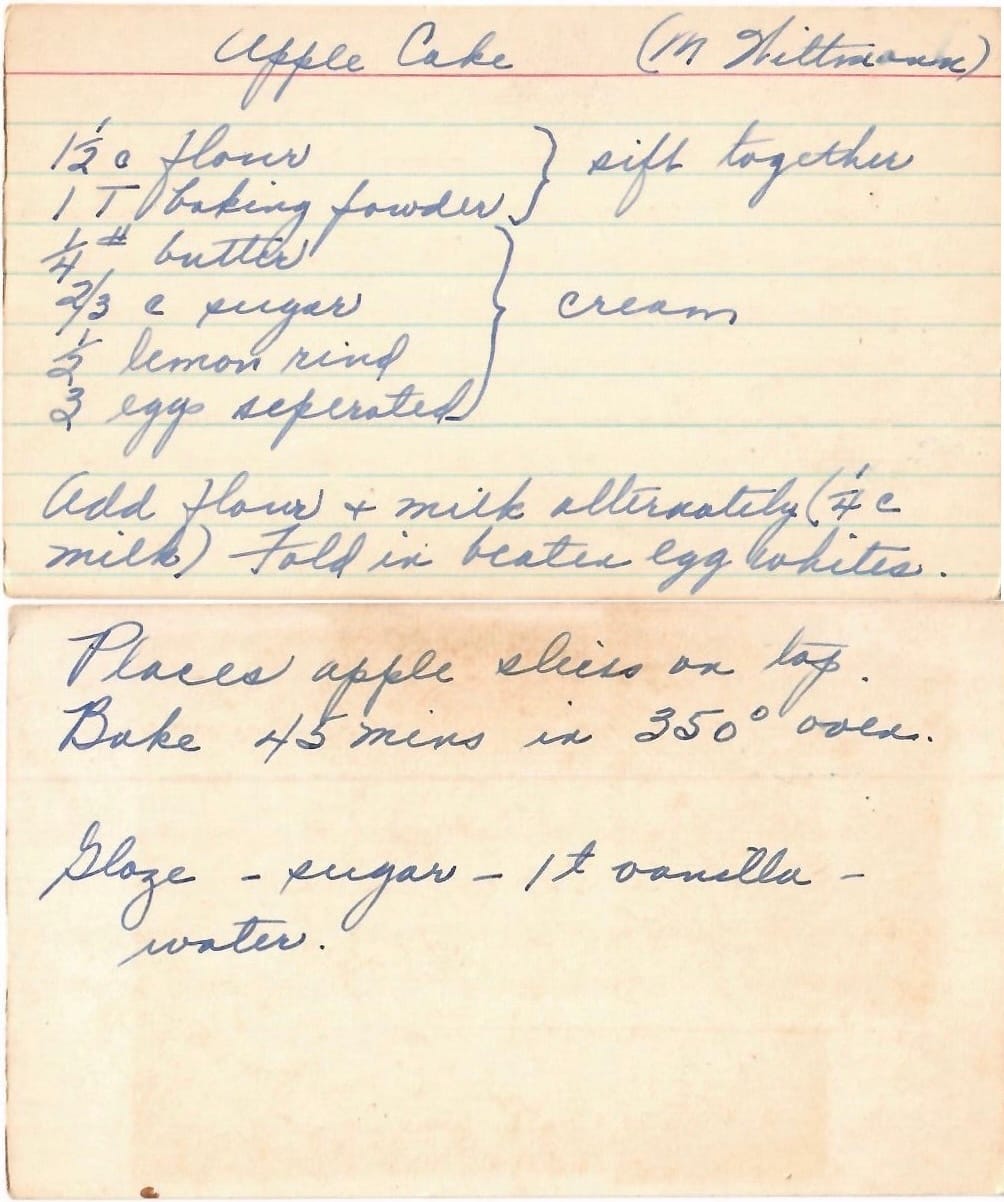
- Record the context. Photograph the box, dividers, envelopes, and the cards in their existing order. Give each card an identifier in an index; put the number on its enclosure, not the original. Record the title as written, known author, whether the back has writing, and visible damage.
- Handle with support. Work with clean, dry hands on a clean surface away from food and drink. Support each card underneath. Do not force folds flat, scrape spills, peel stuck pages, or add ordinary tape or glue.
- Capture both sides. Include every edge under even light, with the camera directly above the card. Photograph the back even when it seems blank. Check small writing at magnification before returning the card to its folder.
- Transcribe exactly. Keep the original quantities, abbreviations, and ingredient order. Mark unreadable words as [unclear], and label a proposed reading as a guess. Do not silently turn a “teacup” into a modern cup.
- Store and back up. Use appropriate acid- and lignin-free folders or suitable archival enclosures in a protective box. Keep a second digital copy in a different location and confirm that the copied files open.
The Library of Congress paper-care guidance explains supportive storage, clean handling, light exposure, and materials to avoid. If a card is moldy, damp, brittle, flaking, or stuck to another surface, stop handling it and seek help from an archive or qualified paper conservator.
Make a faithful digital master
A flatbed scanner can work for stable, flat cards. Avoid a document feeder for fragile originals and do not press a curled card flat to close a scanner lid. Use a camera if scanning would strain the paper. The Library of Congress digitization guidelines describe the handling risks.
A color scan around 300 pixels per inch is a practical starting point for ordinary cards; tiny pencil notes may need more detail. Judge the actual image rather than treating one resolution as suitable for everything. Preserve the untouched camera or scanner output. Crop, brighten, or sharpen a separate reading copy.
Build a record another relative can follow
The example below shows a naming system, not a verified description of a particular family’s card. Use one pattern consistently and update the location whenever an original moves.
| Field | Example or instruction |
|---|---|
| Identifier | FR-001, recorded on the enclosure and in the index |
| Title | Copy the wording on the card; note when no title is present |
| Author / date | Use “unknown” or “undated” unless confirmed; keep family attribution separately |
| Physical location | Box 01, Folder 03 |
| Master images | FR-001-front.jpg and FR-001-back.jpg, or the original capture format |
| Transcript | FR-001-transcript, with uncertain readings marked |
| Cooking notes | A separate dated record naming the cook, pan, measurements, and actual result |
Keep the story without rewriting the evidence
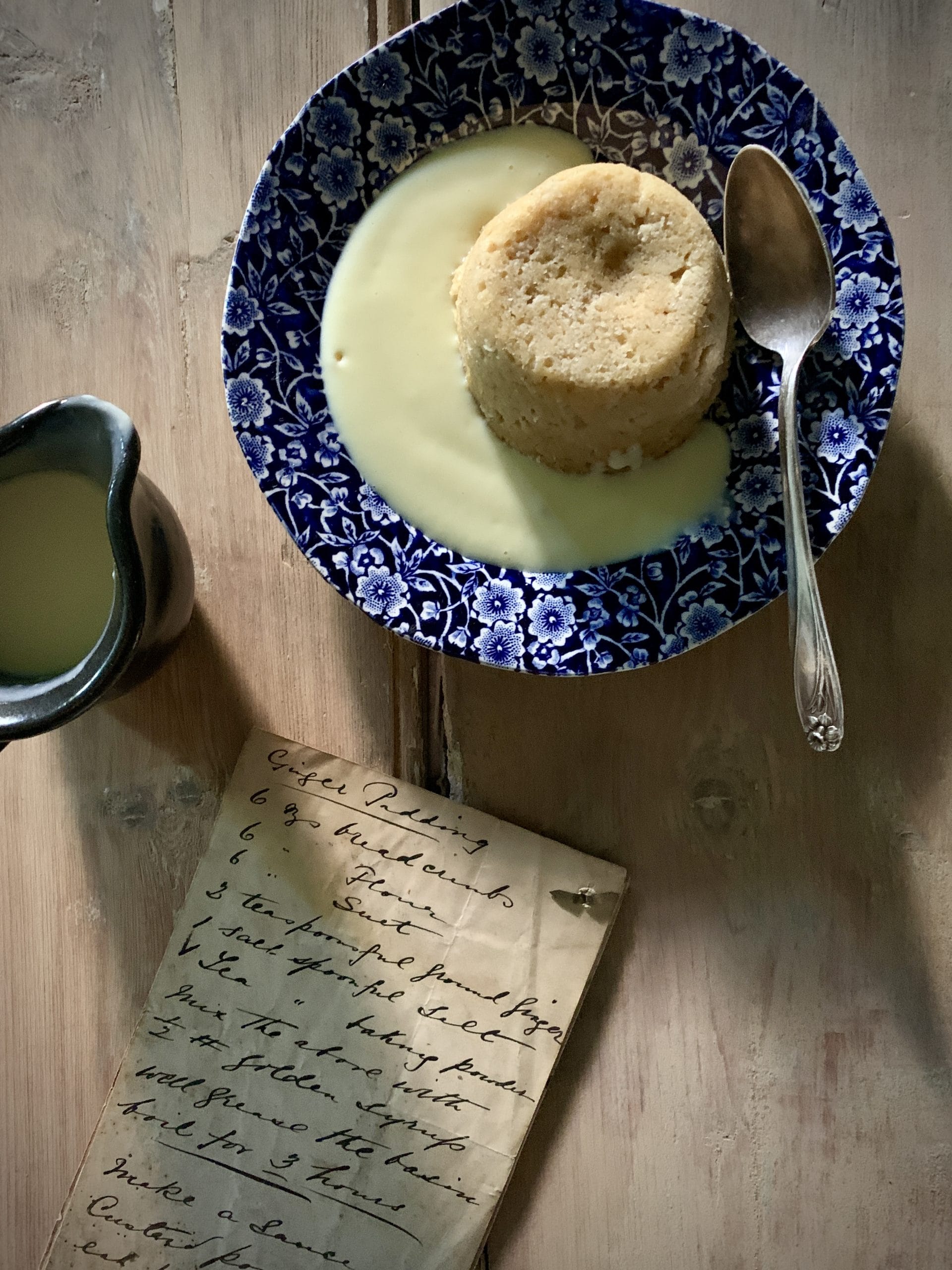
Ask who made the dish, when it was served, and what an unusual ingredient name meant in that household. Date and attribute each recollection. If two relatives remember different versions, preserve both. A second card with different quantities deserves its own identifier and a cross-reference, not a merged “original.”
Ask before publicly sharing living people’s names, personal stories, or photos. A family folder may be the right first place for intimate notes. Record the source of newspaper clippings and other borrowed material before deciding what can be published.
Use copies in the kitchen
Print a working copy with its identifier and keep the original away from flour, grease, steam, and wash water. In that working file, separate transcription, family context, and modern cooking notes. A newly measured pan or trial baking time belongs in the third section, with its date and author.
For example, a card that says “moderate oven” should keep those words in its transcript. A later cook can record the temperature they tried and the result without claiming that the number appeared on the card. The National Archives guide to preserving family recipes discusses preserving originals while making recipes accessible.
Historical preservation recipes need current researched methods. Use the tested-jelly recipe guide when an old card gives vague canning directions. For meat dishes, compare the old visual cues with thermometer guidance for a whole chicken. Keeping an heirloom does not require repeating every historical technique.
Store the box where you can care for it
Choose a stable living-space cupboard away from sunlight, dampness, leaking pipes, vents, and temperature extremes. Avoid overcrowding folders. Keep the index with the archive and tell another family member where the originals and digital copies live. Revisiting five finished records is easier than reconstructing a box whose filenames and physical locations no longer agree.