Pantry recipe / Pumpkin soup for two
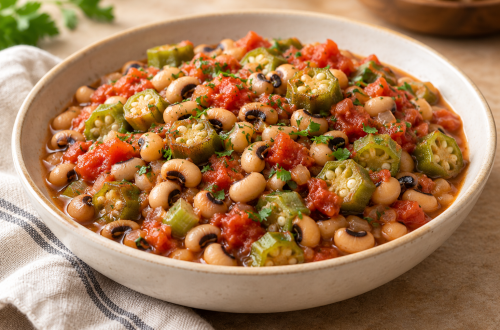
This small batch canned pumpkin black bean soup without cream pairs pumpkin with black beans, cumin, smoked paprika, and lime for a savory two-bowl dinner. The pumpkin thickens the broth without cream or a blender, while the beans stay whole enough to give each spoonful substance. Everything cooks in one saucepan.
Keep the base mild and put hot sauce on the table. That lets each person adjust the heat without changing the balance of the whole pot.
Kitchen-testing note: Family Recipe HQ does not have a documented kitchen test for this recipe. The yield, thickness, seasoning balance, and cooking times are estimates.
Small batch canned pumpkin black bean soup without cream: recipe
- Estimated yield: 2 generous bowls; finished volume has not been measured
- Estimated preparation: about 10 minutes
- Estimated cooking: 20–25 minutes, including the time needed to reach a simmer
- Equipment: 2- to 3-quart saucepan, wooden spoon or heatproof spatula, measuring cups, knife, and cutting board
- Texture target: thick enough to coat a spoon lightly, but loose enough to ladle without forming a mound
Ingredients
- 1 tablespoon olive oil
- 1/2 medium onion, finely diced (about 1/2 cup)
- 2 garlic cloves, minced
- 1 teaspoon ground cumin
- 1/2 teaspoon smoked paprika
- 1 cup plain canned pumpkin puree (about 240–245 g depending on brand)
- 1 can (15 ounces) black beans, drained and rinsed
- 2 cups low-sodium vegetable broth, plus up to 1/2 cup extra if needed
- 1/4 teaspoon fine salt, plus more only after tasting
- 1/4 teaspoon black pepper
- 2 teaspoons lime juice, plus lime wedges for serving
- Optional: 1 tablespoon chopped cilantro and tortilla strips for serving
Choose a can labeled 100% pumpkin or pumpkin puree. Pumpkin pie filling contains sugar and warm baking spices, so it will not produce the intended savory soup. Measure one cup rather than emptying the entire can into the pan.
The black beans must already be cooked. One drained 15-ounce can can be replaced with about 1 1/2 cups fully cooked, drained homemade black beans. Dry beans are not a direct substitute; cook them separately before beginning this soup.
Method
- Soften the onion. Heat the olive oil in the saucepan over medium heat. Add the diced onion and cook for an estimated 5–6 minutes, stirring occasionally, until it is soft and translucent. Lower the heat if the edges begin browning before the pieces soften.
- Wake up the spices. Add the garlic, cumin, and smoked paprika. Stir for about 30 seconds, just until fragrant. This short contact with the oil helps distribute the spices, but garlic and paprika can become bitter if they scorch.
- Dissolve the pumpkin before filling the pot. Add the pumpkin and 1/2 cup of the measured broth. Stir until the puree loosens into a smooth orange base, pressing any dense pockets against the side of the saucepan. Gradually stir in the remaining 1 1/2 cups broth. Adding it in stages is easier than chasing pumpkin clumps through a full pot.
- Add the beans and simmer gently. Stir in the drained beans, salt, and pepper. Bring the soup to a gentle boil, then reduce the heat and simmer uncovered for an estimated 10–12 minutes. Stir across the bottom every few minutes; the thick pumpkin broth can settle and catch if it is left still.
- Judge the spoon, not only the clock. Lift a spoonful and let it flow back into the pot. If the soup drops in a heavy lump, add extra broth 2 tablespoons at a time. If it runs like plain broth, continue simmering for a few minutes, stirring more frequently as it thickens. Keep the beans whole unless you intentionally want a thicker, darker-looking broth.
- Finish with lime off the heat. Remove the saucepan from the burner and stir in 2 teaspoons lime juice. Taste one spoonful before adding more salt, pepper, or lime. Broth sodium and pumpkin sweetness vary, so adjust in small increments. Divide into bowls and add crunchy toppings only at serving time.
A small-batch cooking plan
This small batch canned pumpkin black bean soup without cream is particularly convenient when you need two bowls rather than a large pot of leftovers. Before turning on the burner, drain the beans, measure the pumpkin into a cup, and set out the broth. Keep the extra broth separate from the measured two cups so you can tell how much you add to adjust the thickness.
Choose the saucepan before choosing the heat. A broad pan exposes more soup to the air and can reduce the liquid more quickly; a narrow pan may retain a looser texture over the same cooking time. Match the burner to the pan base and look for gentle bubbling across the surface after the initial boil. Constant, forceful splashing is a reason to lower the heat, not evidence that dinner is cooking better.
Use the simmering interval to prepare the lime and set out the toppings. Then ladle the first bowl with a scoop from the bottom of the saucepan, where whole beans may settle, rather than taking only pumpkin broth from the surface. Divide the beans between both bowls before distributing the remaining liquid.
For one serving now and one later, portion the second serving before adding tortilla strips or avocado. Keep those toppings separate so the soup can be reheated without losing their texture. Follow the cooling and storage instructions below rather than leaving the spare serving in the saucepan until you are ready to clean up.
Balance pumpkin, beans, and lime
| What you notice | Likely reason | Best next move |
|---|---|---|
| The soup tastes sweeter than expected | Pumpkin pie filling may have been used, or the plain puree needs more savory contrast | Check the can first. If it is plain puree, test a little extra lime and a small pinch of salt in one spoonful before changing the whole pot. |
| The soup is too thick to ladle | Pumpkin brand, evaporation, or pan width reduced the free liquid | Stir in broth 2 tablespoons at a time. Let each addition heat through before deciding it needs more. |
| The soup is thin | It has not simmered long enough, or extra liquid was added too quickly | Simmer uncovered in short intervals. Stir the bottom frequently so reduction does not become scorching. |
| The beans are breaking apart | The boil is too hard or the pot is being stirred aggressively | Lower the heat to a gentle simmer and fold with a broad spoon. The beans are already cooked and need only to heat through. |
| The bottom smells scorched | Thick puree settled against a hot pan | Stop stirring and move the unburned soup to a clean saucepan. Do not scrape the burned layer into the new pot. |
Pumpkin supplies the body here; cream is not missing from the method. Mashing a few spoonfuls of beans against the side of the pan will thicken it further, but it will also darken the broth and make the texture less chunky. Make that adjustment only if you prefer the change.
For other soups that need a different thickening method, use the site’s guide to thickening soup without flour or cornstarch.
Changes that keep the method intact
- Paprika: Regular sweet paprika can replace smoked paprika in the same quantity. The soup will be milder and will not have the same smoky note.
- Beans: Use about 1 1/2 cups fully cooked, drained black beans. Pinto beans will change the flavor and color and should be treated as a separate variation rather than an invisible swap.
- Heat: Keep the saucepan mild. Add hot sauce or chile flakes to individual bowls so diners can choose their own level.
- Dairy-free serving: The base contains no cream, but vegetable broth, tortilla strips, and optional toppings still need label checks. Keep yogurt, cheese, or other dairy toppings separate.
- Scaling: Do not assume that doubling also doubles the cooking time. A doubled formula needs at least a 4-quart pot for comfortable headroom, and its evaporation, simmer time, and seasoning require a separate check.
Transfer unused canned pumpkin to a covered container promptly and follow the product label for refrigerator storage. Freeze measured portions if you will not use them within the labeled window. Writing the amount on the container makes the remainder easier to use in another recipe.
Finish each bowl for contrast
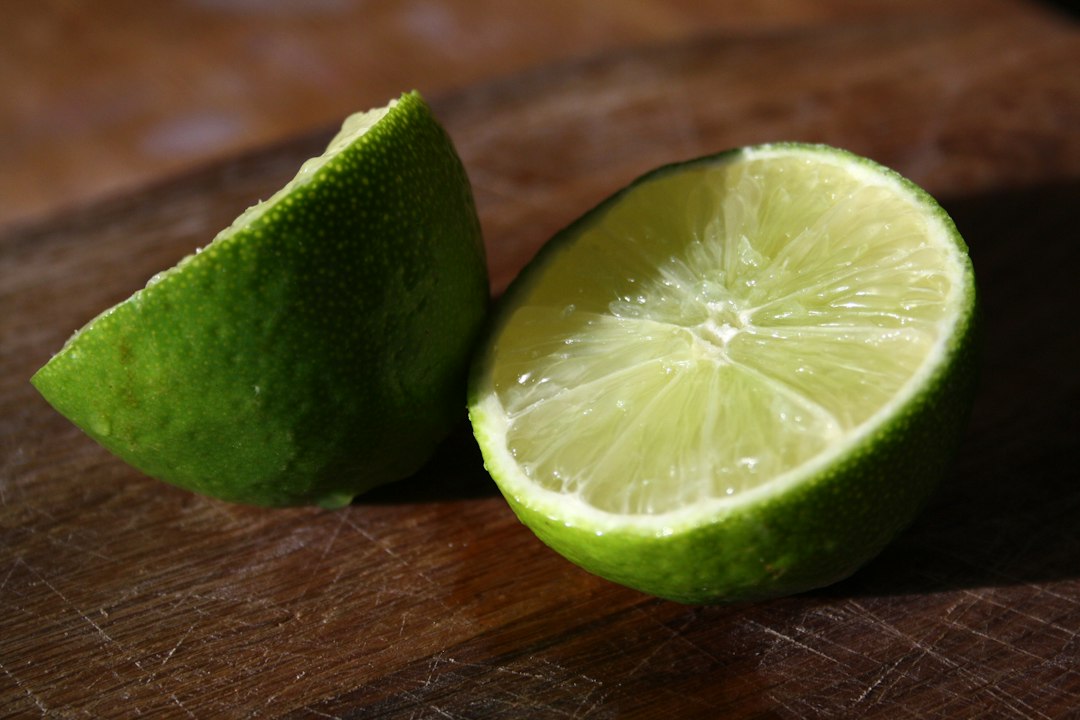
Tortilla strips add crunch, cilantro adds freshness, avocado adds richness, and a lime wedge lets each person sharpen the flavor. Add crisp toppings at the table rather than to the saucepan; they soften quickly in the thick broth.
Toast or a simple salad can turn the two bowls into a fuller meal. For a separate pantry dinner with rice, black beans, and corn, see one-pot salsa rice with black beans and corn.
Cool, store, and reheat the soup safely
Transfer leftovers to shallow containers and refrigerate within 2 hours, or within 1 hour when the surrounding temperature is above 90°F. Keep the refrigerator at 40°F or below and use refrigerated leftovers within 3–4 days.
Reheat only the amount needed. Stir frequently and heat the soup throughout to 165°F; USDA guidance also advises bringing leftover soups to a rolling boil. Add a splash of broth if the chilled soup has thickened. Thaw frozen portions in the refrigerator, or reheat them safely from frozen until fully hot. Add cilantro, tortilla strips, avocado, and other fresh toppings only after reheating.
The cooling, storage, and reheating limits above follow USDA leftovers and food safety guidance.
Printable recipe
Print the measured ingredients and step-by-step instructions using the recipe card below.
THE COMPLETE RECIPE
Small Batch Canned Pumpkin Black Bean Soup Without Cream
Yield: 2 generous bowls (estimated)
Ingredients
- 1 tablespoon olive oil
- 1/2 medium onion Finely diced, about 1/2 cup.
- 2 cloves garlic Minced.
- 1 teaspoon ground cumin
- 1/2 teaspoon smoked paprika
- 1 cup plain canned pumpkin purée About 240–245 g depending on brand; not pumpkin pie filling.
- 1 15-ounce can black beans Drained and rinsed.
- 2 cups low-sodium vegetable broth Plus up to 1/2 cup extra if needed; keep the extra separate.
- 1/4 teaspoon fine salt Plus more only after tasting.
- 1/4 teaspoon black pepper
- 2 teaspoons lime juice
- lime wedges For serving.
- 1 tablespoon fresh cilantro Chopped; optional, for serving.
- tortilla strips Optional, for serving.
Equipment
- 1 2- to 3-quart saucepan
- 1 wooden spoon or heatproof spatula
- Measuring cups and spoons
- 1 Knife and cutting board
Instructions
- Soften the onion. Heat the olive oil in the saucepan over medium heat. Add the diced onion and cook for an estimated 5–6 minutes, stirring occasionally, until it is soft and translucent. Lower the heat if the edges begin browning before the pieces soften.
- Wake up the spices. Add the garlic, cumin, and smoked paprika. Stir for about 30 seconds, just until fragrant. This short contact with the oil helps distribute the spices, but garlic and paprika can become bitter if they scorch.
- Dissolve the pumpkin before filling the pot. Add the pumpkin and 1/2 cup of the measured broth. Stir until the puree loosens into a smooth orange base, pressing any dense pockets against the side of the saucepan. Gradually stir in the remaining 1 1/2 cups broth. Adding it in stages is easier than chasing pumpkin clumps through a full pot.
- Add the beans and simmer gently. Stir in the drained beans, salt, and pepper. Bring the soup to a gentle boil, then reduce the heat and simmer uncovered for an estimated 10–12 minutes. Stir across the bottom every few minutes; the thick pumpkin broth can settle and catch if it is left still.
- Judge the spoon, not only the clock. Lift a spoonful and let it flow back into the pot. If the soup drops in a heavy lump, add extra broth 2 tablespoons at a time. If it runs like plain broth, continue simmering for a few minutes, stirring more frequently as it thickens. Keep the beans whole unless you intentionally want a thicker, darker-looking broth.
- Finish with lime off the heat. Remove the saucepan from the burner and stir in 2 teaspoons lime juice. Taste one spoonful before adding more salt, pepper, or lime. Broth sodium and pumpkin sweetness vary, so adjust in small increments. Divide into bowls and add crunchy toppings only at serving time.
Notes
Rate This Recipe
Made this recipe? Choose a star rating in the comment form and share how it turned out. Your cooking time and any ingredient changes can help the next reader.
Rate This Recipe