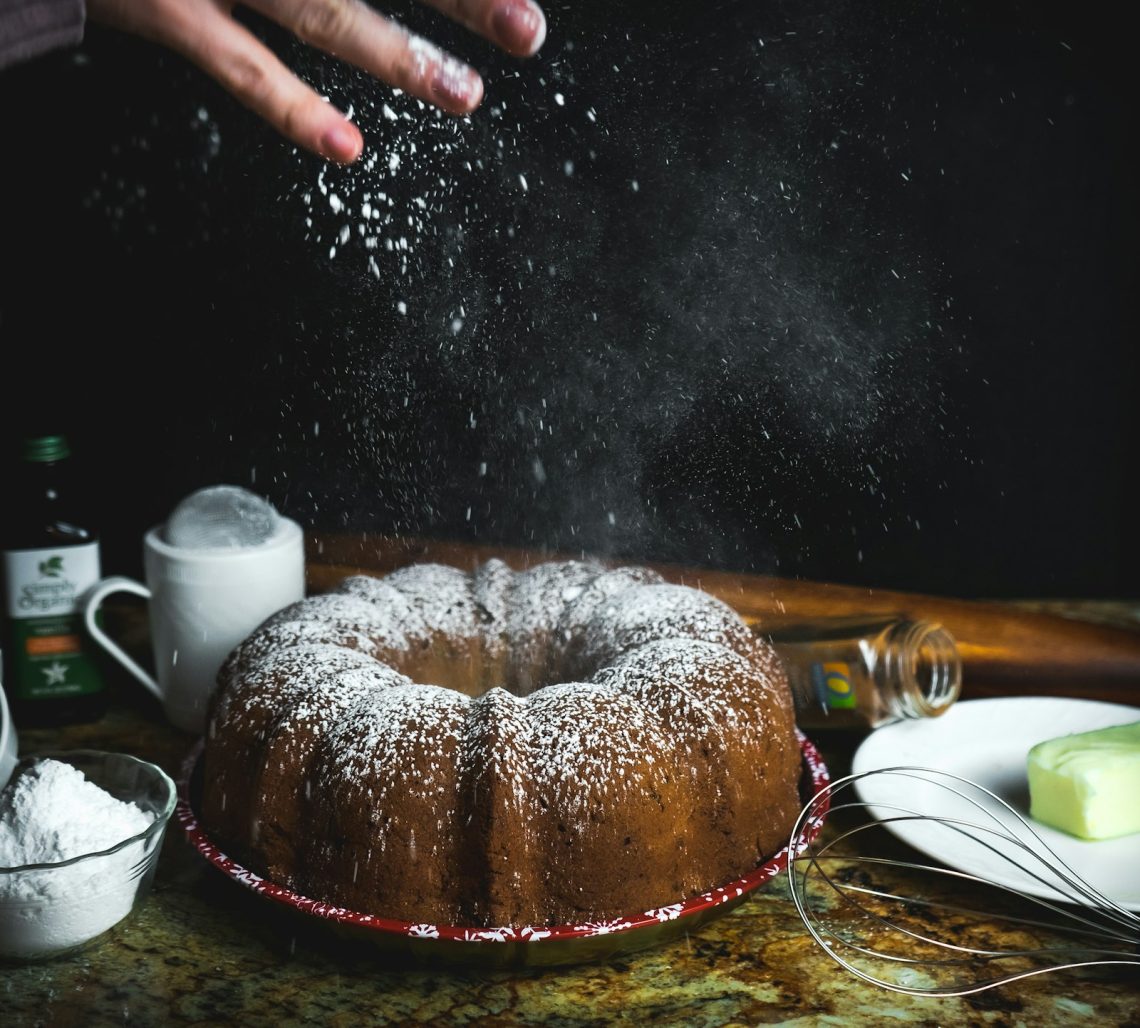
This small batch molasses applesauce cake bakes in an 8-by-4-inch loaf pan and cuts into six modest slices. Unsweetened applesauce gives the crumb moisture, molasses brings a deep flavor, and cinnamon and ginger keep the cake warm and aromatic. It is a simple snack cake that can be mixed by hand.
Affiliate disclosure: As an Amazon Associate I earn from qualifying purchases. These paid links open Amazon search results for comparing equipment.
Check the inside top measurements of an 8-by-4-inch metal loaf pan (paid link) before mixing the batter, and have a cooling rack (paid link) ready for the cake after baking. A roll of parchment paper (paid link) makes lifting the cake out easier.
The pan matters: this is a shallow cake in a loaf pan, not a tall sandwich-style loaf. A small amount of batter bakes more evenly when the pan dimensions are known. The directions include texture checks, practical substitutions, and ways to avoid a gummy center or dry edges.
Jump to the measured loaf-pan cake
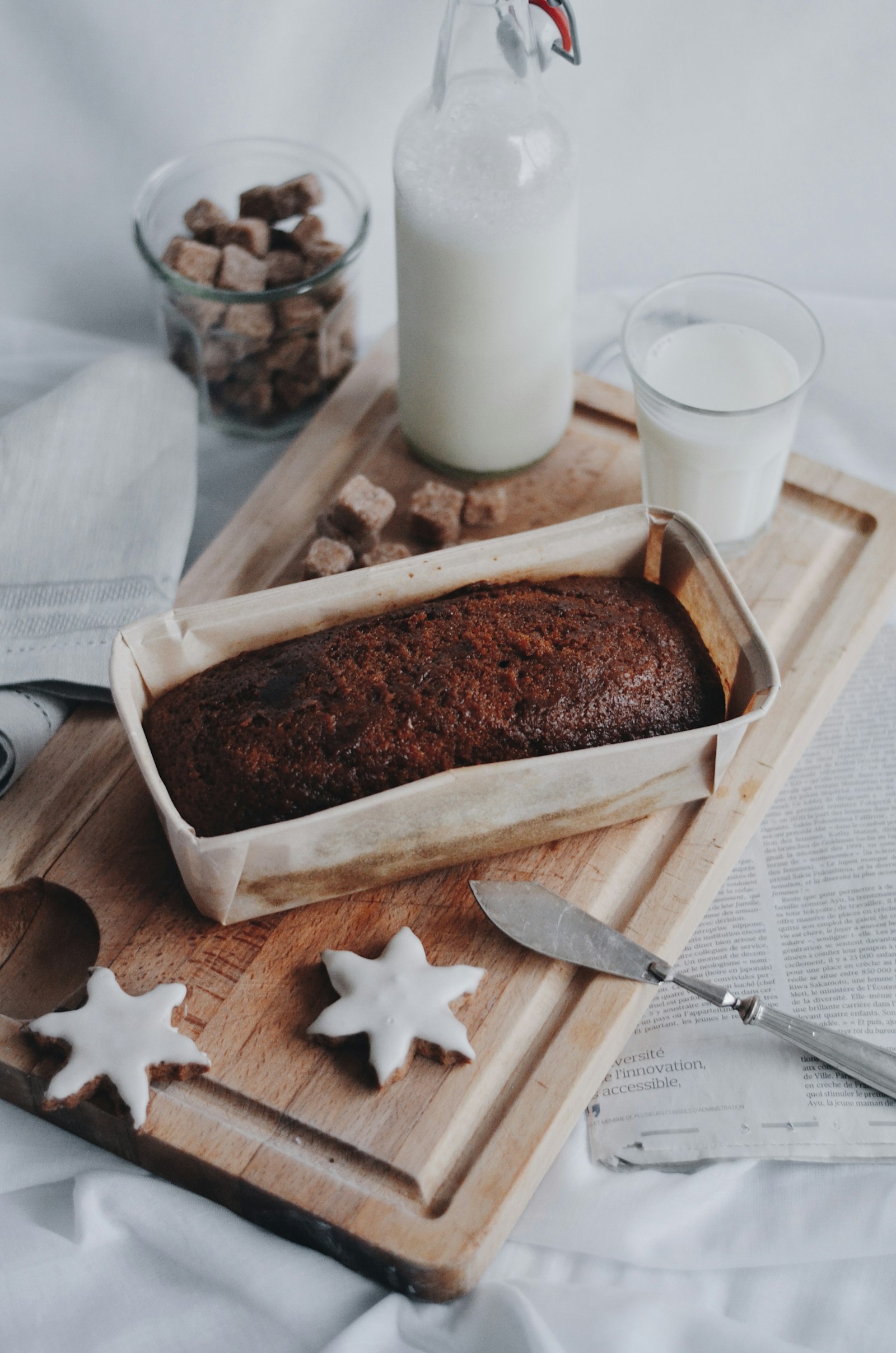
Balance molasses strength with applesauce moisture
- Use the molasses type named in the recipe; blackstrap is more bitter and not an equal flavor substitute.
- Measure applesauce consistently because extra liquid can leave the center gummy.
- Mix only until the flour disappears and spread the batter evenly in the loaf pan.
- Test the center away from a dark molasses streak and cool before slicing.
The loaf continues setting as steam escapes. If the top darkens early, shield it rather than lowering the oven before the center has finished baking.
Choose the molasses before measuring
Use regular unsulfured molasses, sometimes labeled original or mild. Blackstrap molasses has a substantially more bitter flavor and is not the intended choice for this cake. A stronger product cannot be made equivalent simply by adding extra sugar.
Use plain unsweetened applesauce with a relatively smooth texture. Sweetened cinnamon applesauce changes both the sugar and spice balance. Very chunky sauce can leave wet pockets, while an unusually watery homemade sauce may need draining or gentle reduction before it behaves like the measured ingredient.
The pairing is established in baking: Grandma’s Molasses’ applesauce cake combines the same broad flavors. The smaller recipe here has its own quantities, mixing method, and pan, so follow the complete formula rather than exchanging portions between the two.
Small batch molasses applesauce cake
Yield: 1 shallow 8-by-4-inch cake, cut into 6 slices. Preparation: 15 minutes. Baking: 32–40 minutes. Cooling: at least 30 minutes. Total: about 80–85 minutes before slicing.
Equipment: an 8-by-4-inch metal loaf pan, measured across the inside top edges, parchment, two bowls, whisk, spatula, and cooling rack. The pan should be at least 2 inches deep.
Ingredients
- 1 1/4 cups all-purpose flour, spooned and leveled, 150 g
- 1 teaspoon baking powder
- 1/4 teaspoon baking soda
- 1/4 teaspoon fine salt
- 3/4 teaspoon ground cinnamon
- 1/2 teaspoon ground ginger
- 1 large egg
- 1/4 cup packed light brown sugar, approximately 53 g
- 1/4 cup regular unsulfured molasses, approximately 85 g
- 1/2 cup unsweetened applesauce, approximately 128 g
- 3 tablespoons neutral oil, such as canola, plus a little for the pan
- 1/2 teaspoon vanilla extract
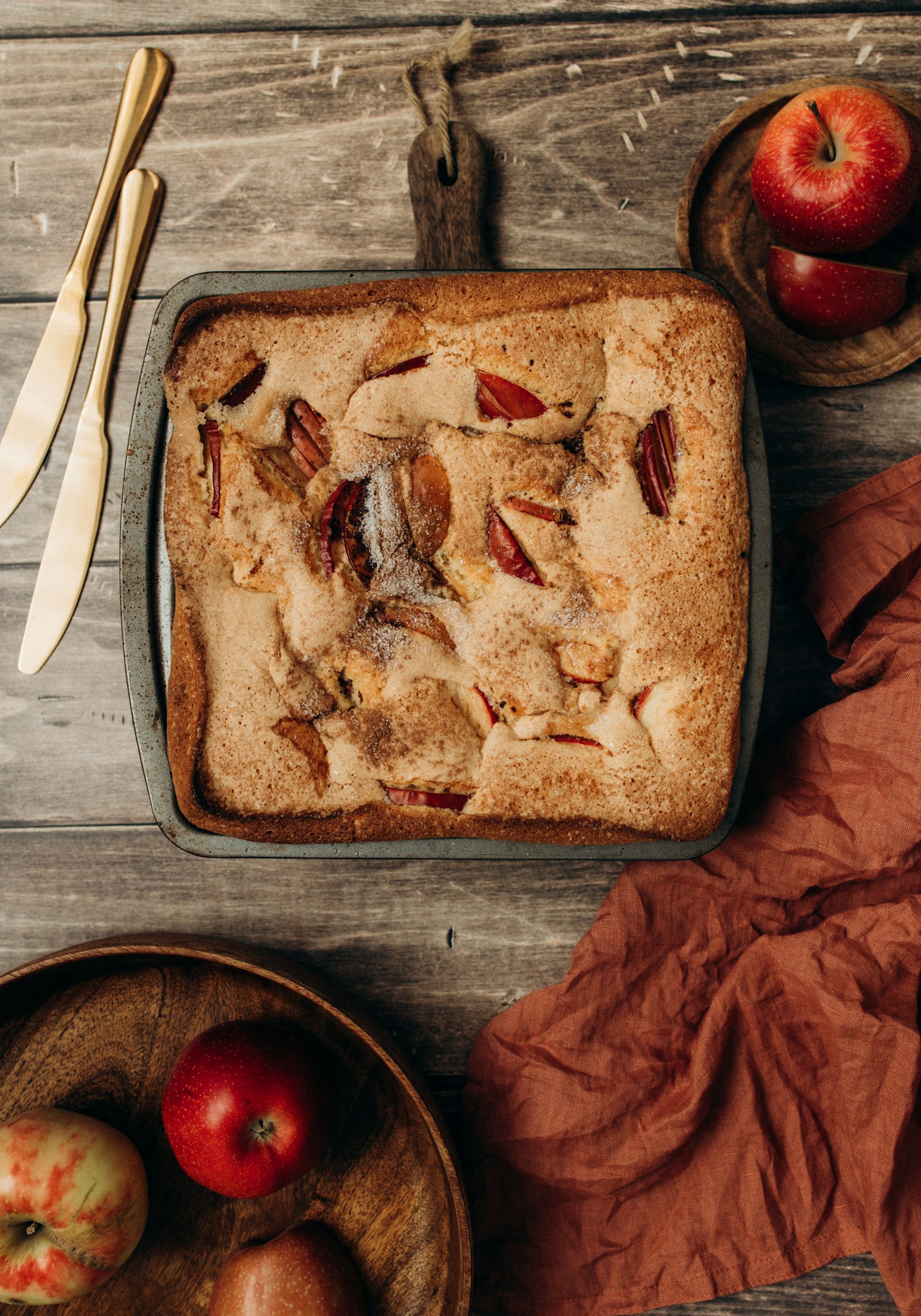
Mix, bake, and cool
- Prepare the pan thoroughly. Heat a conventional oven to 350°F (175°C) with a rack in the center. Lightly oil the loaf pan. Fit a strip of parchment across the bottom and long sides, leaving enough overhang to lift the cake later.
- Combine the dry ingredients. Whisk the flour, baking powder, baking soda, salt, cinnamon, and ginger in a bowl. Break up any small soda lumps so the leavener is evenly dispersed before it meets moisture.
- Whisk the egg and sugar. In the second bowl, whisk the egg and brown sugar until no large sugar lumps remain. Add the molasses, applesauce, oil, and vanilla, then whisk until the mixture looks uniform. It does not need to become foamy.
- Fold in the flour. Add the dry mixture to the wet ingredients. Fold with a spatula, scraping the bottom and sides, until no dry flour remains. Stop at that point; the batter should be thick and softly flowing, with a slightly uneven surface.
- Fill the pan. Scrape the batter into the lined loaf pan and spread it into the corners. Level gently with the spatula. Do not add extra applesauce to make the batter runnier or expect the pan to be filled as deeply as a full-sized quick bread.
- Bake to the center. Bake for 32–40 minutes. Begin checking toward the earlier end. The center should spring back gently, and a skewer inserted into the deepest part should come out without raw batter; a few moist crumbs are fine.
- Cool before lifting. Rest the cake in its pan on a rack for 10 minutes. Loosen any exposed short edges, then lift using the parchment and set the cake on the rack. Cool for at least 20 more minutes before cutting into six slices.
Why this cake stays shallow
The recipe is sized to give six slices without leaving a large loaf behind. A shallower layer reduces the distance heat needs to travel to the center. The top may form a small crack, but you should not expect the dramatic rounded crown of a full pan of banana bread.
An 8-by-4-inch pan and a 9-by-5-inch pan have noticeably different base areas. In the larger pan the batter spreads thinner and can dry sooner. If that is the only pan available, expect a flatter cake and begin checking earlier; do not rely on the original time as a promise.
A glass pan also heats differently from metal and may keep cooking the edges after it leaves the oven. Use the specified metal pan for the most straightforward result. If adapting equipment, write down the change so a future adjustment has a clear starting point.
Keep the crumb tender without adding extra liquid
Applesauce contributes moisture already, and molasses also brings liquid along with sweetness. The batter can look thicker than a boxed cake mix without being too dry. Resist thinning it with milk unless you are developing and testing a different formula.
The University of Wyoming quick-bread mixing guidance applies to this style of batter: mix the wet and dry ingredients separately, then combine them gently. Beating after adding flour can create a tougher crumb without improving the cake’s rise.
Measure flour accurately. The King Arthur guide to measuring flour explains why a densely scooped cup can differ from a lightly spooned one. In a small cake, that difference is large enough to change both the batter and the finished texture.
Changes that make sense
Dark brown sugar: use the same amount for a slightly deeper molasses flavor. The cake already contains molasses, so taste the original before seeking a much darker result.
Spice variation: add a small pinch of ground nutmeg or reduce ginger to 1/4 teaspoon for a milder cake. Do not replace the measured spices with the same volume of cloves, which would overpower the small batch.
Raisins: fold in up to 2 tablespoons with the final flour folds if desired. Keep the amount limited so the cake still slices cleanly. Very dry raisins can be soaked, drained, and patted dry first.
No applesauce: choose another cake recipe rather than automatically substituting mashed banana, pumpkin, or yogurt. Each has a different water content, acidity, and flavor. A successful substitute needs more than matching the cup measure.
Find the cause of a gummy or dry slice
Gummy band at the bottom: possible causes include underbaking, unusually watery applesauce, or cutting while the cake is too hot. Check the middle with a skewer and let the cake cool before deciding that it needs more flour.
Dry edges with a wet center: check the pan size and oven temperature. A pan that is too small or deep creates a thicker center, while a hot oven can brown the outside early. If the top is already dark, tent it loosely with foil after it has set and continue checking the center.
Bitter or harsh flavor: verify that regular molasses was used and that the baking soda was level and well mixed. More vanilla will not correct an excessive amount of soda or the strong flavor of blackstrap molasses.
Serving six slices
The cake works without icing. Cut slices with a serrated knife using a gentle sawing motion, wiping the blade if crumbs accumulate. A little plain yogurt alongside balances the sweetness, or serve with tea or coffee as an afternoon snack.
If you want a spoonable fruit dessert instead of a sliced cake, try small batch canned pear crisp. For a larger, cake-style fruit bake using a different leavener system, see peach cobbler with self-rising flour.
Cool, cover, and refrigerate within 2 hours for a conservative storage approach, then use within 3–4 days. Slice and freeze individual portions for up to a month for best quality. Thaw covered in the refrigerator so the surfaces do not dry out, then warm gently if desired.
Frequently Asked Questions
Does the cake need frosting?
No. The molasses, applesauce, and spices provide enough flavor on their own. A heavy frosting can overwhelm the small slices. Start with the plain cake and decide whether you want anything alongside it.
Can I use blackstrap molasses?
Regular unsulfured molasses is the intended ingredient. Blackstrap has a stronger, more bitter flavor and should not be substituted automatically. Choose a recipe specifically developed for it if that is what you have.
Can I make this in muffin cups?
The batter could be explored as muffins, but the yield and baking time would need testing. The loaf-pan instructions give a defined thickness and six-slice result. Do not assume the same time applies to small individual portions.
Why does the cake look dark before it is done?
Molasses colors the batter from the start, so color alone is a weak doneness test. Use the set center, gentle spring-back, and skewer check together.
Can I double it in the same loaf pan?
No. Double batter in the same pan creates a much deeper cake and may overflow or leave an underbaked center. Use two prepared pans if making twice the recipe.
Will the flavor change overnight?
The spice and molasses flavors may seem more settled after storage, while the crumb can feel slightly firmer when cold. Let a slice of small batch molasses applesauce cake lose its refrigerator chill before judging its final texture.
Small Batch Molasses Applesauce Cake in a Loaf Pan
Ingredients
Equipment
Method
- Prepare the pan thoroughly. Heat a conventional oven to 350°F (175°C) with a rack in the center. Lightly oil the loaf pan. Fit a strip of parchment across the bottom and long sides, leaving enough overhang to lift the cake later.
- Combine the dry ingredients. Whisk the flour, baking powder, baking soda, salt, cinnamon, and ginger in a bowl. Break up any small soda lumps so the leavener is evenly dispersed before it meets moisture.
- Whisk the egg and sugar. In the second bowl, whisk the egg and brown sugar until no large sugar lumps remain. Add the molasses, applesauce, oil, and vanilla, then whisk until the mixture looks uniform. It does not need to become foamy.
- Fold in the flour. Add the dry mixture to the wet ingredients. Fold with a spatula, scraping the bottom and sides, until no dry flour remains. Stop at that point; the batter should be thick and softly flowing, with a slightly uneven surface.
- Fill the pan. Scrape the batter into the lined loaf pan and spread it into the corners. Level gently with the spatula. Do not add extra applesauce to make the batter runnier or expect the pan to be filled as deeply as a full-sized quick bread.
- Bake to the center. Bake for 32–40 minutes. Begin checking toward the earlier end. The center should spring back gently, and a skewer inserted into the deepest part should come out without raw batter; a few moist crumbs are fine.
- Cool before lifting. Rest the cake in its pan on a rack for 10 minutes. Loosen any exposed short edges, then lift using the parchment and set the cake on the rack. Cool for at least 20 more minutes before cutting into six slices.