Is pudding gluten free? It’s one of the most common questions from people who’ve just gone gluten-free, and the honest answer is “usually, but not always.” A bowl of chocolate pudding and a slice of bread pudding share a name, but they’re made very differently. So this guide explains which puddings are safe, which brands to trust, and how to read the label in under a minute.
Quick answer
Is pudding gluten-free?
Most classic stovetop and instant puddings are thickened with cornstarch or another starch, not wheat flour, so they’re usually gluten-free. Instead, the problems come from puddings made with flour, bread, cookies, suet or barley malt.
This post contains Amazon affiliate links. As an Amazon Associate I earn from qualifying purchases.
What makes pudding contain gluten?
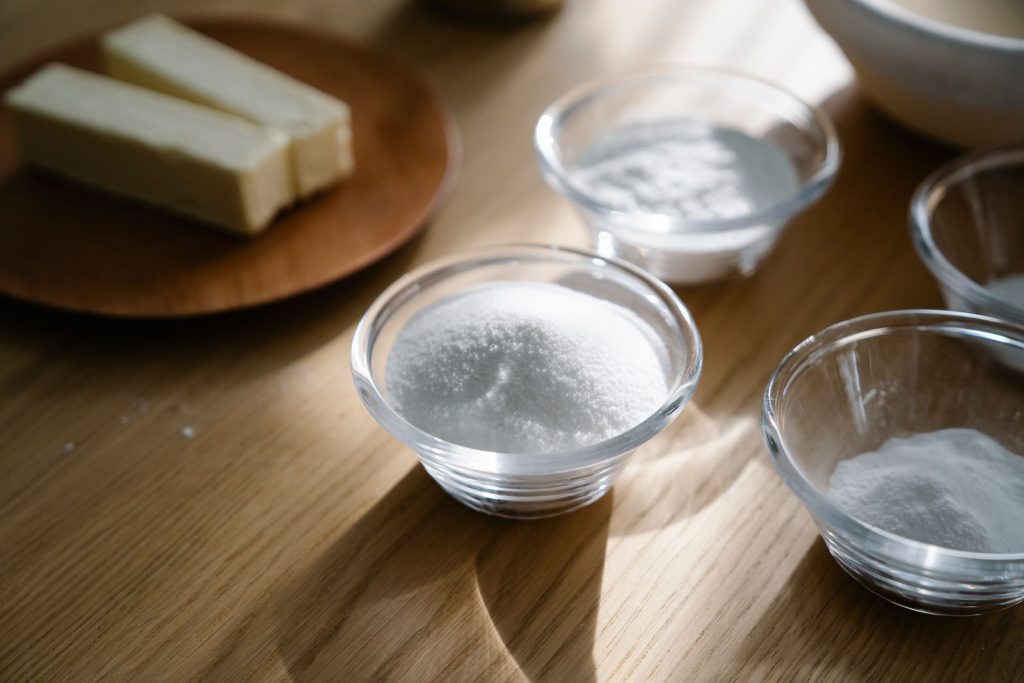
Gluten is a protein in wheat, barley and rye. However, a typical homemade pudding contains none of those: it’s milk, sugar, egg yolks and cornstarch, as in this King Arthur stovetop vanilla pudding. Instead, gluten sneaks in through specific ingredients.
Ingredients to watch for
- Wheat flour: the base of Yorkshire pudding batter and the sponge in sticky toffee and Christmas puddings.
- Bread, brioche or challah: the whole point of bread pudding and bread-and-butter pudding.
- Cookies and wafers: classic Nilla Wafers list enriched wheat flour as the first ingredient, which is why most banana pudding isn’t gluten-free.
- Malt and barley: malt extract, malt syrup and malt flavoring usually come from barley, according to the Celiac Disease Foundation.
- Suet mixes and semolina: packet suet in the UK can contain wheat flour, and semolina is made from wheat.
Why cornstarch puddings are usually safe
That’s because corn, rice, tapioca, arrowroot and potato are all naturally gluten-free starches, as the American Gastroenterological Association’s patient guide lists. Because most pudding is thickened with one of these, the base itself rarely contains gluten. Instead, the risk lives in the flavorings, mix-ins and toppings.
Is pudding gluten free? A type-by-type guide
Use this table as a quick reference, then read the notes below it. “Usually” means the traditional recipe has no gluten ingredients, but any individual product or recipe can be different.
| Pudding | Verdict | Why |
|---|---|---|
| Homemade chocolate, vanilla or butterscotch | Usually GF | It’s thickened with cornstarch and egg yolks. However, a few old recipes use flour, so check yours. |
| Rice pudding | Usually GF | Rice is naturally gluten-free. However, watch crumble toppings, and don’t confuse it with semolina pudding. |
| Tapioca pudding | Usually GF | Tapioca is a gluten-free starch, so plain tapioca pudding is safe. |
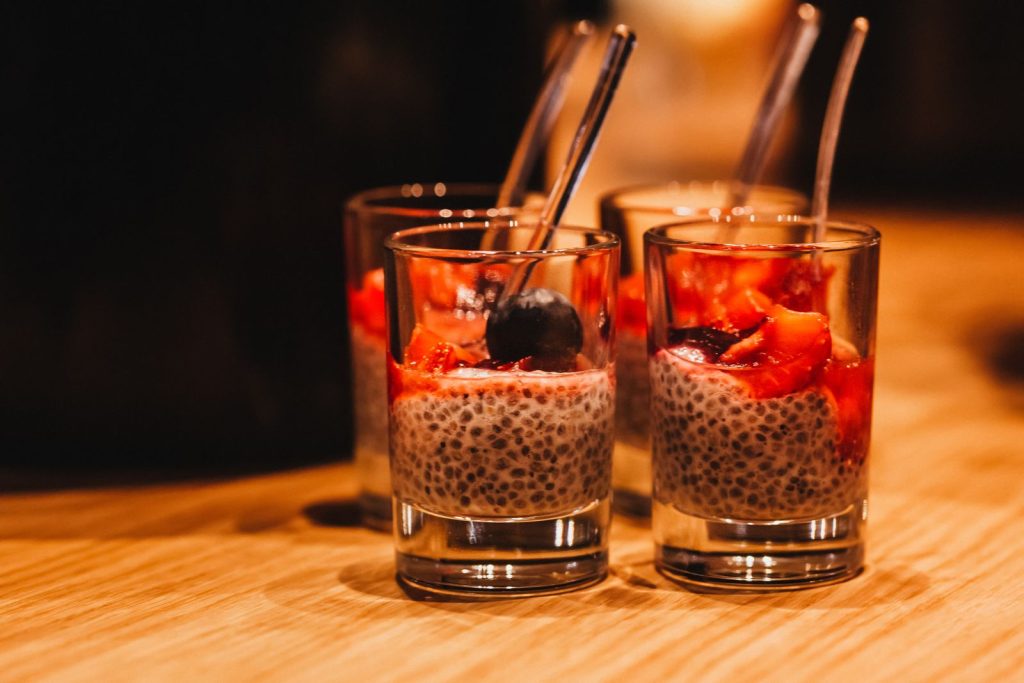
| Chia pudding | Usually GF | Chia seeds are naturally gluten-free. However, granola or regular oat toppings can add gluten. |
| Mochi and sweet rice desserts | Usually GF | “Glutinous” rice means sticky, not gluten. Still, check fillings and coatings. |
| Instant and cook-and-serve mixes | Depends | Most use modified food starch, but some flavors contain wheat or barley. |
| Ready-to-eat pudding cups | Depends | Many core flavors are labeled gluten-free. However, cookie and pie flavors need checking. |
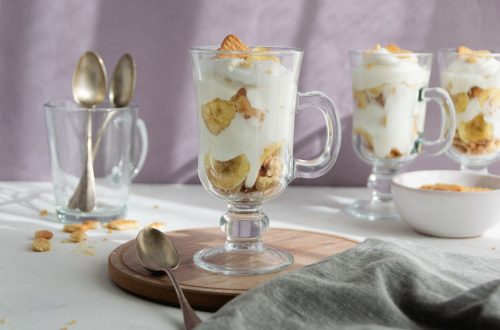
| Banana pudding | Usually not | Regular vanilla wafers contain wheat. The custard is often fine, so just swap in gluten-free wafers. |
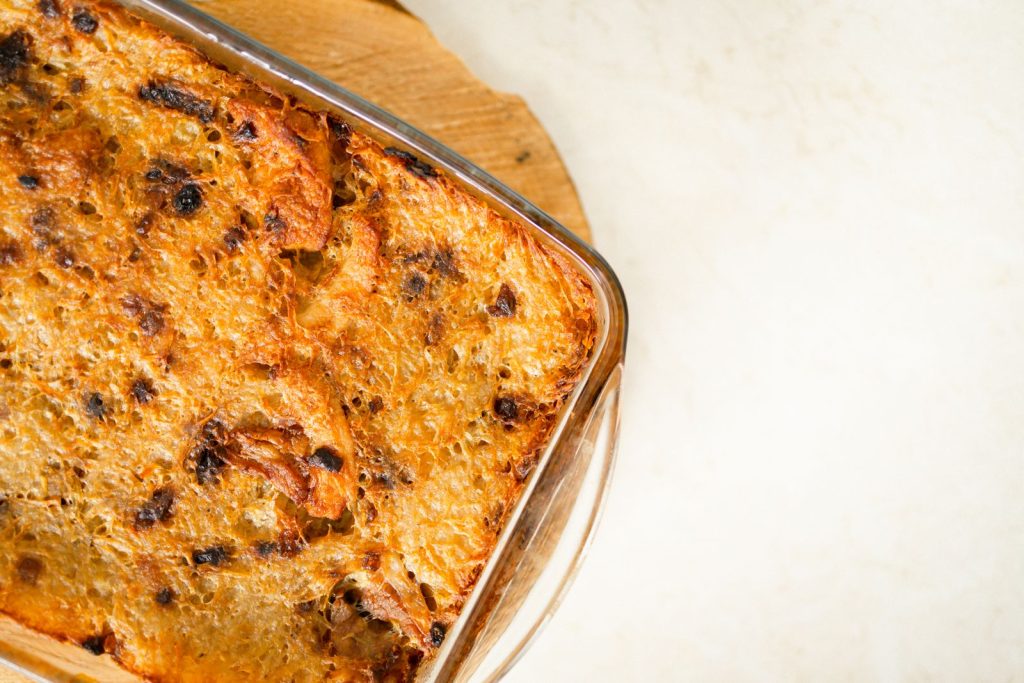
| Bread pudding / bread-and-butter pudding | Not GF | Made from cubed bread, brioche or challah unless you use gluten-free bread. |
| Yorkshire pudding | Not GF | It’s a batter of plain flour, eggs and milk, so it contains wheat. |
| Christmas / plum pudding | Usually not | It traditionally uses flour, breadcrumbs and suet. However, gluten-free versions are sold. |
| Sticky toffee pudding | Usually not | The sponge is made with self-raising flour, so it contains wheat. |
| Black pudding | Usually not | It often contains barley. However, some makers sell dedicated gluten-free versions. |
| Semolina pudding | Not GF | Semolina is made from wheat, so it isn’t gluten-free. |
Usually gluten-free
In fact, simple cooked puddings, rice pudding, tapioca pudding and chia pudding are the safest bets. That’s because their main thickeners (cornstarch, rice, tapioca pearls and chia seeds, both paid links) contain no gluten. Keep an eye on what goes on top: granola, cookie crumbs and crumble toppings can turn a safe pudding into an unsafe one.
It depends on the recipe or brand
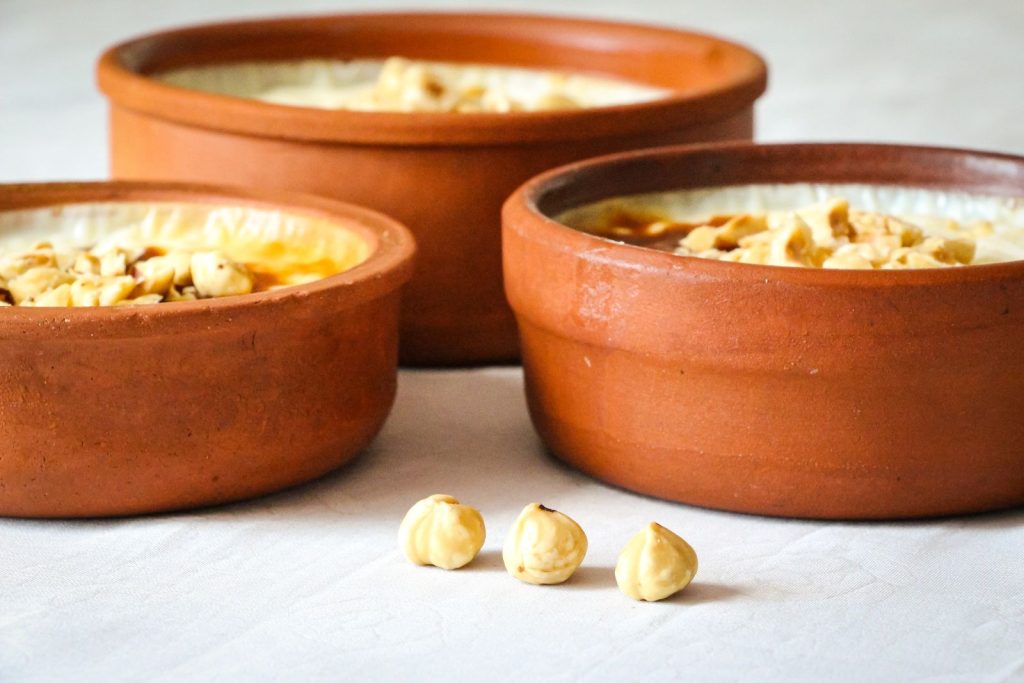
Boxed mixes and pudding cups, however, fall in the middle. Most flavors are made without gluten ingredients, but a handful include wheat-based cookie pieces or barley-based flavoring. Banana pudding belongs here too: the custard layer is usually fine, but the wafers almost never are unless you buy or bake gluten-free ones.
Usually not gluten-free
In British cooking especially, “pudding” can mean any dessert, including baked ones made from flour or bread. Bread pudding, Yorkshire pudding, Christmas pudding, sticky toffee pudding and semolina pudding all contain gluten in their traditional forms. Our miso pear semolina pudding is a good example: it’s made with semolina, which is wheat, so it is not gluten-free.
Gluten-free pudding brands
Checked as of November 2026. Recipes and labels change, so always read the package you’re buying.
| Brand | Status | What we found |
|---|---|---|
| Kozy Shack | Labeled GF | The brand’s FAQ says all its products are gluten-free, measured against the FDA’s 20 ppm standard. For example, that includes rice and tapioca pudding. |
| Snack Pack | Core cups labeled GF | The classic chocolate and vanilla cups are labeled gluten-free. However, check special and limited-edition flavors on the package. |
| Swiss Miss pudding cups | Labeled GF | For example, milk chocolate cups currently show a gluten-free label at retailers. Older packages may not, so check the cup. |
| Jell-O pudding mixes | Most OK, not labeled | Most flavors have no gluten-containing ingredients (Beyond Celiac), but the boxes generally aren’t labeled gluten-free and Kraft Heinz doesn’t guarantee them. However, two flavors to avoid are below. |
| Jell-O Oat Milk cups | Described as GF | Kraft Heinz describes its chocolate oat milk pudding cups as gluten-free. However, check the label on other Jell-O cups. |
Jell-O: the two flavors to avoid
First, Jell-O names wheat, barley and rye on its labels when they’re present. Second, two instant pudding flavors stand out: Cheesecake lists barley, and Oreo Cookies ‘n Creme lists wheat flour. Finally, for any other flavor, read the full ingredient list rather than relying only on the allergen line. For every flavor, see our flavor-by-flavor Jell-O pudding gluten guide.
Other brands
For store brands, UK custard powders and anything not listed here, look for a gluten-free claim on the package. If there isn’t one, then read the ingredients carefully using the checklist below.
How to read a pudding label
You don’t need to memorize brands if you know what to look for. Instead, run through this checklist in the store:
- Look for a “gluten-free” claim. In the US, for example, it means the food has less than 20 parts per million of gluten, under the FDA’s gluten-free labeling rule. The claim is voluntary, so many safe products don’t carry it.
- Read the full ingredient list, not just “Contains.” US law requires wheat to be declared, but barley and rye are not major allergens, so they can appear only in the ingredients (Celiac Disease Foundation).
- Modified food starch: in FDA-regulated foods, wheat must be named if it’s the source. So if no wheat is listed, it’s generally considered gluten-free, per Beth Israel Deaconess’s celiac center.
- Malt in any form: malt extract, malt syrup and malt flavoring usually mean barley. So skip it.
- Natural flavors: usually fine unless wheat, barley, rye or malt is named. However, caramel color and maltodextrin are considered gluten-free.
- Oats: only if they’re labeled gluten-free.
- “May contain” warnings: these voluntary statements about shared equipment aren’t defined by the FDA rule. So decide with your doctor or dietitian how cautious you need to be.
Tips for UK readers
In the UK, “gluten free” is legally limited to 20 ppm or less, and gluten-containing cereals must be emphasized (often in bold) in the ingredient list. A “may contain gluten” warning means the manufacturer sees a contamination risk. Finally, the Crossed Grain symbol is a helpful shortcut; Coeliac UK explains each label.
How to make gluten-free pudding at home
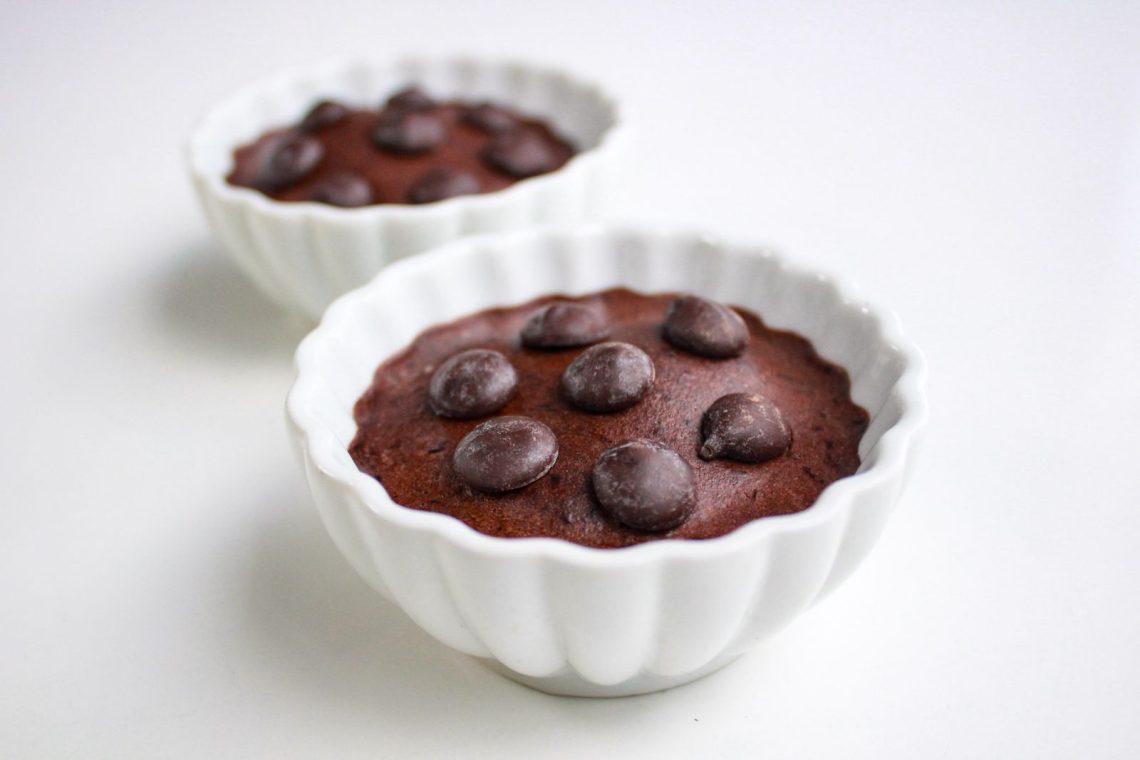
As a result, homemade pudding is the easiest way to be sure. Thicken it with cornstarch (a cornstarch labeled gluten-free (paid link) is the safest choice if you’re sensitive to cross-contact), use pure cocoa and vanilla, and you’re done. For example, our gluten-free chocolate pudding cups use just seven pantry ingredients and are dairy-free too.
- Banana pudding: make the custard with cornstarch and layer it with gluten-free vanilla wafers (paid link) instead of regular ones. Our gluten free banana pudding walks through it step by step.
- Bread pudding: use a gluten-free bread (paid link) or brioche.
- Yorkshire or sticky toffee pudding: swap in a gluten-free 1-to-1 flour blend (paid link). Also, our gluten-free baking guide explains how blends behave.
- Toppings: use fresh fruit, toasted coconut, or certified gluten-free cookies and granola.
Avoiding cross-contact at home, restaurants and buffets
A gluten-free pudding can still pick up gluten from shared tools and toppings. Beyond Celiac’s cross-contact guide covers the basics, so here’s how they apply to pudding.
At home
- First, use clean pans, whisks and spoons.
- Also, keep a separate sponge for gluten-free cooking.
- Finally, don’t top pudding on a counter where cookies were crushed.
At restaurants
- First, ask how the dessert is made and what goes on top.
- Then ask whether crumbs or crumble share a station with it.
- Remember that the FDA’s packaged-food rule doesn’t directly cover US menus; the FDA only recommends that menu “gluten-free” claims match it.
At buffets
- Serve yourself first, before spoons get swapped.
- Watch for banana pudding or trifle next to plain pudding.
- Also, skip shared topping bowls.
Note: This guide is general information, not medical advice. So if you have celiac disease or another gluten-related condition, follow the guidance of your doctor or registered dietitian.
Frequently asked questions
Is Jell-O pudding gluten-free?
Most Jell-O pudding flavors are made without gluten ingredients, but they aren’t labeled gluten-free. The Cheesecake flavor contains barley and Oreo Cookies ‘n Creme contains wheat, so avoid those two.
Is Kozy Shack pudding gluten-free?
Yes, because Kozy Shack says all of its products are gluten-free under the FDA’s 20 ppm standard.
Are Snack Pack pudding cups gluten-free?
The core chocolate and vanilla cups are labeled gluten-free. However, check special and limited-edition flavors on the package.
Is rice pudding gluten-free?
Usually. Rice contains no gluten, so plain rice pudding is safe. However, watch for crumble toppings or mix-ins.
Is tapioca pudding gluten-free?
Usually, because tapioca is a naturally gluten-free starch.
Is banana pudding gluten-free?
Not usually, because regular vanilla wafers contain wheat flour. However, it can be if you make it with gluten-free wafers and a cornstarch custard.
Is Yorkshire pudding gluten-free?
No, because it’s a batter of flour, eggs and milk. Instead, gluten-free versions use a gluten-free flour blend.
Is Christmas pudding gluten-free?
Traditional Christmas pudding isn’t, because it contains flour, breadcrumbs and often suet. Gluten-free versions are widely sold, especially in the UK.
Is cornstarch gluten-free?
Yes, because corn is a naturally gluten-free starch. Still, if you’re very sensitive, choose cornstarch labeled gluten-free to avoid cross-contact in processing.
Does glutinous rice (mochi) contain gluten?
No. “Glutinous” describes the sticky texture, not gluten. Sweet rice flour is naturally gluten-free, but check fillings and coatings.
The bottom line: is pudding gluten free?
So, is pudding gluten free? Most cornstarch-thickened puddings, rice pudding, tapioca and chia pudding are. Bread, banana, Yorkshire, Christmas, sticky toffee and semolina puddings usually aren’t, unless they’re made with gluten-free swaps. When in doubt, look for a gluten-free claim, read the full ingredient list for wheat, barley, rye and malt, and keep toppings and spoons separate. Better still, skip the guesswork and make your own pudding at home, where you control every ingredient.