You can make cornflake date bars without a blender by starting with a saucepan and a fork. Finely chopped dates soften in a little water, then cook down to a paste that holds broken cornflakes together. There is no blender to clean and no need to buy a jar of nut butter or a bag of marshmallows for one small batch.
Affiliate disclosure: As an Amazon Associate I earn from qualifying purchases. These paid links open Amazon search results so you can compare suitable tools.
A small saucepan (paid link) handles the date-softening step in this blender-free method. A flexible spatula (paid link) helps press the date-and-cornflake mixture into the prepared loaf pan (paid link).
Expect a chewy date bar with little flakes of cereal through it. The cereal has the most crunch shortly after the bars set; it softens gradually against the moist fruit. That texture is part of the recipe, and it is useful to know before making a tray for the week.
Build cornflake date bars without a blender by hand
Soften dates
Cook or soak until the fruit mashes easily, then remove pits and any tough stem pieces.
Crush cornflakes unevenly
Use a mixture of crumbs and small flakes so the bars bind while keeping some crisp texture.
Press and cool
Compact the mixture evenly, especially at the corners, and wait until completely set before cutting.
If the date mixture feels dry, add reserved soaking liquid by the teaspoon. Too much liquid softens the cornflakes and prevents clean slices.
Choose dates you can mash by hand
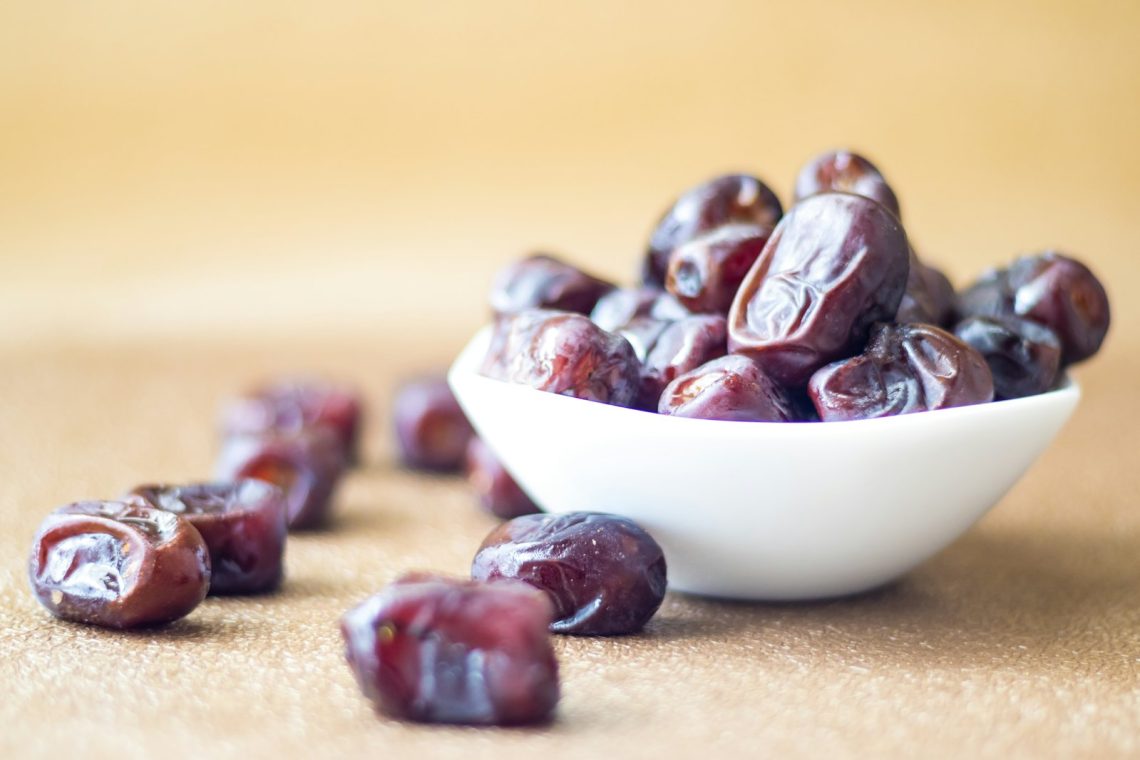
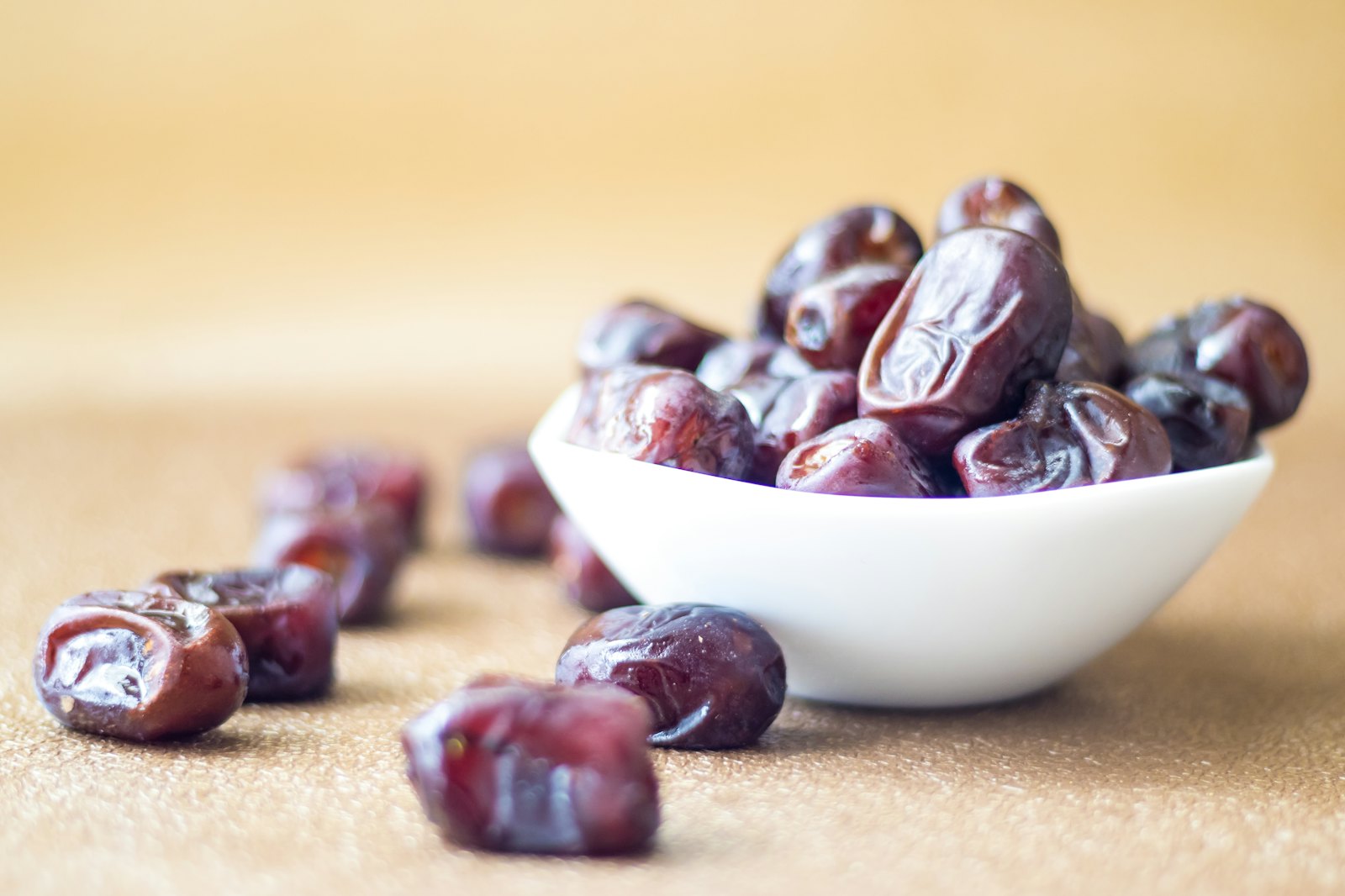
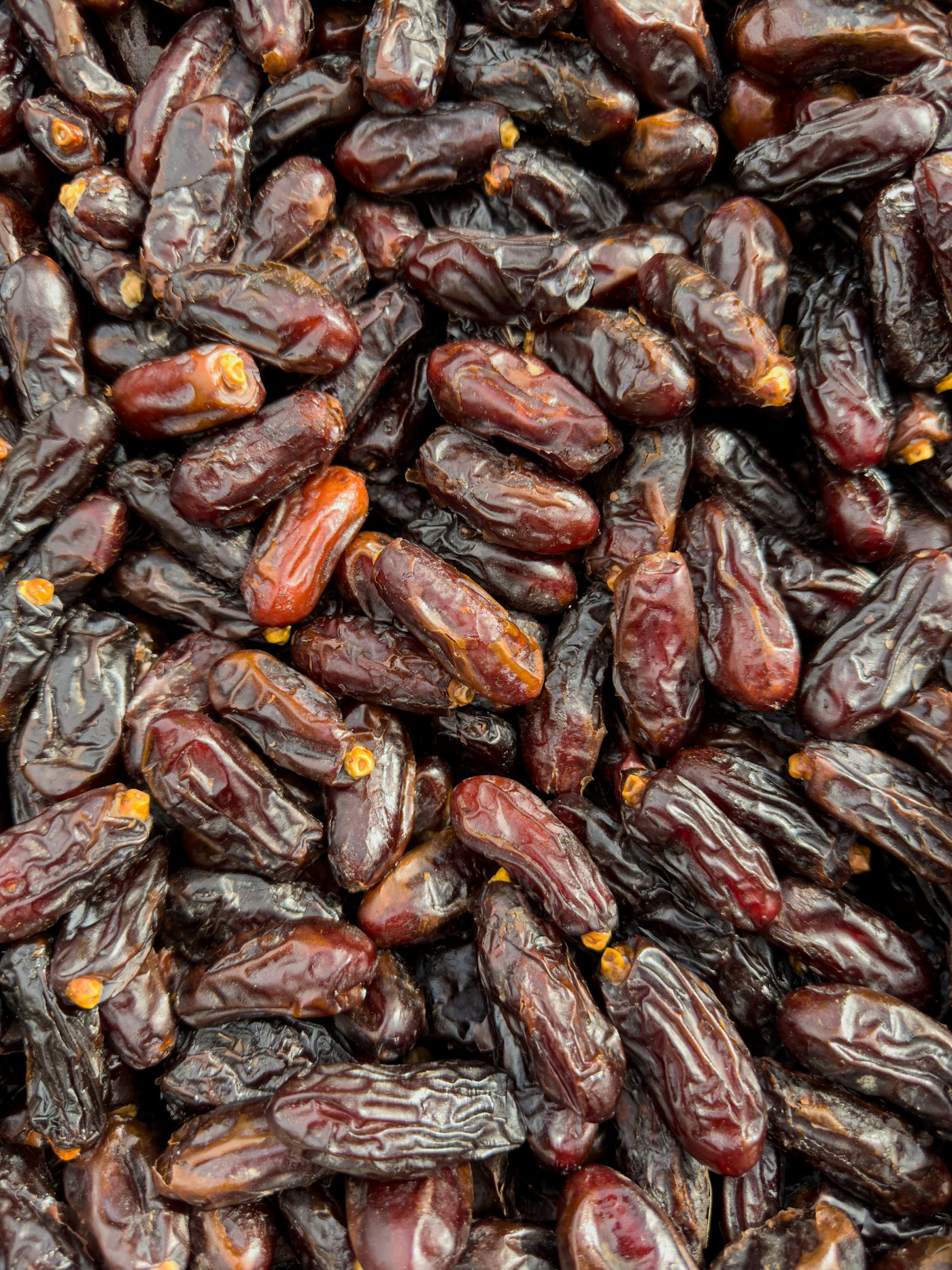
Soft pitted dates make the quickest paste. Medjool dates often feel pliable when pressed, while a bag of drier baking dates may need the extra tablespoon of water and another minute over low heat. Either can work if you chop them small and cook until the pieces yield under the fork.
Check the label when buying chopped dates. Some packaged pieces are coated in flour or other ingredients to stop them sticking together. Whole pitted dates give you a simpler starting point and let you check for any remaining pits. The weight in the recipe is for the edible fruit after pits are removed; the number of dates varies too much to be a reliable measurement.
Binder checkpoints, before cereal goes in
| Stage | What it should look like |
|---|---|
| At the start | Separate chopped dates in a shallow layer of water and melting butter. Keep the heat gentle so the water can soften the fruit. |
| After mashing | Soft pieces held in a sticky paste, with no hard cubes left. A few fine skins are normal and do not require blending. |
| Ready for cereal | A spoon path remains visible briefly and the paste moves as a mound. If water runs into the path immediately, cook another minute. |
| Too dry to fold | The paste tears into a stiff ball instead of spreading. Stir in 1 teaspoon hot water, then reassess rather than adding a splash. |
Recipe: cornflake date bars without a blender
Yield: 6 bars in an 8 1/2-by-4 1/2-inch loaf pan
Prep: 15 minutes · Cook: 8–10 minutes · Rest/cool: 3 minutes paste cooling, 10 minutes pan cooling and 2 hours chilling · Total: 2 hours 36–38 minutes
Equipment
small heavy saucepan; fork or potato masher; mixing bowl; 8 1/2-by-4 1/2-inch loaf pan; parchment paper; sturdy spoon; sharp knife
Ingredients
- 1 packed cup (150 g) pitted dates, weighed after removing pits and cut into pieces about 1/4 inch across
- 3 tablespoons (45 ml) water, plus 1 tablespoon only if needed
- 1 tablespoon (14 g) unsalted butter
- 1/4 teaspoon vanilla extract
- 1/8 teaspoon fine salt
- 2 cups (about 56 g) plain cornflakes, measured before crushing
- Optional: 1/2 teaspoon finely grated orange zest
Method
- Line the pan and prepare the dates. Line the loaf pan with a parchment sling. Check every date for a remaining pit or hard stem cap, then chop finely. Smaller pieces soften more evenly and need less mashing than dates left in halves.
- Soften over gentle heat. Put the dates, 3 tablespoons water and butter in the saucepan. Cook over low heat for 5–6 minutes, stirring often and pressing the fruit against the pan with a fork. If the pan goes dry while the dates remain hard, add the optional tablespoon of water.
- Reduce to a thick binder. Continue stirring and mashing for 3–4 minutes, until the mixture is a thick, mostly smooth paste. Dragging a spoon across the base should leave a path that stays visible briefly. There should be no puddle of water around the fruit. Remove from the heat; stir in vanilla, salt and the optional zest.
- Break up the cereal. Put the cornflakes in the mixing bowl. Crush them lightly with clean hands or the bottom of a measuring cup. Aim for a mixture of small flakes and larger pieces, not fine cereal dust. Let the date paste cool for 3 minutes before adding it.
- Coat and press. Add the warm paste to the cornflakes and fold firmly, reaching the bottom of the bowl. Keep folding until the flakes are distributed through the sticky mixture. Scrape into the lined pan. Cover with a second piece of parchment and press into a level slab, especially along the corners.
- Chill and cut. Let the pan stand for 10 minutes, then refrigerate for 2 hours. Lift out with the sling and cut crosswise into six bars with a sharp knife. Wipe the knife between cuts if the date paste sticks. Store covered in the refrigerator and serve cool.
Pressing is what makes a clean bar
The mixture can look a little loose in the bowl and still press into a good slab. Put it into the corners first, then work across the center. A small flat-bottomed glass or measuring cup is useful, but put parchment between the tool and the mixture so it lifts cleanly. Press firmly enough to close visible gaps without grinding every flake to powder.
Use the stated loaf pan when you can. A 9-by-5-inch pan also works, but the bars will be thinner and the corners may need extra attention. An eight-inch square pan spreads this amount too thinly. If that is your only pan, build a firm foil divider and support it so the mixture stays in roughly half the base; do not expect a loose strip of parchment to hold a straight edge by itself.
If the bars crumble or feel wet
The slab falls apart at the knife. It may need more chilling, more pressure during shaping, or a slightly more cohesive paste. Chill it for another thirty minutes first. If it still crumbles, press the pieces back into the lined pan firmly; serve it as cereal clusters if they will not hold. Adding a large amount of syrup after the cereal is mixed usually makes a different, much sweeter bar.
The cereal becomes soggy almost immediately. The paste probably still contained loose water, or it was extremely hot when folded in. The spoon-path cue matters more than the exact minute count. Next time, cook the paste until thick and wait the brief three-minute cooling period before combining it with the flakes.
Hard date pieces remain. They needed more chopping or longer gentle softening. Take that correction while the dates are still in the saucepan. Once the cereal has been added, prolonged cooking will soften the flakes as well as the fruit, so a quick check with the fork is worth doing first.
What to change, and what to keep
Orange zest gives the date flavor a little lift without adding more liquid. A small pinch of cinnamon can replace it. Avoid pouring orange juice into the finished mixture; it loosens the binder and makes it harder to cut. If you want chocolate, drizzle a tablespoon of melted chocolate over the chilled slab and let it firm before slicing, rather than stirring a large handful of chips through the warm paste.
Use plain cornflakes; other cereals pack and absorb moisture differently. The dates and cereal contribute sugar, so this is not a sugar-free bar.
Storage for a chewy snack
Keep the cut bars in a covered container in the refrigerator, with parchment between layers. Plan to eat them within three days for the texture described here. Let a cold bar stand for about five minutes before eating if you prefer a softer bite. Pack it in a small rigid container instead of loose in a bag, because these fruit-bound bars can bend.
For longer keeping, freeze the individually wrapped bars in a sealed container for up to a month for best quality. Thaw in the refrigerator. The cereal will be softer after freezing, so the freezer is better for saving the batch than for preserving its first-day crunch. Refrigerate the cooked date mixture and finished bars promptly; the USDA guidance on cooked leftovers recommends shallow containers and timely chilling for perishable leftovers.
A small snack rotation
These bars pair well with a piece of fruit and a drink, or can be cut into twelve smaller squares for a shared plate. When you want an oven-baked option, the site’s pumpkin walnut breakfast cookies have a different, softer baked texture. For a spoonable breakfast that you prepare the evening before, try apple tahini overnight oats. Keep each recipe’s storage instructions with its container if you are preparing several snacks at once.
Questions about the hand-made date binder
Can I use a ready-made date paste?
You can use 150 g of a plain, thick date paste, but it may already contain more water than softened whole dates. Warm it with the butter first and add water only if needed to reach the spreadable spoon-path consistency. Read the ingredients, because a paste with syrup or other added ingredients changes the sweetness and set.
Do I need a potato masher?
No. A dinner fork works well when the dates are cut into small pieces. Press the softened fruit against the bottom and sides of the pan, then stir it together again. A potato masher is useful for a larger batch, but its wide head may be awkward in a very small saucepan.
Can I skip chilling and eat the mixture warm?
You can spoon the warm mixture into a bowl once it has cooled enough to eat, but it will not yet cut into bars. Chilling firms the binder and gives the pressed slab time to hold together. If you need something immediately, treat it as a date-and-cereal crumble topping rather than trying to rush the slicing.
Are the bars meant to stay crunchy for days?
No. Dates contain moisture, and the flakes gradually absorb some of it. The first-day bars have the clearest cereal texture; later they become chewier. A crisp cereal treat designed for long keeping usually needs a different binder. Choose this version when you want a fruit-based snack and a straightforward hand-mixed method.
Can I double the recipe?
Yes. Double the ingredients and use an eight-inch square pan. The date mixture may take a few extra minutes to reach the same thick consistency, so follow the spoon-path test. Press evenly across the larger base and chill until firm before cutting. Doubling the pan depth instead would make the bars much thicker.
Why not soak the dates and drain them?
Simmering a measured amount of water keeps the process more controllable. Soaked dates can carry an unpredictable amount of water into the bowl even after draining. Here, you can see the moisture reducing in the saucepan and stop when the binder is thick enough to coat the flakes without immediately saturating them.
Cornflake Date Bars Without a Blender
Ingredients
Equipment
Method
- Line the pan and prepare the dates. Line the loaf pan with a parchment sling. Check every date for a remaining pit or hard stem cap, then chop finely. Smaller pieces soften more evenly and need less mashing than dates left in halves.
- Soften over gentle heat. Put the dates, 3 tablespoons water and butter in the saucepan. Cook over low heat for 5–6 minutes, stirring often and pressing the fruit against the pan with a fork. If the pan goes dry while the dates remain hard, add the optional tablespoon of water.
- Reduce to a thick binder. Continue stirring and mashing for 3–4 minutes, until the mixture is a thick, mostly smooth paste. Dragging a spoon across the base should leave a path that stays visible briefly. There should be no puddle of water around the fruit. Remove from the heat; stir in vanilla, salt and the optional zest.
- Break up the cereal. Put the cornflakes in the mixing bowl. Crush them lightly with clean hands or the bottom of a measuring cup. Aim for a mixture of small flakes and larger pieces, not fine cereal dust. Let the date paste cool for 3 minutes before adding it.
- Coat and press. Add the warm paste to the cornflakes and fold firmly, reaching the bottom of the bowl. Keep folding until the flakes are distributed through the sticky mixture. Scrape into the lined pan. Cover with a second piece of parchment and press into a level slab, especially along the corners.
- Chill and cut. Let the pan stand for 10 minutes, then refrigerate for 2 hours. Lift out with the sling and cut crosswise into six bars with a sharp knife. Wipe the knife between cuts if the date paste sticks. Store covered in the refrigerator and serve cool.