
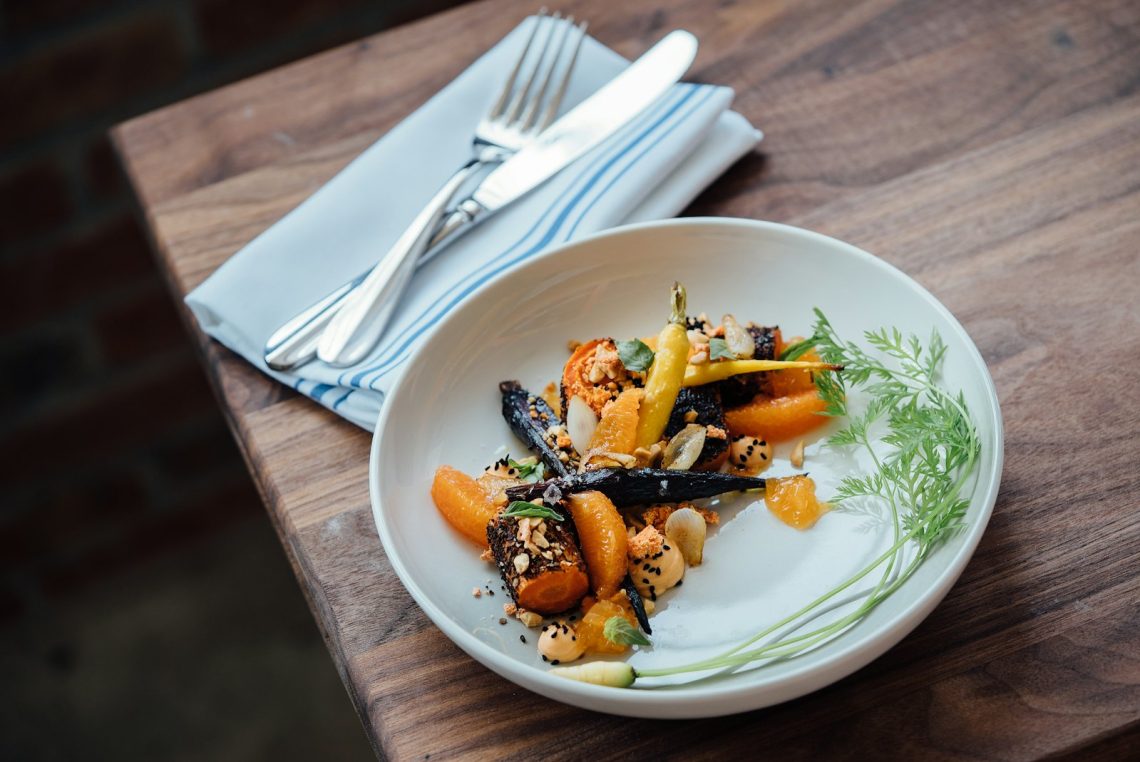
Use orange miso glaze for roasted vegetables when a tray needs a glossy, savory finish with a little citrus sweetness. This small batch starts by reducing a little orange juice, then whisking in white miso, rice vinegar, and ginger. The vegetables roast mostly uncoated; the glaze goes on near the end so it can cling without spending the whole cooking time against a hot pan.
Affiliate disclosure: As an Amazon Associate I earn from qualifying purchases. These paid links open Amazon search results so you can compare suitable tools.
A small heavy saucepan (paid link) suits the orange-juice reduction. Keep a small whisk (paid link) ready to blend in the miso, and roast on a rimmed half sheet pan (paid link) so the vegetables brown rather than steam.
The recipe makes enough for roughly two one-pound trays, depending on how heavily you coat them. Keep half clean in the refrigerator if you are cooking only one tray. That is more useful than pouring every spoonful onto a small amount of vegetables and discovering that the result is too salty.
Jump to the glaze recipe · Use it on a roasting tray
Add orange miso glaze for roasted vegetables near the finish
Balance the miso
Whisk it with orange juice, zest and the recipe’s sweet or acidic ingredients before adding extra salt.
Concentrate carefully
If the juice needs reducing, do so before the miso is exposed to prolonged direct heat.
Glaze late
Brush or toss during the final roasting minutes so the vegetables brown before the sugars begin caramelizing.
Reserve a clean portion for serving if a fresher orange note is desired. Watch the pan closely after glazing because the coating can darken quickly.
The timing of the glaze matters
A liquid glaze and a raw vegetable have different jobs in the oven. First give the vegetable time to lose surface moisture and develop color. Then add a thin coating of glaze so it warms and adheres. Tossing everything together at the beginning can leave wet areas on the tray and dark patches of sauce before a dense vegetable becomes tender.
The orange juice and miso combination is also used in Florida Citrus’s orange-miso glaze. This smaller preparation uses a brief juice reduction and a measured finishing amount for vegetables. Its flavor should be orange-scented and savory, with a light coating rather than a thick candy shell.
Measure the sauce separately from the vegetables
Glaze yield: about 6 tablespoons. Prep:5 minutes. Cook:7–10 minutes, including heating. Total:12–15 minutes. Roasting vegetables adds separate cooking time.
- ¼ cup 100% orange juice,60 ml, strained if very pulpy
- 2 tablespoons white miso, about 35 g
- 2 teaspoons neutral oil or mild olive oil
- 2 teaspoons unseasoned rice vinegar
- 1 teaspoon maple syrup
- ¼ teaspoon finely grated fresh ginger
- 1–2 teaspoons water only if needed
Equipment: a small heavy saucepan, whisk, tablespoon measure, small bowl, and spoon. For the roasting example, also use a rimmed sheet pan, a spatula, and oven mitts.
Make the glaze in four short stages
- Reduce the orange juice. Pour the ¼ cup juice into the small saucepan and bring to a gentle simmer over medium-low heat. Simmer for about 5–8 minutes, swirling occasionally, until approximately 2 tablespoons remain. Use a small pan and stay nearby; this small quantity can go from reduced to scorched quickly.
- Let the bubbling stop. Take the pan off the heat and wait about a minute. Scrape the juice into the bowl, or use the pan for mixing if its shape allows the whisk to reach the bottom. You want concentrated juice, not a sticky brown syrup.
- Whisk until smooth. Add the miso, oil, rice vinegar, maple syrup, and ginger. Whisk firmly to break up the miso. The finished glaze should fall slowly from a spoon. Add water 1 teaspoon at a time only if it is too stiff to spread in a thin coat.
- Divide before using. Put the amount for the current tray in a separate small bowl. Keep the rest clean and covered. Taste the glaze on a piece of cooked vegetable before deciding it needs more sweetness or vinegar; miso tastes much stronger straight from a spoon.
A complete roasting example for one tray
For four small side portions, use 1 pound 450 g cauliflower florets cut into pieces about 1½ inches across,1 tablespoon oil, black pepper, and 2–3 tablespoons of the prepared glaze. The glaze supplies salt, so start without additional salt on the cauliflower. Preheat a conventional oven to 425°F 220°C and place a rack in the center.
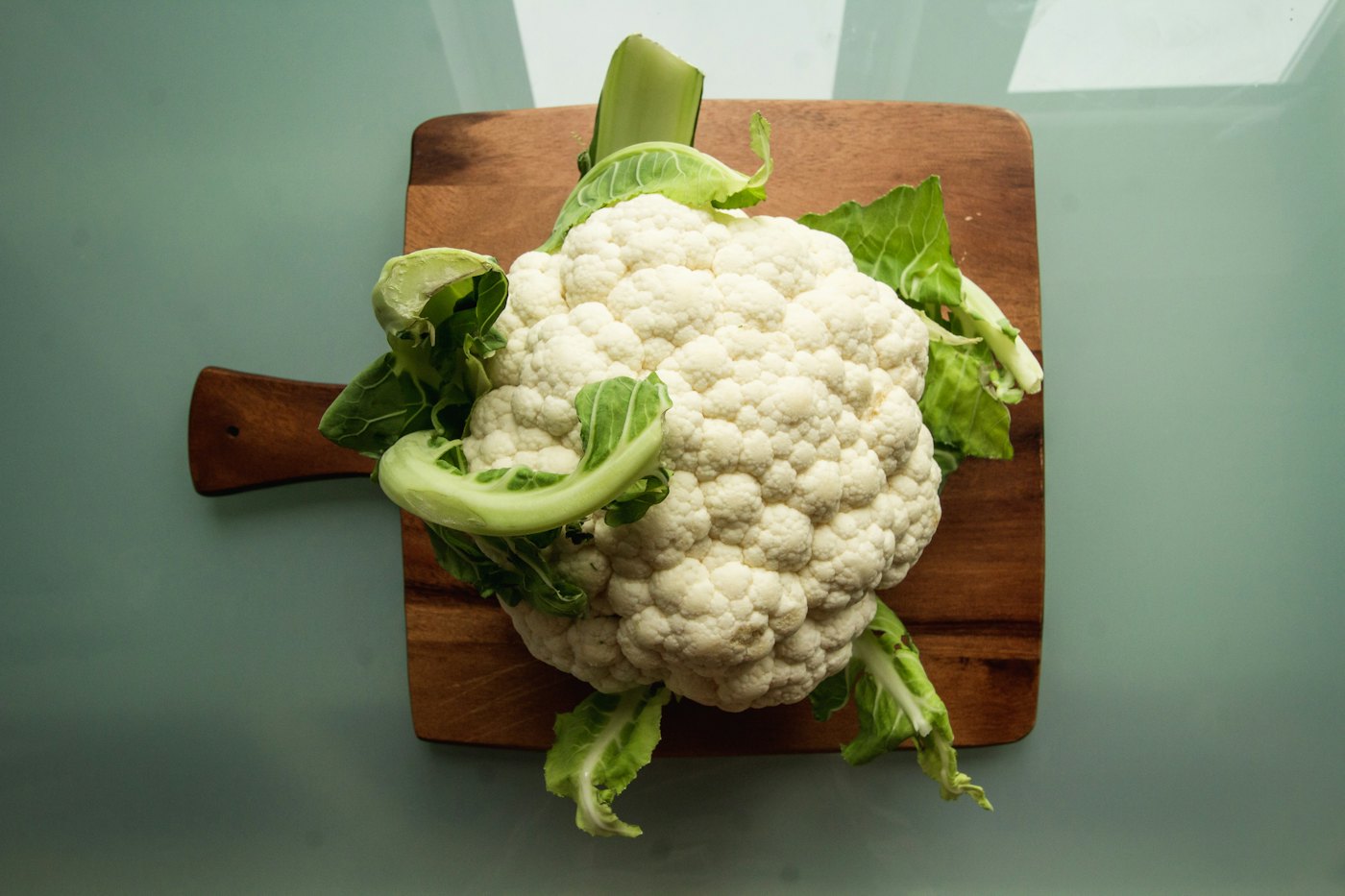
- Dry the cauliflower well and toss it with the tablespoon of oil and a little pepper. Spread in one layer on the sheet pan, with some open space between pieces. Use a second pan if doubling; a crowded pile takes longer to brown.
- Roast for 20–25 minutes, turning once, until the stems are almost tender and some cut surfaces are golden. Very large or tightly packed florets need longer. Test one of the thickest stems rather than judging the tray by its smallest piece.
- Remove the pan and drizzle 2 tablespoons glaze over the cauliflower. Turn with a spatula to make a thin, even coating. Return to the oven for 3–5 minutes, watching closely, until the glaze clings and the vegetables finish cooking.
- Taste one piece and add the remaining tablespoon of glaze off the heat only if wanted. Serve promptly. Plan on about 35–45 minutes overall for this tray, including preparation and preheating, with the sauce made while the vegetables roast.
Choose the vegetable and change the first roasting stage
| Vegetable | Preparation | When to add the glaze |
|---|---|---|
| Carrots | Cut into ½-inch diagonal slices; use a single layer | When the thickest slice is nearly tender; roast briefly again after coating |
| Broccoli | Cut florets with short, evenly sized stems | When the stems are nearly ready and some edges are brown; watch the tips during the final minutes |
| Brussels sprouts | Trim and halve, or quarter very large sprouts | After the cut surfaces brown and the centers are nearly tender |
| Sweet potato | Peel if wanted and cut into ¾-inch cubes | After a knife enters a cube with little resistance; then coat lightly and finish |
These are preparation guides rather than identical cooking times. A carrot slice, a cabbage-like sprout, and a sweet potato cube do not all soften at the same speed. Keep the sauce timing short and adjust the unsauced roasting period. If mixing vegetables, choose similar cooking needs or give the slower ones a head start.
How to keep the finish savory instead of salty
White miso varies in saltiness and sweetness between brands. Begin with the measured 2 tablespoons, then taste the finished glaze on something plain. Red miso is usually more assertive and will make a darker glaze; if using it, start with 1½ tablespoons and add more only after tasting. Do not automatically add soy sauce or salt to compensate for a pale color.
Use unseasoned rice vinegar. A seasoned version can add extra sugar and salt, which changes the balance. If orange juice is especially sweet, the teaspoon of maple syrup can be reduced or omitted. If the juice is very sour, add an extra ½ teaspoon syrup rather than several unmeasured spoonfuls.
The glaze contains miso, so check its ingredient and allergen label. Different misos may be made with different grains as well as soy. This recipe does not establish that an unfamiliar miso is gluten-free, and warming it does not change its allergen content.
Troubleshooting the sauce and the tray
- Juice catches on the pan: lower the heat immediately. If it tastes burned, start that small reduction again. Bitter scorched juice will remain noticeable after the miso is added.
- Miso lumps remain: press them against the side of the bowl with the back of a spoon, then whisk again. Add a teaspoon of water if the mixture is too stiff to work smoothly.
- The coating turns dark too quickly: remove the tray. If the vegetables are tender, serve them; if they need more cooking, loosely cover and finish at a lower temperature. Next time wait longer before applying the glaze.
- The vegetables are wet and pale: the tray may be crowded, the vegetables may have been damp, or the glaze may have gone on too early. Spread them out and prioritize tenderness over forcing a dark crust.
Build the rest of the plate
This is a strong finishing flavor, so pair the tray with fairly plain rice, noodles, beans, or a simply cooked protein. For crisp edges before glazing, the site’s roasted broccoli guide explains the importance of drying and spacing. If rice is the base of your bowl, the guide to fixing gummy rice can help with texture before any sauce is added.
For a lunch bowl, spoon a portion of the glazed vegetables over rice, taste, and add more vegetables as wanted. Reserve any extra clean sauce for the table. A cucumber side or plain shredded cabbage gives a cool contrast without requiring another heavily seasoned sauce.
Keep extra glaze clean and cold
Refrigerate unused glaze in a covered container at 40°F or below and use within 3–4 days. Stir it before using and loosen a portion with a teaspoon of water if it has thickened. Discard sauce that has been contaminated by utensils used on raw meat; do not pour it back into the clean jar.
Store cooked vegetables separately from unused glaze. Follow FoodSafety.gov leftover guidance for prompt refrigeration and reheat cooked leftovers to 165°F. The vegetables will be softer the next day; spread them on a pan for reheating rather than adding large amounts of fresh glaze to already coated food.
Questions about orange and miso
Can I make orange miso glaze for roasted vegetables without reducing the juice?
You can whisk a thinner sauce using 2 tablespoons ordinary orange juice, but its orange flavor will be less concentrated. The short reduction is useful for a glaze that clings. Avoid replacing the reduced amount with the full ¼ cup or the coating will be considerably looser.
Can I use bottled orange juice?
Yes. Choose 100% juice and measure it. A sweetened orange drink brings a different sugar balance. If using juice with pulp, strain it before reducing so the finished glaze is easier to whisk and distribute across a tray.
Does the glaze need garlic?
No. Ginger gives a little warmth while leaving the orange noticeable. If garlic suits the meal, add a small pinch of garlic powder to the mixed glaze. Raw chopped garlic can burn during the short finishing roast, so keep any variation finely distributed.
Can I prepare it the day before?
Yes. Cool the sauce promptly, cover, refrigerate, and stir before use. Measure the serving amount into a separate bowl. Do not assume the salt in miso makes this diluted homemade mixture safe to keep at room temperature.
Will the same amount work on frozen vegetables?
The sauce amount can be similar, but frozen vegetables release more water. Roast them according to their package and wait until excess moisture has evaporated before adding a thin coating. Do not use the fresh-cauliflower timing as a guarantee for a frozen mixed bag.
Can I double the sauce?
Yes. Double all ingredients and reduce ½ cup juice to ¼ cup. Use the same gentle heat and judge the volume rather than doubling the cooking time exactly. Divide the glaze into clean portions before brushing or tossing it with food.
Orange Miso Glaze for Roasted Vegetables
Ingredients
Equipment
Method
- Reduce the orange juice. Pour the ¼ cup juice into the small saucepan and bring to a gentle simmer over medium-low heat. Simmer for about 5–8 minutes, swirling occasionally, until approximately 2 tablespoons remain. Use a small pan and stay nearby; this small quantity can go from reduced to scorched quickly.
- Let the bubbling stop. Take the pan off the heat and wait about a minute. Scrape the juice into the bowl, or use the pan for mixing if its shape allows the whisk to reach the bottom. You want concentrated juice, not a sticky brown syrup.
- Whisk until smooth. Add the miso, oil, rice vinegar, maple syrup, and ginger. Whisk firmly to break up the miso. The finished glaze should fall slowly from a spoon. Add water 1 teaspoon at a time only if it is too stiff to spread in a thin coat.
- Divide before using. Put the amount for the current tray in a separate small bowl. Keep the rest clean and covered. Taste the glaze on a piece of cooked vegetable before deciding it needs more sweetness or vinegar; miso tastes much stronger straight from a spoon.
Notes
- Dry the cauliflower well and toss it with the tablespoon of oil and a little pepper. Spread in one layer on the sheet pan, with some open space between pieces. Use a second pan if doubling; a crowded pile takes longer to brown.
- Roast for 20–25 minutes, turning once, until the stems are almost tender and some cut surfaces are golden. Very large or tightly packed florets need longer. Test one of the thickest stems rather than judging the tray by its smallest piece.
- Remove the pan and drizzle 2 tablespoons glaze over the cauliflower. Turn with a spatula to make a thin, even coating. Return to the oven for 3–5 minutes, watching closely, until the glaze clings and the vegetables finish cooking.
- Taste one piece and add the remaining tablespoon of glaze off the heat only if wanted. Serve promptly. Plan on about 35–45 minutes overall for this tray, including preparation and preheating, with the sauce made while the vegetables roast.




