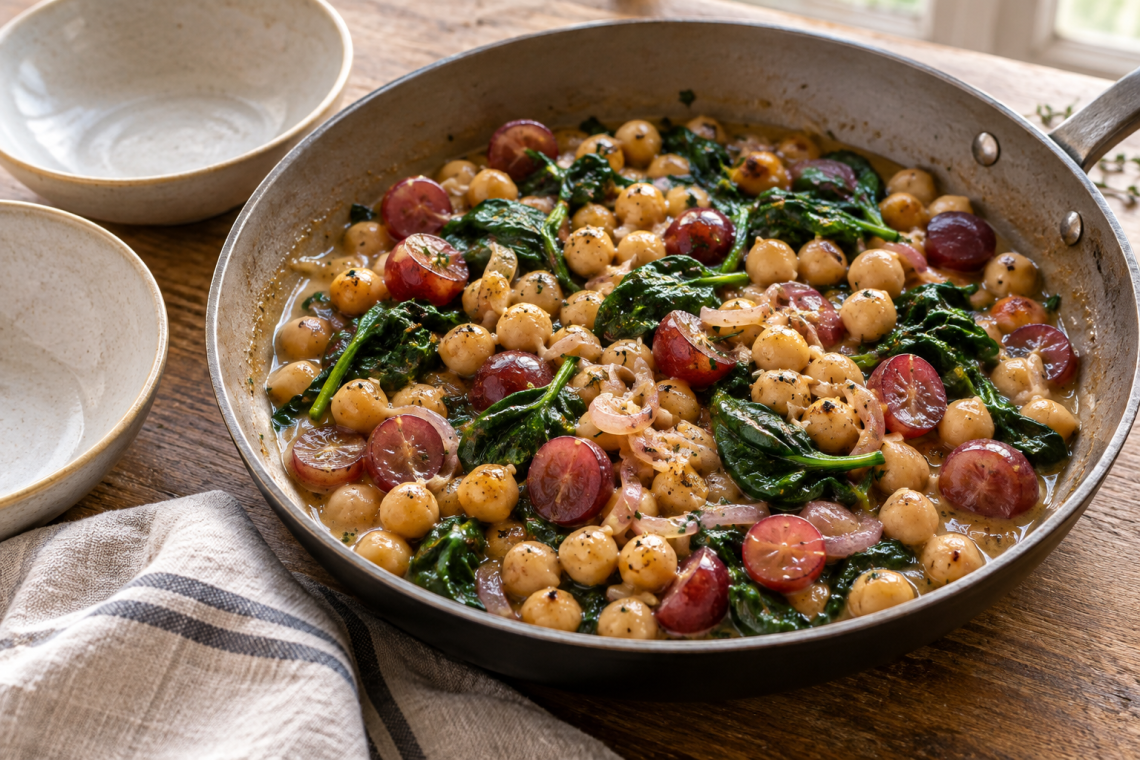
Fresh grapes can do more than sit beside a sandwich. In this grape mustard chickpea skillet for two, they soften in a hot pan and release just enough juice to meet a sharp Dijon sauce. Chickpeas provide the savory center of the meal, spinach folds into the sauce, and thyme connects the sweet fruit with the shallot.
Measured ingredients
- 1 15-ounce can chickpeas, drained and rinsed; about 240 g drained
- 1 tablespoon olive oil, divided: 2 teaspoons, then 1 teaspoon
- 1 small shallot, about 40 g, thinly sliced
- 1 cup seedless red grapes, 150 g, halved lengthwise
- 1/4 teaspoon dried thyme
- 1/8 teaspoon ground black pepper
- 1/3 cup low-sodium vegetable stock, 80 mL
- 2 teaspoons Dijon mustard
- 1 teaspoon cider vinegar
- 2 packed cups baby spinach, 60 g
- 1 small pinch fine salt, only if needed after tasting
The dish is a light supper with bread or a cooked grain alongside. It is also useful when you want a warm bean dish without a tomato or cream base. Keep the grapes intact in small halves rather than cooking them down completely; the contrast between fruit and chickpea is part of the appeal.
Follow the pan sequence · Check the sauce · Jump to recipe
Three ingredients set the balance
| Ingredient | What to choose | What it contributes |
|---|---|---|
| Grapes | Firm, seedless red grapes | Juicy pockets that soften without immediately falling apart. |
| Chickpeas | Cooked, drained, and thoroughly dried | A mild base with some browned flavor from the first pan stage. |
| Dijon mustard | Plain Dijon, measured before adding | Sharpness and a little body for the pan sauce. |
The recipe uses one cup of grapes and one drained can of chickpeas. That keeps the fruit noticeable while leaving the meal savory. Adding the rest of a large bunch simply because it is available makes the skillet wetter and changes the balance. Save the extra fruit for another use.
Prepare the ingredients before heating the skillet
Rinse the chickpeas, drain them well, and spread them on a clean towel. Pat until their surfaces are no longer wet. Loose skins can be removed, but there is no need to peel every chickpea. Drying is the more useful step because water must evaporate before the surfaces can brown.
Wash and dry the grapes, then cut them lengthwise in half. Use seedless grapes and check for any stems left attached. Very soft fruit releases liquid quickly and is more likely to become a sauce; firm fruit is easier to keep distinct. Red grapes provide a clear color contrast against the beans and greens.
Slice one small shallot thinly. Whisk the vegetable stock with Dijon and cider vinegar in a cup. Measuring the sauce ahead means you can add it promptly when the shallot and thyme are ready, without letting the pan scorch while you search for the mustard jar.
Making grape mustard chickpea skillet for two
Give the chickpeas the pan first
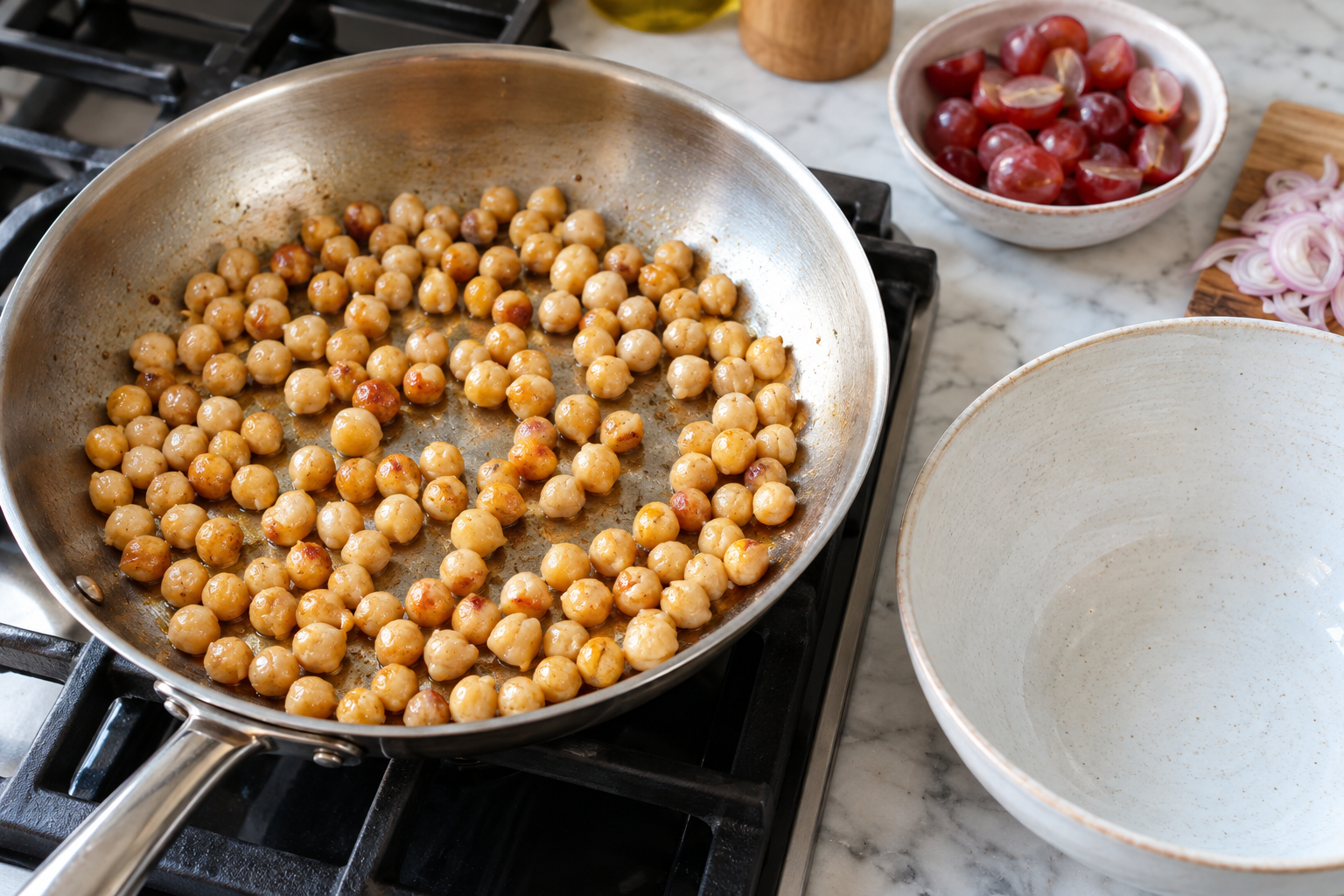
Heat two teaspoons olive oil in a ten-inch skillet over medium-high heat. Add the dried chickpeas in a loose layer and cook for seven to eight minutes, moving them occasionally. Aim for several golden patches. They will soften somewhat in the finished sauce, so there is no reason to chase the texture of a dry roasted snack.
Transfer them to a bowl. Leaving them in while the grapes cook can crowd the skillet and makes it harder to see what the fruit is doing. This short transfer also lets you soften the shallot gently without overcooking the chickpeas.
Soften the shallot, then warm the grapes
Reduce the heat to medium and add the remaining teaspoon oil. Cook the shallot for three to four minutes, stirring, until softened. Add the grapes and cook for about four minutes. A few cut surfaces should color and the skins may wrinkle, but most pieces should still hold their shape.
Stir in the dried thyme and black pepper for about 20 seconds. If there are dark browned spots on the pan, the sauce will lift them shortly. If those spots are black and smell burnt, transfer the usable ingredients to a clean skillet rather than incorporating a bitter base.
Finish with a modest amount of sauce
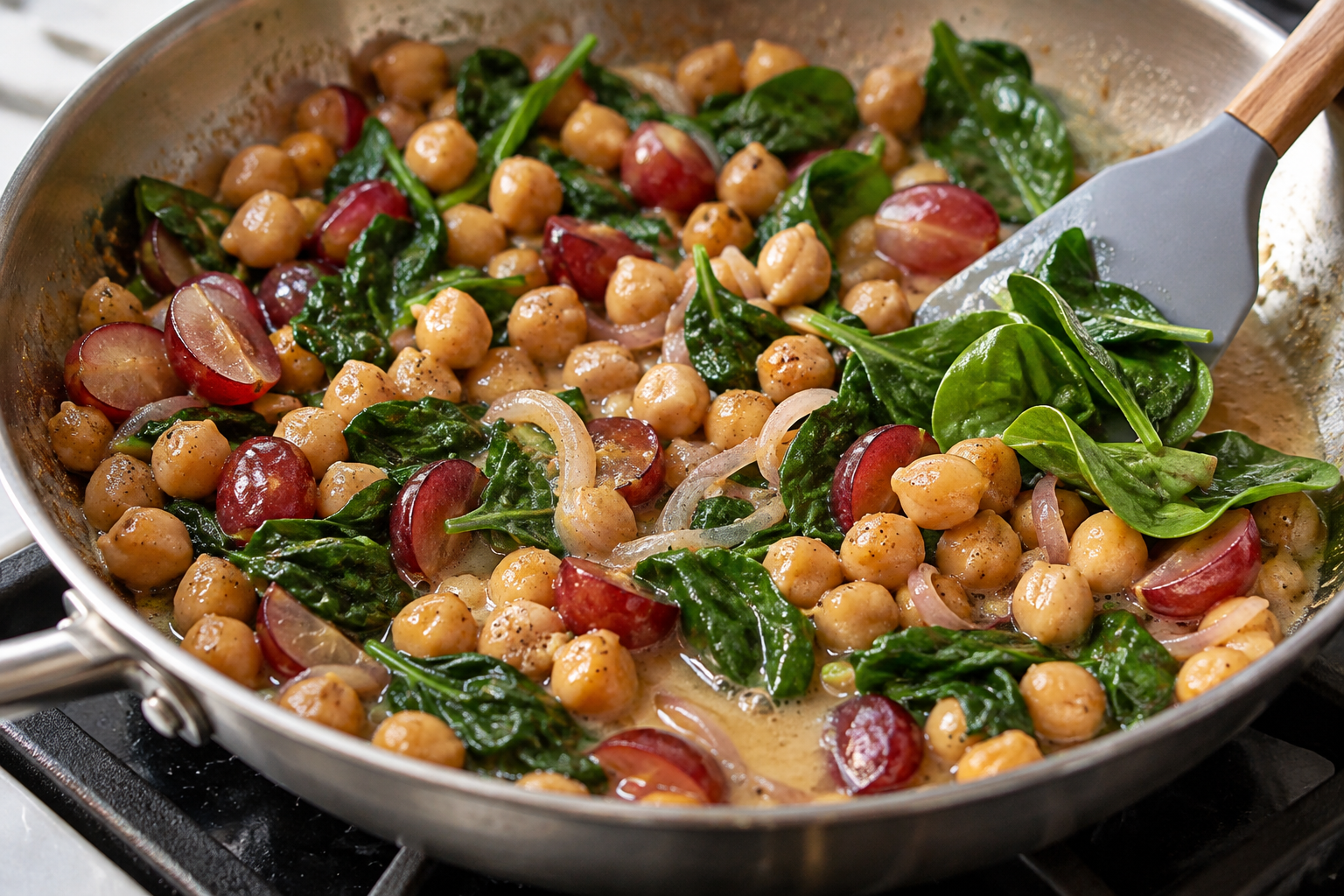
Pour in the stock mixture and scrape the pan gently. Simmer for two to three minutes, until the liquid looks a little more concentrated. Return the chickpeas and add the spinach in two handfuls, folding the first handful down before adding the second.
Cook for another one to two minutes, just until the spinach wilts and the chickpeas are hot. Taste a spoonful containing both fruit and beans. Add a small pinch of salt only if it needs it; stock and mustard vary considerably in saltiness.
A spoon should find a little sauce, not a puddle
When you draw a spoon through the skillet, a thin layer of sauce should coat the ingredients. If the bottom fills immediately with watery liquid, leave the pan uncovered over medium heat for another minute or two, stirring gently. Extra water can come from grapes, incompletely drained chickpeas, or very wet spinach.
If the pan becomes dry, add stock or water one tablespoon at a time. Pouring in another full cup turns this into a different dish. The aim is enough sauce to moisten the beans and catch on bread, while keeping individual grapes recognizable.
A very sharp mustard can dominate a small serving. Before adjusting, taste it with the fruit. If necessary, loosen the sauce with a spoonful of water and cook briefly. A little more grape juice from a gently crushed grape is a more controlled change than adding sugar blindly.
Changes that fit the same cooking method
Baby kale can replace spinach if its stems are tender, but it usually needs longer to soften. Add it with the stock rather than at the last moment. For frozen spinach, follow the full cooking directions on its package, then cool just enough to handle and squeeze dry before adding it to the skillet. Allow any additional preparation time required by the package; the final 1–2-minute warming stage does not replace that cooking step.
A small yellow onion can replace the shallot. Slice it thinly and give it time to soften before the grapes go in. Whole-grain mustard provides a different texture and may taste milder than Dijon. Begin with the same measured amount, then decide whether the finished sauce needs another small dab.
Butter beans are softer than chickpeas. If using them, skip the browning stage and warm them in the sauce near the end, folding rather than stirring vigorously. The result will be creamier and less firm, which can be pleasant but is a different texture.
Put it on the table
Spoon the skillet into two shallow bowls. Serve with crusty bread, plain couscous, or a modest portion of rice to catch the sauce. Keep that accompaniment simple; a strongly sweet or heavily dressed side would compete with the grapes and mustard.
Storage and reheating
Refrigerate leftovers in a shallow covered container within two hours, or one hour when temperatures exceed 90°F. Hold at 40°F or below and use within three days. Reheat to 165°F, stirring gently and adding a splash of water if the sauce has thickened. These handling limits follow USDA leftover guidance. The spinach and grapes will become softer after reheating.
Questions about cooking grapes for dinner
Can green grapes replace red grapes?
Yes, if they are seedless and firm. Taste them first: particularly tart grapes may need a little less vinegar. Keep the same prepared quantity.
Should I roast the chickpeas in the oven?
That adds another method and pan. Skillet browning is sufficient here because the chickpeas are finished in sauce rather than served dry.
Can I make the sauce ahead?
Whisk the stock, mustard, and vinegar earlier and refrigerate until needed. The full dish is best finished near serving time so the greens retain some texture.
Can I omit the mustard?
That removes the main savory counterpoint to the fruit. A mustard-free version needs its own seasoning balance; simply leaving it out will taste different.
For grape mustard chickpea skillet for two, keep the pan roomy, the fruit measured, and the sauce light. Those choices let an unusual combination remain easy to cook and eat.
Making the chickpea skillet with grapes for four
The original chickpea skillet with grapes makes two light portions. To serve four, double the ingredients while protecting the two textures that make this dish work: lightly browned chickpeas and grape halves that remain distinct. The key equipment decision is how to give the chickpeas enough contact with the pan before the wet ingredients arrive.
A complete doubled ingredient list
- 2 drained, rinsed 15-ounce cans chickpeas, about 480 g drained in total
- 2 tablespoons olive oil, divided into 4 teaspoons for the chickpeas and 2 teaspoons for the shallots
- 2 small shallots, about 80 g total, thinly sliced
- 2 cups seedless red grapes, about 300 g, halved lengthwise
- 1/2 teaspoon dried thyme and 1/4 teaspoon black pepper
- 2/3 cup low-sodium vegetable stock, about 160 mL
- 4 teaspoons Dijon mustard and 2 teaspoons cider vinegar
- 4 packed cups baby spinach, about 120 g
- Fine salt only after tasting the finished dish
The can size is the packaged amount; 480 g refers to the drained chickpeas from both cans. Weigh or measure the grapes after removing stems, and keep the spinach separate from the sauce until its final stage. The optional bread, rice, or couscous still needs its own preparation and is not part of these skillet quantities.
Choose between two pans and two browning rounds
Two similar skillets: Divide the doubled ingredients into two complete original-size recipes. Each pan gets one can of chickpeas and the original measured sauce. Follow each pan’s browning and simmering cues separately. One burner may be hotter, so move each skillet to its next stage when its ingredients are ready rather than forcing both to match a timer.
One larger skillet: Brown the chickpeas in two rounds if they overlap substantially, dividing the four teaspoons of browning oil between them. Set both rounds aside. Cook the shallots and grapes in the remaining oil, then make the doubled sauce and return the chickpeas. Before starting, make sure the pan has space to fold in the spinach without spilling. If it does not, two original-size batches are easier to control.
A larger pan does not automatically mean the cooking time doubles. It can expose more sauce to evaporation, while a deeper pile of ingredients can slow heating. Start from the original visual checks: golden patches on the chickpeas, softened shallots, grapes that hold their shape, and a small amount of sauce clinging to the mixture. Add water only a tablespoon at a time if the pan becomes dry.
Keep the final seasoning decision small
Whisk the doubled stock, mustard, and vinegar together before adding them. Once the spinach wilts, taste one spoonful with a grape half and chickpeas together. A spoonful of sauce alone overstates how sharp the complete bite will taste. Make one small adjustment, fold it through, and taste again before changing anything else.
To share the chickpea skillet with grapes evenly, alternate spoonfuls among four shallow bowls, then divide any sauce left in the pan. If you are cooking ahead for another meal, portion leftovers into shallow containers promptly and follow the storage and reheating guidance above. Cooking a larger batch changes the amount to cool, not the time it can safely sit out.
More recipes for your table
Choose a companion dish or another recipe for the ingredients you have. Each link opens its own instructions and printable recipe.
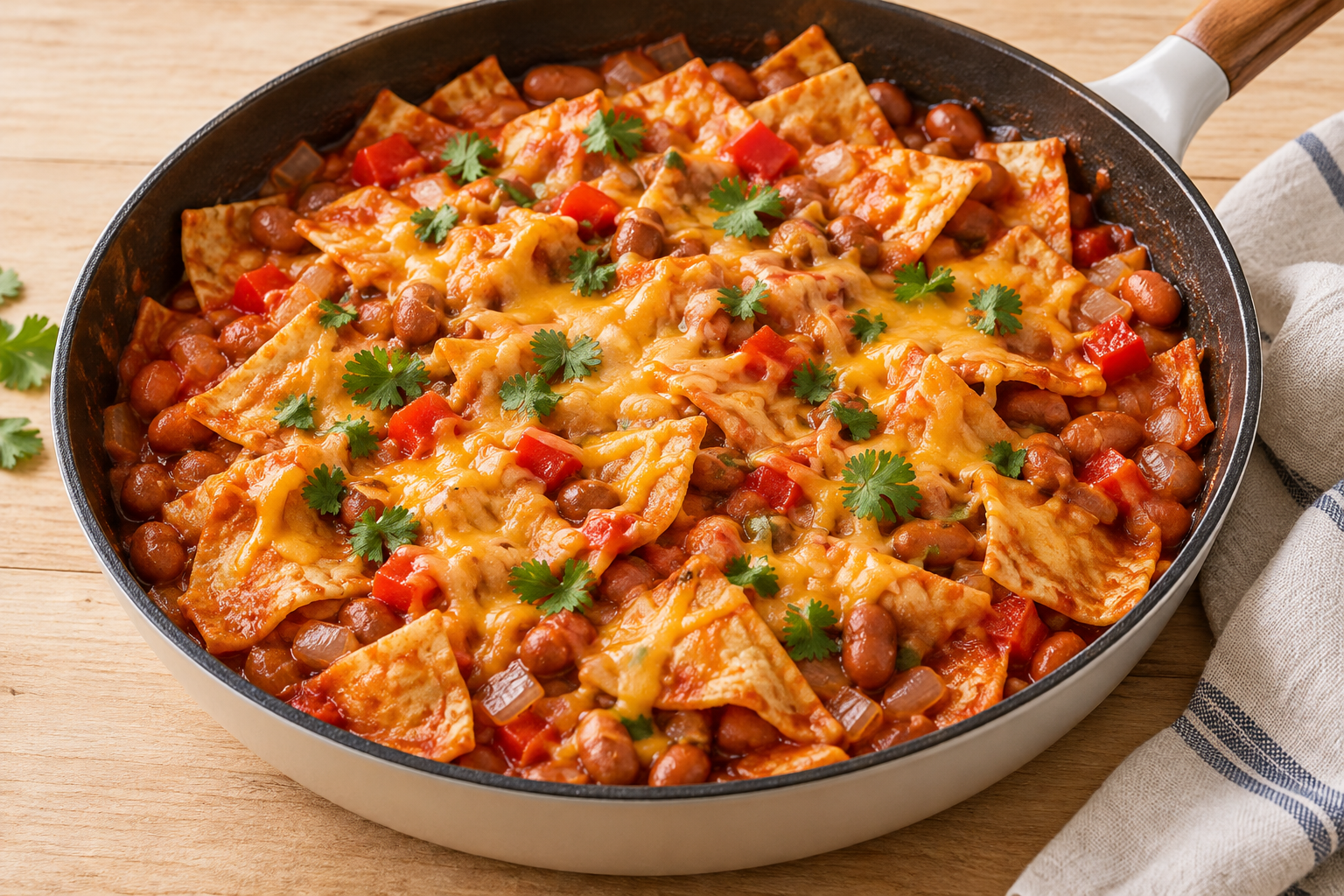
A different pantry-bean supper with an enchilada-style finish.
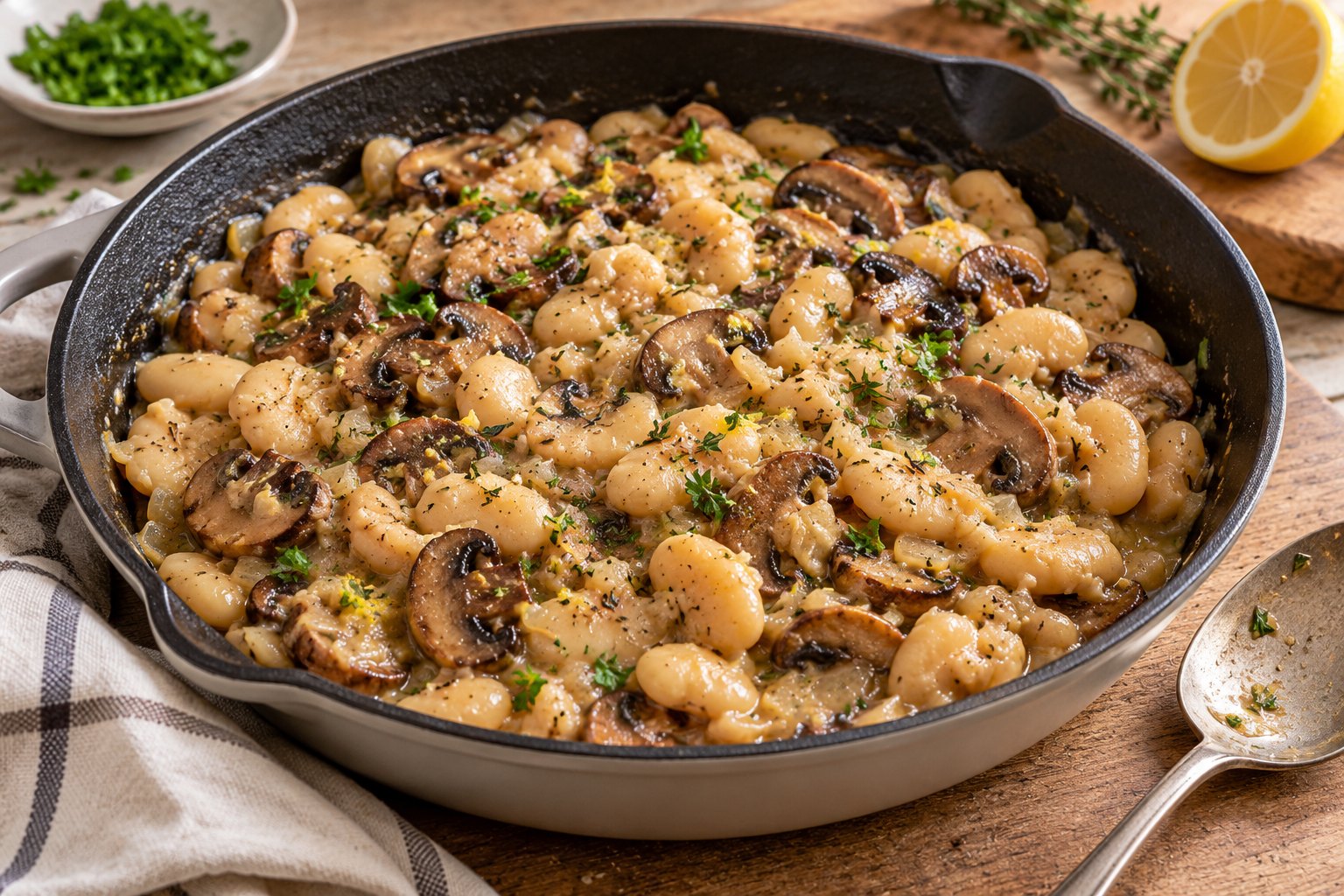
A bean skillet that makes useful use of mushrooms.
Equipment for this recipe
Affiliate disclosure: As an Amazon Associate I earn from qualifying purchases.
Use the tools you already have when they match the method. If you need an item, these links open matching Amazon search results.
- 10-inch skillet on Amazon — Use the recipe’s small skillet size to control crowding and evaporation.
- Liquid measuring cup on Amazon — Measure broth, water, milk, or sauce ingredients before heating the pan.
Check the size, material, and manufacturer’s use instructions against the recipe before choosing.
Useful kitchen references
- FoodSafety.gov leftover guidance — A practical reference for chilling and reheating.
Printable recipe
Use the recipe card’s Print control for a kitchen copy. Follow the ingredient quantities and cooking checks in the card when preparing the dish.
Grape Mustard Chickpea Skillet for Two
Ingredients
Equipment
Method
- Dry the drained chickpeas thoroughly. Whisk stock, mustard, and vinegar together in a cup.
- Heat 2 teaspoons oil in a 10-inch skillet over medium-high heat. Cook chickpeas 7–8 minutes, moving occasionally, until several surfaces are golden. Transfer to a bowl.
- Reduce heat to medium. Add remaining teaspoon oil and shallot; cook 3–4 minutes until softened. Add grapes and cook about 4 minutes, until warmed and lightly colored but still distinct.
- Stir in thyme and pepper for 20 seconds. Add the stock mixture, scrape up browned bits, and simmer 2–3 minutes.
- Return chickpeas and fold in spinach in two additions. Cook 1–2 minutes until spinach wilts and beans are hot. If watery, simmer uncovered briefly; if dry, add water a tablespoon at a time. Taste and add a small pinch of salt only if needed.
- Serve in two bowls with bread or a cooked grain alongside if desired.