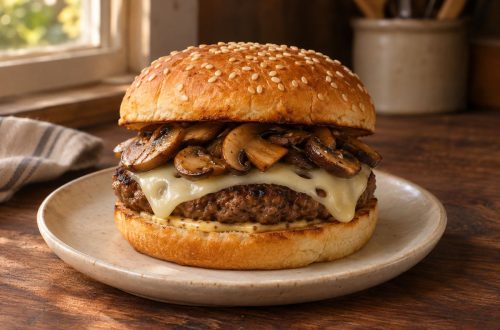
Leftover mashed potatoes can become much more than reheated leftovers. This mashed potato waffle recipe turns chilled potatoes into savory waffles with crisp, browned edges, a tender middle, melted cheddar, and fresh green onions. They are hearty enough for breakfast, easy enough for lunch, and useful as a side dish with dinner.
The mixture is thicker than ordinary waffle batter because it starts with cooked potatoes. Eggs and a little flour help it hold together, while a fully heated waffle iron creates the ridged surface and golden crust. The most important details are using cold potatoes, adjusting the flour to match their moisture, and leaving the waffles in the iron until they release easily.
Recipe at a glance
Prep: 10 minutes Cook: about 20 minutes Total: about 30 minutes
Yield: About 4 large waffles, depending on the waffle maker Serves: 4
Texture: Golden and crisp outside, soft and cheesy inside
Best potato base: Cold, firm leftover mashed potatoes

Why this mashed potato waffle recipe works
Mashed potatoes already contain cooked starch, so they bring a soft, creamy center and a rich potato flavor without requiring you to peel and boil another batch. Chilling firms the potatoes, making the mixture easier to portion. Eggs help bind everything, flour absorbs some of the moisture, and baking powder gives the center a little lift.
Cheddar adds savory flavor and browns where it touches the hot plates. Green onions add freshness, while garlic powder and smoked paprika season the waffles without making the potato flavor disappear. The result is closer to a crisp potato cake in waffle form than a light, sweet breakfast waffle.
This method is especially handy after a holiday meal or Sunday dinner. For another breakfast-friendly way to use potatoes, see our skillet breakfast potatoes with canned chickpeas.
Which mashed potatoes should you use?
Cold leftovers are the easiest starting point because they are firm and already seasoned. Plain mashed potatoes work well, as do potatoes made with a moderate amount of butter and milk. If yours are very loose, creamy, or whipped, plan to add flour gradually until the mixture can hold a scoop without running.
Potatoes made with garlic, roasted garlic, chives, or sour cream can also work. Taste them before adding salt because leftover potatoes and cheese may already be well seasoned. Avoid using mashed potatoes that have been left at room temperature too long; leftovers should be chilled promptly and handled safely.

Ingredients and what each one does
- 2 1/2 cups cold mashed potatoes: Use refrigerated, fully cooked potatoes. If they contain large lumps, mash them lightly so the batter cooks more evenly.
- 2 large eggs: Eggs bind the potatoes and flour so the waffles hold their shape when lifted from the iron.
- 1/2 cup all-purpose flour: Flour absorbs excess moisture and gives the mixture structure. Keep a little extra nearby because different mashed potato recipes contain different amounts of milk and butter.
- 3/4 cup shredded cheddar: Sharp cheddar gives a pronounced savory flavor. Shred it from a block when possible; very fine pre-shredded cheese can be drier and may contain anti-caking starch.
- 2 tablespoons sliced green onions: These add a mild onion flavor. Chives are a good substitute.
- 1/2 teaspoon baking powder: A small amount lightens the center without turning the mixture into a fluffy breakfast-waffle batter.
- 1/2 teaspoon garlic powder: Adds a steady, savory garlic flavor without extra moisture.
- 1/4 teaspoon smoked paprika and 1/4 teaspoon black pepper: Paprika adds gentle warmth and color; pepper balances the potato and cheese.
- Salt, as needed: Start with a small pinch only after tasting the potato mixture.
- Neutral oil or nonstick spray: Use a light coating if recommended for your waffle maker.
How to make mashed potato waffles
1. Mix the wet ingredients
Place the cold mashed potatoes in a large bowl. Add the eggs and stir until the mixture looks evenly combined. Break up any large potato clumps with the back of a spoon, but do not whip the potatoes until they become gluey.
2. Add cheese and seasonings
Fold in the cheddar and green onions. In a small bowl, stir together the flour, baking powder, garlic powder, smoked paprika, and black pepper. Add the dry mixture to the potatoes and fold until no dry pockets remain.
The batter should be thick and scoopable. It should mound on a spoon rather than pour. If it spreads like a loose pancake batter, mix in additional flour one tablespoon at a time. If it is crumbly and will not hold together, mix in a teaspoon of milk at a time. The goal is a cohesive mixture, not a wet batter.
3. Preheat the waffle iron completely
Heat the waffle maker according to the manufacturer’s instructions. A fully preheated iron starts browning the outside as soon as the potato mixture touches the plates. Lightly grease the plates if your appliance instructions recommend it, even if they have a nonstick coating.
4. Portion the mixture without overfilling
Scoop about 1/2 cup of mixture into the center of the iron for a standard-size waffle maker; use less for a small iron and more only if the manufacturer’s fill line allows it. Spread the mixture gently, leaving a border around the edges. The mixture is thick, so it may not flow into every corner on its own.
5. Cook until browned and set
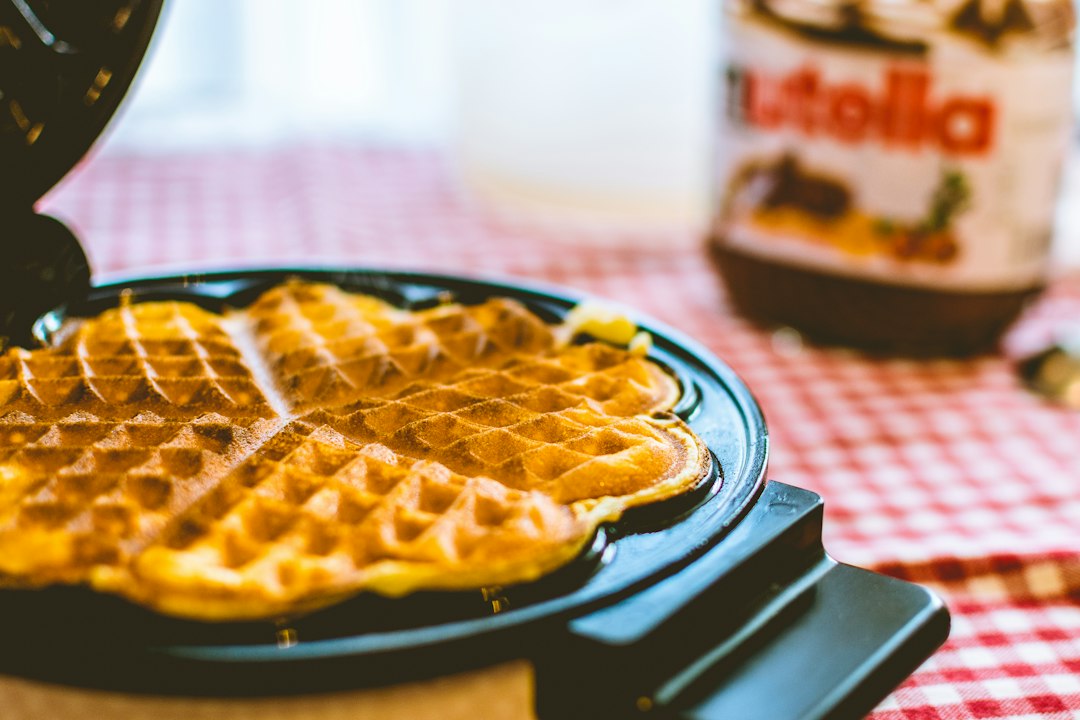
Close the lid and cook for about 4–7 minutes, depending on the waffle maker, the thickness of the portion, and how moist the potatoes are. Resist the urge to open the lid repeatedly. When the waffle has developed a deep golden surface and releases without tearing, it is ready. If it sticks or bends apart, close the iron and give it another minute or two.
6. Keep the first waffles crisp
Move cooked waffles to a wire rack while you prepare the remaining mixture. Do not stack them on a plate: trapped steam softens the crust. To serve several waffles together, hold them on a rack set over a baking sheet in a 200°F oven while the rest cook.
How to get crisp edges instead of soft waffles
Start cold. Chilled mashed potatoes are firmer than freshly made potatoes and make a more manageable mixture. If you have just prepared the potatoes, spread them in a shallow container and refrigerate until cold before mixing in the eggs.
Control moisture. Potatoes made with lots of milk, cream, or sour cream need more flour than drier potatoes. Add the flour gradually so the waffles do not become dense. Do not add extra milk unless the mixture is genuinely crumbly.
Give the iron time. A hot cooking surface encourages browning. If the first waffle is pale, allow the iron to reheat fully before adding the next portion.
Do not rush the release. The waffles need time to form a crust. Open the lid gently once the steam has eased and the waffle appears browned; if it resists, cook longer instead of pulling it apart.
Use a rack, not a stack. Air circulation keeps the underside from steaming while you finish the batch. For an extra-crisp finish, put the cooked waffles on a rack in a 200°F oven for a few minutes.
Easy variations for different tastes
- Loaded baked potato waffles: Fold in 2–3 tablespoons of cooked, crumbled bacon and a little extra green onion. Serve with sour cream.
- Ham and Swiss: Add 1/3 cup finely diced cooked ham and replace some or all of the cheddar with Swiss cheese.
- Garlic Parmesan: Replace half the cheddar with finely grated Parmesan and add a little chopped parsley.
- Jalapeño cheddar: Add 1–2 tablespoons finely diced jalapeño. Remove seeds and membranes for milder heat.
- Herb potato waffles: Add chopped chives, parsley, or dill. Use a light hand with delicate herbs so they do not overwhelm the potatoes.
- Meat-free loaded waffles: Add a few tablespoons of finely chopped sautéed mushrooms or well-drained spinach. Cook vegetables first and cool them; excess water can make the batter loose.
Keep add-ins finely chopped and modest in quantity. Too much cheese, meat, or vegetables can interrupt the batter’s structure and make the waffles harder to release.
What to serve with savory potato waffles
For breakfast or brunch, add a fully cooked fried egg, crisp bacon, breakfast sausage, sliced tomatoes, or avocado. Sour cream, plain Greek yogurt, or a spoonful of scallion dip makes a cool topping for the warm waffles.
For lunch, serve one waffle with a green salad, tomato soup, or leftover roast chicken. At dinner, they make a hearty side for pork chops, baked chicken, meatloaf, or sautéed mushrooms. A little warmed gravy is especially good when the waffles are served in place of mashed potatoes.

Troubleshooting: what went wrong?
| Problem | Likely cause | What to do |
|---|---|---|
| Waffles fall apart | Mixture is too wet or removed too soon | Add flour a tablespoon at a time and cook longer before lifting. |
| Waffles are soft | Iron was not hot enough or waffles were stacked | Preheat fully and cool finished waffles on a wire rack. |
| Waffles stick | Plates need a light coating or crust is not set | Grease as directed by the appliance maker and allow more cooking time. |
| Outside browns too fast | Iron is too hot or the portion is too thick | Lower the setting and use a smaller, more even scoop. |
| Mixture is crumbly | Potatoes are very dry or flour was overmeasured | Add milk one teaspoon at a time until the mixture holds together. |
Make-ahead, storage, and reheating
The batter is easiest to manage when the potatoes are already cold. You can shred the cheese and slice the green onions ahead, but for the best texture, mix the eggs into the potatoes shortly before cooking. If you cook the waffles ahead, cool them on a rack before storing.
Refrigerate cooked waffles in a covered container for 3–4 days. For longer storage, freeze them in a single layer until firm, then transfer them to a freezer bag with parchment between pieces. Label the bag with the date. Reheat refrigerated or frozen waffles in a toaster oven, oven, or air fryer until crisp and hot throughout. For food safety, reheat leftovers to 165°F, checked with a food thermometer.
Refrigerate leftover mashed potatoes promptly: place them in a shallow container and chill within 2 hours of cooking or serving. Use refrigerated leftovers within 3–4 days. See the USDA guide to leftovers and food safety for details.
Frequently asked questions
Have a question about texture, ingredients, or making these waffles ahead? Start with these practical answers and tips.
Can I use instant mashed potatoes?
Yes. Prepare them according to the package directions, but make them slightly thicker than you would for a side dish. Cool them completely before mixing the batter. If they are loose, add flour gradually until the mixture is scoopable.
Can I make these without cheese?
Yes. Leave out the cheddar and add a little extra green onion, chives, or parsley. Check the consistency before cooking; add a tablespoon of flour if removing the cheese makes the mixture too loose.
Can I use a Belgian waffle maker?
Yes. Belgian waffle makers work, but their deeper grids can produce thicker waffles that need more time to cook through. Use a smaller amount of mixture at first and follow the manufacturer’s fill guidance. A standard or shallow waffle iron often makes thinner waffles with more crisp surface area.
Can I cook the mixture in a skillet?
Yes. Shape it into small patties and cook in a lightly oiled skillet over medium heat until deeply golden on both sides and hot in the middle. They will be potato cakes rather than waffles, but the same mixture works.
Why do my waffles taste gummy?
Overworked potatoes, excess liquid, or too much flour can make the center dense. Mix just until combined, adjust the flour only as needed, and cook until the center is set. Mashed potatoes that have been whipped heavily can also become gluey, so fold the batter gently.
Can I freeze mashed potato waffles?
Yes. Cool the waffles completely, freeze them flat, then pack them with parchment between pieces. Reheat from frozen in an oven, toaster oven, or air fryer until crisp and heated to 165°F throughout.
Conclusion
This mashed potato waffle recipe gives leftover potatoes a useful second life, turning them into savory waffles with crisp edges, a tender center, cheddar, and green onions. The key is to begin with cold potatoes, keep the mixture thick enough to scoop, preheat the waffle iron, and let each waffle brown before lifting it out. Once you have the basic method down, change the cheese, herbs, or toppings to match what is in your refrigerator. It is a simple, flexible way to make leftovers feel like a new meal.
Technique note: Chilling the potatoes and thoroughly preheating the waffle iron are consistent with guidance from King Arthur Baking’s potato waffle method. This article’s ingredient amounts and seasoning combination are written as a separate variation.
Printable recipe
Use the recipe card below to review the ingredient list, follow the condensed instructions, and print a copy for your kitchen.

Mashed Potato Waffles
Ingredients
Method
- Place the cold mashed potatoes in a large bowl. Add the eggs and stir until evenly combined, breaking up large lumps without whipping the potatoes.
- Fold in the cheddar and green onions. In a separate bowl, combine the flour, baking powder, garlic powder, smoked paprika, and black pepper. Stir the dry mixture into the potatoes until no dry pockets remain. The mixture should be thick and scoopable. If it is loose, add flour 1 tablespoon at a time; if it is crumbly, add milk 1 teaspoon at a time.
- Preheat the waffle maker completely according to the manufacturer's instructions. Lightly grease the plates if recommended for your model.
- Scoop about 1/2 cup of mixture into the center of a standard waffle iron, adjusting for the size of your appliance. Spread gently and leave a border so the mixture does not overflow.
- Close the lid and cook for approximately 4–7 minutes, depending on the waffle iron and moisture in the potatoes. Cook until the outside is deep golden and the waffle releases without tearing. If it sticks, close the lid and cook another minute or two.
- Transfer cooked waffles to a wire rack so steam can escape. Repeat with the remaining mixture. Serve warm with sour cream, extra cheddar, green onions, or a cooked egg.