
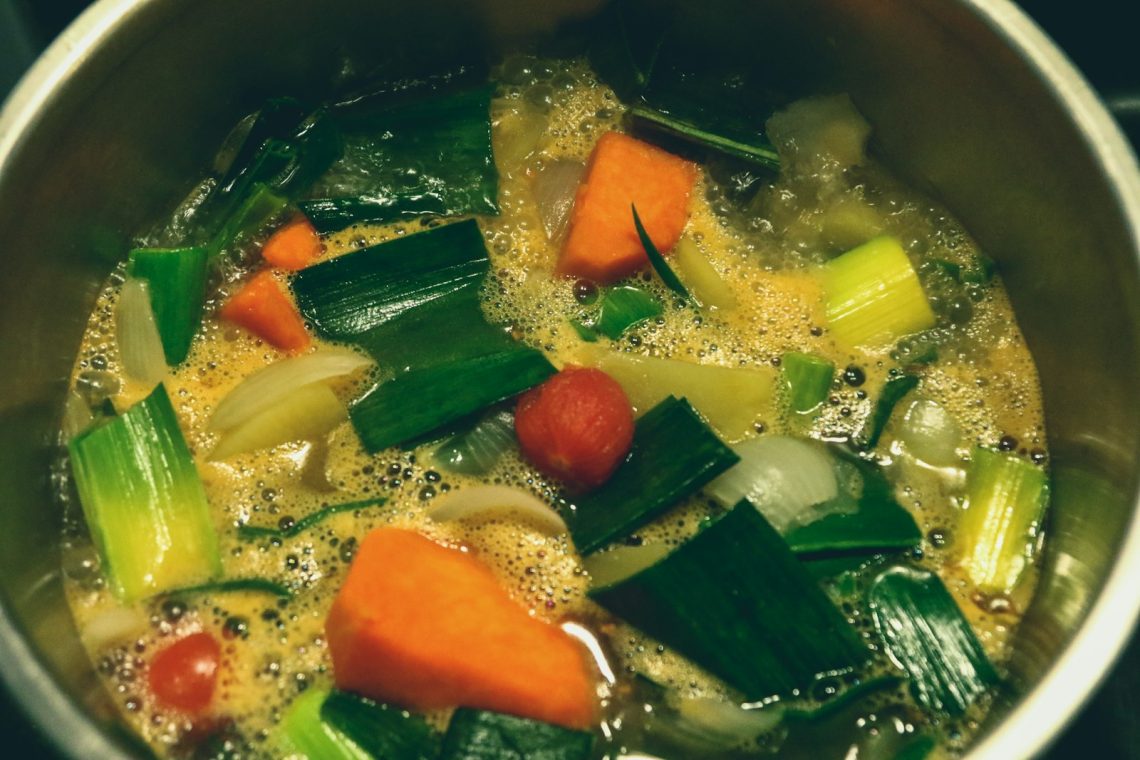
Mushroom edamame soup with soba is a savory, brothy bowl built on sliced mushrooms, sweated onion and garlic, and a light vegetable broth seasoned with soy sauce and finished with toasted sesame oil. Cooked edamame and cooked soba noodles go in near the end, so they warm through without turning soft. It is a bowl you can have on the table in about 55 minutes.
The method is deliberately calm. The vegetables simmer first until tender, the already-cooked components join them for a short final heat, and the seasoning is adjusted at the very end when the broth has reached its final volume. That order keeps the noodles intact and the mushrooms silky rather than rubbery.
Affiliate disclosure: As an Amazon Associate I earn from qualifying purchases. Tool links are marked as paid links.
Why this combination works
Mushrooms already taste savory, and soy sauce and sesame oil push that in the same direction without needing a long-simmered stock. Cooking the onion slowly in olive oil gives the broth a gentle sweetness underneath, and the garlic is added only for the last 30 seconds of that step so it perfumes the pot instead of scorching.
The soup also has a pleasing mix of textures: tender mushroom slices, firm little edamame, and slippery noodles. Because the edamame and soba are cooked before they go in, the last simmer is only 5 to 8 minutes, just long enough to heat everything through. A controlled simmer, rather than a hard boil, keeps the broth clear and the noodles from breaking apart.
Ingredient notes and swaps
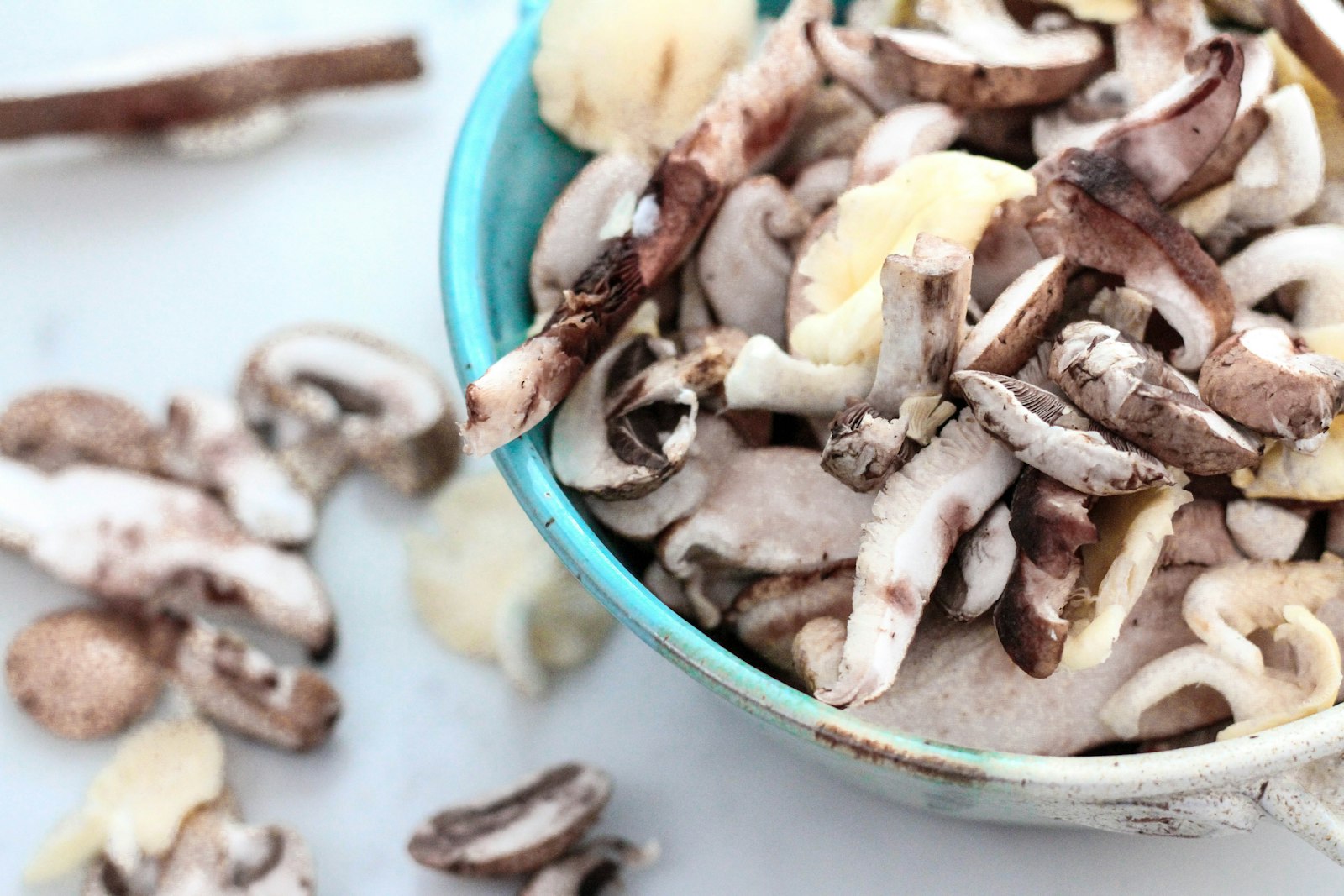
The recipe calls for 3 cups of sliced mushrooms, and the type is up to you. Cremini and white button mushrooms are easy to find and hold their shape. Shiitake caps, with the tough stems removed, give a deeper flavor. A mix works well too, as long as the slices are a similar thickness so they cook at the same pace. Wipe the mushrooms clean with a damp towel rather than soaking them, since they take on water and then dilute the broth.
Use low-sodium vegetable broth and reduced-sodium soy sauce, as listed. The soy sauce and the broth both carry salt, so you control the final seasoning by adding the remaining salt only at the end. If you need to avoid wheat, read the label on your soy sauce and your soba, because some soy sauces and many soba noodles contain wheat. Tamari and noodles labeled 100 percent buckwheat are common alternatives to look for.
Edamame should be shelled and already cooked. Frozen shelled edamame that you have cooked according to the package and drained is the easiest route. The soba should also be cooked ahead and rinsed; the next section explains why that rinse matters.
Rinse the soba: Use cooked soba and rinse it before adding so loose surface starch does not make the broth muddy. Shake off the excess water so you do not thin the soup.
Building the broth step by step
Start with a 4-quart pot over medium heat. Warm the olive oil, then add the diced onion with about half of the salt. Salting early draws moisture out of the onion and helps it soften without browning. Give it 5 to 6 minutes, stirring now and then, until it looks translucent. Add the garlic and stir for only 30 seconds; garlic that catches on the bottom turns bitter and will flavor the whole pot.
Add the sliced mushrooms and the tablespoon of soy sauce, and stir for a minute so the slices pick up the onion mixture. Pour in the broth, scrape up any light browned bits from the base, and bring the pot to a simmer. Then turn the heat down until small bubbles rise steadily. Partially cover and simmer for 15 to 20 minutes, until the mushrooms are tender when pierced. If the level drops too low, add water a quarter cup at a time.
Adding the edamame and soba
Once the mushrooms are tender, stir in the cooked edamame and soba. Simmer for 5 to 8 minutes until everything is hot throughout. Stir gently, since cooked noodles can tear if you work them hard. If you would like a thicker bowl, press a few soft pieces against the side of the pot and stir them back in. If you prefer a lighter broth, add a splash of hot water rather than boiling the soup down after the tender ingredients are in.
Finish with the toasted sesame oil, the remaining salt, and the pepper. Sesame oil is a finishing seasoning, so adding it off the aggressive heat keeps its toasty aroma. Taste a cooled spoonful, because very hot broth hides saltiness, and adjust the salt a pinch at a time.
Make-ahead and storage
Refrigerate leftovers promptly in shallow containers instead of letting a full pot cool on the counter. Get the soup into the refrigerator within 2 hours, or within 1 hour if the room is above 90°F, and keep it at 40°F or below. Plan to eat it within 3 to 4 days. When reheating, bring a portion to a boil, stir well, and check that it reaches at least 165°F.
Noodles keep absorbing broth as they stand, so leftovers will be thicker. Loosen a portion with a little hot water when you reheat it. If you plan to make the soup ahead, consider storing a little of the soba separately and adding it to the reheated broth. You can freeze portions, though the noodles and mushrooms will be softer after thawing. Do not taste questionable leftovers to decide whether they are safe.
Troubleshooting
- Cloudy broth: the soba probably carried surface starch. Rinse it well next time.
- Flat flavor: add salt gradually after the soup reaches its final volume, and taste a cooled spoonful.
- Too thick after standing: loosen individual portions with hot water.
- Mushrooms still firm: keep simmering and test a thick slice with a fork before adding the noodles.
Frequently asked questions
Can I use dried soba straight from the package?
Not directly. This recipe is written for cooked soba, and its timing starts with the noodles ready. Cook them separately according to the package, rinse, and then add them for the final simmer.
Which mushrooms work best?
Cremini, white button, or shiitake caps all work. Slice them evenly so they soften at the same rate during the 15 to 20 minute simmer.
Can I make the soup gluten-free?
Possibly, but check labels. Some soy sauces and many soba noodles contain wheat. Look for tamari and noodles labeled as made only from buckwheat, and confirm the broth is suitable too.
Can I double the recipe?
Yes. Double the ingredients and use a larger pot so the mushrooms are not crowded. Begin checking at the original times and continue only until the mushrooms are tender and everything is hot.
How long do leftovers keep?
Refrigerated at 40°F or below, they keep 3 to 4 days. Reheat a portion until it reaches at least 165°F, adding hot water if the noodles have absorbed the broth.
When should I add the sesame oil?
At the end, together with the remaining salt and pepper. Toasted sesame oil is a finishing seasoning, so it is added after the simmering is finished.
Mushroom Edamame Soup with Soba
A savory mushroom broth with cooked edamame and soba, finished with toasted sesame oil.
Equipment
4-quart pot, wooden spoon, ladle
Ingredients
- 2 tablespoons olive oil
- 1 medium onion, finely diced
- 2 garlic cloves, minced
- 3 cups sliced mushrooms
- 2 cups cooked shelled edamame mixed with 1 cup cooked soba noodles
- 4 cups low-sodium vegetable broth
- 1 tablespoon reduced-sodium soy sauce
- 1 teaspoon toasted sesame oil
- 1/2 teaspoon fine salt, plus more to taste
- 1/4 teaspoon black pepper
- Water as needed, added 1/4 cup at a time
Instructions
- Have the sliced mushrooms and the cooked edamame and soba ready, rinsing the soba. Timing starts with the cooked components ready.
- Heat the olive oil in a 4-quart pot over medium heat. Add the onion and half the salt. Cook 5 to 6 minutes, stirring occasionally, until softened but not heavily browned. Add the garlic and stir for 30 seconds.
- Add the mushrooms and soy sauce. Stir for 1 minute, then pour in the broth. Scrape up any light browned bits and bring to a simmer, then reduce the heat so small bubbles rise steadily.
- Partially cover and simmer 15 to 20 minutes, stirring occasionally, until the mushrooms are easily pierced with a fork. Add water 1/4 cup at a time if the liquid drops too low.
- Add the edamame and soba and simmer 5 to 8 minutes, until thoroughly hot.
- Adjust the thickness: press a few soft pieces against the side of the pot for a thicker bowl, or add a little hot water for a brothier soup.
- Stir in the sesame oil, remaining salt, and pepper. Taste a cooled spoonful and adjust the salt gradually. Divide among four bowls.
Notes
Rinse cooked soba before adding it so loose starch does not cloud the broth. Refrigerate within 2 hours (1 hour above 90°F), keep at 40°F or below for 3 to 4 days, and reheat to at least 165°F.
familyrecipehq.com
Helpful tools for this recipe
A heavy 4-quart pot with a lid (paid link) makes the partial-cover simmer easy, and a soup ladle (paid link) helps you portion the broth and noodles evenly.
More recipes for your table
If you like mushrooms and onions, try Buckwheat Groats with Mushrooms and Onions. For another gentle simmered bowl, see Carrot Ginger Soup with Red Lentils, or try Celery Root White Bean Soup with Thyme.
Mushroom edamame soup with soba rewards a patient simmer and a careful last-minute seasoning. Rinse the noodles, add the cooked components at the end, and serve it while it is hot.




