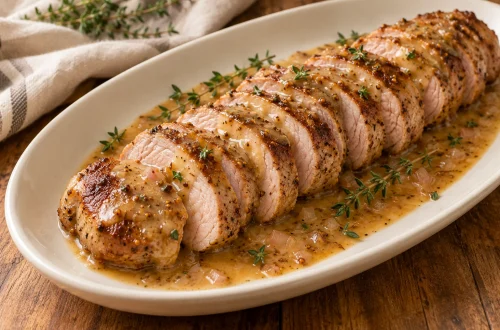
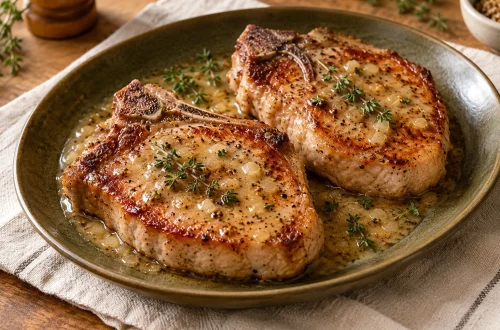
Pork Shoulder with White Beans and Roasted Peppers brings together fork-tender meat and vegetables in a rich, spoonable sauce. This recipe makes 4 servings and uses slowly braising a collagen-rich cut until fork tender. The ingredient list gives measured amounts, and the numbered method below explains the order of work and the cues to watch while cooking.
The most useful detail for this version is simple: add canned beans for the last 20 minutes. That small preparation choice helps the ingredients cook or combine as intended. Have a heavy lidded pot or Dutch oven, tongs, and a thermometer ready before beginning, and prepare the measured ingredients before turning on the heat.
At a glance
| Prep | Cooking | Additional time | Total | Servings |
|---|---|---|---|---|
| 25 minutes | 170 minutes | 10 minutes | 205 minutes | 4 |
Times are planning estimates. Ingredient temperature, cut size, pan material, and appliance performance can change the final cooking time. Use the texture and doneness checks in the method.
How to get the best texture in pork shoulder with white beans and roasted peppers
Choose the specified shoulder or chuck rather than a lean quick-cooking steak. The long moist cooking stage is intended to soften connective tissue. Meat can reach a safe temperature well before it feels tender; a braise is ready when a fork slides into it with little resistance.
Brown in batches, then use the measured liquid to loosen the flavorful residue. Keep the covered pot at a gentle simmer rather than a hard boil. Check occasionally and add a little water if the sauce reduces before the meat softens.
Not every ingredient belongs in the pot for the full cooking time. Firm onions and roots can cook longer, while canned beans, soft fruit, and some vegetables need a later addition. Follow the named timing in the numbered method so the finished dish has recognizable pieces instead of one uniform puree.
Preparation details that matter
- Add canned beans for the last 20 minutes.
- Drain roasted peppers before measuring.
- Skim excess surface fat before serving.
Substitutions and adjustments
Use beef chuck or pork shoulder of similar size. Lean loin or tenderloin will dry during this long cooking method. Keep cube sizes consistent; larger cubes may need longer. Replace broth with another low-sodium broth of similar character, then adjust seasoning at the end.
Check package labels when serving someone with an allergy. The ingredients, accompaniments, and optional toppings all count; a recipe name alone does not establish that a dish is free of a particular allergen.
Serving and making ahead
Serve in shallow bowls with crusty bread. Put any crisp toppings and cold sauces on the table separately when serving a group, so each portion keeps the intended texture.
Storage
Refrigerate leftovers in shallow covered containers within 2 hours, or within 1 hour when the room or outdoor temperature is above 90°F (32°C). Keep the refrigerator at 40°F (4°C) or below and use within 3–4 days. Store any cold sauce, raw salad, bread, or crisp garnish separately. Reheat only the cooked component to 165°F (74°C); add the separately refrigerated cold finish afterward. Avoid repeated cooling and reheating of the same portion.
Frequently asked questions
Why is the meat still tough?
A safe temperature alone does not finish a braise. Keep it gently simmering with sufficient liquid until connective tissue softens. Add time in short increments and check with a fork.
Can I cook it the day before?
Yes. Cool in shallow containers and refrigerate promptly. Reheat the cooked portion to 165°F before serving. Any solidified surface fat can be lifted away while the dish is cold.
What if the sauce is thin?
Remove tender meat carefully and simmer the sauce uncovered to reduce it. Return the meat once the sauce is spoonable; avoid vigorous stirring that breaks up the pieces.
Pork Shoulder with White Beans and Roasted Peppers: complete recipe
Yield: 4 servings. Prep: 25 minutes. Cook: 170 minutes. Additional time: 10 minutes. Total: 205 minutes.
Ingredients
- 2 lb boneless pork shoulder, cut into 2-inch cubes
- 1 onion, sliced
- 1 cup roasted red pepper strips, drained
- 2 cans cannellini beans, 15 oz each, drained
- 2 cups low-sodium chicken broth
- 2 tablespoons tomato paste
- 1 teaspoon smoked paprika
- 2 tablespoons chopped parsley
- 1 tablespoon red wine vinegar
- 2 tablespoons olive oil
- 1/2 teaspoon fine salt, divided, or less to taste
- 1/4 teaspoon black pepper
Instructions
- Pat the meat dry and season with the salt and pepper. Heat the olive oil in a heavy pot over medium-high heat. Brown the meat in two or three batches for about 10–15 minutes total, transferring each batch to a plate.
- Add the early vegetables: onion and roasted red pepper strips. Stir for 4–5 minutes, then add 2 cups low-sodium chicken broth, 2 tablespoons tomato paste, and 1 teaspoon smoked paprika. Scrape the browned bits from the bottom and return the meat with its juices.
- Bring to a gentle simmer. Cover, reduce the heat to low, and braise for about 2 1/2 hours, checking every 30 minutes. The liquid should simmer quietly, not boil hard. Add a little water if the pot becomes dry.
- Add 2 cans cannellini beans, 15 oz each, drained with about 20 minutes of the braise remaining.
- Check that meat is safely cooked and fork tender. Whole beef or pork should exceed 145°F, but a braise generally needs longer cooking for tenderness. If still firm, continue in 15-minute increments. Lift tender meat out briefly to reduce a thin sauce if needed.
- Turn off the heat and let the braise settle for 10 minutes. Skim excess surface fat, then add 2 tablespoons chopped parsley and 1 tablespoon red wine vinegar. Taste and adjust seasoning.
- Serve in shallow bowls with crusty bread.
Recipe notes
For this pork shoulder with white beans and roasted peppers, drain roasted peppers before measuring. Skim excess surface fat before serving.
Food handling reference: FoodSafety.gov cooking temperatures and USDA leftover storage guidance.