Quick Recipe Overview: This orange olive oil snack cake is a bowl-and-whisk cake made with 90 ml (6 tablespoons) of mild olive oil, 1 tablespoon of fresh orange zest and 1/4 cup orange juice. No mixer and no softened butter needed. It bakes in an 8-inch pan at 350°F for 35–45 minutes and cuts into 9 squares that stay moist for days.
Best method: Rub the orange zest into the sugar, whisk in the oil and eggs, then fold in the flour just until combined.
| Prep | 20 minutes | Bake | 35–45 minutes at 350°F |
|---|---|---|---|
| Cool | 30 minutes | Total | About 1 1/2 hours |
| Yield | 9 squares | Pan | 8-inch square or round |
Orange olive oil snack cake is one of the easiest cakes you can bake from scratch: one bowl, a whisk and about 20 minutes of prep. The olive oil keeps the crumb soft and moist, and a full tablespoon of orange zest plus 1/4 cup of juice gives it a bright citrus flavor.
It’s ideal when you want a not-too-sweet cake for breakfast, an afternoon snack or a simple dessert, and it’s dairy-light (only 60 ml milk, which you can swap). Unlike our fruit-studded snack cakes, there’s no fruit to sink here, so this one is about the oil and the citrus working together.

Equipment
- 8-inch square or round cake pan, lined with parchment.
- Fine grater or Microplane for the zest.
- Citrus juicer or reamer.
- Large mixing bowl and a balloon whisk; no mixer needed.
- Kitchen scale, skewer and wire rack.
Ingredients, substitutions and allergens
| Ingredient | Amount | Why it matters / swaps |
|---|---|---|
| All-purpose flour | 180 g (about 1 1/2 cups) | Structure. Swap up to 1/4 with fine almond flour for extra tenderness (adds tree nuts). |
| Baking powder | 1 1/2 teaspoons | Lift. Use fresh. |
| Fine salt | 1/4 teaspoon | Sharpens the citrus. |
| Granulated sugar | 150 g (3/4 cup) | Sweetness; rubbing the zest into it releases orange oils. |
| Orange zest | 1 tablespoon (about 1 large orange) | The main orange flavor. Grate only the colored peel, not the bitter white pith. |
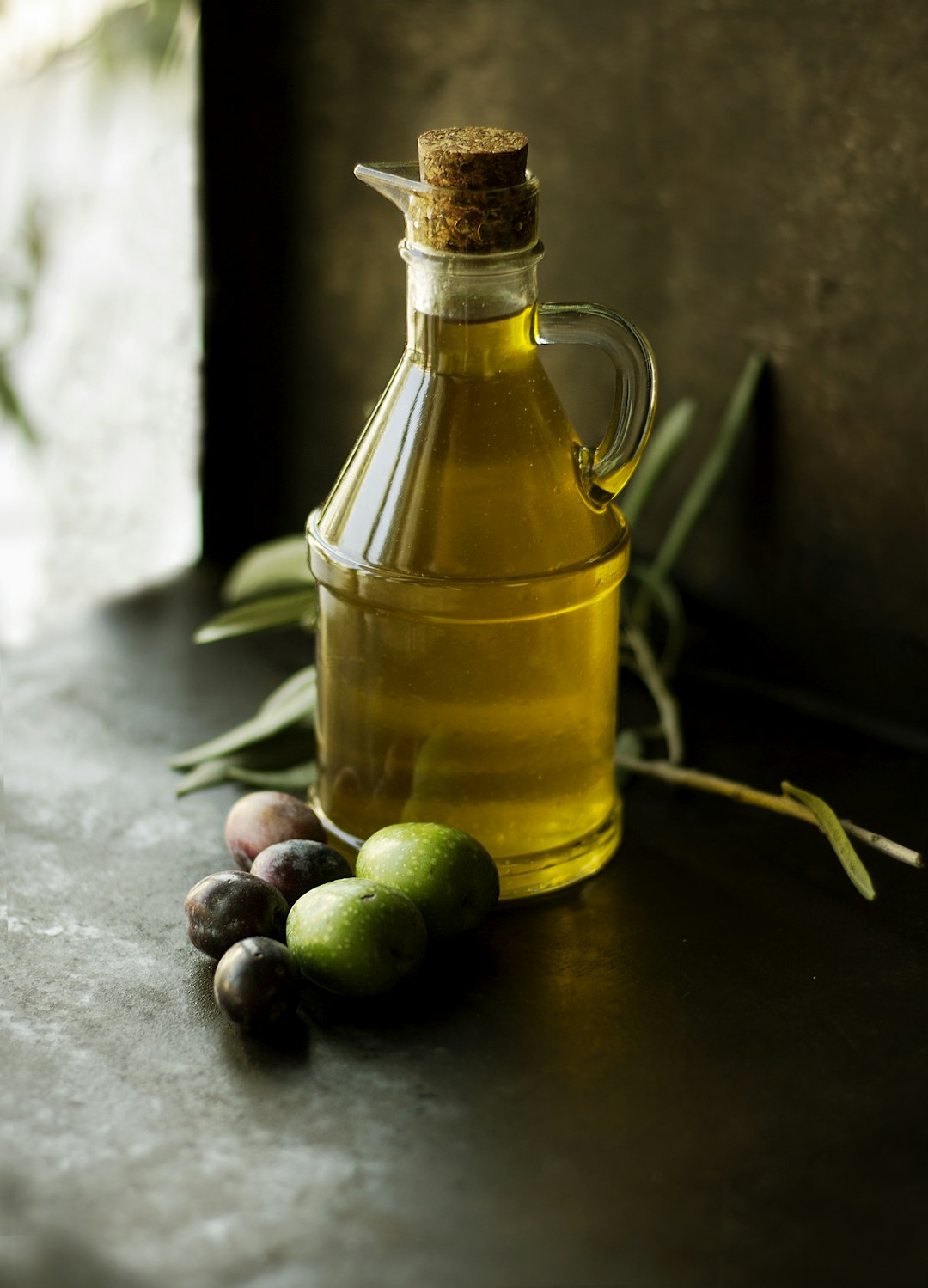
| Mild olive oil | 90 ml (6 tablespoons) | Moisture and a gentle fruity note. A mild or light-tasting extra-virgin works best; very peppery oil can taste bitter. Neutral oil works too, with less flavor. |
| Large eggs | 2, room temperature | Structure and richness. |
| Milk | 60 ml (1/4 cup) | Moisture. Unsweetened oat or almond milk can replace it for a dairy-free cake. |
| Orange juice | 1/4 cup (60 ml) | Flavor and acidity. Fresh is best; bottled works. |
| Neutral oil | 1 teaspoon | To grease the pan. |
| Powdered sugar | 2 tablespoons | Dusting once completely cool. |
Allergens: contains wheat, eggs and milk (milk is easy to swap for a plant milk). No nuts as written, unless you add almond flour.
Why it works: the olive oil difference
Oil keeps cake moist longer. Butter is partly water and turns firm when it cools; oil stays liquid at room temperature. That’s why oil cakes feel soft and moist even on day three, while butter cakes can firm up.
Zest carries more orange flavor than juice. The aromatic oils in orange peel are concentrated and fat-soluble. Rubbing the zest into the sugar with your fingertips, then whisking in the olive oil, spreads that flavor through every crumb. The juice adds brightness and a little acidity.
A whisked batter is forgiving. There’s no creaming step, so there’s less to go wrong. Whisking the sugar, oil and eggs well gives some lift; folding the flour gently keeps it tender.
Step-by-step method
- Prep (10 minutes). Heat the oven to 350°F (175°C). Grease and line the pan. Whisk the flour, baking powder and salt in a bowl.
- Make orange sugar (2 minutes). In a large bowl, rub the orange zest into the sugar with your fingertips. Cue: the sugar looks damp, pale orange and smells strongly of orange.
- Whisk in oil and eggs (2 minutes). Whisk in the olive oil until blended, then the eggs one at a time. Cue: thick, glossy and slightly lighter in color.
- Add the liquids (1 minute). Whisk in the milk and orange juice. Cue: a smooth, thin mixture.
- Fold in the flour (1 minute). Add the dry mix and fold with a spatula. Cue: no dry streaks; a few small lumps are fine.
- Bake (35–45 minutes). Pour into the pan and bake. Cue: deep golden top, edges pulling slightly from the pan, the center springs back and a skewer comes out without raw batter. Tent with foil if it browns too fast.
- Cool and dust (30 minutes). Cool 15 minutes in the pan, lift out and cool fully on a rack. Dust with powdered sugar just before serving. Cue: the cake is cool to the touch underneath, so the sugar won’t melt.
Make-ahead tip: this cake tastes even better the next day once the orange flavor settles. Bake it the evening before, cool, wrap and dust just before serving.
Food safety: don’t taste the raw batter; it contains raw eggs and raw flour. The FDA explains why in Handling Flour Safely: What You Need to Know. Store leftovers covered and follow the USDA’s leftovers guidance: refrigerate within 2 hours and use within 3–4 days.
Troubleshooting
| Problem | Likely cause | Fix |
|---|---|---|
| Bitter aftertaste | Very peppery olive oil, or white pith in the zest | Use a mild oil or mix half and half with neutral oil; zest lightly. |
| Weak orange flavor | Zest not rubbed into sugar, or bottled juice only | Use a full tablespoon of fresh zest and rub it in well. |
| Greasy bottom | Oil not fully whisked in | Whisk the oil and eggs together thoroughly before adding liquids. |
| Dense, flat cake | Old baking powder or overmixing | Use fresh baking powder and fold the flour gently. |
| Domed, cracked top | Oven too hot | Check your oven with a thermometer; bake in the center. |
| Powdered sugar disappeared | Dusted while warm | Cool completely and dust right before serving. |
What to serve with it
Enjoy it with coffee or tea, with a spoonful of Greek yogurt and berries, or warm with a drizzle of honey.
- Make an orange-themed brunch with orange poppy seed breakfast waffles.
- Add something crisp to the plate with small batch orange cornmeal shortbread.
- For a cozy breakfast, pair a square with cranberry orange porridge.
Make-ahead, storage and reheating
Short-term: keep the cooled cake covered. Following USDA leftovers guidance, refrigerate it within 2 hours and use within 3–4 days. Bring slices to room temperature before serving; oil cakes soften back up quickly.
Freezer: wrap undusted squares tightly and freeze up to 3 months. Thaw at room temperature, then dust.
Reheating: a few seconds in the microwave makes a slice taste freshly baked.
Frequently asked questions
Can you taste the olive oil?
A little, in a pleasant fruity way. With a mild oil, the orange is the main flavor.
Can I use extra-virgin olive oil?
Yes. Choose one that tastes mild and fruity rather than very peppery or grassy.
Can I use butter instead of olive oil?
That would make a different cake with a different method. For a butter-based snack cake, see our yogurt cakes instead; this recipe is designed for oil.
Can I make it dairy-free?
Yes. Replace the milk with unsweetened oat, almond or soy milk.
Can I use other citrus?
Lemon or tangerine both work. With lemon, the cake is more tart; you may want to add a glaze.
How do I add a glaze?
Whisk 1/2 cup powdered sugar with 1–2 tablespoons orange juice until thick and pourable, then spread on the cooled cake instead of dusting.
Can I bake it in a loaf pan?
A loaf pan is deeper, so the center takes much longer to bake. The 8-inch pan is recommended; if you try a loaf pan, tent with foil and rely on the skewer test.
Why did my cake sink in the middle?
Usually underbaking or opening the oven too early. Bake until the center springs back and a skewer comes out clean.
Recommended tools
- Microplane zester for fine, pith-free zest
- Handheld citrus juicer
- 8-inch round cake pan
As an Amazon Associate I earn from qualifying purchases.
The bottom line
Rub the zest into the sugar, whisk the oil in well and fold gently. That’s all it takes for a moist, bright orange olive oil snack cake that gets better overnight.
Orange Olive Oil Snack Cake
Ingredients
Equipment
Method
- Heat the oven to 350°F (175°C). Grease and line an 8-inch pan. Whisk the flour, baking powder and salt.
- Rub the zest into the sugar. Whisk in the olive oil, then the eggs one at a time.
- Whisk in the milk and orange juice. Fold in the dry mix just until no dry pockets remain.
- Pour into the pan and bake 35–45 minutes, until the center springs back and a skewer shows no raw batter.
- Cool 15 minutes in the pan, then completely on a rack. Dust with powdered sugar before serving.