Affiliate disclosure: As an Amazon Associate I earn from qualifying purchases.
Quick Recipe Overview
Coconut Curry Mussels Recipe
Prep: 20 minutes Cook: 20 minutes Total: 40 minutes Yield: 4 servings
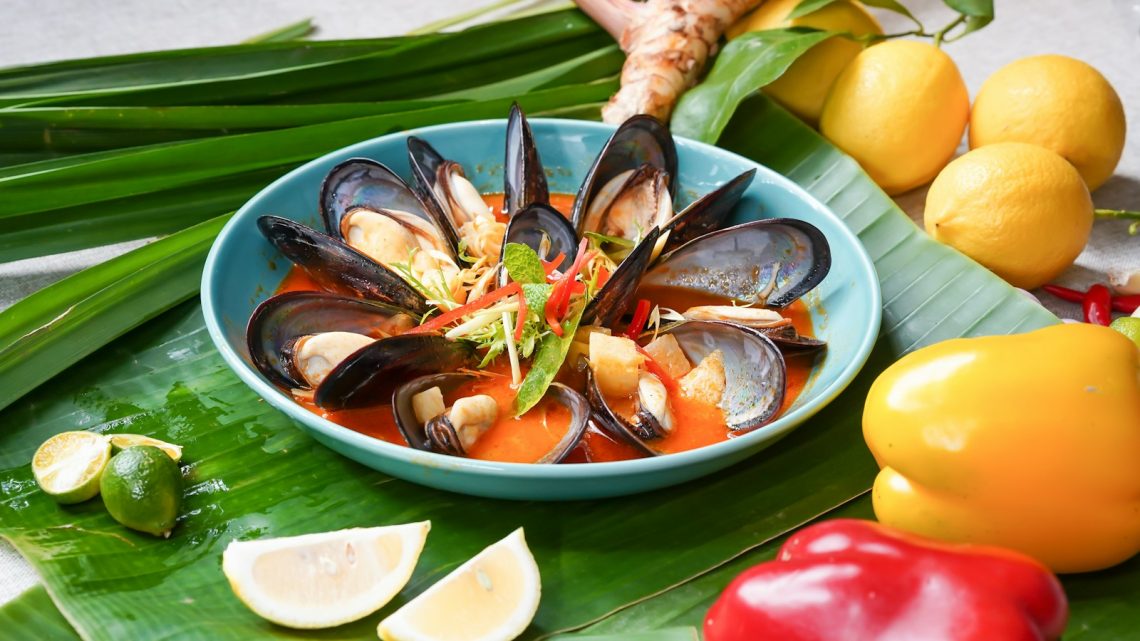
Live mussels steam in a fragrant sauce made with coconut milk, red curry paste, ginger, garlic, lime, and basil. Have all ingredients ready before cooking because mussels open quickly.
Ingredients
- 4 lb live mussels, scrubbed and debearded
- 1 tbsp neutral oil
- 1 small yellow onion, finely sliced
- 2 cloves garlic, minced
- 1 tbsp finely grated fresh ginger
- 2 tbsp red curry paste (start with less if your brand is very hot)
- 1 can unsweetened coconut milk (13.5–14 oz), stirred
- 1 cup unsalted vegetable broth
- 1 tbsp lime juice
- ¼ cup fresh basil leaves, torn
- 1 lime, cut into wedges
- Crusty bread or cooked rice, for serving
Quick Instructions
- Inspect, scrub, and debeard the mussels. Discard cracked shells and any open mussels that do not close when tapped.
- Warm oil in a large pot. Soften the onion, then stir in garlic and ginger until fragrant.
- Add curry paste and cook briefly. Stir in coconut milk and vegetable broth; bring to a gentle simmer.
- Add mussels, cover tightly, and steam until the shells open, checking near the end of the cooking time.
- Discard mussels that remain closed. Finish the broth with lime juice and basil. Taste before adding salt.
- Serve immediately with lime wedges, bread, or rice.
Coconut Curry Mussels Recipe: A Fragrant Seafood Dinner
This coconut curry mussels recipe pairs tender steamed mussels with a creamy coconut broth flavored with red curry paste, fresh ginger, garlic, lime, and basil. It is a quick but special seafood meal: prepare the aromatics first, simmer the broth until fragrant, then steam the mussels just until their shells open. Finish with lime and fresh basil, and serve with crusty bread or rice to catch every drop of sauce.
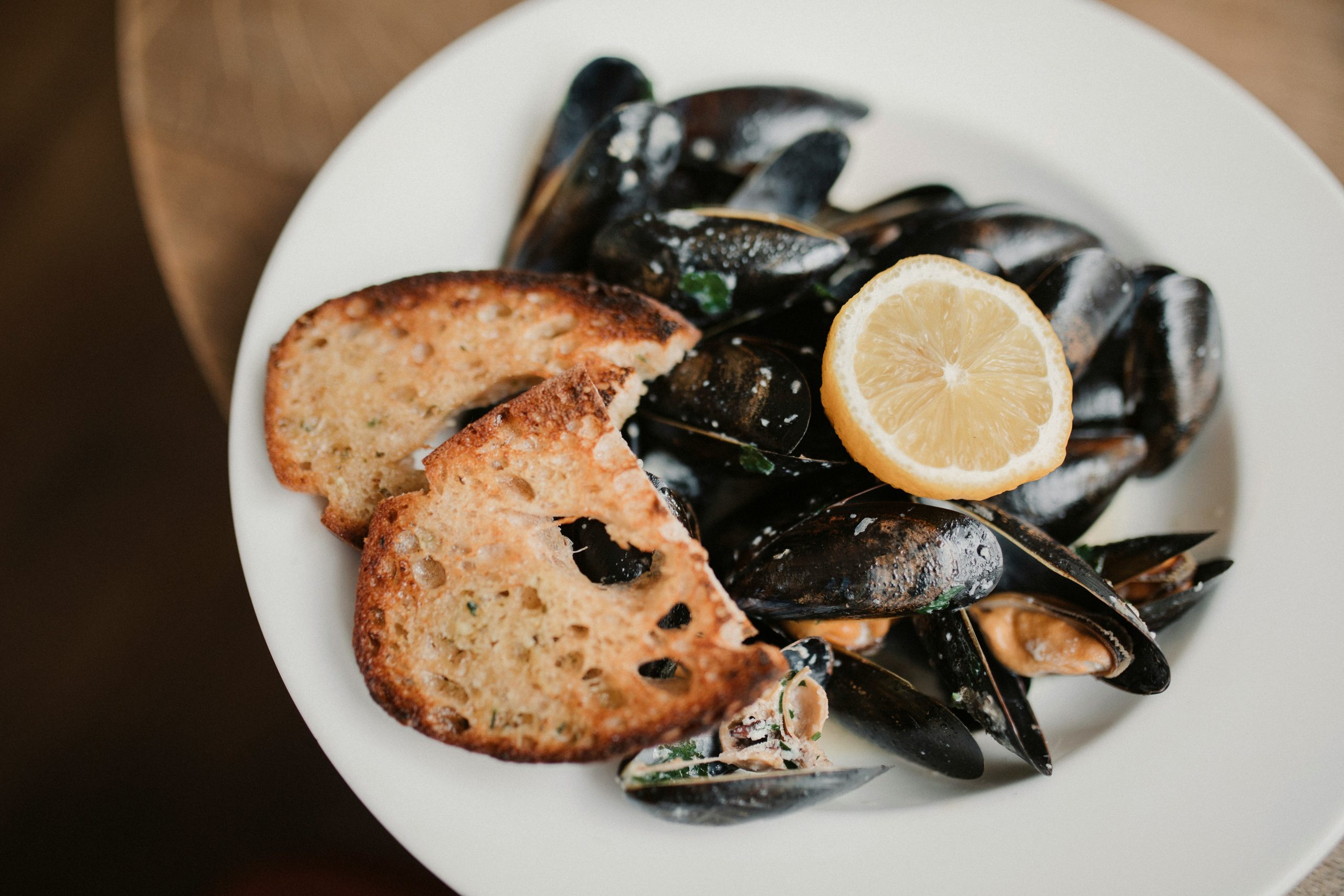
This recipe is intended for live, in-shell mussels bought from a reputable seafood seller. Shellfish handling is part of the method, not an optional extra. Once the mussels are cleaned and the broth is ready, cooking is quick, so have bowls, bread or rice, and a place for empty shells prepared before steaming.
Why This Coconut Curry Mussels Recipe Works
The recipe is built around contrast. Coconut milk brings a mellow, rounded richness, while red curry paste contributes chile heat, aromatics, and savory depth. Ginger and garlic make the broth fragrant without requiring a long simmer. Lime juice is added near the end because its fresh acidity lifts the coconut and keeps the sauce from tasting heavy. Basil contributes a sweet, peppery aroma that works especially well with the warm spices in curry paste.
Mussels also contribute flavor as they cook. Their natural juices mingle with the broth, adding a light ocean-briny quality. That is why the recipe uses unsalted broth and recommends tasting before adding salt. The exact amount of saltiness can vary depending on the mussels, the curry paste brand, and the broth you choose. A final taste is more reliable than seasoning heavily at the beginning.
How to get the best flavor from each ingredient
Slice the onion thinly so it softens quickly and blends into the sauce. Mince the garlic finely, but do not let it brown; browned garlic can make a delicate coconut broth taste bitter. Freshly grated ginger gives a brighter, warmer flavor than dried ginger. Cook the curry paste in the oil for a short time before adding liquids. This quick step helps release its aroma and distributes the seasoning through the broth.
Choose unsweetened canned coconut milk for a creamy result. Shake or stir the can before measuring because the thick cream can separate from the watery portion. If you prefer a lighter broth, use light canned coconut milk, but avoid replacing it with a thin carton coconut beverage. The latter is designed for drinking and generally lacks the body needed for this sauce. Unsalted vegetable broth lets you control seasoning; low-sodium chicken broth can work if it suits your menu.
Control the heat and finish with freshness
Red curry paste differs widely between brands. Two tablespoons create a noticeable curry flavor, but a particularly hot paste may need less. If you are cooking for guests with different spice preferences, begin with one tablespoon and serve extra chili or curry paste at the table rather than making the entire pot too hot. Add lime juice and basil after steaming. Long cooking dulls their fresh flavor, while adding them at the end gives the broth a lively finish.
Choose a side that makes use of the broth
Crusty bread is an easy choice because it can be dipped directly into the coconut curry sauce. Jasmine rice makes the meal more filling and absorbs the broth without competing with the mussels. For a lighter dinner, pair the pot with a crisp cucumber salad, steamed green beans, or simply dressed greens. Keep the sides straightforward: the mussels and aromatic broth should remain the focus. Warm the bread or rice before the mussels finish so everything can be served at once.
Adapt the recipe without losing its balance
You can use Thai basil for a more pronounced anise-like aroma or sweet basil for a softer herbal note. A little chopped cilantro can be added at the table if you enjoy it. For extra vegetables, briefly soften thinly sliced bell pepper with the onion, but avoid adding so many vegetables that the pot becomes crowded. If you want a richer finish, stir a spoonful of coconut cream into the broth after cooking. Make one adjustment at a time and taste as you go; the goal is a balanced sauce that lets the mussels remain the star.
Plan the cooking order so nothing gets overcooked
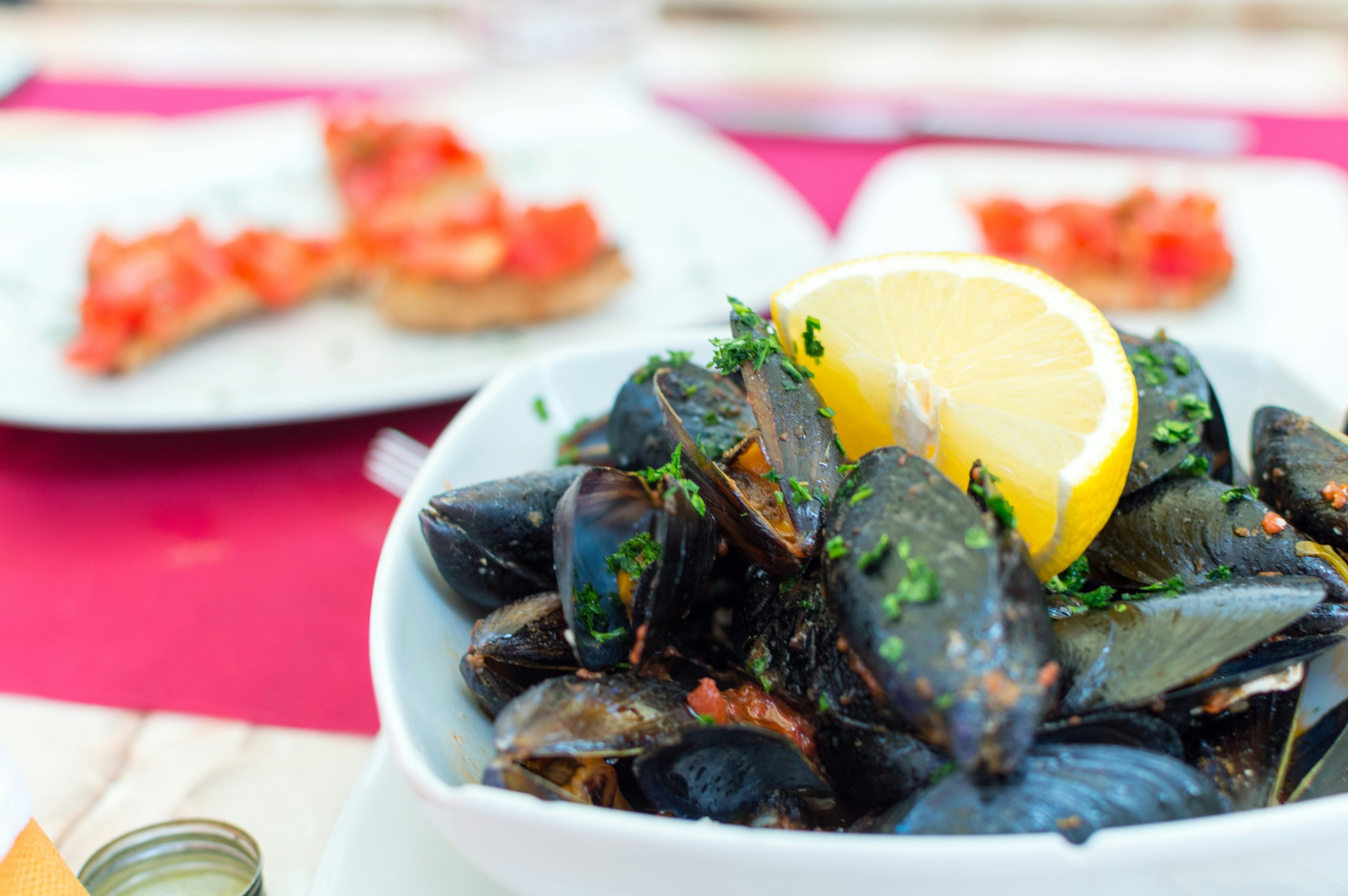
Think of this as a quick finishing dish rather than a stew that can sit on the stove. First clean and inspect the mussels, then measure the broth ingredients and prepare the garnishes. If you are serving rice, start it before you make the curry base; if you are serving bread, warm it while the broth comes to a simmer. Keep the serving bowls close to the stove so the mussels can be transferred as soon as they are ready. This order matters because mussel meat can become firm and chewy when it is held in hot liquid for too long.
When the shells begin opening, gently shake the covered pot once to help redistribute the mussels. Avoid repeatedly lifting the lid, since each opening releases steam and slows cooking. Check the pot near the end of the expected cooking time and remove opened mussels as appropriate if your batch opens unevenly. Discard any that stay closed after cooking. Spoon the coconut broth over the mussels at the table, then offer extra lime wedges and basil so everyone can adjust the fresh, citrusy finish to taste.
Buying and inspecting mussels
Choose mussels with intact shells and proper source labeling. The FDA seafood guidance explains that shellfish tags and labels identify products handled through shellfish safety controls. Buy from a reliable seller and keep the mussels cold on the way home.
Discard cracked or broken shells. An open live mussel should close when tapped; discard one that does not respond. Do this inspection before cooking rather than assuming the hot broth will make questionable shellfish acceptable. Follow the seller’s handling instructions and plan to cook the mussels promptly.
Scrub the shells under cold running water and pull away any fibrous beard near the hinge. Some farmed mussels arrive mostly cleaned, while others need more attention. Work efficiently and keep the cleaned mussels cold until they go into the pot. Do not leave them on the counter while preparing several other dishes.
Building coconut curry mussels with basil
Use a pot large enough for the shells to open without being packed tightly against the lid. A wide pot gives the mussels room and distributes steam more evenly. Four pounds of shell-on mussels is a reasonable main-meal quantity for four people, but shell weight means the edible portion is much smaller than four pounds.
Soften the onion before adding curry paste. Garlic and ginger need only a short cook to become fragrant, and curry paste benefits from a brief stir in oil. Watch closely so the paste does not scorch. A burnt paste creates bitterness that coconut milk cannot remove.
Stir the coconut milk thoroughly before measuring it into the pot, since the fat often separates in the can. Use unsweetened canned coconut milk rather than a sweet coconut beverage. Add unsalted broth so the mussels’ natural brine does not make the finished sauce excessively salty.
Steaming and checking the shells
Let the broth simmer for several minutes before adding mussels so the aromatics have time to combine. Taste it at this stage for heat, but hold back on salt. Curry paste varies widely in both spice level and sodium, so two tablespoons of one brand may be stronger than another.
Add the mussels, cover tightly, and let steam build. Shake the pot carefully once or twice to redistribute the shells, using oven mitts and keeping the lid secure. Avoid repeatedly opening the lid, which releases heat and slows the cooking.
Mussels open as they cook. Once the batch has opened, remove it from the heat and discard any shells that remain closed, following FDA guidance. Do not pry closed cooked mussels open and serve them. A few stubborn shells are not a reason to keep the entire batch boiling until the opened mussels become rubbery.
Finishing the broth and serving
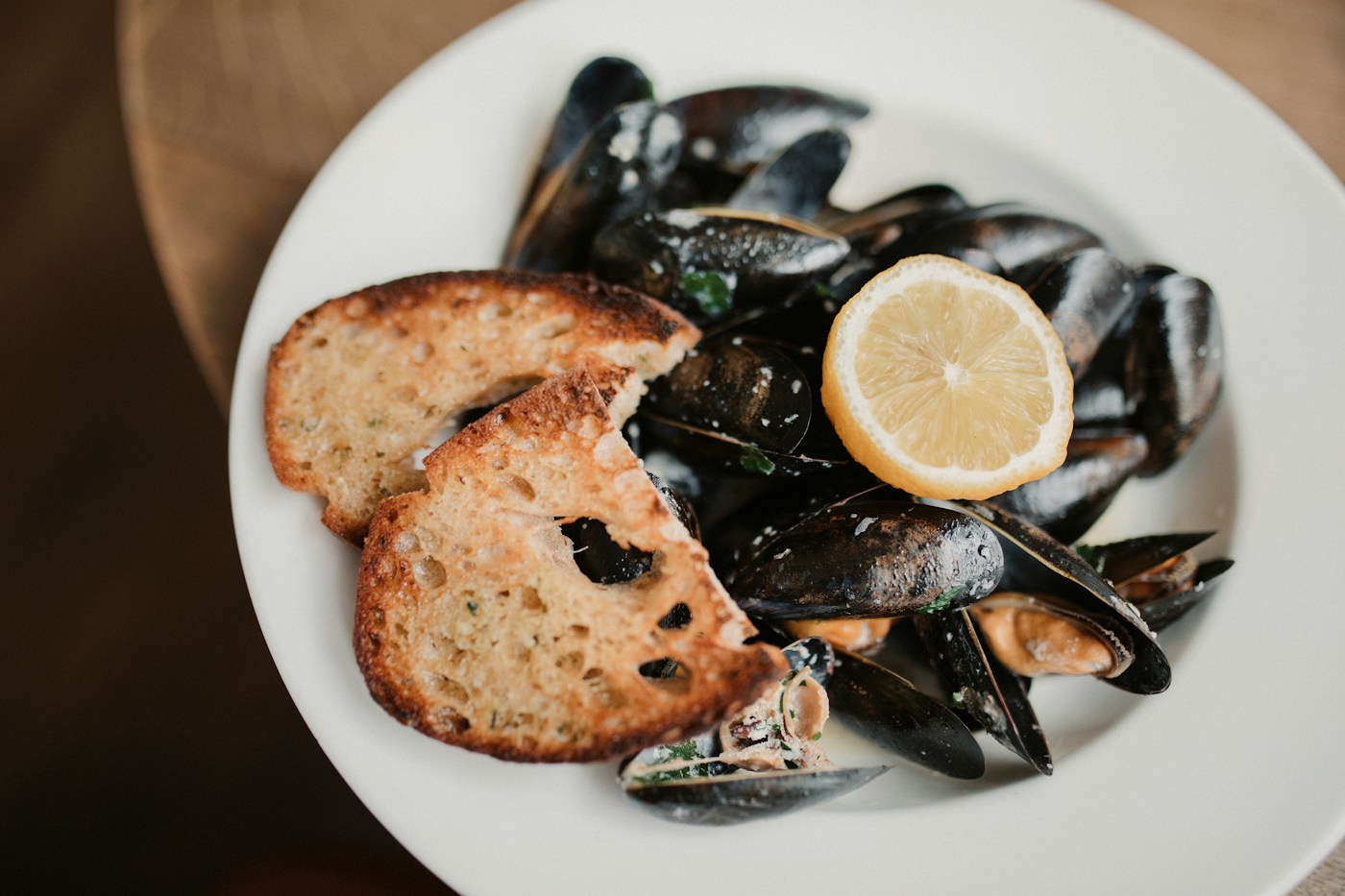
Add lime juice and basil after steaming so their fresh notes remain noticeable. Taste the broth now, after the mussels have released their liquid. You may need no added salt at all. If the broth is too concentrated, a small amount of hot water can loosen it without introducing more sodium.
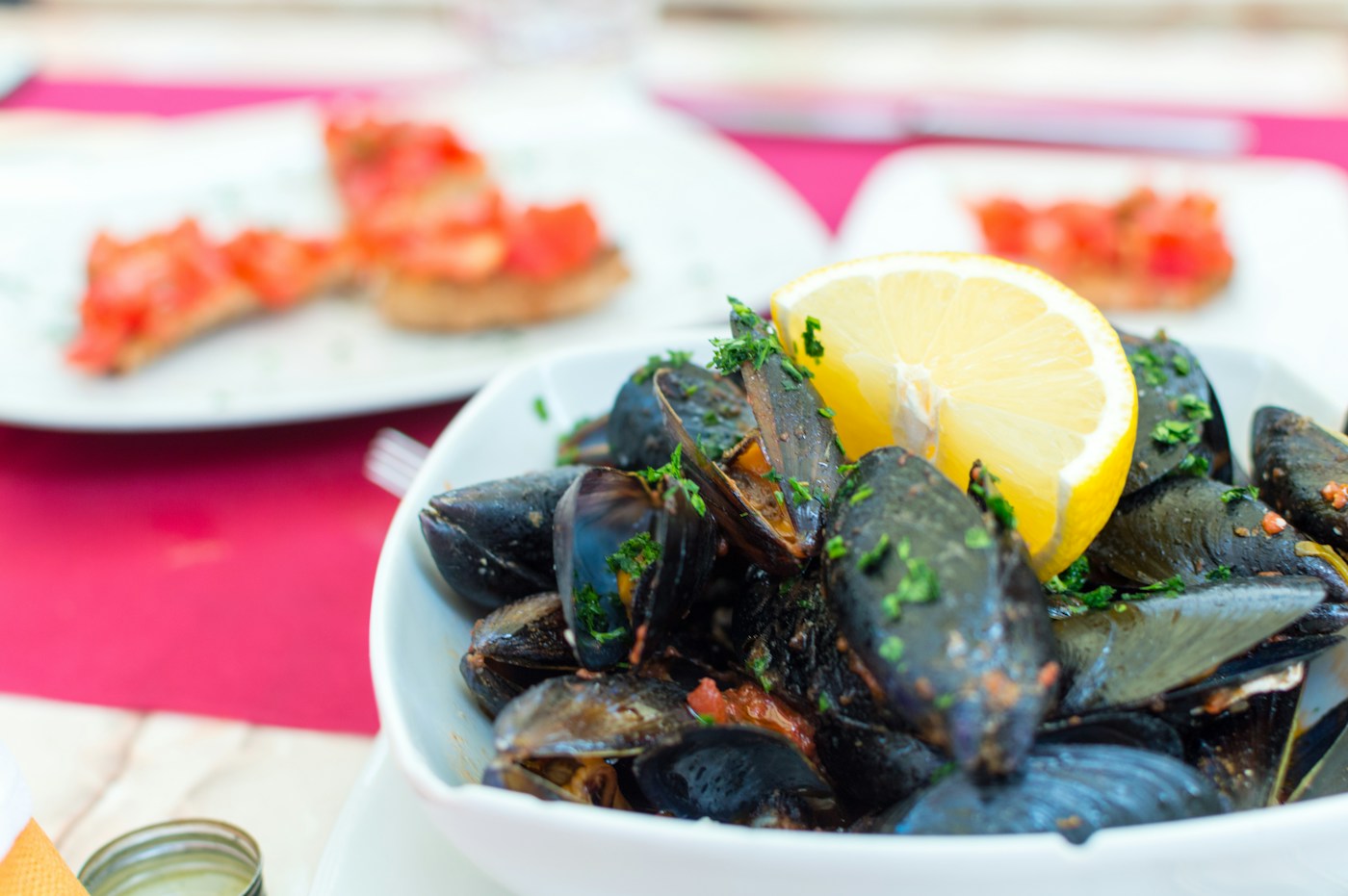
Serve in deep bowls with enough broth for dipping. Put an empty bowl on the table for shells and provide a spoon for the sauce. Crusty bread is convenient, while rice makes a different but equally practical base. Keep accompaniments ready so the mussels can be eaten promptly after cooking.
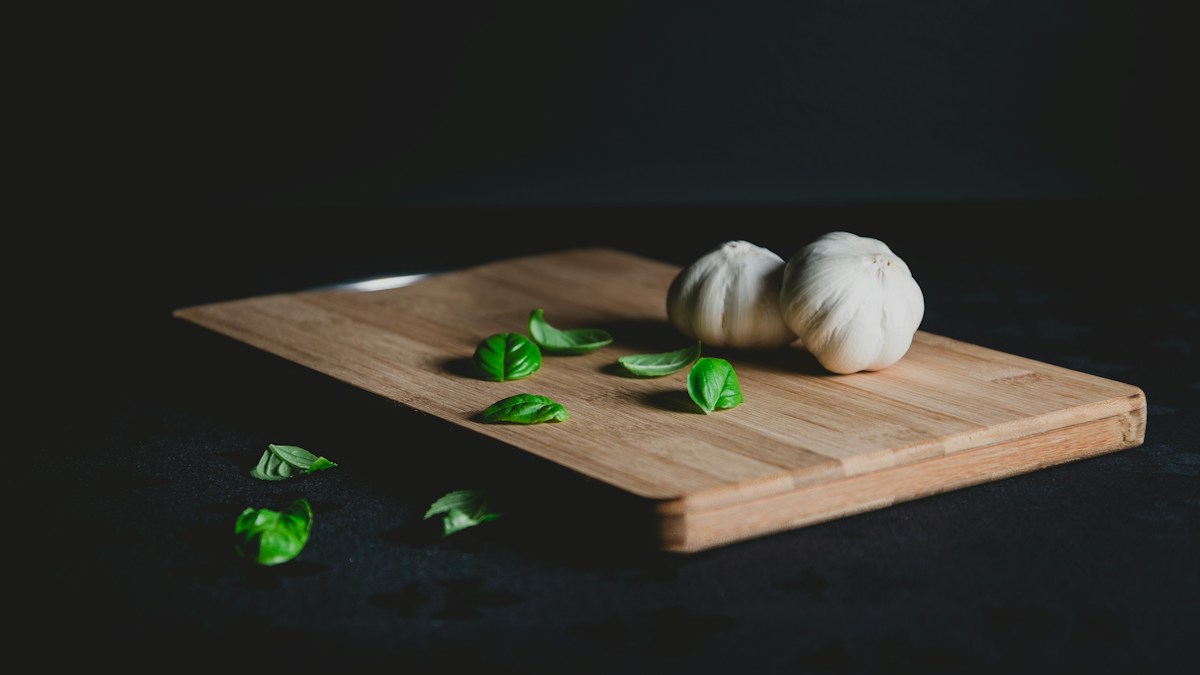
Thai basil gives a more anise-like note if available; ordinary sweet basil makes a milder version. Curry paste may contain shrimp or other allergens in addition to the mussels themselves, so read the label carefully. A vegetarian-labeled paste does not make a mussel dish suitable for someone avoiding shellfish.
Leftovers and planning the right quantity
Mussels are best freshly steamed, so cook an amount you expect to serve. If leftovers remain, remove the meat from the shells, pack it with broth in shallow containers, and refrigerate promptly. Keep at 40°F or below and refrigerate within two hours, or one hour above 90°F.
Use leftovers within three to four days and reheat to 165°F, bringing the broth thoroughly hot while stirring. The mussel texture becomes firmer after reheating, so a smaller next-day portion is often more enjoyable than a large batch held for several meals. Do not keep any mussels that were questionable before cooking.
Coconut curry mussels with basil depend on good shellfish and a broth that is ready before the shells enter. Careful inspection, a tight lid, and a final taste for salt keep the short cooking process controlled.
Expert Tips for Better Coconut Curry Mussels
Because mussels steam quickly, prepare the entire cooking station before heating the pot. Measure the coconut milk and broth, slice the onion, mince the garlic, grate the ginger, tear the basil, and cut the lime. Set out serving bowls, spoons, bread or cooked rice, and an empty bowl for shells. This keeps the finished mussels from sitting while you look for serving dishes.
Choose a pot that gives the shells room
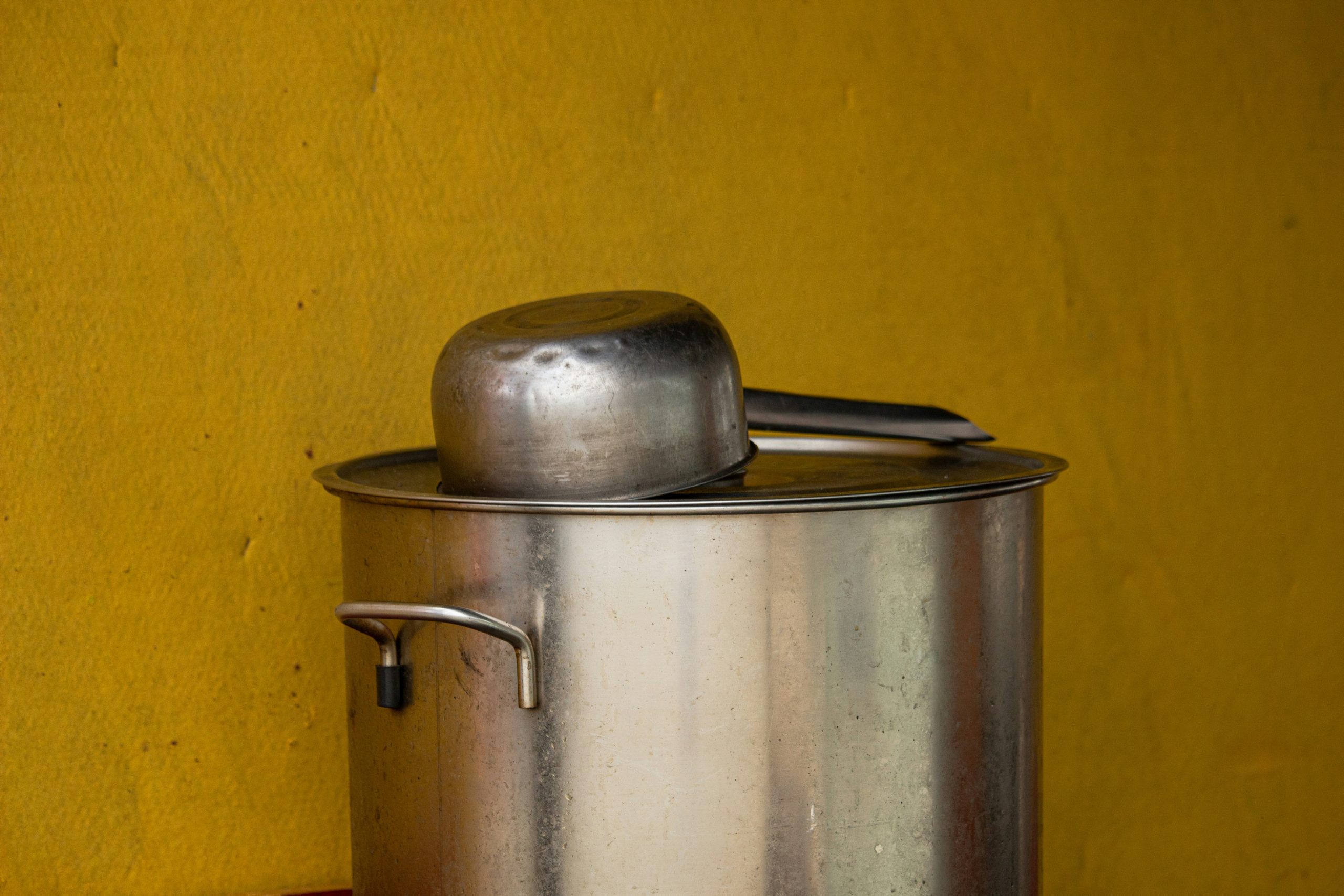
A wide, heavy pot with a tight-fitting lid works better than a narrow saucepan. The mussels need space to shift as they open, and a broad base helps the broth heat evenly. If four pounds will crowd your pot, steam the mussels in two batches rather than piling them high. Overcrowding can slow steaming and make it harder to tell whether every shell has opened. A roomy stainless-steel stockpot is a practical option: shop stockpots on Amazon.
Adjust curry paste gradually
Red curry paste varies by brand. Some versions are salty and moderately spicy, while others are much hotter and more concentrated. Start with one tablespoon if you are unsure, simmer it with the coconut milk and broth, and taste before adding the mussels. Add more in small amounts. The broth should be aromatic and balanced rather than so salty that the mussels’ natural brine makes it overwhelming. If the finished broth is too spicy, stir in a little more coconut milk and serve it with plain rice.
Use canned coconut milk, not a carton drink
Unsweetened canned coconut milk gives this sauce its creamy body. Carton coconut beverage is much thinner and may contain added sweeteners, so it will not create the same broth. Full-fat coconut milk makes a richer sauce; light coconut milk makes it less creamy. Stir the can before measuring because the thick coconut cream can separate from the liquid. Keep the pot at a gentle simmer instead of boiling the coconut milk aggressively.
How to check mussels before and after cooking
Buy live mussels from a reputable seafood seller and keep them cold. Before cooking, discard cracked or broken shells. Tap any mussel that is open; a live mussel should close when tapped. Scrub the shells under cold running water and remove visible beards. After steaming, discard mussels that remain closed. Do not pry them open to serve. Keep raw shellfish, its juices, and its utensils away from ready-to-eat foods, and wash hands and work surfaces thoroughly after handling. The FDA seafood safety guide explains shellfish selection, refrigeration, and cooking checks.
Simple fixes for the broth
- Too salty: Add a splash of hot water or unsalted broth, then taste again.
- Too spicy: Stir in a little more coconut milk and serve with plain rice or bread.
- Too thin: Lift out the cooked mussels and simmer the broth briefly to reduce it. Return the mussels only long enough to warm them.
- Too rich: Add lime juice a teaspoon at a time. Its acidity balances the coconut without watering down the sauce.
Prepare the broth ahead, not the mussels
You can cook the onion, garlic, ginger, curry paste, coconut milk, and broth ahead of time. Cool the broth promptly, cover it, and refrigerate it. When dinner is ready, bring the broth back to a simmer, add freshly inspected mussels, cover, and steam. Avoid cooking the mussels hours in advance because their texture is best right after steaming. For serving, crusty bread is ideal for dipping, while jasmine rice turns the broth into a more substantial meal. A simple green vegetable or crisp salad makes a fresh contrast to the creamy sauce.
Storing and reheating leftovers safely
Keep live mussels cold before cooking and prepare them promptly. The FDA recommends keeping seafood at 40°F or below and using fresh seafood within two days of purchase. If cooked mussels remain, remove the meat from the shells, place it with some broth in a shallow covered container, and refrigerate promptly. USDA guidance says cooked seafood can be refrigerated for three to four days. Reheat leftovers thoroughly to 165°F and avoid repeated reheating, which can make the mussel meat tough. Perishable seafood should not sit at room temperature for more than two hours, or more than one hour when the temperature is above 90°F. See the USDA seafood handling guidance.
Disclosure: Family Recipe HQ may earn a commission from qualifying purchases made through the Amazon links in this article, at no extra cost to you.
Helpful tools for this recipe
A wide pot with a lid is the key piece of equipment. Long-handled tongs make it easier to move hot shells, and a stiff brush helps remove grit from the shells before cooking. These are optional shopping links: long-handled kitchen tongs and a stiff cleaning brush.
Frequently Asked Questions
Can I use frozen mussels?
Follow the package instructions because frozen products may be raw, cooked, in-shell, or shelled. They are not all equivalent to live mussels in this method. Prepare the broth as described, then use the product-specific cooking guidance.
What if the curry paste is very hot?
Start with one tablespoon or less and taste the broth before adding mussels. You can add more paste after briefly cooking it separately, but removing heat from a finished pot is difficult. Extra coconut milk also changes the sauce volume and balance.
Do all mussels need to be debearded?
Some arrive already cleaned. Inspect each shell and remove any visible fibrous beard. Work gently and promptly, keeping the mussels cold until cooking rather than leaving them out during a long preparation session.
Can I make the broth ahead?
Yes. Cook the broth, cool it promptly, and refrigerate it separately. Bring it back to a simmer before adding freshly inspected mussels. Do not steam the mussels far in advance if you want their best texture.
More ideas for the table
Our rice guide helps you choose a mild grain to serve with the coconut broth. Lemon roasted asparagus offers a simple vegetable side if you want one.
Coconut Curry Mussels with Basil – Printable Recipe
Fresh mussels steam in a coconut broth flavored with red curry paste, ginger, garlic, and basil. Serve the fragrant broth with bread or rice.
Yield: 4 servings. Prep: 20 minutes. Cook: 20 minutes. Total: 40 minutes.
Equipment
Large wide pot with a tight-fitting lid, colander, stiff brush, and tongs. A roomy pot helps the mussels steam evenly without crowding.
Helpful tools: stockpot · kitchen tongs · cleaning brush
Ingredients
- 4 lb live mussels; scrubbed and debearded
- 1 tbsp neutral oil
- 1 small yellow onion; finely sliced
- 2 cloves garlic; minced
- 1 tbsp finely grated fresh ginger
- 2 tbsp red curry paste; start with less if very hot
- 1 can unsweetened coconut milk; 13.5–14 ounces, stirred
- 1 cup unsalted vegetable broth
- 1 tbsp lime juice
- 0.25 cup fresh basil leaves; torn
- 1 lime; cut into wedges
- 4 slices crusty bread; or cooked rice, for serving
Instructions
- Inspect mussels and discard cracked or broken shells and any open mussels that do not close when tapped. Scrub under cold running water and remove beards. Keep cold until cooking.
- Heat oil in a large wide pot over medium heat. Cook onion 4–5 minutes until softened. Add garlic, ginger, and curry paste; stir 1 minute.
- Add coconut milk and broth. Bring to a gentle simmer and cook 5 minutes. Taste the broth before adding mussels and adjust curry paste cautiously if needed.
- Add mussels, cover tightly, and steam 5–8 minutes, shaking the pot carefully once or twice, until shells open. Discard any mussels that remain closed after cooking.
- Stir in lime juice and basil. Taste the broth before adding any salt, since mussels release briny liquid. Serve immediately with bread or rice and an empty bowl for shells.
Recipe Notes
Buy shellfish from a reputable source with required labeling. Do not use mussels with cracked shells or those that fail the tap test. FDA guidance says to discard mussels that do not open during cooking.
Conclusion: Make This Coconut Curry Mussels Recipe for a Special Dinner
This coconut curry mussels recipe brings together sweet coconut milk, aromatic curry paste, ginger, garlic, fresh basil, and a bright squeeze of lime in one pot. The keys to a successful batch are choosing fresh live mussels, cleaning and inspecting them carefully, keeping the broth at a gentle simmer, and serving as soon as the shells have opened. Prepare your sides before cooking, taste the broth before adding salt, and keep plenty of bread or rice nearby for soaking up the sauce. With those simple steps, you can serve a fragrant seafood dinner that feels special without requiring complicated preparation.
Food safety references
Cooking temperatures follow FoodSafety.gov guidance. For storage and reheating, see the USDA guidance on handling leftovers and safe reheating methods.