Cinnamon & applesauce · development recipe
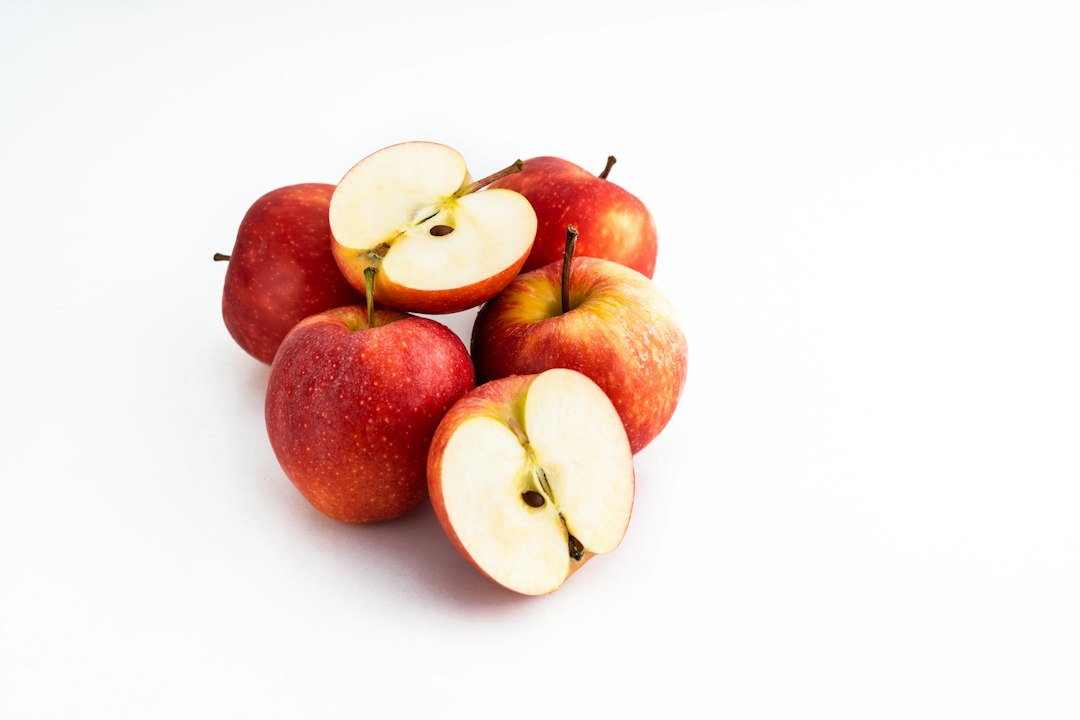
These eggless applesauce muffins without yogurt combine applesauce, cinnamon, and vanilla with oil and unsweetened soy milk. The formula is written for a standard 12-cup muffin pan.
Recipe development note: This formula has not been kitchen-tested. The 12-muffin yield and 18–23-minute bake are estimates; rise and cooled crumb still need confirmation. Keep the measured ingredients consistent when assessing a first batch.
At a glance
Estimated yield: 12 standard muffins
Estimated preparation: 15 minutes
Estimated baking: 18–23 minutes
Cooling: at least 20 minutes before assessing the crumb
Oven: 375°F (190°C), conventional oven
Eggless Applesauce Muffins Without Yogurt
Ingredients
- 240 grams all-purpose flour (2 cups, spooned and leveled)
- 100 grams granulated sugar (½ cup)
- 2 teaspoons baking powder
- ½ teaspoon baking soda
- 1½ teaspoons ground cinnamon
- ½ teaspoon fine salt
- 240 grams smooth unsweetened applesauce (1 cup)
- 120 milliliters unsweetened soy milk (½ cup)
- 80 milliliters neutral oil (⅓ cup)
- 1 tablespoon apple cider vinegar
- 2 teaspoons vanilla extract
Method
- Heat the oven to 375°F. Place a rack in the center. Line a standard 12-cup muffin pan with paper liners, or grease the cups thoroughly. Prepare the pan before mixing so the batter can go into the oven promptly.
- In a large bowl, whisk together the flour, sugar, baking powder, baking soda, cinnamon, and salt. Break up any visible lumps of leavener.
- In a second bowl, whisk the applesauce, soy milk, oil, vinegar, and vanilla until evenly combined. Scrape the bowl if applesauce settles on the bottom.
- Pour the wet mixture into the dry ingredients. Fold with a spatula, scraping the bottom and sides, just until no dry flour remains. Small lumps are fine; avoid beating the batter smooth.
- For the first test, portion the batter into the 12 cups, filling each no more than about three-quarters full. A scoop makes portioning easier. If batter remains because your pan has smaller cavities, bake it in an additional prepared muffin cup rather than overfilling the pan. Record the actual number of muffins and batter level; the proposed 12-muffin yield needs confirmation.
- Bake for an estimated 18–23 minutes, checking at 18 minutes. Look for set tops and a toothpick inserted into the center of a muffin coming out without wet batter. A few moist crumbs are acceptable. If necessary, continue in short intervals and check again.
- Let the muffins stand in the pan for about 5 minutes, then carefully transfer them to a rack. Cool before splitting one open. Record the actual baking time and assess the center after cooling, rather than judging it while steaming hot.
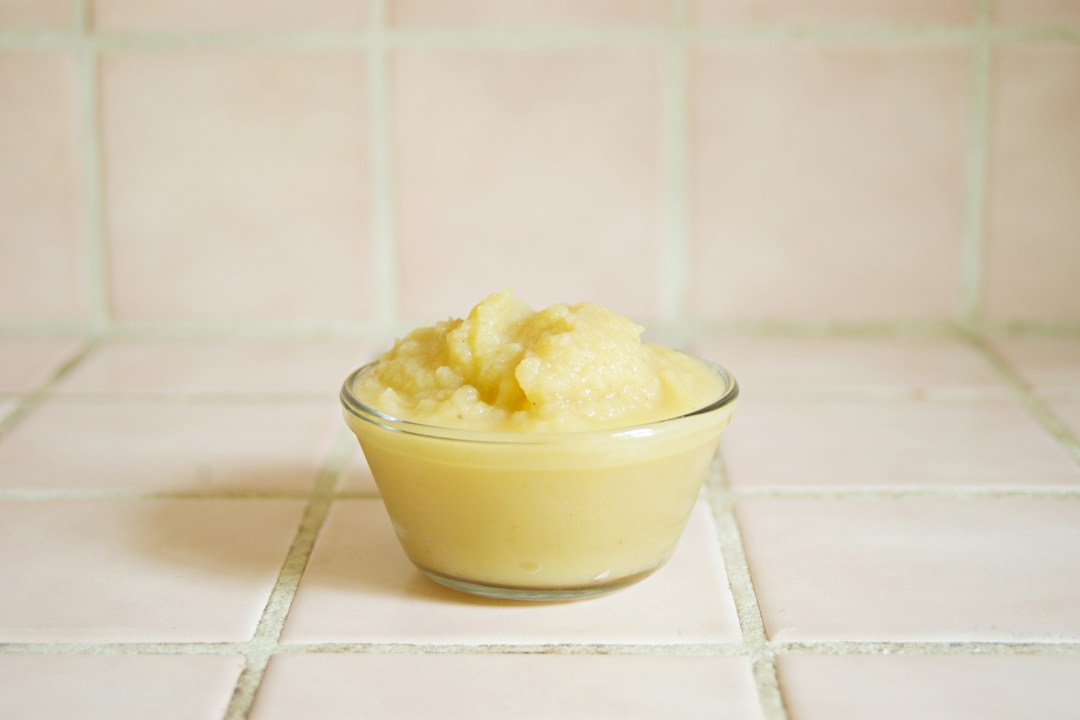
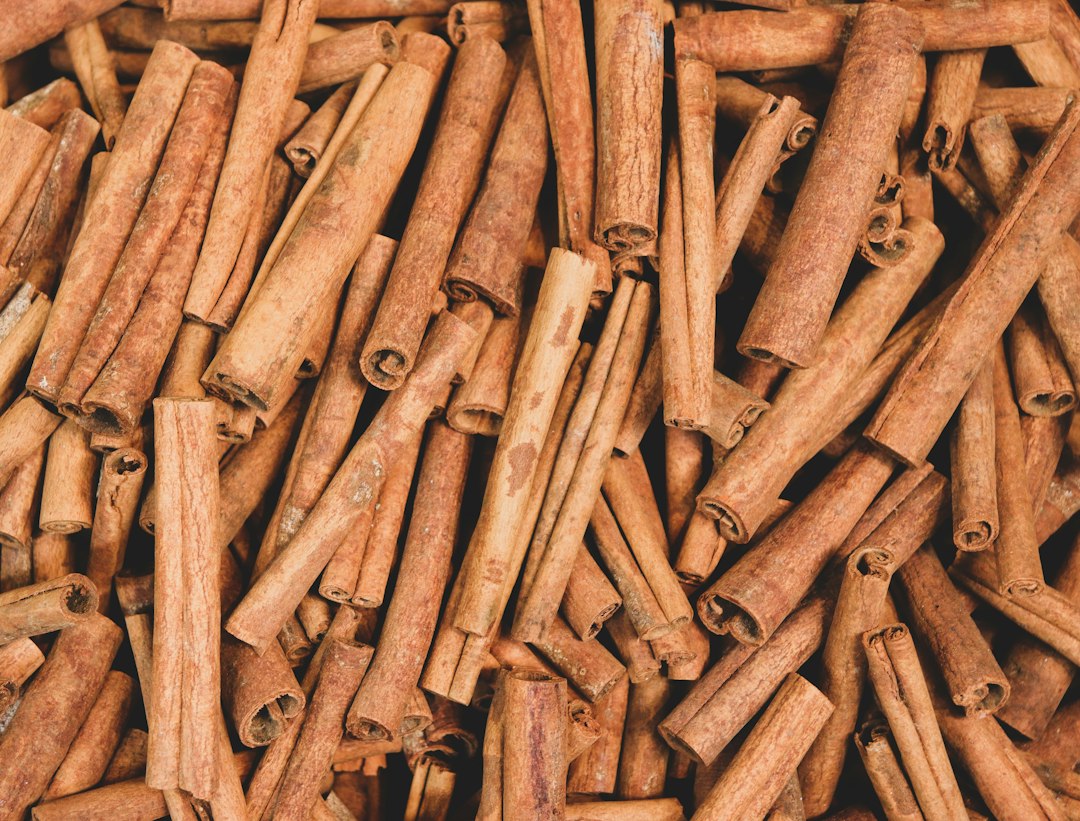
Portion gently and check the center
Make one gentle pass across the mixing bowl’s bottom to check for dry flour. Use the same scoop for each muffin well, then distribute remaining batter in a second pass, stopping at about three-quarters full. Bake surplus in an extra prepared cup rather than forcing it into small wells.
Record the pan, actual yield, baking time, and cooled texture before changing the formula. Check a center muffin as well as one near the edge. Keep mix-ins out of the first batch so you can judge the plain batter.
Do not taste the raw batter: egg-free batter still contains raw flour. Follow FDA flour safety guidance, and wash flour-covered tools and surfaces after mixing.
What takes the place of eggs and yogurt?
Egg-free baking involves more than replacing one ingredient. As King Arthur Baking explains in its egg-free baking guide, eggs contribute several functions, including structure and binding, and substitutes cannot reproduce all of them exactly. Its successful substitutions in other recipes do not validate this particular formula.
Here, flour supplies the main structure, applesauce contributes moisture, and oil helps tenderize the crumb. Baking powder provides lift; baking soda reacts with acidic ingredients, including cider vinegar. Soy milk supplies additional liquid, while sugar contributes sweetness and affects tenderness. Yogurt is unnecessary because this formula includes its liquid and acidic ingredients separately.
Choose ingredients carefully
Use smooth, unsweetened applesauce. A chunky sauce introduces wet pockets and makes the finished texture harder to judge. Sweetened applesauce changes the sweetness, and homemade sauce can vary substantially in thickness. For the first development bake, keep the ingredient choices consistent so you can identify what needs adjusting.
Weigh the flour if possible. The listed 240 grams is the intended amount; scooping flour directly with a measuring cup can pack in too much. Without a scale, fluff the flour, spoon it into the cup, and level the top. Use fresh baking powder and baking soda, and choose a mild oil such as canola rather than a strongly flavored oil.
The specified unsweetened soy milk is part of the development formula. Other plant milks may change the result, so they should be tested separately. For anyone avoiding eggs or dairy because of an allergy, check every packaged ingredient and consider equipment cross-contact. This recipe still contains wheat and soy.
Why the crumb can turn gummy
A damp, dense center can come from excess moisture, insufficient baking, or a flour measurement that is out of balance with the liquids. Start by checking the center muffin rather than one beside the pan’s edge. If the top looks finished but the toothpick carries wet batter, the center needs more time.
Measure the applesauce instead of adding an extra spoonful to finish the container. Keep the oil and milk amounts unchanged on the first bake. Mixing aggressively can also make muffins tougher, so fold only until the dry streaks disappear. Let them cool fully before deciding whether the crumb is genuinely gummy: hot muffins release steam and can feel wetter than cooled ones.
If the cooled muffins still feel gummy, write down the applesauce brand, flour weight, oven setting, and actual baking time before making another batch. Adjust one thing at a time. Otherwise, you may get a different result without knowing which change helped.
If the muffins are dry or tough
First confirm that the flour was weighed at 240 grams and that the batter was folded only until the dry streaks disappeared. A packed measuring cup or extended mixing can produce a firmer crumb. Also record whether the muffins baked beyond the first clean-toothpick stage. Do not add extra applesauce, milk, and oil at the same time; make one measured change in a later test so the result can be interpreted.
If the tops stay flat or the liners overflow
Record how full each cup was and whether all 12 portions were equal. Flat tops can reflect weak leavener, delayed baking, or a batter that is too wet; overflow can reflect small pan wells or uneven portioning. Photograph the filled pan before baking and the cooled batch afterward. Those two images provide more useful development evidence than describing the muffins from memory.
Storage and freezing
Cool completely before covering; trapped steam can make the surfaces sticky. As a conservative starting point, keep plain muffins in an airtight container at a cool room temperature for up to two days, or freeze them promptly for up to one month for best quality. This follows the general storage approach given in King Arthur Baking’s blueberry muffin recipe; the shelf life of this specific formula has not been tested.
Wrap cooled muffins individually or arrange them in a freezer-safe container with the air excluded as much as practical. Label with the date. Thaw only what you need, and discard muffins showing mold or spoilage. Freezing a fresh batch is more useful than waiting until it is already stale.
Questions about ingredient swaps
Can I leave out the vinegar?
Keep it in the development formula. It supplies acid alongside the applesauce and is relevant to the baking soda. Omitting it changes the balance and requires another test bake.
Can I replace the flour with almond flour?
Not as a direct swap. Almond flour does not build the same structure as wheat flour. An egg-free almond-flour muffin needs its own formula rather than a simple substitution here.
Can I add chopped apples or chocolate chips?
Establish the plain version first. Fresh apples add moisture, and any substantial mix-in changes how the batter fills the pan. Record additions and check doneness individually when developing a variation.
What else can I make for breakfast?
Explore our small-batch apple cinnamon French toast casserole or small-batch cranberry orange muffins with Greek yogurt for related breakfast ideas. These links are not egg-free alternatives; check their ingredients before choosing a recipe for dietary needs.