SMALL-BATCH SOUP
Small-batch mushroom barley soup without wine is a practical one-pot dinner for four, built from browned mushrooms, pearl barley, carrots, celery, and vegetable broth. The mushrooms supply savory depth, while tomato paste, soy sauce, thyme, and a final squeeze of lemon replace the layers that wine often brings to mushroom soup. The result is brothy when first cooked and gently thickened after a short rest.
This recipe uses 1/2 cup pearl barley and makes about 7 cups—enough for four main-dish bowls without leaving a stockpot of leftovers. Because barley brands and pots vary, the doneness cues matter more than one exact minute: the grains should be tender and pleasantly chewy, with no hard center, and the broth should still move easily around the vegetables.
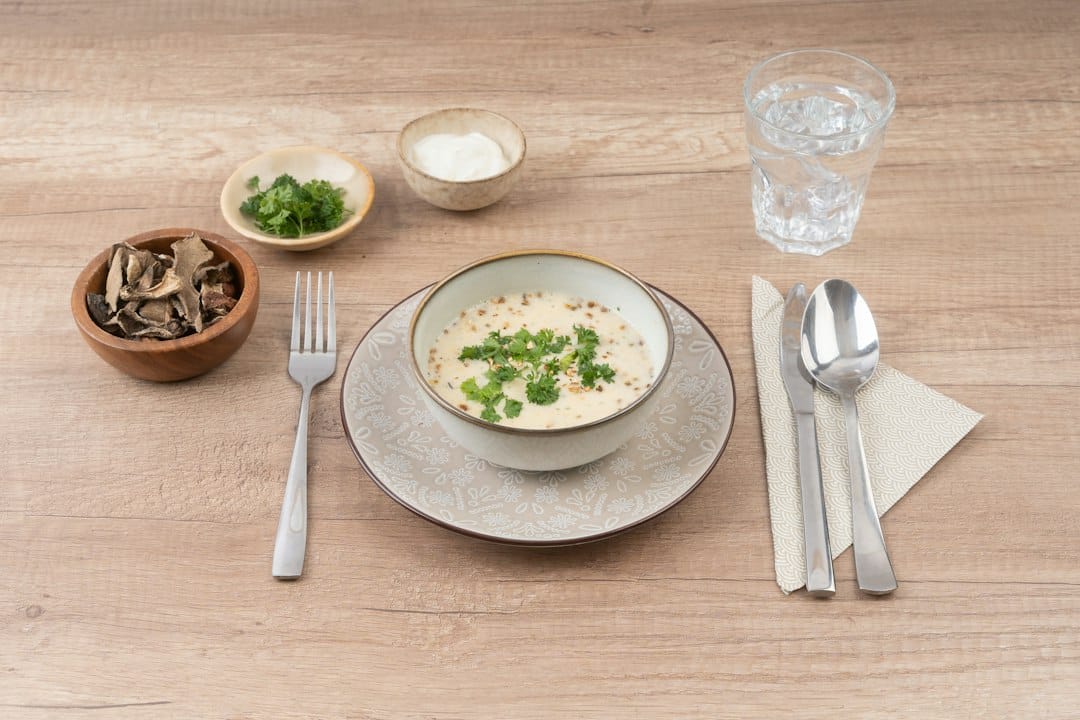
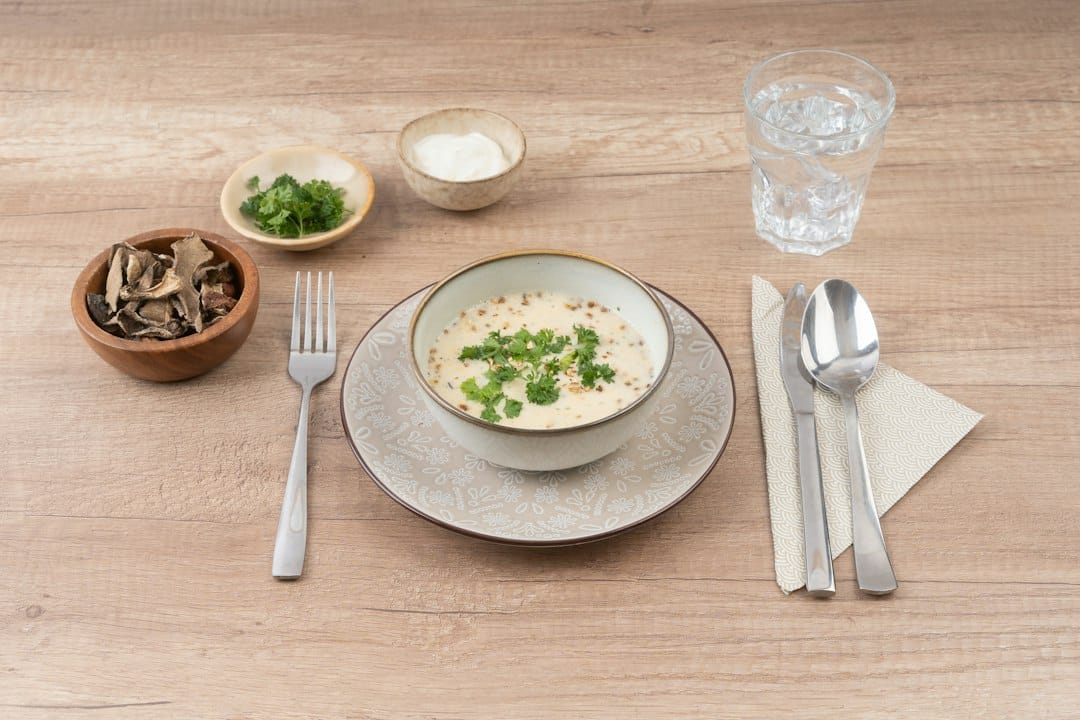
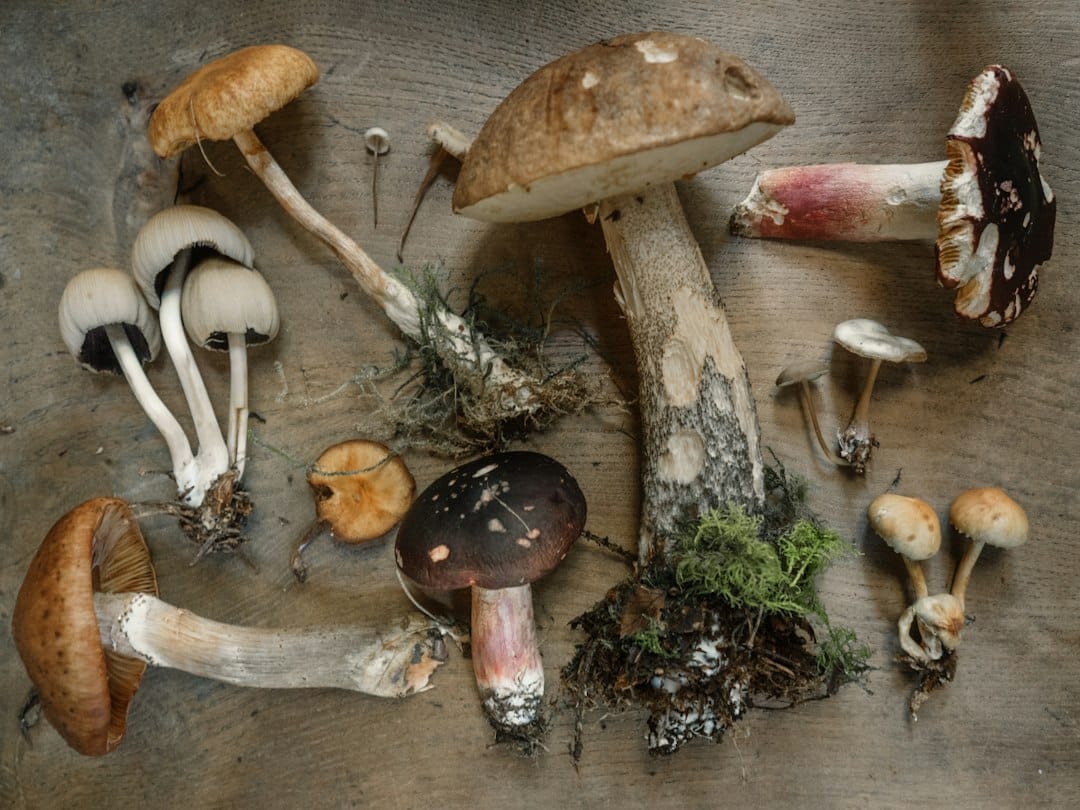
The featured photo is a different mushroom soup, used as serving inspiration; the recipe below includes pearl barley.
Recipe at a Glance
- Yield: 4 main-dish servings, about 7 cups total
- Prep time: 15 minutes
- Cook time: 55 to 65 minutes
- Total time: 1 hour 10 minutes to 1 hour 20 minutes
- Pot: 4- to 5-quart heavy-bottomed pot or Dutch oven
- Primary doneness cue: Pearl barley is tender and chewy with no hard center
- Diet note: Vegetarian when made with vegetarian broth. Barley contains gluten; standard soy sauce commonly contains both wheat and soy. Check the product labels.
Ingredients
- 2 tablespoons olive oil, divided
- 12 ounces (340 grams) cremini or white button mushrooms, wiped clean, trimmed, and sliced about 1/4 inch thick
- 1 medium yellow onion, diced, about 1 cup
- 2 medium carrots, peeled or scrubbed and diced, about 1 cup
- 2 celery ribs, diced, about 3/4 cup
- 3 garlic cloves, minced
- 2 tablespoons tomato paste
- 1 teaspoon dried thyme
- 1/4 teaspoon freshly ground black pepper, plus more to taste
- 1/2 cup (about 100 grams) pearl barley, rinsed and drained
- 5 cups low-sodium vegetable broth
- 1 tablespoon low-sodium soy sauce
- 1 bay leaf
- 1/2 teaspoon fine salt, plus more only after tasting
- Up to 1 cup hot water or additional broth, as needed
- 2 teaspoons fresh lemon juice, plus more to taste
- 2 tablespoons chopped fresh parsley or dill
Optional toppings
- A spoonful of plain yogurt or sour cream
- Extra sautéed mushrooms
- Chopped parsley or dill
- Freshly ground black pepper
- Crusty bread
Equipment
- 4- to 5-quart heavy-bottomed pot or Dutch oven with a lid
- Cutting board and chef’s knife
- Measuring cups and spoons
- Wooden spoon or heat-safe spatula
- Fine-mesh strainer for rinsing the barley
- Ladle
- Shallow containers for cooling leftovers
How to Make Small-Batch Mushroom Barley Soup Without Wine
The key to small-batch mushroom barley soup without wine is building flavor before the broth goes into the pot. Give the mushrooms room, cook the tomato paste until it darkens slightly, and finish with lemon only after the barley is tender.
Prepare the ingredients. Slice the mushrooms about 1/4 inch thick so they brown without disappearing into the broth. Dice the onion, carrots, and celery into pieces close to 1/4 inch so they soften at a similar rate. Rinse the pearl barley under cool running water and let it drain.
Brown the first batch of mushrooms. Heat 1 tablespoon olive oil in a 4- to 5-quart heavy pot over medium-high heat. Add half the mushrooms in an even layer. Let them cook without stirring for 2 minutes, then stir occasionally until their released moisture evaporates and the edges begin to brown, about 5 to 7 minutes total. Transfer them to a plate.
Brown the second batch. Add the remaining tablespoon olive oil and the rest of the mushrooms. Cook the same way for 5 to 7 minutes. If the pot has dark brown—not black—bits on the bottom, leave them in place; they will dissolve into the broth. Return the first batch of mushrooms to the pot.
Soften the vegetables. Reduce the heat to medium. Add the onion, carrots, and celery. Cook for 6 to 8 minutes, stirring and scraping the bottom, until the onion is translucent and the vegetables begin to soften. If the pot is dry enough that the browned bits threaten to burn, add 1 tablespoon broth rather than another large pour of oil.
Cook the aromatics and tomato paste. Stir in the garlic, tomato paste, thyme, and black pepper. Cook for about 1 minute, stirring constantly, until the tomato paste darkens slightly and the garlic smells fragrant. Do not let the garlic scorch.
Add the barley and broth. Stir in the rinsed barley, 5 cups vegetable broth, soy sauce, bay leaf, and 1/2 teaspoon salt. Scrape the bottom of the pot to release the browned flavor. Increase the heat and bring the soup to a boil.
Simmer until the barley is tender. Reduce the heat to maintain a gentle simmer. Partially cover the pot, leaving a small gap for steam, and cook for 35 to 45 minutes. Stir every 8 to 10 minutes, checking the bottom because barley can settle. Begin tasting at 35 minutes. The grains should be plump and chewy but should not have a hard, chalky center.
Adjust the consistency. Barley continues absorbing liquid as it cooks. If the grains are still firm and the soup looks too thick, add hot water or broth 1/4 cup at a time and continue simmering. Use up to 1 cup additional liquid. If the barley is tender but the soup is thinner than desired, simmer uncovered for 3 to 5 minutes.
Finish the soup. Remove the bay leaf. Stir in 2 teaspoons lemon juice and the chopped parsley or dill. Taste before adding more salt; broth and soy sauce vary widely. Add more lemon, pepper, or salt in small amounts until the broth tastes rounded rather than sharp.
Rest and serve. Turn off the heat and let the soup stand for 5 minutes. Ladle into four bowls. Add yogurt, herbs, extra pepper, or bread if desired. The soup will thicken as it cools, so keep hot water or broth available for second servings.
Choosing the Right Barley
Use pearl barley for this timing
Pearl barley has had the tough outer hull and some bran removed, so it cooks more quickly than hulled barley and releases enough starch to give soup body. The expected simmer is 35 to 45 minutes, but the package and tenderness test should guide the final decision.
Do not substitute quick-cooking barley without changing the method. Quick barley may soften in about 10 minutes and could become mushy during the longer vegetable simmer. Hulled barley is more intact and can take substantially longer, so the vegetables may overcook before the grain becomes tender. A hulled-barley variation requires its own liquid and timing test.
Barley contains gluten. Replacing it with rice does not make this exact recipe reliably gluten-free because the cooking rate and liquid absorption change, and standard soy sauce also contains wheat. A gluten-free version should be developed and validated separately with a suitable grain and certified gluten-free seasonings.
Building Flavor Without Wine
Wine adds acidity and aromatic depth, but it is not essential. This recipe uses several smaller layers instead:
- Browned mushrooms provide concentrated savory flavor.
- Cooked tomato paste adds sweetness, color, and gentle acidity.
- Soy sauce reinforces umami without making the soup taste distinctly Asian when limited to 1 tablespoon.
- Thyme and bay give the broth a familiar soup aroma.
- Fresh lemon juice restores brightness at the end, when its flavor remains clear.
Do not add all the lemon at the beginning. A long simmer dulls its fresh aroma and makes it harder to judge the final balance. Two teaspoons at the end should brighten seven cups of soup without making it lemon soup.
The soup is dairy-free as written. If you prefer a creamy finish, add yogurt to individual bowls after serving.
Troubleshooting
| What you notice | What to do |
|---|---|
| The barley is hard but the soup is thick | Add 1/4 cup hot water or broth, stir, partially cover, and simmer for another 5 minutes. Repeat only as needed. A wide pot, strong simmer, or older barley can use more liquid than expected. Keep the heat gentle so the bottom does not scorch while the grain finishes. |
| The soup is too thin | Confirm that the barley is fully tender before reducing the liquid. Once it is cooked, simmer uncovered for 3 to 5 minutes, then rest the soup. Barley starch thickens the broth further as it stands. Do not add flour; it can mask the mushroom flavor and produce a pasty texture. |
| The soup became too thick after resting | This is normal. Stir in hot water or broth, 1/4 cup at a time, until the soup loosens. Taste again after thinning because extra liquid may require a pinch of salt or another small squeeze of lemon. |
| The mushrooms steamed instead of browning | The pan may have been crowded or not hot enough. Continue cooking until the released liquid evaporates, then let the pieces contact the surface briefly. On the next batch, use a wider pot or divide the mushrooms into three smaller batches. Steamed mushrooms are still usable; the broth will simply have less roasted depth. |
| The bottom is catching | Lower the heat and stir along the bottom with a flat-edged spoon. Add a few tablespoons hot liquid if necessary. Do not scrape blackened residue into the soup. Transfer the unburnt portion to a clean pot if the bottom tastes bitter. |
| The flavor is dull | Remove the bay leaf, then add lemon and taste. If the broth remains flat, add salt in 1/8-teaspoon increments. If it is salty enough but still lacks depth, add no more than 1 teaspoon additional soy sauce. Fresh herbs and black pepper can also improve the final bowl without making it saltier. |
Substitutions and Limits
- Mushrooms: White button and cremini mushrooms are interchangeable by weight. A mixed mushroom blend can work, but wild varieties differ in moisture and intensity. Keep at least half the mixture mild unless the variation is tested.
- Broth: Low-sodium vegetable broth keeps the soup vegetarian. Chicken broth works for a nonvegetarian version, but it changes the dietary label. Avoid full-sodium broth plus a full tablespoon of regular soy sauce unless the salt is adjusted carefully.
- Soy sauce: Low-sodium tamari can replace it for flavor, but barley still contains gluten. Coconut aminos are sweeter and should be tested before being recommended one-for-one.
- Herbs: Parsley is mild; dill gives a more traditional deli-style character. Use one or divide the 2 tablespoons between them. One teaspoon dried dill can be stirred in during the final 5 minutes, but dried herbs are more concentrated.
- Acid: Apple cider vinegar can replace lemon juice in the same 2-teaspoon amount. Add it at the end and adjust carefully.
- Tomato paste: Do not replace it with 2 tablespoons ketchup, which adds sugar, vinegar, and seasonings. If tomato must be omitted, the broth will be paler and should be reevaluated for flavor.
- Barley: Do not substitute quick barley, hulled barley, farro, or rice without separately validating the liquid and timing.
Serving Ideas
Serve the soup with crusty bread, a simple green salad, or roasted vegetables. A spoonful of yogurt gives each bowl a creamy contrast without altering the entire pot. Fresh dill makes the flavor more traditional; parsley keeps it neutral for family dinners.
For a more substantial meal, pair smaller bowls with a slice of homemade pizza or a toasted sandwich. Keep the portion plan realistic: this recipe makes about four main-dish servings, but it can stretch to six starter bowls.
Storage, Cooling, and Reheating
Do not leave a large hot pot of soup on the counter for hours. Divide leftovers among shallow containers so they cool more quickly, and refrigerate within 2 hours. Keep the refrigerator at 40°F or below.
Use refrigerated leftovers within 3 to 4 days. Barley continues absorbing broth during storage, so the soup may look like stew the next day. Add water or broth before reheating. Warm on the stovetop over medium-low heat, stirring often, until the soup reaches 165°F throughout; soups should also be brought to a boil when reheated. In a microwave, cover loosely, stir at least once, and check several spots because cold pockets can remain.
Freeze cooled soup in individual containers for up to 2 months for best quality. Leave headspace for expansion. Thaw overnight in the refrigerator or reheat from frozen in a saucepan over low heat with a splash of water, then bring it fully to 165°F. The barley will be softer after freezing, but the flavor should remain good.
Reheat only the portion you intend to serve. Repeated warming and cooling reduces quality and complicates safe handling.
Food-safety reference: USDA guidance for cooling, storing and reheating leftovers. Use the earlier deadline when an ingredient was prepared before this meal.
Frequently Asked Questions
Can I make the soup in a slow cooker?
This version is written for the stovetop. Slow-cooker pearl barley can require a different liquid amount and cooking window, and the mushrooms will not brown inside the cooker. A slow-cooker adaptation needs separate testing rather than a simple time conversion.
Do I need to soak pearl barley?
No. Rinsing removes surface dust, and the barley cooks directly in the broth. Soaking would change its starting hydration and could shorten the cooking time, so it is not part of this formula.
Can I double the recipe?
A doubled batch requires at least a 6- to 8-quart pot and may take longer to return to a simmer. Brown the mushrooms in more batches, begin with twice the listed broth, and rely on barley tenderness and final volume. Allow extra time for the larger pot to return to a simmer, and use barley tenderness to decide when it is ready.
Why is there no wine?
The recipe is designed for cooks who do not keep wine, avoid alcohol, or want a pantry-friendly alternative. Browning, tomato paste, soy sauce, herbs, and lemon build savory depth and acidity without an alcohol-based deglazing step.
Can children eat it?
The soup is mild, but individual dietary needs differ. Use low-sodium broth, verify allergen labels, and cut the vegetables small enough for the people eating them. Barley contains gluten and standard soy sauce commonly contains wheat and soy.