Here is how to make gluten free pizza dough that actually works: bloom psyllium husk in warm yeast water, mix it with a gluten-free flour blend, oil, vinegar and salt into a thick, sticky dough, let it rise for 30 to 45 minutes, then press it onto parchment with oiled hands, par-bake at 450°F for 8 to 10 minutes, add toppings and bake until golden. The key is to stop treating it like wheat dough. Gluten-free dough does not knead, stretch or spring back; it is closer to a thick paste that you press into shape.
Affiliate disclosure: As an Amazon Associate I earn from qualifying purchases. The paid links below open Amazon search results so you can compare suitable tools.
Gluten free pizza dough at a glance
- Makes: one 12-inch pizza
- Time: 15 minutes prep, 30–45 minutes rise, about 20 minutes baking
- Secret ingredient: psyllium husk powder for a chewy, bread-like crust
- Golden rules: the dough should look too sticky, press don’t stretch, and always par-bake
Why Gluten Free Pizza Dough Behaves Differently
In regular pizza dough, gluten forms an elastic web that traps gas from the yeast and lets you toss and stretch the dough. Without that web, something else has to hold the dough together. In this recipe that job is shared by three things:
- Psyllium husk: absorbs water and forms a gel that behaves a lot like gluten, giving the crust chew and a little flexibility.
- Xanthan gum: adds structure and stops the crust from crumbling. On its own it gives a softer, more cake-like result, which is why it is paired with psyllium.
- Extra water: rice and starch flours absorb liquid slowly. A wetter dough and a 30 to 45 minute rest give a softer, less gritty crust.
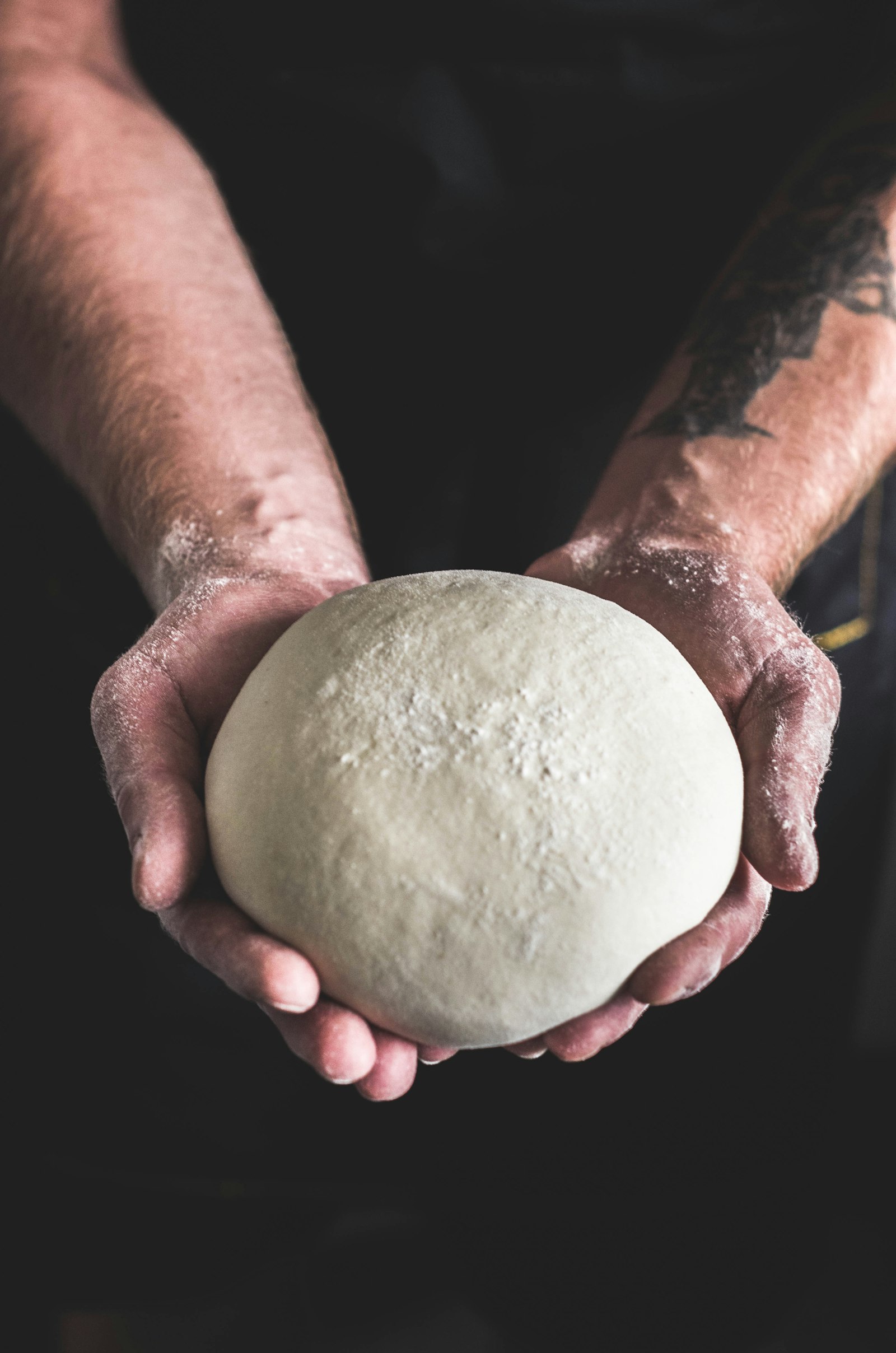
The golden rule: your dough will look too sticky. Do not add more flour. Oil your hands and press it out instead. A stiff dough bakes into a dry, cracker-like crust.
Choosing the Best Flour for Gluten Free Pizza Dough
A good all-purpose gluten-free blend is the easiest starting point, and a gluten free 1-to-1 baking flour (paid link) works well. Blends differ, so if yours already contains xanthan gum, skip the xanthan in the recipe but keep the psyllium. Weighing the flour matters more than usual here: gluten-free blends vary a lot by the cup, and 300 grams is the target.
| Flour option | Crust result | Best for |
|---|---|---|
| All-purpose GF blend (rice, potato starch, tapioca) | Balanced, crisp base, mild flavor | Beginners and everyday pizza |
| “1-to-1” blend with xanthan | Slightly softer, very reliable | Quick weeknight pizza |
| DIY blend (50% brown rice, 30% tapioca, 20% sorghum) | Nutty, chewy, more rustic | Bakers who want more flavor |
| Bean-flour-heavy blends | Earthy taste, denser texture | Not ideal for pizza |
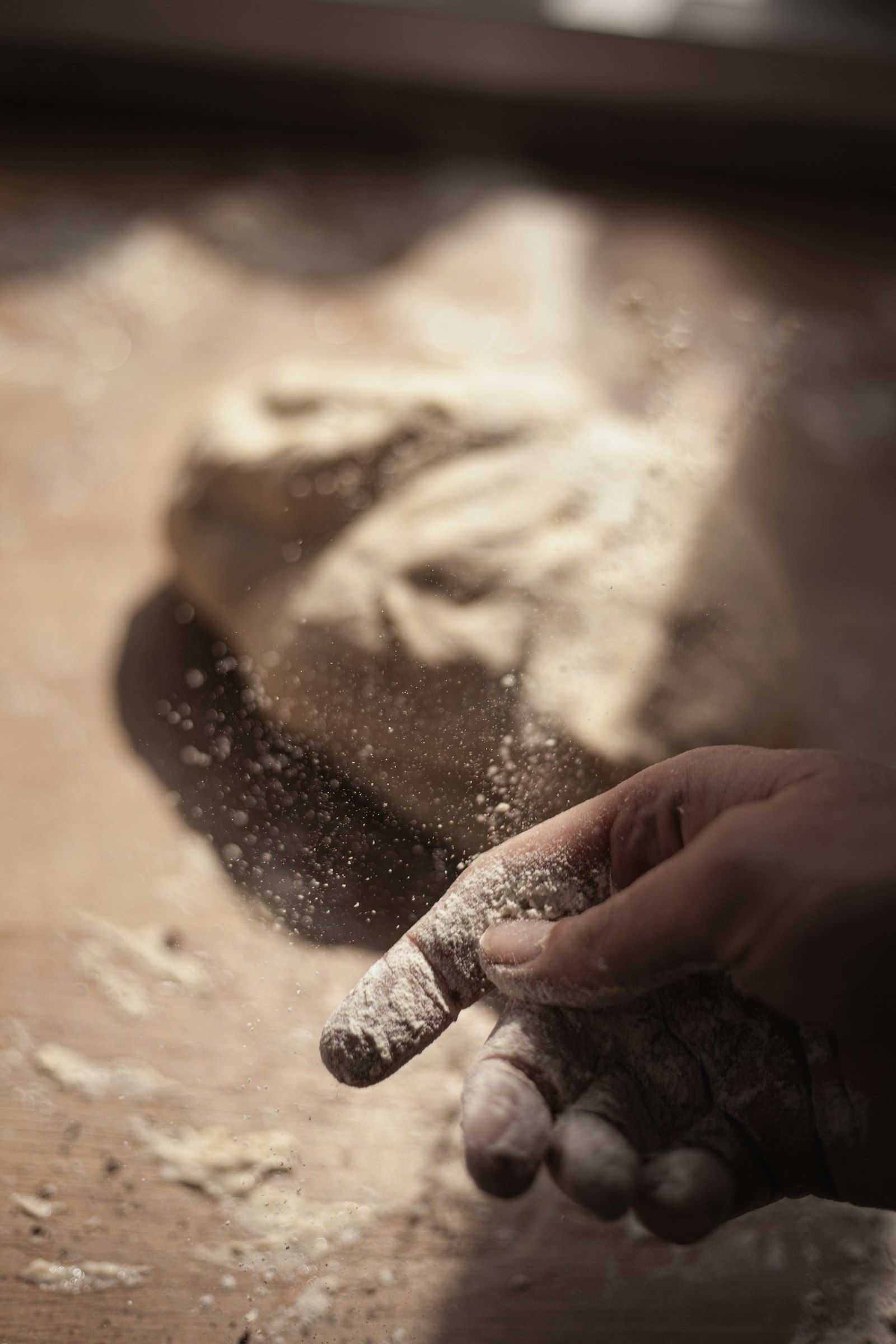
Want to mix your own blend? Our complete guide to gluten free baking includes an everyday flour blend and a hearty bread blend that both work here.
Gluten Free Pizza Dough Ingredients and What They Do
Exact amounts in grams and cups are in the recipe card. Here is the role of each ingredient:
- Gluten-free flour blend (300 g): the main structure of the crust.
- Psyllium husk powder (8 g, about 1 tablespoon): chew and stretch, like gluten. Use fine psyllium husk powder (paid link), not whole husks.
- Xanthan gum (2 g, 1/2 teaspoon): holds the crust together. Skip it if your blend already has it.
- Instant yeast and sugar: rise, flavor and golden browning.
- Warm water (270 ml): 105–110°F is ideal. Water above about 115°F can damage the yeast.
- Olive oil: tenderness and crisp, golden edges, plus extra for your hands.
- Apple cider vinegar: a slightly softer crumb and better rise.
Helpful equipment
A digital kitchen scale (paid link) gives you the same dough every time. A pizza steel (paid link) or stone holds the most heat for a browned, crisp base; an upside-down baking sheet also works. You will also want parchment paper to press the sticky dough onto, and a stand mixer with a paddle is handy but optional; a sturdy spatula works too.
How to Make Gluten Free Pizza Dough, Step by Step
The order of these steps is what prevents cracking and a gummy middle.
- Wake up the yeast. Stir the yeast and sugar into the warm water and wait about 5 minutes for foam. No foam means the yeast is old or the water was too hot; start again.
- Bloom the psyllium. Whisk the psyllium into the yeast water and wait 2 to 3 minutes until it thickens into a loose gel.
- Mix the dry ingredients. Whisk the flour blend, xanthan gum (if using) and salt in a large bowl.
- Combine. Add the gel, oil and vinegar. Mix for 2 to 3 minutes until thick, soft and tacky, like very stiff cookie dough.
- Let it rise. Cover and leave somewhere warm for 30 to 45 minutes. It will puff slightly but will not double.
- Preheat hot. Heat a stone, steel or upside-down baking sheet on the lowest rack at 450°F (230°C) for at least 30 minutes.
- Shape on parchment. With oiled hands, press the dough into a 12-inch round about 1/4 inch thick, with a slightly thicker rim.
- Par-bake. Slide the parchment onto the hot stone and bake 8 to 10 minutes, until the top looks dry and set.
- Top and finish. Add sauce, cheese and toppings. Bake 8 to 12 minutes more, pulling out the parchment halfway for a crisper base, until the cheese is melted and the rim is golden.
- Rest, then slice. Let it sit 3 to 5 minutes on a rack so the crust firms up instead of steaming itself soft.
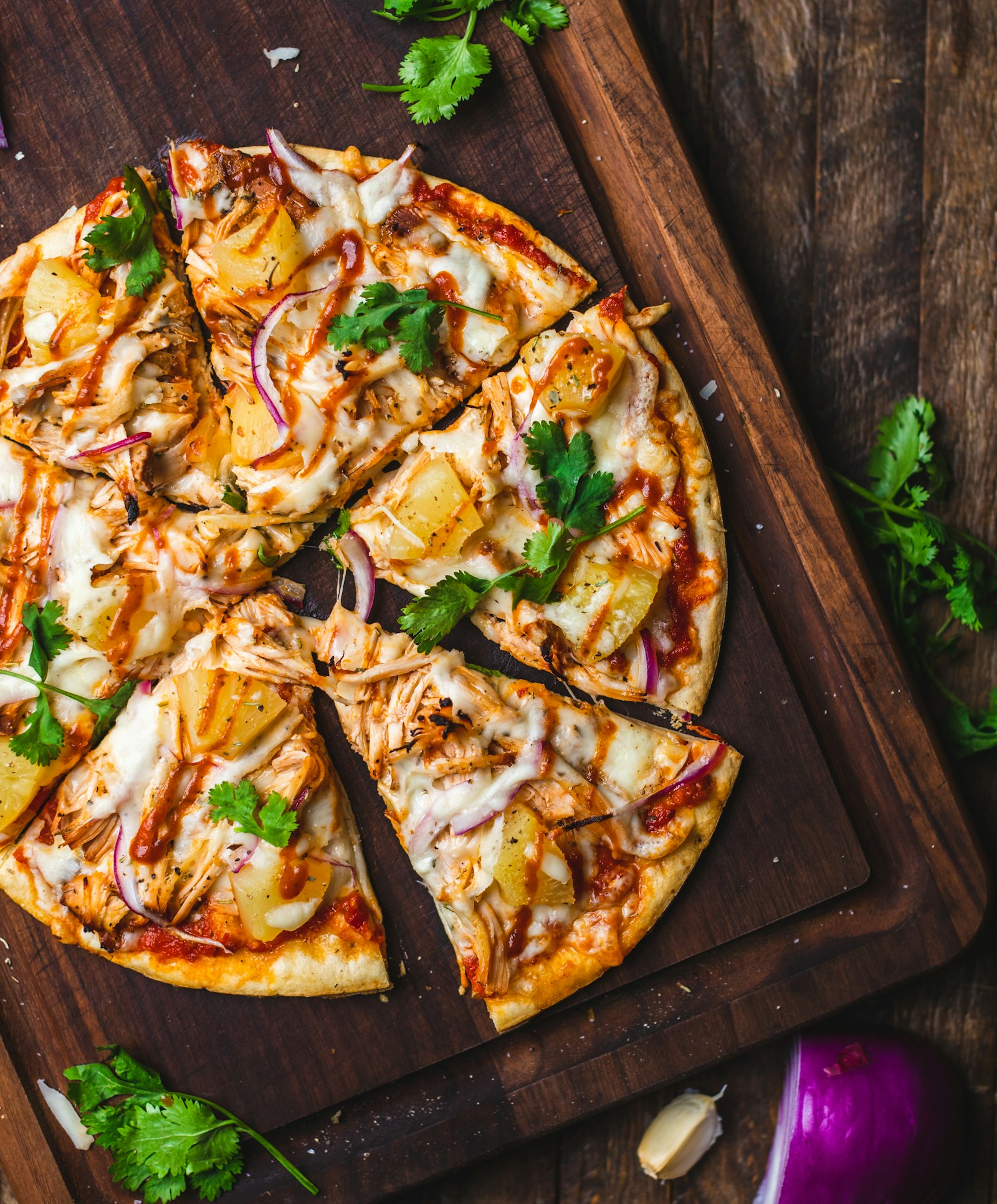
Tips for the best crust: use a pizza steel if you have one; keep toppings light, since heavy, wet toppings soften even a well-baked crust; brush the rim with olive oil before the second bake for a golden edge; and flavor the dough with 1 teaspoon dried oregano, 1/2 teaspoon garlic powder or 2 tablespoons grated Parmesan.
Troubleshooting Gluten Free Pizza Dough
| Problem | Likely cause | Fix |
|---|---|---|
| Gummy in the middle | Skipped the par-bake, or too much sauce | Always par-bake; use 1/3 cup sauce or less |
| Cracks when pressed | Too dry, or not rested | Add water 1 tablespoon at a time; rest the full 30 minutes |
| Tastes like cardboard | Extra flour added while shaping | Shape with oiled hands, not flour |
| Pale, soft bottom | Oven or stone not hot enough | Preheat 30+ minutes on the lowest rack |
| No rise at all | Water too hot, or old yeast | Keep water under 115°F (46°C); check the yeast date |
| Gritty texture | Coarse rice flour in the blend | Use a blend made with superfine rice flour |
Variations
- Dairy-free and vegan: the dough already is; just choose dairy-free cheese.
- Egg-enriched: swap 2 tablespoons of the water for 1 egg white for a lighter crumb.
- Thin and crispy: divide the dough in two, press each to about 1/8 inch, and par-bake 6 to 7 minutes.
- Breakfast pizza: par-bake, add cheese and fully cooked bacon or sausage, crack 3 to 4 eggs on top and bake until the whites are completely set and the yolks begin to thicken.
- No yeast: replace the yeast with 2 teaspoons baking powder and skip the rise. The crust is more biscuit-like but still good.
Serving Ideas
This crust suits classic margherita with tomato sauce, fresh mozzarella and basil, a white pizza with garlic oil and ricotta, or a barbecue chicken pizza with red onion and cilantro. Precook watery vegetables such as mushrooms and spinach so they do not soak the base, and use fully cooked meats. Serve with a crisp green salad. For more ideas on sauces and toppings, see our guide to making homemade pizza.
Make-Ahead, Storage and Reheating
- Raw dough: after mixing, cover and refrigerate for up to 2 days. The cold rest deepens the flavor. Let it sit 20 minutes at room temperature before shaping.
- Par-baked crusts: cool, wrap well and freeze for up to 3 months for best quality. Top and bake from frozen at 450°F (230°C), adding 3 to 5 minutes.
- Leftover pizza: refrigerate within 2 hours of baking (1 hour if it is above 90°F) and eat within 3 to 4 days. Reheat slices in a dry skillet over medium heat for 4 to 5 minutes, or in a hot oven, until steaming hot, 165°F. The skillet re-crisps the bottom.
Cooking for celiac disease? Use only ingredients labeled gluten-free, including yeast, flour blend and toppings, and avoid cross-contact by using clean pans, cutting boards and utensils. The FDA explains what a “gluten-free” label means in its gluten and food labeling guidance.
Gluten Free Pizza Dough Recipe Card

Gluten Free Pizza Dough
Ingredients
Method
- Stir the yeast and sugar into the warm water. Let it sit 5 minutes until foamy.
- Whisk the psyllium husk powder into the yeast water and wait 2–3 minutes until it thickens into a loose gel.
- In a large bowl, whisk the flour blend, xanthan gum (if using) and salt.
- Add the psyllium gel, olive oil and vinegar. Mix for 2–3 minutes until thick, soft and tacky, like very stiff cookie dough.
- Cover and leave somewhere warm for 30–45 minutes. It will puff slightly but won’t double.
- Meanwhile, put a pizza stone, steel or upside-down baking sheet on the lowest rack and heat the oven to 450°F (230°C) for at least 30 minutes.
- With well-oiled hands, press the dough onto parchment into a 12-inch round about ¼ inch thick, with a slightly thicker rim.
- Slide the parchment onto the hot stone and par-bake 8–10 minutes, until the surface looks dry and set.
- Add sauce, cheese and toppings. Bake 8–12 minutes more until bubbling and golden, pulling out the parchment halfway for a crispier base.
- Rest 3–5 minutes on a rack before slicing.
Notes
Frequently Asked Questions
Can I make gluten free pizza dough without yeast?
Yes. Replace the yeast with 2 teaspoons baking powder and skip the rise. Mix, shape and par-bake right away. The crust will be more biscuit-like but still good.
Can I skip the psyllium husk?
You can use 1 1/2 teaspoons xanthan gum instead. The dough will be softer and harder to handle, so press it out on parchment with oiled fingers.
Can I roll it out with a rolling pin?
Yes, between two sheets of oiled parchment. Pressing by hand is simply easier and gives a more even rim.
Is this safe for people with celiac disease?
Only if every ingredient is labeled gluten-free and your kitchen avoids cross-contact. Check the yeast, flour and toppings, and use clean pans and utensils.
Can I make the dough the night before?
Yes. After mixing, cover and refrigerate it overnight, or for up to 2 days. Let it sit at room temperature for about 20 minutes before shaping.
Why is my gluten free crust gummy?
Usually it was not par-baked, the sauce was too heavy, or the oven and stone were not fully preheated. Par-bake until the top looks dry, use a thin layer of sauce, and preheat for at least 30 minutes.
Final Thoughts
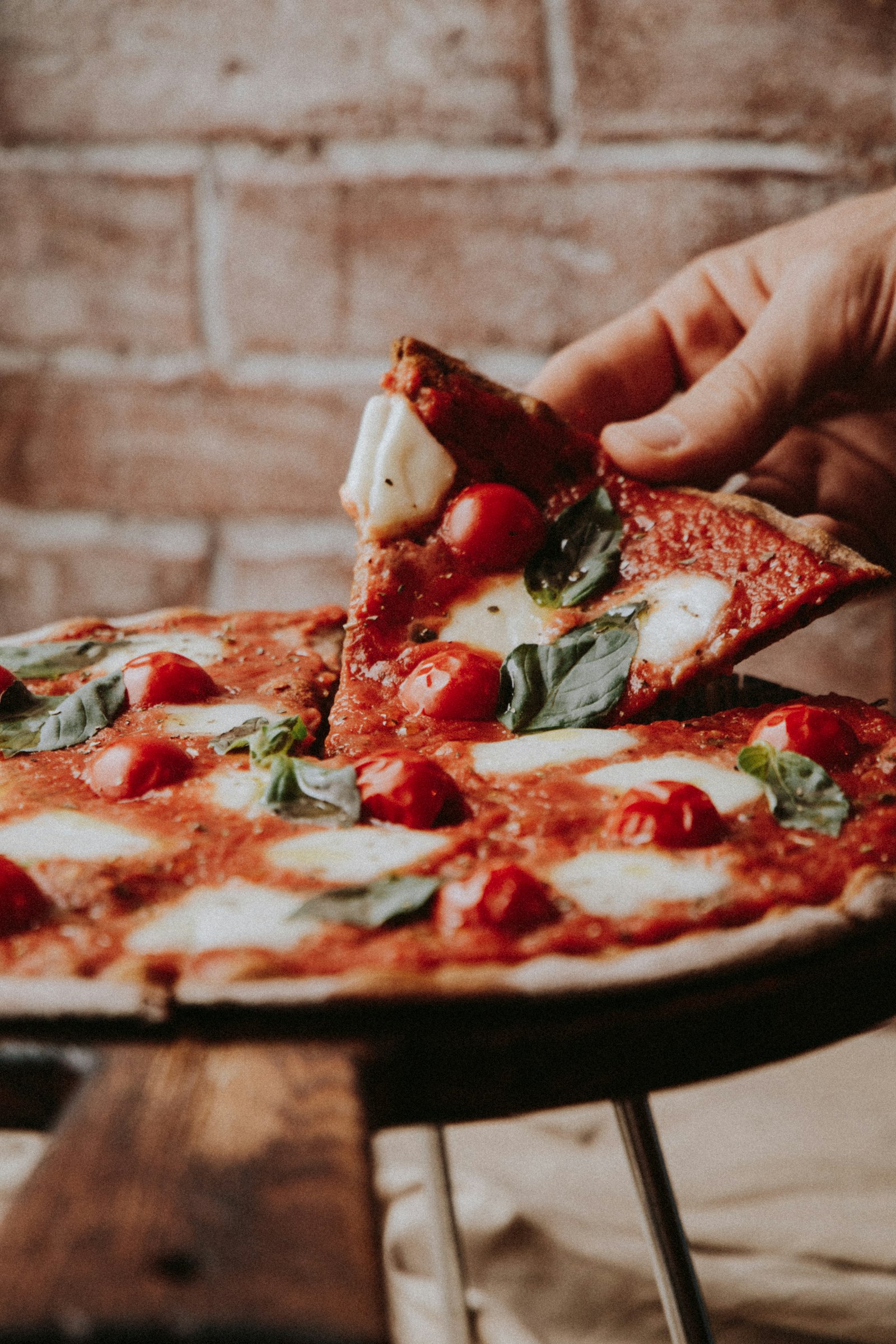
Now you know how to make gluten free pizza dough that holds its own against the wheat version: hydrate generously, let the psyllium do the work, press instead of stretch, and always par-bake. Make it once to learn the feel of the dough, and by the second batch gluten-free pizza night will feel easy.