Air fryer frozen artichoke hearts without breading make a straightforward vegetable side when you want something savory, lemony, and easy to portion. A little oil and a few pantry seasonings bring out the artichokes’ mild, earthy flavor; lemon and parsley added after cooking keep the finish fresh.
Expect tender centers and browned edges, with only lightly crisp tips. Cook from separated frozen quarters and follow the package’s preparation requirements. The 8–14 minute range below is an estimate for one uncrowded basket.
Choose the right frozen artichokes
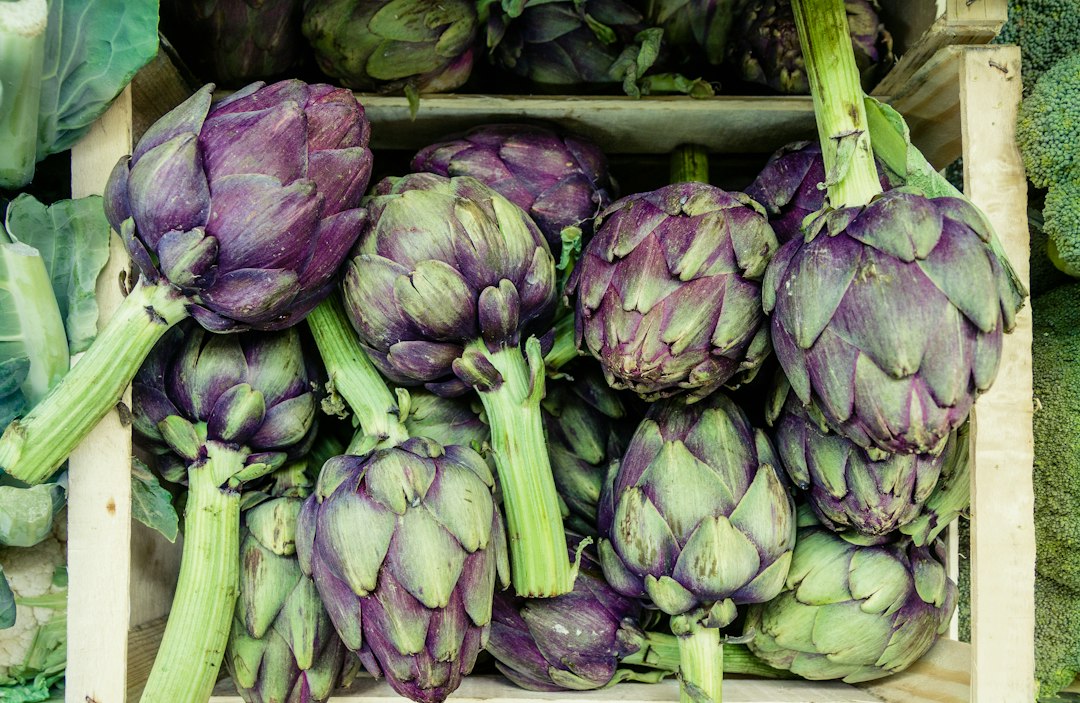
Start with plain, unseasoned frozen quartered artichoke hearts. Check the label before buying: breaded pieces, marinated artichokes, and vegetables packed in sauce need different treatment. Quartered hearts offer relatively even pieces, although small fragments may finish sooner than large quarters.
Keep the artichokes frozen until you are ready to season them. Separate any quarters stuck together and brush away loose ice crystals. Do not force apart a solid frozen block with a sharp knife. If the pieces cannot be separated easily, follow the package’s handling instructions before proceeding. Excess ice adds water to the basket and makes browning harder.
Recipe card: lemon-garlic frozen artichoke hearts
Yield: approximately 4 small side servings
Estimated preparation: 5 minutes
Estimated cooking: 8–14 minutes per batch, plus preheating if needed
Estimated total: 13–19 minutes, plus preheating or additional batches
Ingredients
- 340 g (12 ounces) plain frozen quartered artichoke hearts
- 2 teaspoons olive oil or another cooking oil
- ½ teaspoon garlic powder
- ¼ teaspoon dried oregano
- ¼ teaspoon fine salt
- ⅛ teaspoon ground black pepper
- 1 teaspoon finely grated lemon zest
- 1–2 teaspoons fresh lemon juice, to taste
- 1 tablespoon chopped fresh parsley
Instructions
- Check the package. Read the artichokes’ cooking directions. If they require a different temperature, method, or longer cooking time, follow those instructions. Preheat the air fryer to 400°F if recommended by its manufacturer.
- Separate and season. Place the separated frozen quarters in a bowl after removing loose ice. Add the oil, garlic powder, oregano, salt, and pepper. Toss gently to distribute the seasoning without breaking the pieces.
- Arrange the basket. Spread the quarters in a single layer with small gaps between them. Cook in batches if the basket is crowded; a 12-ounce bag may not fit comfortably in a smaller machine.
- Air fry. Cook at 400°F for approximately 8–14 minutes. Turn or gently toss the pieces about halfway through, around 4–6 minutes. Begin checking at 8 minutes. Continue in short intervals until the centers are tender and fully heated and the edges show browning, while also meeting the package’s cooking requirements.
- Finish after cooking. Transfer to a serving bowl. Add the lemon zest, 1 teaspoon lemon juice, and parsley. Toss gently, taste, and add the remaining teaspoon of juice if you want a brighter finish. Serve promptly.
Turn delicate quarters without pulling them apart
Artichoke quarters are less sturdy than potato wedges. Instead of shaking the basket forcefully, use heat-safe tongs or a small spatula suited to your basket’s coating. Lift each piece from underneath or grasp its firmer base rather than pinching the thin outer leaves.
Pause the appliance and support the removable basket as directed by its manufacturer before rearranging the food. Keep your hands away from hot metal and escaping steam. A small plate beside the air fryer gives you somewhere to place fragments that have finished early, without mixing them into a bowl of still-cooking pieces.
Use the halfway check to redistribute, not compress
Turn quarters so a different surface is exposed and move pieces away from crowded patches. If one side of the basket is browning faster, exchange a few larger and smaller pieces. Do not press the artichokes flat with a spatula; separating their leaves creates more small edges that can darken quickly.
Inspect the gaps in the basket as well as the tops. Food should rest on the cooking surface supplied for the appliance, not be pushed through openings or covered with an improvised liner. Follow the manufacturer’s instructions for accessories and liners rather than adding something that could interfere with cooking.
Once the larger quarters meet the package requirements and are tender, use a broad utensil to transfer them to the bowl. Add the lemon finish with a gentle folding motion so the browned tips stay attached to the tender centers.
How to judge when they are ready
The timer is a reminder to inspect the vegetables, not a guarantee. Use a fork to check a thick quarter: its center should yield easily rather than feel hard or icy. Look for brown patches on exposed edges. Artichoke leaves may separate slightly as you turn them, which is normal; handle them gently to keep most quarters intact.
Remove little fragments that darken before the larger pieces are ready. If your basket has hot spots, rotate the pieces while turning them. Avoid chasing a uniformly deep golden color: the fine leaf tips can burn before the thick base becomes tender.
Why add lemon at the end?
Lemon juice adds liquid to the artichokes’ surfaces. Reserving it for the finish lets the pieces roast before they receive that extra moisture. Start with a teaspoon because a small amount goes a long way with this quantity of vegetables. Zest supplies a citrus aroma without much additional liquid; grate only the colored outer peel to avoid the bitter white layer underneath.
Troubleshooting common problems
The artichokes are soft with little browning
Check the basket arrangement first. Overlapping quarters trap moisture and limit air circulation. Split the batch if needed, then give the pieces a little more time, checking frequently. Remove loose ice before the next batch. Their centers should remain tender even when the edges brown, so softness alone does not mean the recipe failed.
The leaf tips are burning
Take out the smallest pieces and inspect the remaining quarters more often. Air fryers vary, and a strong fan or close heating element can darken delicate edges quickly. If necessary, lower the temperature slightly and continue cooking until the centers are ready, while respecting the package’s instructions.
The seasoning tastes harsh or salty
Use plain artichokes rather than pre-seasoned vegetables, and measure the fine salt instead of pouring directly from a container. Garlic powder needs an even, light coating; clumps can taste intense. Toss thoroughly before cooking and taste before adding any extra salt at the table.
Ways to serve them
Serve these artichokes beside air fryer steak without butter, or pair them with air fryer delicata squash with Parmesan and sage for a vegetable-forward plate. Cook each recipe separately when its temperature or timing differs.
They also work alongside baked fish, roast chicken, or a bowl of rice and beans. For an appetizer, offer a simple yogurt-and-lemon dip on the side. Add any sauce just before eating so the browned edges do not immediately become wet.
Storing and reheating leftovers
Following USDA leftover guidance, refrigerate cooked artichokes within two hours, or within one hour when temperatures exceed 90°F. Store in a shallow covered container in a refrigerator at 40°F or below, and use within 3–4 days.
Reheat a small portion in a single layer, checking frequently. USDA recommends reheating leftovers to 165°F throughout; check several pieces with a food thermometer. Expect reheated artichokes to be softer than freshly cooked ones. Add fresh parsley or a little lemon after reheating if desired.
Allow time for extra batches
The 13–19 minute total covers preparation and one basket, before any required preheating. A second basket adds another cooking cycle. Divide larger quantities into single layers and keep the dip and main course ready before the final batch finishes.
Frequently asked questions
Do I need to thaw frozen artichoke hearts?
This method starts with separated frozen quarters. Follow your product’s instructions if they specify thawing or another preparation step.
Can I use canned or marinated artichokes?
They are not direct substitutes for this timing. Canned hearts need thorough draining and drying; marinated hearts already contain oil and seasoning. Use a method written for that product rather than assuming the frozen instructions will transfer.
Are these as crunchy as breaded artichokes?
No. They have tender interiors and potentially lightly crisp browned tips. For a substantial crunchy coating, choose a recipe specifically developed with breading.
Can I double the recipe?
Yes, double the ingredients and cook in separate single-layer batches. Doubling the food in one crowded basket changes how it cooks; it does not simply require doubling the time.