Family Recipe HQ • Kitchen guide
Air fryer steak without butter uses 1 teaspoon of oil, simple seasonings, and a 400°F air fryer. For the USDA whole-steak recommendation, measure at least 145°F (63°C) before removal, then rest at least 3 minutes. Timing depends on thickness and the appliance.
Air fryer steak without butter: measured recipe
Servings: 1 generous portion from an 8–12 ounce steak. Prep: 5 minutes. Cook: approximately 9–15 minutes for a 1-inch steak, plus 3–5 minutes resting. Thickness and appliance output change the timing.
Ingredients
- 1 steak, approximately 1 to 1½ inches thick
- 1 teaspoon olive or avocado oil
- ½ teaspoon kosher salt
- ½ teaspoon black pepper
- ½ teaspoon garlic powder
- ¼ teaspoon onion powder
- ¼ teaspoon smoked paprika, optional
Instructions
1. Prepare the steak.
Remove the steak from the refrigerator and pat it thoroughly dry with paper towels.
2. Add oil.
Lightly brush both sides with oil.
3. Season.
Season both sides and the edges with salt, pepper, garlic powder, onion powder, and smoked paprika.
4. Preheat the air fryer.
Preheat to 400°F for approximately 3–5 minutes if your air fryer calls for preheating.
5. Add the steak.
Place the steak in the basket, leaving space around it.
6. Cook.
Air fry at 400°F, flipping halfway through.
7. Check the temperature.
Insert a thermometer from the side into the thickest part, avoiding bone and fat. For the USDA safety recommendation, reach at least 145°F before removing the steak, then rest at least 3 minutes. The doneness table describes preferences; lower temperatures do not meet this recommendation.
8. Remove and rest.
Transfer the steak to a plate or cutting board and let it rest for approximately 3–5 minutes.
9. Slice and serve.
Slice against the grain and serve immediately with your favorite sides.
Serve after resting at least 3 minutes. Slice across the muscle fibers and use the same thickness and air fryer settings next time as a starting point, while still checking temperature.
Best Steaks for the Air Fryer
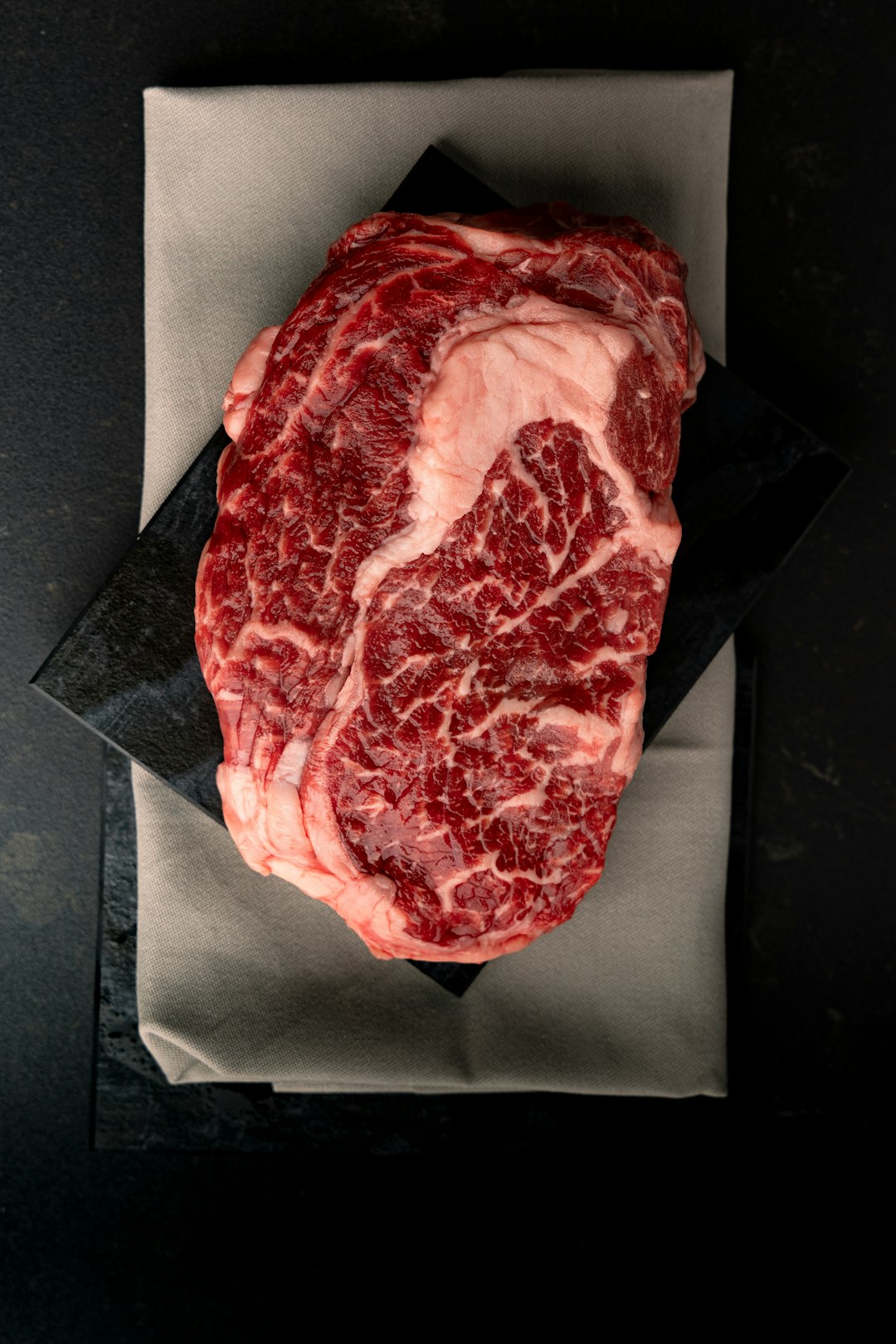
Choose a tender cut about 1 to 1½ inches thick. Similar thickness matters more than matching weights when cooking two steaks together.
| Cut | What to expect | What to watch |
|---|---|---|
| Ribeye | Rich flavor and generous marbling. | Rendered fat can collect in the basket; follow your appliance’s cleaning and cooking guidance. |
| New York strip | A firmer bite and an even shape. | Leave space around the steak rather than squeezing it against the basket. |
| Top sirloin | A leaner option with a strong beef flavor. | Check early; lean meat becomes chewy when overcooked. |
| Filet mignon | Tender meat with a milder flavor. | Its thickness can extend cooking time even when the steak weighs less. |
| Flat iron | A tender cut that is often thinner. | Start checking sooner than you would for a thick ribeye. |
For a closer look at trimming and seasoning ribeye, see how to prep a ribeye steak. Tough cuts that need slow cooking are better suited to another method.
A clear temperature endpoint
The FoodSafety.gov chart recommends 145°F followed by a 3-minute rest for whole beef steaks. Insert the probe from the side into the thickest center, avoiding bone and large fat pockets. Check each steak individually.
Rare and medium-rare culinary preferences fall below this recommendation. If you want to compare those terms, use the steak doneness chart; the measured recipe here follows the 145°F and rest endpoint. Do not depend on a predicted carryover rise to reach it.
Cooking Time, Flipping, and Resting
For a 1-inch steak at 400°F, the recipe’s estimated cooking range is about 9–15 minutes. Treat that range as a planning guide. A colder steak, a thicker cut, or a crowded basket can change the timing.
Flip once around halfway through, then check early and add time as needed. Do not cook longer just to chase a darker crust once the center has reached its target.
For the USDA safety recommendation, the steak must reach at least 145°F before removal, followed by at least a 3-minute rest. Place it on a clean plate or board and allow about 3–5 minutes before slicing across the grain.
To improve browning next time, dry the surface more thoroughly, preheat when your model calls for it, and give the steak more room. These adjustments are more useful than adding extra oil.
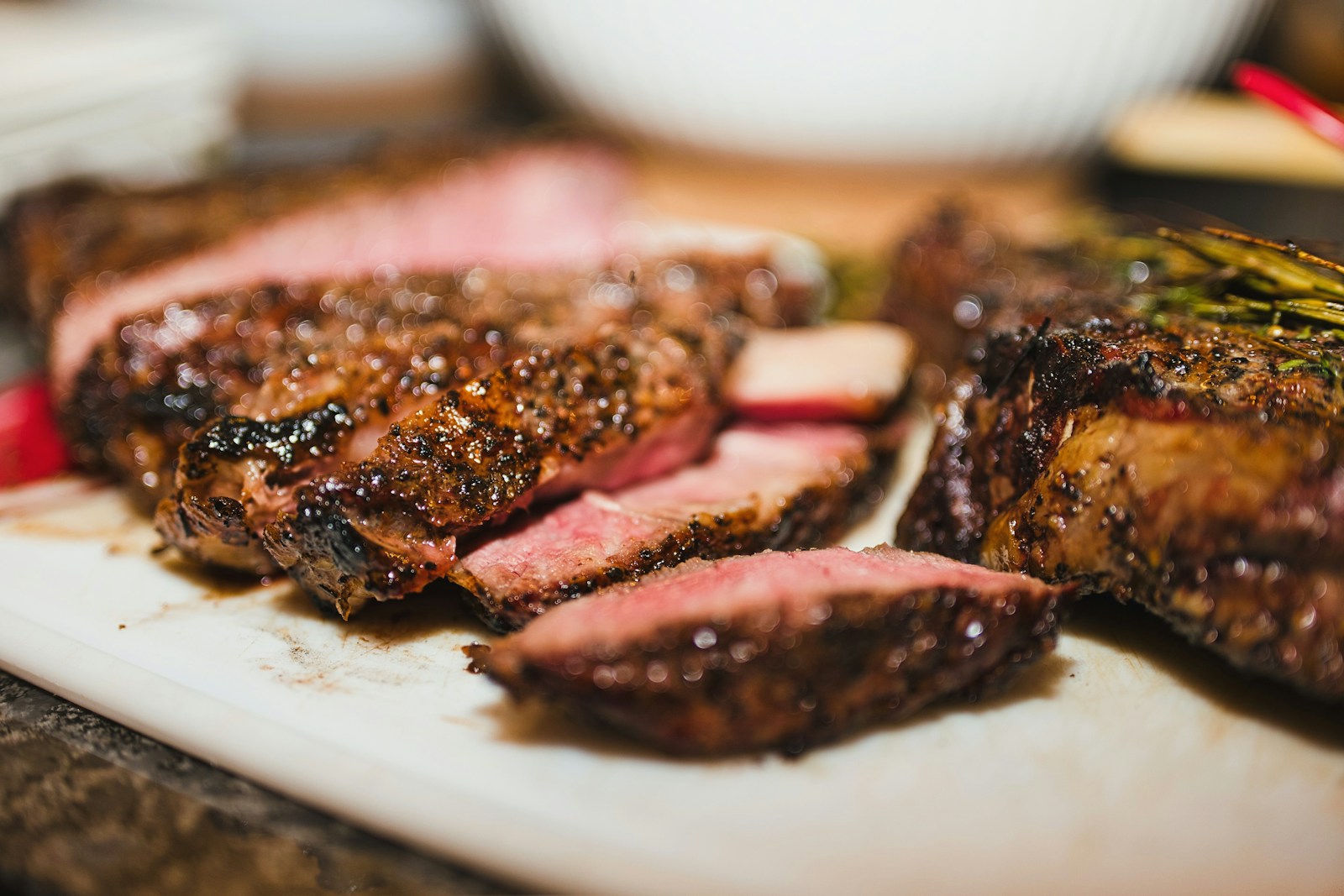
Simple Seasoning Variations
Start with the measured salt, pepper, garlic powder, and onion powder in the recipe. Choose one variation rather than stacking several blends.
- Garlic and herbs: add dried thyme or rosemary, then finish with chopped parsley.
- Cajun: use a Cajun blend in place of some of the basic seasoning. Check its salt content before adding more salt.
- Smoky and spicy: use the optional smoked paprika and a small pinch of cayenne. Add more heat at the table if needed.
A wet marinade can slow browning. Drain it and pat the steak dry before cooking; do not pour marinade into the air fryer basket.
Can You Leave Out the Oil Too?
You can cook a marbled steak without added butter or oil. Dry it, season it, and place it in the basket with room for airflow. Its own fat will render as it cooks.
A thin coating of oil can help seasoning adhere and support surface browning, especially on a lean cut. The measured recipe uses just 1 teaspoon; the surface should look lightly coated, not wet.
Troubleshooting
| Problem | Likely cause | What to change |
|---|---|---|
| Pale surface | Excess moisture or too little airflow. | Dry the steak well and leave more space in the basket. Avoid extending cooking solely for color. |
| Dry or chewy meat | Overcooking, a tough cut, or slicing with the grain. | Use a tender cut, check the center early, and slice across the muscle fibers after resting. |
| Two steaks finish at different times | Uneven thickness or different starting temperatures. | Check them separately and remove each when it reaches the cooking target. |
| Seasoning tastes too salty | A salted blend was added on top of the measured salt. | Reduce the plain salt when using a premixed seasoning. |
| Juices run out when slicing | The steak was cut immediately after cooking. | Give it the full resting period before cutting. |
Sides and Butter-Free Sauces
Pair the steak with potatoes and a vegetable for a simple dinner. Try roasted asparagus with lemon zest, a green salad, or roasted broccoli.
For a butter-free topping, choose chimichurri, steak sauce, or a balsamic reduction. Check labels and recipes: garlic, mushroom, and peppercorn sauces often contain butter. Serve sauce alongside the steak so the browned surface stays visible.
Thawed steak, leftovers, and reheating
The timing in this recipe assumes thawed steak. For frozen steak, use a method written for frozen meat and your air fryer rather than adding a fixed number of minutes. Refrigerate cooked steak promptly in shallow containers, within 2 hours or 1 hour above 90°F. Use refrigerated leftovers within 3–4 days and reheat them to 165°F, following the FoodSafety.gov storage chart.