COOKED-RICE DINNER
A canned lentil rice skillet turns a couple of pantry cans, cooked rice, and frozen vegetables into a warm, substantial dinner. Onion, cumin, and smoked paprika give the base a savory flavor, while lemon juice brightens the finished dish. Everything comes together in one large skillet once the rice is already cooked.
This recipe is designed for four servings and uses cooked long-grain rice, not dry rice. The small amount of broth helps cook the vegetables and loosen the mixture; it cannot cook uncooked rice. If you need to make rice first, follow its package directions and allow extra time.
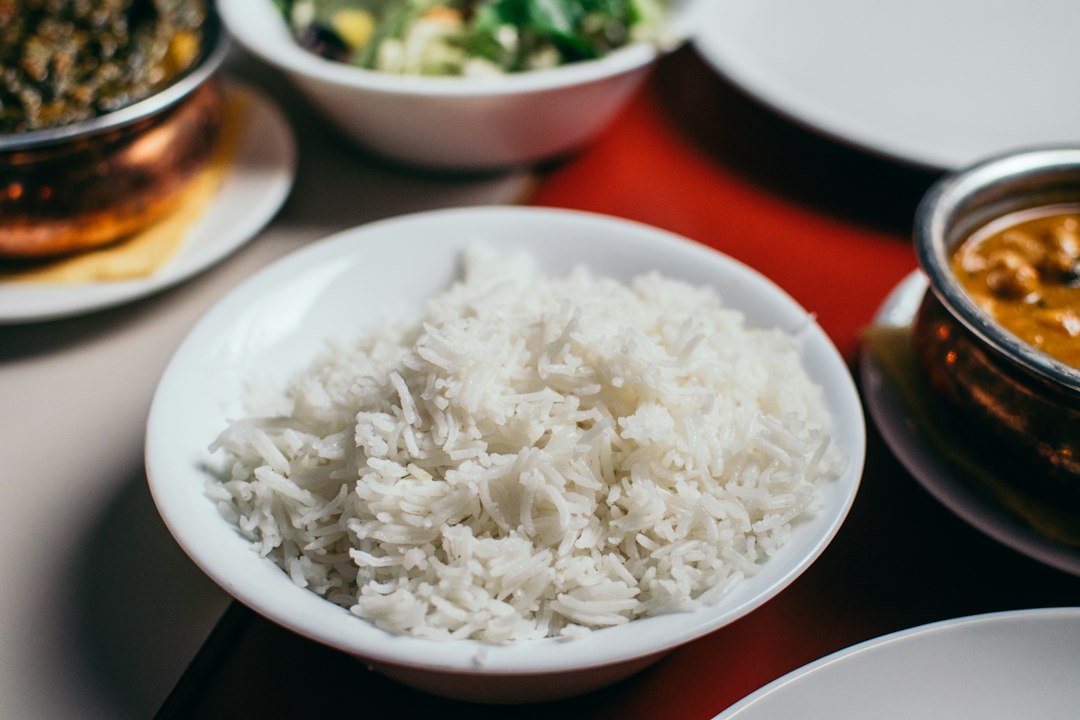
The featured photograph shows plain cooked rice as an ingredient reference, not the completed lentil skillet.
Canned Lentil Rice Skillet Recipe
Yield: 4 generous servings
Preparation: about 10 minutes
Cooking: about 20–25 minutes
Total: about 30–35 minutes, excluding the time needed to cook rice
Equipment: A deep 12-inch skillet or 4-quart sauté pan with a lid, fine-mesh strainer, measuring cups and spoons, spatula, and an instant-read thermometer when reheating previously cooked rice.
Ingredients
- 2 tablespoons olive oil or another cooking oil
- 1 medium onion, diced
- 2 garlic cloves, minced
- 1 teaspoon ground cumin
- ½ teaspoon smoked paprika
- 2 cups frozen mixed vegetables
- ¼ cup vegetable broth, plus a little more if needed
- 2 cans lentils, 15 ounces each, rinsed and drained
- 3 cups cooked long-grain rice
- 1 tablespoon lemon juice
- Salt and black pepper, to taste
Instructions
- Prepare the ingredients. Drain the rinsed lentils thoroughly. Dice the onion, mince the garlic, and break up any rice clumps. Keep refrigerated rice cold until you are ready to add it.
- Soften the onion. Heat the oil in the skillet over medium heat. Add the onion and cook for approximately 5–7 minutes, stirring occasionally, until softened. Reduce the heat if it starts browning rapidly before it softens.
- Add the aromatics. Stir in the garlic, cumin, and smoked paprika. Cook for about 30 seconds, stirring continuously, until fragrant. Immediately proceed to the next step so the spices do not scorch.
- Cook the vegetables. Add the frozen mixed vegetables and ¼ cup broth. Cover and cook according to the vegetable package instructions, stirring as needed. If the pan becomes dry before the vegetables are cooked, add broth a tablespoon at a time.
- Remove excess moisture. Uncover the skillet. If liquid remains pooled at the bottom, cook briefly while stirring until the mixture is moist without being watery.
- Heat the rice and lentils. Fold in the lentils and cooked rice. Cook over medium to medium-low heat, turning gently, until hot throughout. If using leftover rice, check several areas with a food thermometer and heat to 165°F. Add a small splash of broth if the rice sticks or remains dry.
- Finish and serve. Remove the skillet from the heat and stir in the lemon juice. Taste, then add salt and black pepper as needed. Divide into four portions and serve promptly.
What to expect from this skillet
The finished dish should be moist enough to scoop easily without a puddle of liquid underneath. Lentils stay soft, vegetables add a little texture, and the rice carries the seasoning throughout. It is a pantry dinner rather than a crisp fried-rice recipe, so avoid expecting deeply browned grains or crunchy lentils.
Ingredient notes that make a difference
Canned lentils: Choose plain canned lentils rather than lentil soup or lentils in a heavily seasoned sauce. Rinse them in a fine-mesh strainer and let excess water drain away. They are already cooked, so add them near the end and fold gently to avoid crushing them.
Cooked rice: Three cups of cooked long-grain rice give this skillet its base. Break up refrigerated rice clumps before adding them. Freshly cooked rice also works, although softer or wetter rice can produce a stickier mixture. Brown rice is an option if it is fully cooked before it enters the skillet. If you are choosing between varieties, use our rice types and cooking guide to compare texture and preparation before starting.
Frozen vegetables: A peas, carrots, corn, and green bean blend is a practical starting point. Read the cooking instructions on the bag and cook the vegetables fully before mixing in the lentils and rice. Large broccoli florets need different handling and may need cutting into smaller pieces after cooking.
Broth and seasoning: Vegetable broth keeps the dish suitable for a meatless meal. Use a low-sodium version if you want more control over salt, especially when the canned lentils are salted. Water can replace the broth, though the base will taste less savory. The measured ¼ cup is a starting amount: add more only 1 tablespoon at a time if the vegetables need it or the rice looks dry.
Skillet size: Use a deep 12-inch skillet or a 4-quart sauté pan with a lid. A smaller pan crowds the vegetables and traps excess steam; a much wider pan can evaporate the broth before the frozen vegetables are tender.
Simple adjustments and serving ideas
For extra brightness, offer lemon wedges at the table instead of adding a large amount of juice to the whole skillet. Chopped parsley is an optional finishing garnish. A spoonful of plain yogurt can add a creamy contrast; use a suitable dairy-free alternative when needed.
Serve the skillet in bowls with a cucumber salad or sliced tomatoes. For another pantry meal with a different flavor direction, try our one-pot salsa rice with black beans and frozen corn. Browse easy bean and lentil recipe ideas when planning other meals around your cupboard ingredients.
Troubleshooting the texture
The skillet is watery: Drain the lentils well and cook away pooled vegetable liquid before adding rice. Once everything is combined, leave the lid off and stir gently over moderate heat until excess moisture evaporates.
The rice is clumping: Break it apart before cooking and add a spoonful of broth when folding it into the skillet. Use the edge of a spatula to separate larger clusters without aggressively mashing the lentils.
The flavor seems flat: Taste after adding lemon. Salt levels vary between broth and canned lentils, so season the finished dish rather than adding a fixed large amount at the beginning.
Storage and reheating
Transfer leftovers to shallow containers and refrigerate them promptly at 40°F or below. FoodSafety.gov advises refrigerating perishable food within two hours, or within one hour when the temperature is above 90°F. Use the skillet within three to four days. If you started with refrigerated rice, count from the day the rice was first cooked; combining it with lentils does not restart its storage clock.
Reheat only the portion you need with 1 to 2 tablespoons of water or broth. Cover loosely, stir at least once, and check several spots with an instant-read thermometer. Leftovers should reach 165°F throughout. Discard rice or a finished skillet left at room temperature beyond the applicable two-hour or one-hour limit rather than trying to make it safe by reheating.
Break up rice clumps without crushing the lentils
Cold rice can hold together in dense clusters. Loosen large clumps with a fork or the edge of a spatula before heating, then use small additions of the measured reheating liquid to help them separate. Do not grind the entire mixture against the pan; the lentils are already soft and will become pasty with aggressive handling.
Spread a reheating portion into an even layer rather than leaving a tall mound in the middle of the pan or microwave-safe container. As it warms, lift from the bottom and fold the cooler portions toward the warmer ones. Follow the appliance instructions for covering and stirring, and check more than the steaming surface with the thermometer.
Label the rice date, not just the skillet date
When using previously cooked rice, note its original cooking date on the finished meal’s container. Freshly opened lentils and newly cooked vegetables do not make older rice new again. Choose the earlier storage deadline when components were prepared on different days.
For easier portioning, divide planned leftovers into shallow containers soon after serving. Keep optional yogurt, chopped cucumber, and other fresh toppings separate so the skillet can be reheated without changing their texture. Add lemon only after tasting the warmed portion; a small finishing squeeze may be enough, and there is no need to repeat the full recipe’s tablespoon for one bowl.
Food-safety reference: USDA guidance for cooling, storing and reheating leftovers. Use the earlier deadline when an ingredient was prepared before this meal.
Substitution limits
- Dry lentils: Cook them separately until tender, then drain well before measuring. The ¼ cup broth in this skillet is not enough to cook dry lentils.
- Microwave rice: Plain packets work when they provide three measured cups after heating. Strongly seasoned rice can make the skillet too salty or change its intended cumin-lemon flavor.
- Brown rice: Use it fully cooked. Its firmer texture may need an extra tablespoon or two of broth during the final heating step.
- Two-serving batch: Halve every ingredient and use a 10-inch skillet. The vegetables still need their full package-directed cooking time, so do not simply halve the clock.
- Different frozen vegetables: Cut large florets or long green beans into bite-size pieces after they soften. Finish cooking the vegetables before adding the lentils so the lentils do not turn mushy.