One skillet · tomato & chickpeas
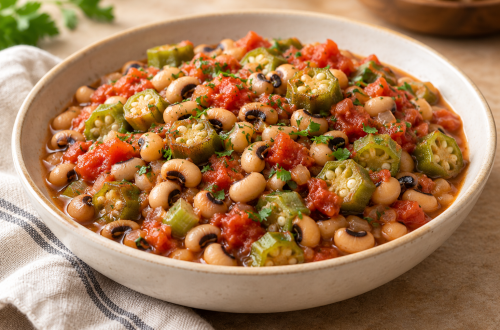
This tomato chickpea skillet without cream combines canned chickpeas, crushed tomatoes, bell pepper and garlic in a spoonable sauce. It is a pantry-friendly meatless dinner that can be served over cooked rice, alongside bread or with a separately cooked vegetable. The chickpeas are already cooked, so the main work is softening the pepper and simmering the tomato base.
Recipe development note: This recipe has not been kitchen-tested. The times are estimates; use the vegetable tenderness and sauce consistency cues below to judge your batch.
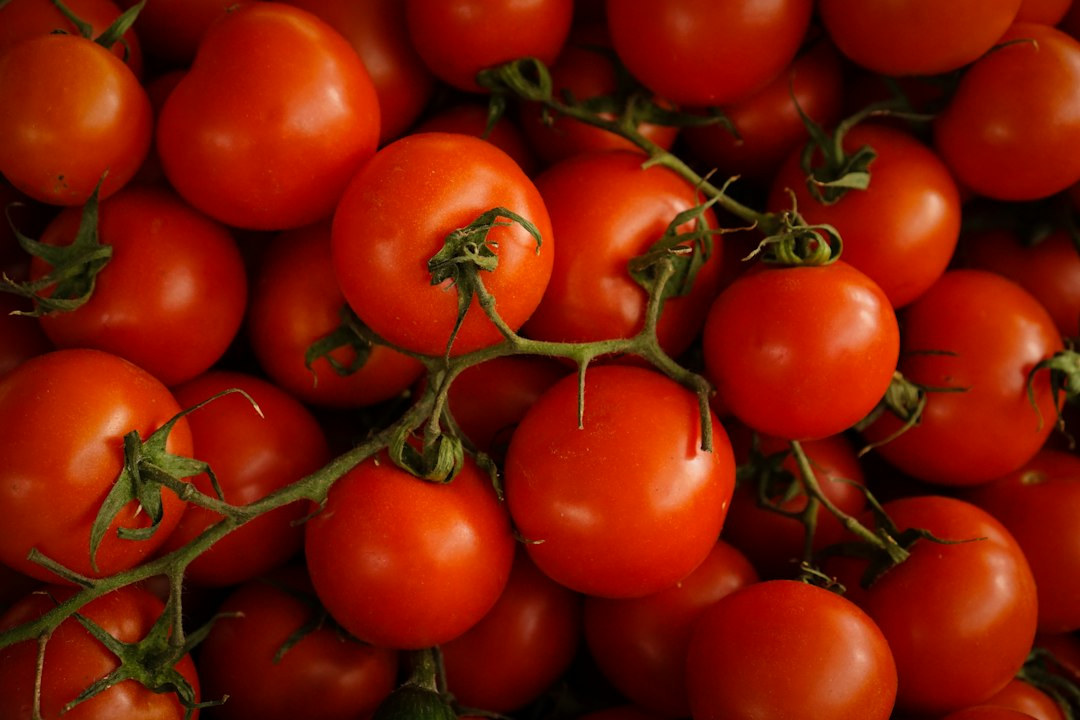
Featured ingredient reference: fresh tomatoes by Tom Hermans on Unsplash. Use canned crushed tomatoes in the measured recipe below.
At a glance
Yield: 4 servings
Estimated preparation: 10 minutes
Estimated cooking: 25–30 minutes
Equipment: Deep 12-inch skillet, strainer, cutting board, knife, measuring spoons and a sturdy spoon.
Tomato Chickpea Skillet Without Cream
Ingredients
- 2 tablespoons olive oil
- 1 medium onion, diced
- 1 medium bell pepper, seeded and cut into small dice
- 3 garlic cloves, minced
- 1 teaspoon dried oregano
- ½ teaspoon smoked paprika
- ¼ teaspoon ground black pepper
- 1 can crushed tomatoes, 28 ounces
- 2 cans chickpeas, 15 ounces each, drained and rinsed
- ¼ cup water, plus more if needed
- 1 teaspoon lemon juice, plus more to taste
- Salt, to taste
- 2 tablespoons chopped parsley, optional
- Cooked rice or bread, for serving separately
Method
- Prepare before heating. Drain and rinse the chickpeas. Dice the onion and pepper, mince the garlic and measure the seasonings. Set aside about ½ cup of the drained chickpeas for mashing. If you are serving rice, start it separately according to its package directions.
- Soften the vegetables. Heat the oil in the skillet over medium heat. Add the onion and bell pepper. Cook for about 7–10 minutes, stirring occasionally, until the onion softens and the pepper loses its raw crunch. Lower the heat if the onion browns quickly. Small, evenly cut pepper pieces cook more consistently than large strips.
- Add the seasonings. Stir in the garlic, oregano, paprika and black pepper. Cook for about 30 seconds, stirring, until fragrant. Add the tomatoes promptly so the garlic and paprika do not scorch.
- Build the sauce. Add the crushed tomatoes and ¼ cup water. Stir gently and bring to a steady, gentle simmer. Simmer uncovered for about 8–10 minutes, stirring occasionally. Reduce the heat if the sauce spatters strongly; use a splatter screen if available.
- Mash some beans. Mash the reserved ½ cup chickpeas in a bowl with a fork. Stir them into the sauce, followed by the remaining whole chickpeas. Break apart any large clumps of mashed beans with your spoon.
- Finish the skillet. Simmer for another 5–8 minutes, stirring gently, until the chickpeas are hot throughout and the sauce coats them. If the sauce becomes too thick before the beans heat through, add water 1 tablespoon at a time. If it is watery, continue simmering uncovered while stirring.
- Taste and serve. Turn off the heat. Stir in 1 teaspoon lemon juice, then taste for salt and acidity. Add a little more lemon only if needed. Scatter parsley over the top if using and serve over rice or alongside bread.
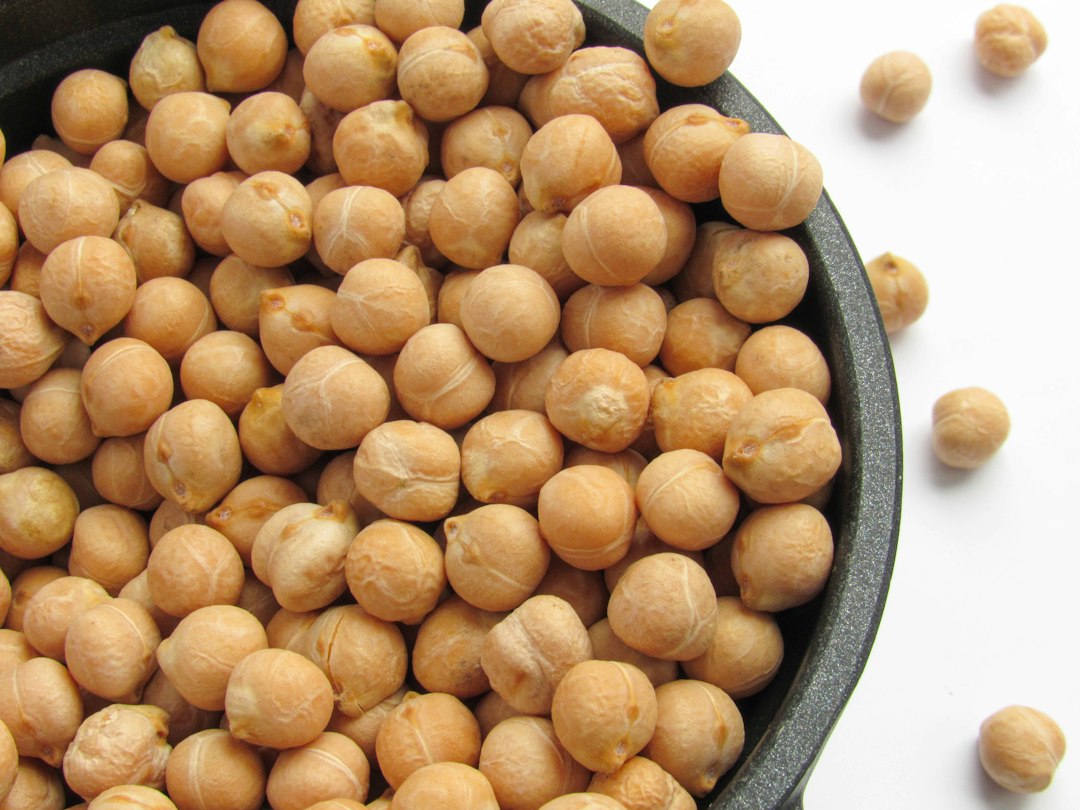
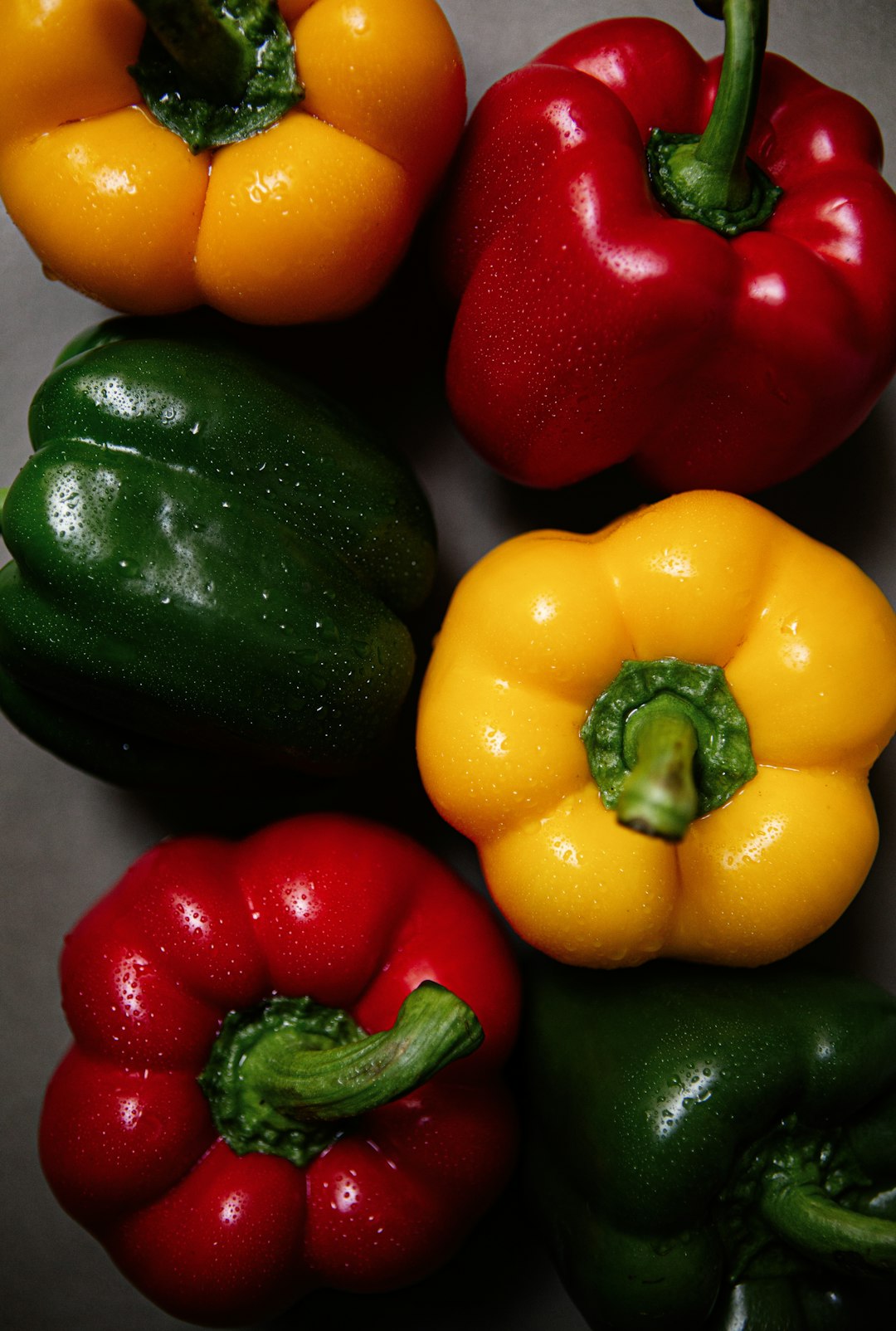
Open the cans before heating the pan
Use all the crushed tomatoes, but drain and rinse the chickpeas. The 28-ounce tomato can is not interchangeable with concentrated tomato paste or seasoned pasta sauce. Use the measured ¼ cup water to rinse tomato left in the can into the skillet; do not add another can of water.
Take the ½ cup chickpeas for mashing from the beans already listed. Keep the tomatoes beside the stove so they can go in promptly after the garlic and spices. Check a cooled piece of pepper for tenderness before moving on from the vegetable stage.
What makes the sauce creamy without cream?
A small portion of the chickpeas is mashed into the tomato sauce. The mashed beans give it body while the remaining whole chickpeas provide texture. Olive oil rounds out the flavor, and gentle simmering removes excess water. The result is a thick tomato sauce, rather than a dairy-style cream sauce. You do not need a blender, coconut milk or a flour slurry.
Crushed tomatoes work well because they surround the chickpeas evenly. Whole canned tomatoes need breaking up first, while diced tomatoes tend to leave a chunkier sauce. Choose plain tomatoes so you can control the oregano, paprika and salt. Canned beans and tomatoes vary in seasoning, so taste before adding the final salt.
How to choose and prepare the chickpeas
Use plain canned chickpeas rather than chickpeas in a prepared curry or other sauce. Rinsing washes away packing liquid and helps keep the tomato flavor clear. Drain them well so the skillet does not receive an unmeasured addition of water. Handle them gently once they are in the pan; aggressive stirring breaks the whole beans into the sauce.
Home-cooked chickpeas can be used when they are fully tender. Measure approximately 3 cups drained cooked beans in place of the two cans. Dry chickpeas cannot be added directly to this skillet: the short simmer and small water quantity are not a bean-cooking method. Prepare dry beans separately using an appropriate recipe before making this meal.
Adjustments that keep the method practical
For a milder flavor, use sweet paprika in place of smoked paprika. For heat, add a small pinch of red pepper flakes with the garlic. A little heat is easy to add at the table, so start modestly if you are serving people with different preferences.
For a two-serving batch, halve the ingredients and use a 10-inch skillet. The pepper still needs to soften, so use the same tenderness cues rather than simply cutting every cooking time in half. A smaller batch may reduce more quickly; check the sauce frequently and add water sparingly.
The listed ingredients contain no dairy, but check packaged ingredients when dietary restrictions matter. Rice can make an appropriate serving choice for someone avoiding wheat if all ingredient labels and household cross-contact precautions fit their needs. Bread does not make the meal gluten-free.
Fix a watery, thick or sharp sauce
Watery: Keep the skillet uncovered and simmer gently. Stir across the bottom to prevent sticking. Tomato brands vary, so reduction may take longer than the estimate. Do not add flour just to meet the clock.
Too thick: Add water a tablespoon at a time and stir before deciding whether it needs more. Mashed chickpeas continue thickening the mixture as it stands. If serving over rice, leave the sauce slightly looser so it moistens the grains.
Too sharp: Taste before adding lemon. If the tomatoes are already tart, you may prefer to omit the finishing juice. Additional salt can change the balance, but add it gradually. A heavily sweetened sauce is a different flavor direction, so avoid using sugar as the automatic first correction.
Storage and serving another day
Transfer leftovers to shallow containers and refrigerate promptly at 40°F or below. Follow FoodSafety.gov refrigeration guidance: do not leave perishable food out for more than two hours, or more than one hour above 90°F. Keep rice and sauce in separate containers for easier portioning, and follow the storage limits of the earliest-prepared ingredient.
As a conservative meal-prep target, plan to use refrigerated portions within three days. Reheat only what you need, adding a splash of water to loosen the sauce. Stir during heating and check several places with a food thermometer; leftovers should reach 165°F throughout. Reheating cannot correct improper storage.
More pantry dinners
For another bean-based meal, try one-pot salsa rice with black beans and frozen corn. For a cold lunch with chickpeas, see make-ahead chickpea salad pita pockets without mayo. Both offer a different way to use familiar pantry ingredients.