PANTRY SUPPER
One-pot salsa rice with black beans and frozen corn turns a short list of pantry staples into a warm, filling family dinner. Uncooked long-grain white rice simmers in vegetable broth and salsa, while canned black beans and frozen corn make the skillet substantial without another pot. Finish with lime and a topping everyone can add at the table. The method is straightforward, but the rice needs a tight lid and a quiet simmer: those two details matter more than an exact minute on the clock.
This is a meatless main dish, not a side of plain rice with a few beans stirred in. Salsa seasons the cooking liquid all the way through, the beans give each serving body, and the corn adds sweetness. Use a salsa your family already likes. A mild jar keeps the base gentle, and hot sauce can go on individual plates.
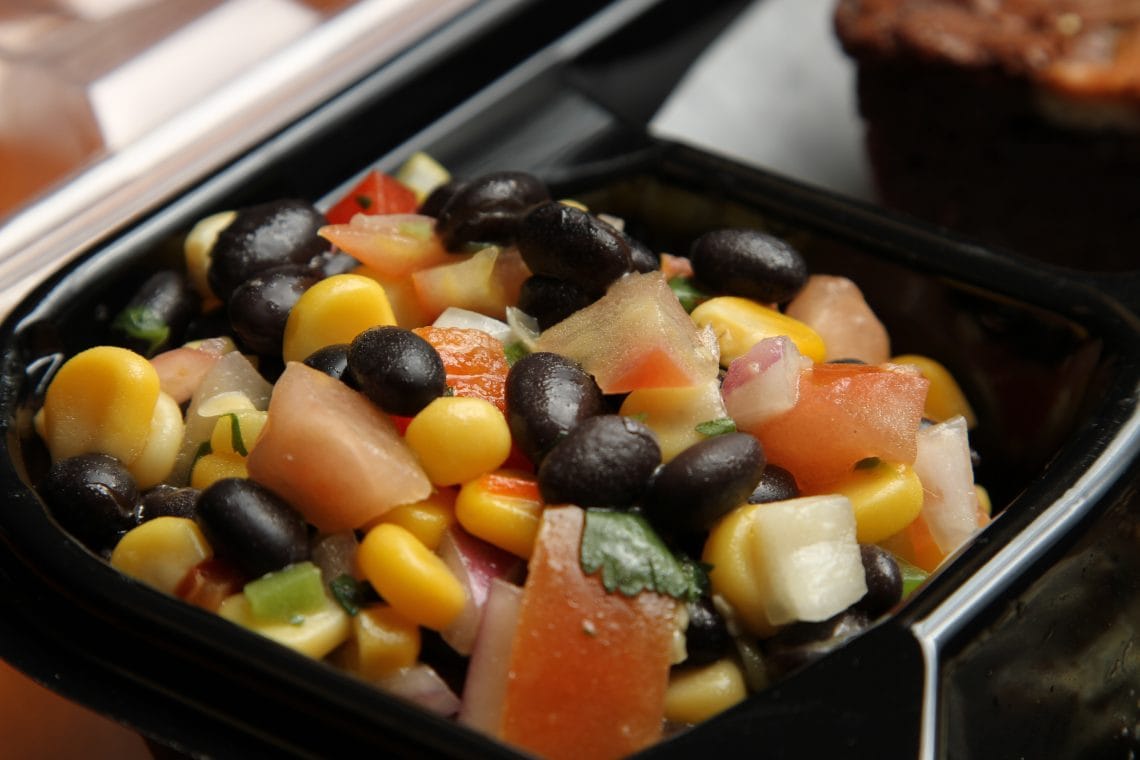
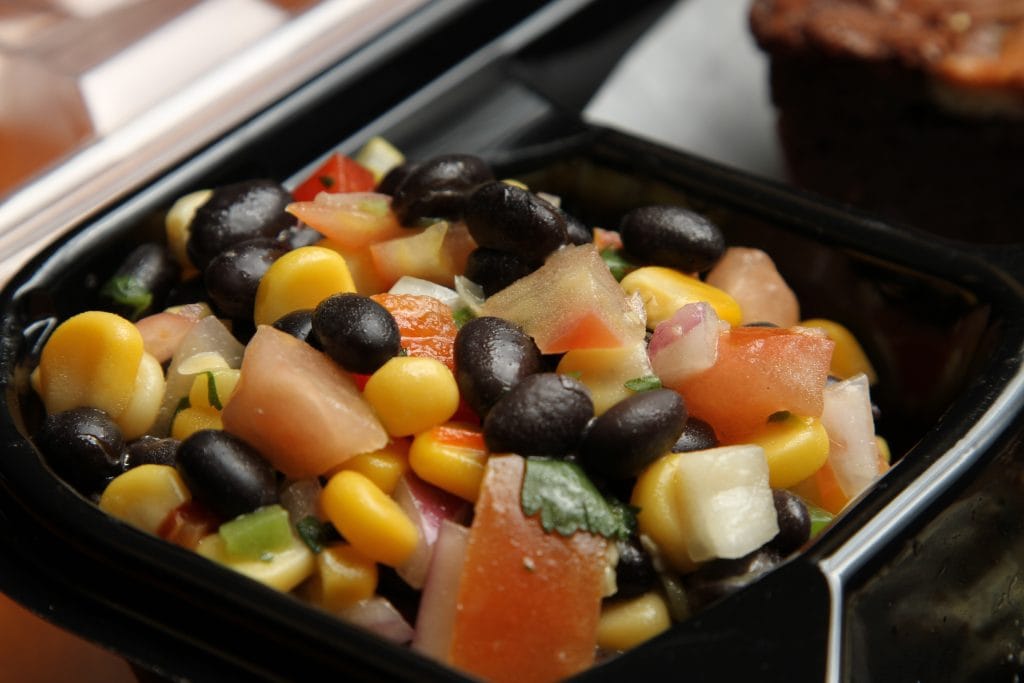
The featured image is a corn-and-black-bean salad, shown as ingredient inspiration; it is not the finished rice.
One-Pot Salsa Rice with Black Beans and Frozen Corn: Recipe at a Glance
- Yield: 4 generous main-dish servings or 6 smaller portions.
- Prep time: about 10 minutes.
- Cook time: about 25 minutes, plus a 10-minute covered rest.
- Equipment: a deep 10- to 12-inch skillet or 3- to 4-quart pot with a tight-fitting lid, measuring cup, spoon, and fork.
- Key cue: the rice is tender, no hard center remains, and most visible liquid has been absorbed.
Times are estimates for regular long-grain white rice in a heavy pan. Stove burners, salsa thickness, and rice brands vary. This recipe has not been kitchen-tested by Family Recipe HQ; check that the rice has no hard center and use the troubleshooting directions if it needs more liquid or time.
Ingredients
- 1 tablespoon olive oil
- 1 small yellow onion, finely diced (about 3/4 cup)
- 2 garlic cloves, minced
- 1 cup uncooked regular long-grain white rice, rinsed and drained
- 1 cup chunky tomato salsa, mild or medium
- 1 3/4 cups low-sodium vegetable broth
- 1 can (15 ounces) black beans, drained and rinsed
- 1 cup frozen corn kernels, with large frozen clumps broken apart
- 1 teaspoon ground cumin
- 1/2 teaspoon mild chili powder blend
- 1/4 teaspoon salt, plus more only after tasting
- 1 lime, cut into wedges
- Optional toppings: sliced green onions, chopped cilantro, diced avocado, shredded cheese, or plain yogurt
The broth and salsa are both cooking liquid. Do not swap in an equal volume of dry tomato paste or a very thick sauce without reworking the liquid balance. A loose, pourable salsa is the most predictable choice. Low-sodium broth makes it easier to adjust salt at the end because jarred salsa and canned beans vary widely.
How to Make It
- Prepare the ingredients before heating the pan.
Dice the onion, mince the garlic, and rinse the beans in a colander. Measure the rice before rinsing it. Let excess rinse water drain off; a small amount clinging to the grains is fine, but a puddle changes the amount of liquid in the skillet. Break up any solid block of frozen corn so the kernels can warm evenly.
- Soften the onion and bloom the seasonings.
Heat the olive oil in a deep skillet over medium heat. Add the onion and cook, stirring occasionally, until it softens, about 4 to 5 minutes. Add the garlic, cumin, and chili powder blend; stir for about 30 seconds, just until fragrant. Garlic should not brown. If the pan looks dry or the spices start sticking, lower the heat and add a tablespoon of broth.
- Coat the rice and add the cooking liquid.
Stir in the drained rice for about 1 minute so the grains are coated in the seasoned oil. Pour in the salsa and vegetable broth, scraping the bottom of the skillet to release any flavorful bits. Stir in the black beans, frozen corn, and 1/4 teaspoon salt. Distribute the rice evenly rather than leaving a mound in the center; grains above the liquid can cook unevenly.
- Bring to a simmer, then cover.
Increase the heat until the liquid reaches a full simmer. Stir once, cover tightly, and reduce the heat to low. Simmer gently for about 18 to 20 minutes. A few quiet bubbles are enough; a hard boil can scorch the bottom before the rice is done. Resist repeatedly lifting the lid, because steam is doing much of the cooking.
- Check the rice, then let it rest.
At about 18 minutes, lift the lid briefly and taste a spoonful from the center. If the rice is still firm and the pan is dry, add 2 to 3 tablespoons hot water, cover, and continue simmering in short intervals. If the rice is tender but a little liquid remains, turn off the heat and leave the lid on. Once tender, rest the pan off heat for 10 minutes. Fluff gently with a fork, taste, and add salt only if needed. Serve with lime wedges and chosen toppings.
Which liquid belongs in the rice pot?
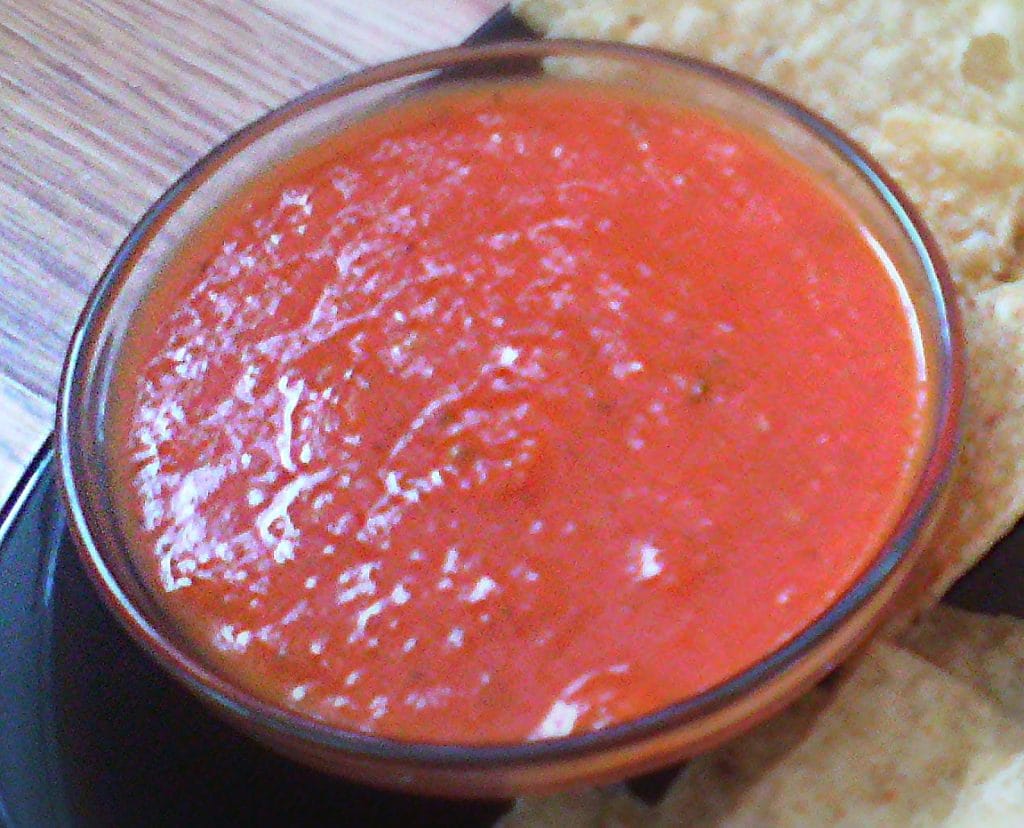
The starting measurements count salsa as well as broth. Adding a rice package’s full water amount on top of those ingredients would change the formula. Use the listed regular long-grain white rice and the measured liquids below, then make small finishing adjustments based on the grain.
| Ingredient | What is measured | What to do before adding it |
|---|---|---|
| Rice | 1 cup, dry | Rinse after measuring, then drain. |
| Salsa | 1 cup | Use a pourable tomato salsa, including its liquid and pieces. |
| Broth | 1¾ cups | Measure separately; this is not extra water in addition to another rice-water ratio. |
| Black beans | One 15-ounce can | Drain and rinse; leave the canning liquid out. |
The salsa and broth total two and three-quarter cups by volume, but salsa contains vegetable solids. That total is not a claim that the recipe contains two and three-quarter cups of pure water, nor does it make every salsa equally interchangeable.
Keep adjustment liquid separate
When the onion or spices need the suggested tablespoon of broth to prevent sticking, take it from the measured broth. Keep extra hot water nearby for the later rice check instead of adding it preemptively. A thick salsa may need an adjustment, but there is no reason to loosen a batch whose rice is already tender.
Use the same salsa and rice brand when comparing batches, and note any extra tablespoons used. Changing the salsa, rice type, pan, and water together makes it difficult to tell which change affected the result.
Ingredient Choices That Change the Result
Choose ordinary long-grain white rice
Rice varieties do not all absorb liquid or soften at the same rate. Our guide to choosing and cooking 10 types of rice explains the differences. For this one-pot recipe, keep the specified long-grain white rice so the broth, salsa, and simmering time work together.
Use regular long-grain white rice for the stated amounts. Basmati brands differ in absorption and cooking time, so do not assume the same liquid balance; follow a recipe written for basmati if you want that variety.
Use a salsa that is pourable, not pasty
Chunky tomato salsa adds seasoning and moisture. Brands vary: some are watery, others are thick and loaded with diced vegetables. If yours is especially thick, keep hot water nearby and check the skillet toward the end. If it is very thin, let the covered rest absorb remaining moisture before deciding the rice needs more heat. Avoid very sweet salsa if you want a savory dinner.
Pick the beans and corn for convenience
Drain and rinse the canned beans so their canning liquid does not change the rice’s liquid balance. Break apart frozen corn clumps and heat the corn thoroughly in the rice, following any cooking directions on its package. Drained canned corn can replace frozen corn; compare the seasoning after cooking because its salt level may differ.
Common Problems and How to Fix Them
| What you notice | What to do |
|---|---|
| The rice is firm but the skillet is dry | Turn the heat low, add a few tablespoons of hot water, cover tightly, and cook for another 2 to 3 minutes before checking again. A loose lid, high flame, or especially thick salsa can make the water disappear early. Add liquid in small amounts so you do not turn the finished dish into soup. |
| The rice is tender but the mixture looks wet | Leave the skillet covered off heat for its full 10-minute rest. That pause can settle the remaining moisture. If liquid still pools after resting, uncover and warm gently for a minute or two while watching the bottom closely. Do not stir aggressively; the beans and rice can turn mushy. |
| The bottom is catching | Lower the heat immediately. A heavy-bottomed skillet and a burner no wider than the base both help. Do not scrape a burnt layer into the dinner; transfer the unburnt portion to another pan if needed. A faintly toasted bottom is different from a bitter, blackened one. |
| The flavor is flat or too spicy | For flat flavor, add a squeeze of lime and taste before reaching for more salt. The acid can brighten the salsa and beans. For heat, offer plain yogurt or avocado at the table rather than diluting the entire skillet. Children and guests can then adjust their own bowls. |
Serving Ideas for a Family Dinner
Spoon the rice into wide bowls and set out a small topping bar. Green onions and cilantro add freshness, avocado adds richness, and a little shredded cheese makes the dish feel especially comforting. Lime is more useful than it seems: it brightens a pantry-heavy meal just before serving. If the main dish is mild, hot sauce can stay on the side.
For a crunchy contrast, add tortilla chips at the table rather than into the pot. You could also serve it beside roasted asparagus with lemon zest when asparagus is in season. A small spoonful of quick pickled onions gives each bowl a sharp finish. If your family likes a soup-and-rice meal, the site’s taco soup with ranch seasoning is a separate dinner idea with a similar pantry-friendly spirit.
The recipe is also useful for a casual family table because toppings make one skillet flexible. A person who avoids dairy can skip cheese, while someone wanting extra richness can add it. Check labels on broth, salsa, and toppings if you are cooking for an allergy or dietary restriction; the base is only as suitable as the products you use.
Make-Ahead, Storage, and Reheating
Rice and beans are best fluffed and served soon after cooking, but leftovers can become lunch. Transfer the food to shallow containers and refrigerate within 2 hours of cooking. FoodSafety.gov advises using cooked leftovers within four days and reheating them to 165°F (74°C). For a family meal plan, date the container so no one has to guess when it was made.
To reheat a portion on the stovetop, add a spoonful of water to a covered pan, warm gently, stir, and check the center with a food thermometer. In the microwave, cover loosely, heat in short rounds, stir to reduce cold spots, and check that the food reaches 165°F. Add fresh toppings only after reheating. This keeps avocado, herbs, and chips from losing their texture.
Freezing a fully cooled portion is possible, but rice can soften on thawing. Pack in shallow, well-sealed portions and label them. Thaw in the refrigerator or reheat directly from frozen, then check the center temperature. A small splash of water helps restore moisture. Do not leave a large pot cooling on the counter for hours; divide it for prompt chilling.
Food-safety reference: USDA guidance for cooling, storing and reheating leftovers. Use the earlier deadline when an ingredient was prepared before this meal.
Editorial Source and Testing Note
The rice, salsa, and broth proportions were adapted from Budget Bytes’ Southwest Chicken Skillet. This meatless variation has not been kitchen-tested by Family Recipe HQ. Cooling and reheating guidance follows USDA food safety basics; actual rice texture, salsa moisture, and pan size determine the finishing adjustments.