Six folded quesadillas · breakfast prep
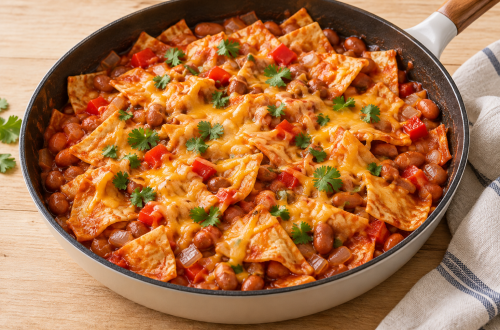
A savory breakfast does not need scrambled eggs to feel complete. These make ahead breakfast quesadillas without eggs combine tender potatoes, black beans, sweet pepper, onion, and cheddar in folded flour tortillas. The filling is designed to be substantial without becoming so wet that the tortillas lose their crisp edges.
This is a development recipe that has not yet been kitchen-tested. Preparation and cooking times are estimates; follow the texture cues below and adjust the heat for your skillet. The recipe makes six folded quesadillas, so you can serve a few immediately and refrigerate or freeze the remainder for another morning.
At a glance
- Yield: 6 folded 8-inch quesadillas
- Estimated preparation: 20 minutes
- Estimated cooking: 30–40 minutes, depending on skillet capacity
- Estimated total: 50–60 minutes, plus refrigeration if preparing ahead
Make ahead breakfast quesadillas without eggs
Ingredients
- 6 flour tortillas, each 8 inches across
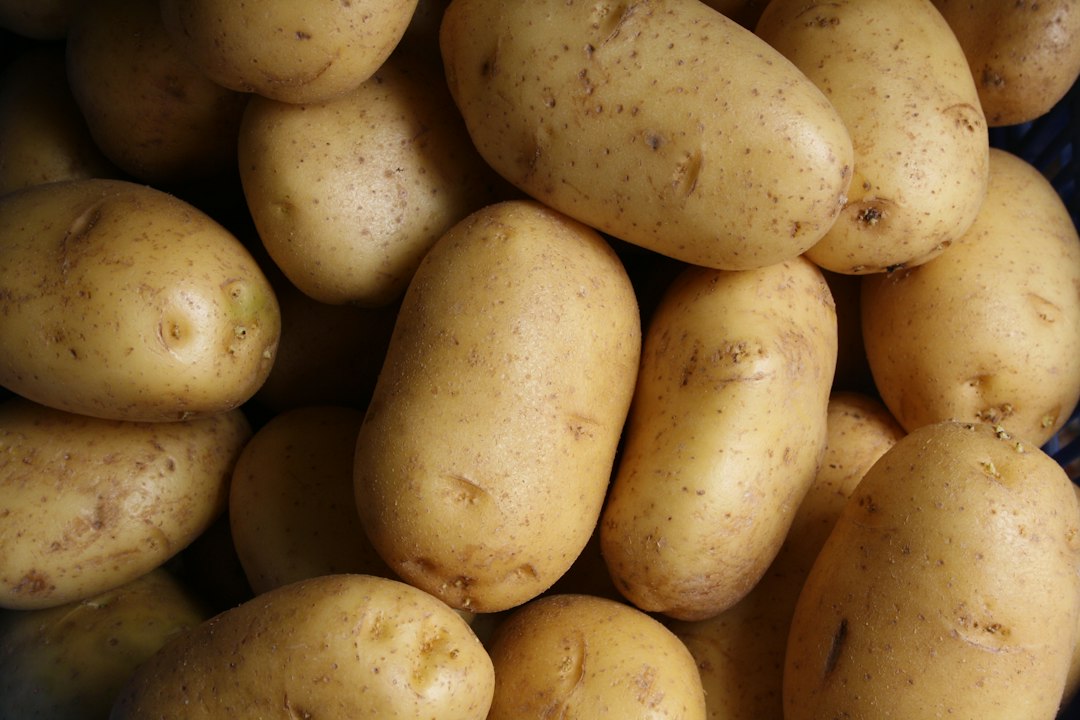
- 340 g (12 ounces) potatoes, peeled and cut into 1/4-inch dice
- 1 can black beans, 15 ounces, rinsed and thoroughly drained
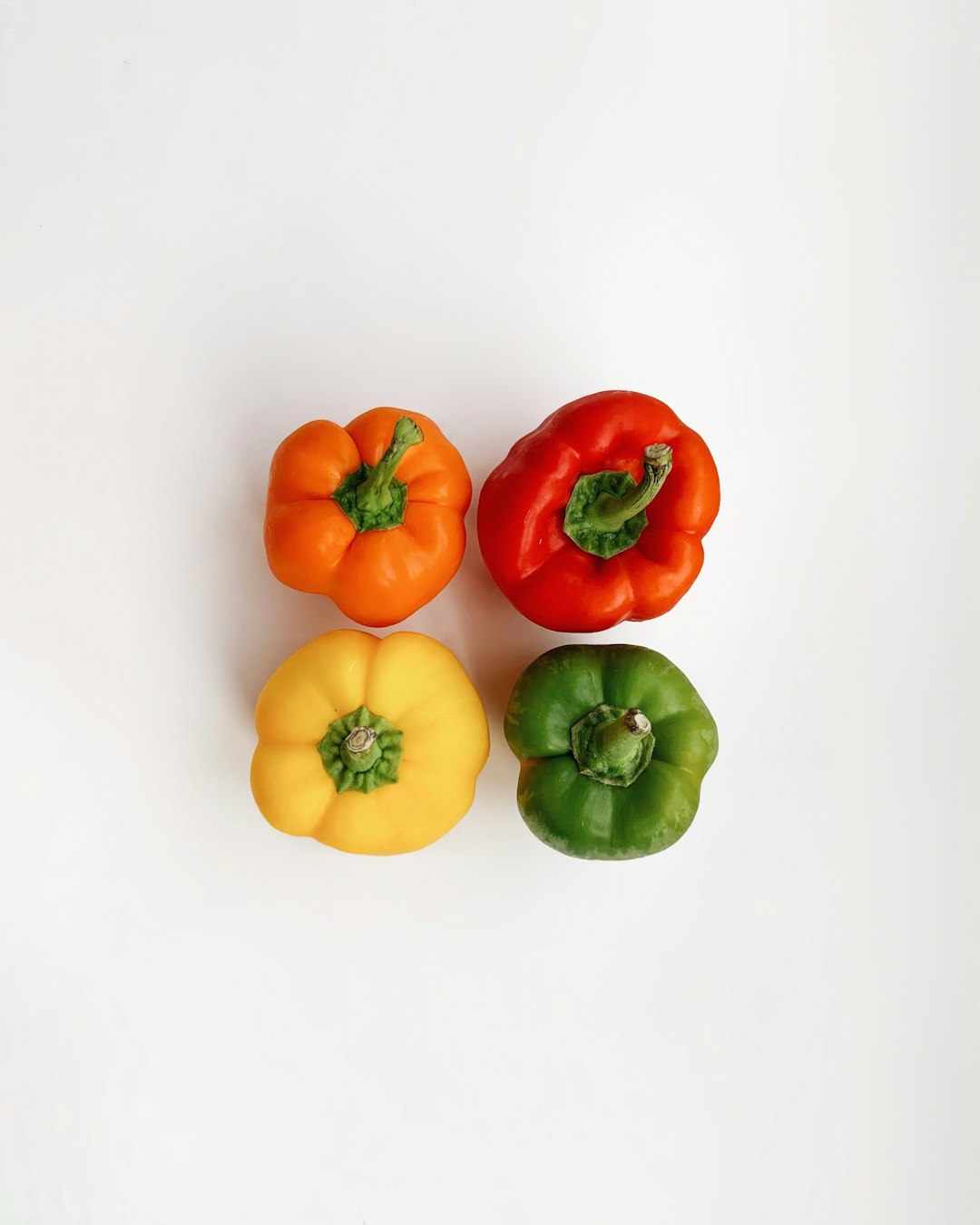
- 1 small bell pepper, finely diced
- 1/2 small onion, finely diced
- 170 g (6 ounces) cheddar cheese, shredded
- 2 tablespoons neutral cooking oil, divided
- 1 teaspoon ground cumin
- 1/2 teaspoon paprika
- 1/2 teaspoon salt, or to taste
- 1/4 teaspoon ground black pepper
- Salsa, for serving separately
Equipment
Use a saucepan, colander, large skillet, spatula, shallow storage containers, and a food thermometer for reheating. A wide skillet that can fit two folded tortillas speeds up the batch; work in smaller batches if necessary.
Method
- Parboil the potatoes. Place the diced potatoes in a saucepan and cover with water. Bring to a gentle boil and cook approximately 5–7 minutes, until a piece yields to a fork but still holds its shape. Drain thoroughly. Let excess steam escape briefly while you start the vegetables.
- Soften the onion and pepper. Heat 1 tablespoon oil in a large skillet over medium heat. Add the onion and bell pepper. Cook, stirring, approximately 5–7 minutes, until softened. Reduce the heat if the onion begins to burn before the pepper softens.
- Finish the filling. Add the potatoes, cumin, paprika, salt, and black pepper. Cook for approximately 3–5 minutes, turning gently, until the potatoes are fully tender and visible moisture has evaporated. Add the drained black beans and mash some against the skillet with your spatula. Stir and heat through. Taste and adjust seasoning.
- Manage the heat and moisture. Remove the filling from the heat. For immediate cooking, let it stop vigorously steaming before assembly. For advance preparation, transfer it promptly to shallow containers and refrigerate; do not leave it on the counter until completely cold.
- Fill and fold. Divide the filling into six equal portions. On one half of each tortilla, layer half of that tortilla’s cheese, one portion of filling, then its remaining cheese. Divide the total cheese evenly among all six tortillas. Leave a small border and fold the empty half over the filling.
- Cook the quesadillas. Wipe the skillet if needed. Use the remaining tablespoon oil sparingly across the batches. Cook over medium heat for approximately 2–3 minutes per side, until golden and the cheese melts. Lower the heat and extend cooking if the outside browns too quickly. Handle the folded edge with the spatula when turning.
- Serve or store. Serve warm with salsa on the side. If saving cooked quesadillas, arrange them in shallow containers and refrigerate promptly rather than stacking a hot batch tightly together. Follow the storage guidance below.
Label from the first cooking day
Keep salsa separate and label the stored batch with the day the filling was cooked. Adding fresh tortillas or cheese later does not restart the storage clock. For reheating, a browned tortilla shows crispness; a thermometer reading in the filling checks that the center has reached 165°F.
Why This Filling Works for Breakfast
Potatoes provide a familiar breakfast base, while black beans give the filling body. Partially mashing the beans helps hold the vegetables together without adding a sauce. Cheddar melts around the filling and helps the folded tortillas stay closed. Keeping salsa outside the quesadillas protects the tortillas from unnecessary moisture during storage.
Small potato pieces matter here. Quarter-inch dice cook more evenly and distribute through the filling instead of creating large lumps that make the tortillas difficult to fold. Drain the beans thoroughly and cook off visible moisture from the vegetables before assembling.
Six tortillas, evenly filled
Divide the filling and cheese before you begin folding. A heavily filled first quesadilla and a nearly empty last one will heat differently, even in the same skillet. Consistent portions make both cooking and reheating easier to judge.
| Component | For the full batch | How to divide it |
|---|---|---|
| Potato and bean filling | All of the prepared filling | Six similar portions |
| Shredded cheddar | 170 g / 6 ounces | About 28 g / 1 ounce per tortilla, split above and below the filling |
| Oil for toasting | The remaining 1 tablespoon | A thin coating shared across all cooking batches, not 1 tablespoon per tortilla |
Spread the filling across half the tortilla rather than concentrating it in a thick strip beside the fold. Leave a clear border around the open edge. The cheese underneath helps the filling make contact with the bread, while the cheese above contacts the folded-over half.
Two Ways to Prepare Them Ahead
Prepare the filling first: Refrigerate the cooked filling in a shallow container and keep the tortillas and cheese separate. Assemble only the amount you need, then cook in the skillet. This approach helps preserve tortilla texture and lets you portion breakfast as needed. Bring the refrigerated filling to 165°F when reheating it.
Cook the whole batch: Refrigerate the finished quesadillas promptly. Once chilled, separate them with parchment and transfer to a covered container. For freezing, wrap chilled quesadillas individually and place them in a freezer-safe bag with the date. This recipe has not been tested for long-term freezer texture; start with a small trial batch and use within one month as a quality target.
Storage and Reheating
Following USDA leftover-handling guidance, refrigerate at 40°F or below within two hours of preparation, or within one hour above 90°F. Use refrigerated leftovers within 3–4 days; count from the day the filling was first cooked. Freeze for longer storage.
Thaw frozen quesadillas overnight in the refrigerator. Reheat gently in a skillet, turning as needed; a brief covered phase can help warm the center, followed by uncovered cooking to crisp the tortilla. Alternatively, microwave to heat the filling, then finish in a skillet. Appliance power, thickness, and starting temperature vary, so rely on a thermometer rather than a fixed reheating time.
USDA recommends reheating leftovers to 165°F throughout. Check several places in the filling, including the center. Reheat only the portions you intend to eat.
Fixing Soggy or Overfilled Quesadillas
If the filling looks watery, keep cooking it uncovered before assembly. Wet beans, underdrained potatoes, and salsa inside the tortilla can all contribute moisture. If the tortilla browns while the middle stays cool, turn down the heat and allow more time. A thick mound of filling also makes even warming harder; spread each portion evenly across half the tortilla.
Frequently Asked Questions
Can I use another cheese?
Monterey Jack or a cheddar-Jack blend can replace cheddar by weight. Choose a cheese that melts well. Dairy-free substitutes vary, so their melting performance requires a separate trial.
Are these suitable for an egg allergy?
The listed recipe contains no eggs, but check tortilla and other ingredient labels and follow the allergen precautions appropriate to your household. An egg-free ingredient list does not establish freedom from cross-contact.
What other breakfasts can I prepare ahead?
For another portable option, see make-ahead chickpea salad pita pockets without mayo. For households that do eat eggs, sheet-pan egg sandwiches with spinach and cheddar offer a different approach; that recipe contains eggs.