Pantry recipe / Soft polenta, lemon-garlic chickpeas
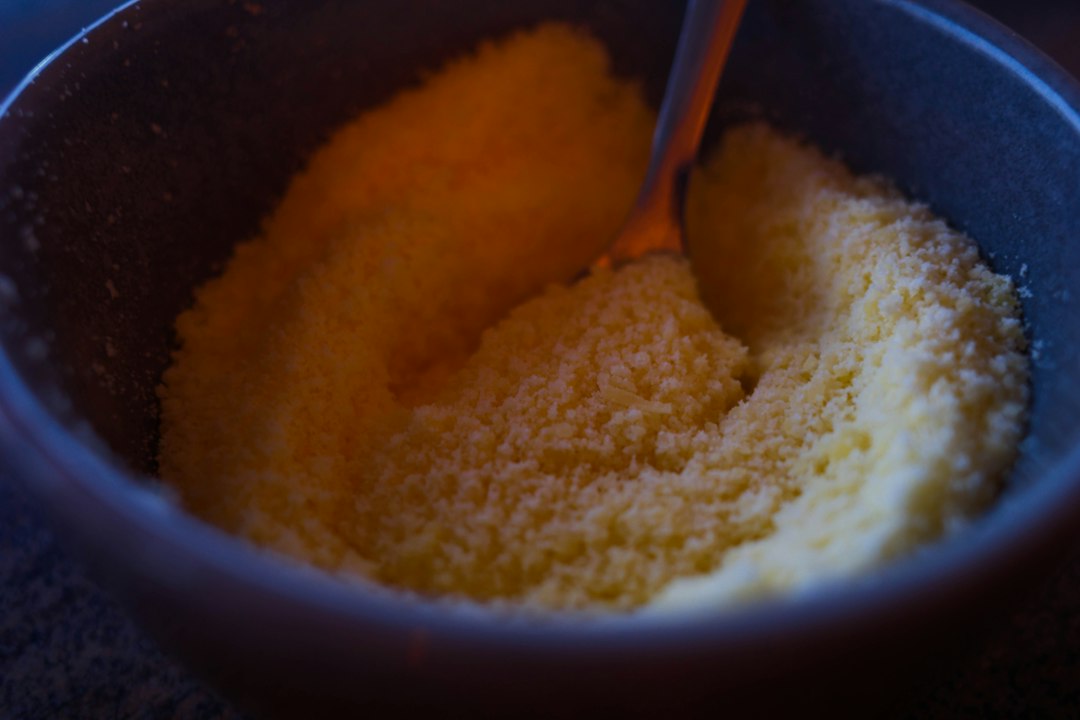
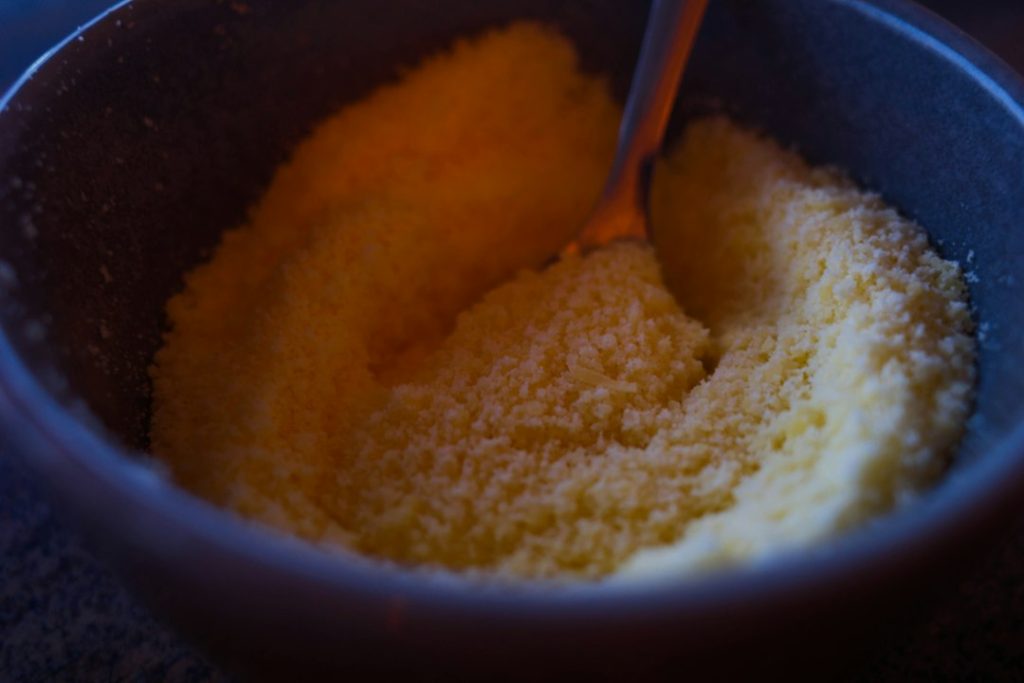
Featured photo: dry cornmeal in a bowl, shown as an ingredient reference rather than the prepared recipe. Photo by 0xk on Unsplash.
A spoonful of warm chickpeas and lemon-garlic broth turns soft polenta into a complete bowl rather than a plain side. These chickpea polenta bowls without tomatoes use a few mashed chickpeas to give the topping body, with spinach folded in near the end. The result is designed around contrasting textures: smooth cornmeal beneath beans that retain their bite.
Look for dry instant or quick-cooking polenta for the timing below. A precooked tube is meant to be sliced, while regular coarse polenta needs a longer simmer. Check the package before starting so you can plan the topping around the polenta’s cooking time.
Recipe status: Cooking times are estimates. This editorial update is not a documented kitchen test; use the product directions and texture checks below.
Chickpea polenta bowls without tomatoes: recipe
- Yield: 2 generous servings
- Estimated prep: 10 minutes
- Estimated cooking: 15–20 minutes, depending on the polenta package
- Estimated total: 25–30 minutes
- Equipment: saucepan, skillet, whisk, spoon
Ingredients
For the polenta
- 1/2 cup dry instant polenta
- 2 cups water or low-sodium vegetable broth, adjusted if the package specifies a different ratio
- 1 tablespoon olive oil
- 1/4 teaspoon fine salt, or to taste
For the chickpea topping
- 1 can (15 ounces) chickpeas, drained and rinsed
- 1 tablespoon olive oil
- 2 garlic cloves, finely minced
- 1/2 teaspoon dried oregano
- 1/4 teaspoon black pepper
- 1/2 cup low-sodium vegetable broth, plus more if needed
- 2 packed cups fresh baby spinach, washed if the package does not say ready-to-eat, and roughly chopped
- 1 teaspoon lemon zest
- 2 teaspoons lemon juice, plus more to taste
- Salt to taste
- Optional: chopped parsley or grated Parmesan for serving
Method
- Check the polenta package. Confirm the recommended liquid ratio and cooking time. The amounts here suit many instant products, but the manufacturer’s directions take priority.
- Start the chickpeas. Heat oil in the skillet over medium heat. Add garlic and stir for about 30 seconds, just until fragrant. Add oregano, pepper, chickpeas, and broth. Bring to a gentle simmer.
- Create a little sauce. Mash about 2 tablespoons of the chickpeas against the side of the pan. Stir them back in and simmer 5–7 minutes. The liquid should lightly coat the beans rather than disappear completely. Add another splash of broth if needed.
- Cook the polenta. Bring the measured water or broth to a simmer in the saucepan. Pour in the instant polenta slowly while whisking. Reduce the heat and cook according to the package, stirring frequently until smooth and no longer gritty. Stir in oil and salt.
- Coordinate the pans. If the polenta is ready before the chickpeas, cover it off the heat briefly and whisk in a splash of hot water just before serving. If the chickpeas finish first, keep them over very low heat and loosen with broth as needed.
- Finish the topping. Add spinach to the chickpeas and cook for 2–3 minutes, until wilted and hot. Remove from the heat and stir in lemon zest and juice. Taste and adjust salt and acidity.
- Build the bowls. Divide soft polenta between two bowls. Spoon chickpeas, spinach, and their cooking liquid over the top. Add optional parsley or Parmesan and serve promptly.
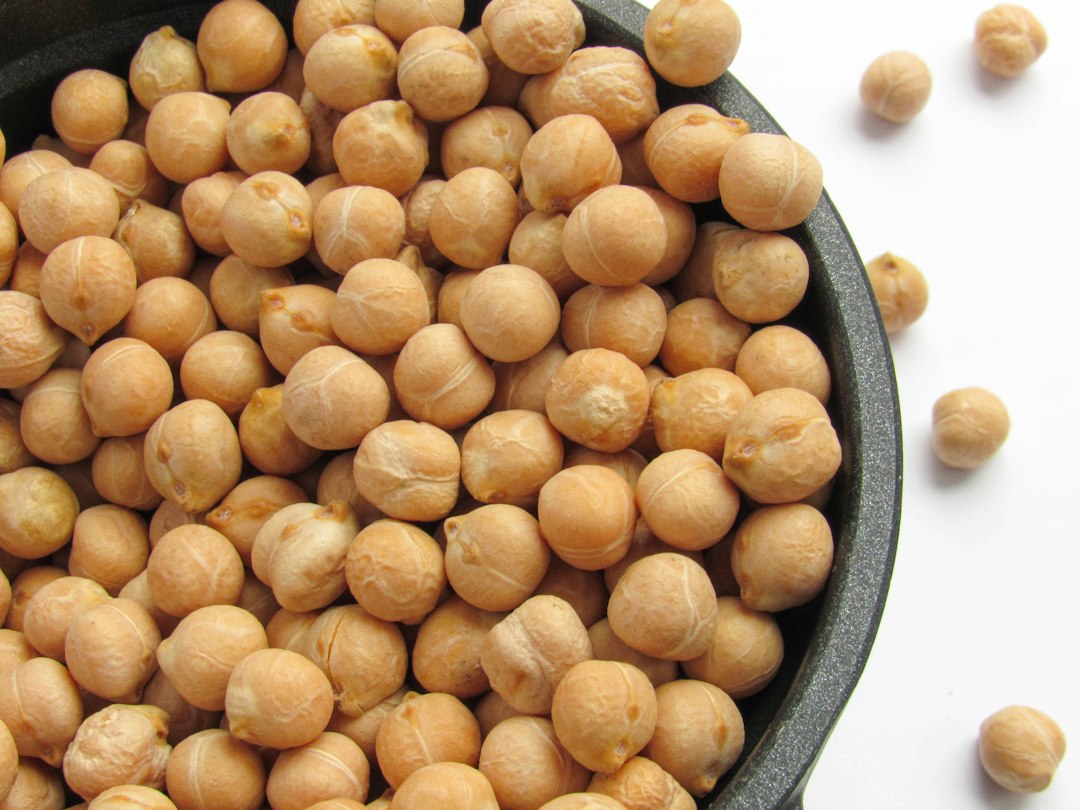
What replaces the tomato sauce?
The topping gets its body from a few mashed chickpeas and a small amount of reduced broth. It is a light, savory coating rather than a thick red sauce. Lemon added at the end provides freshness, while garlic and oregano flavor the beans as they warm.
Do not boil the skillet dry. Polenta thickens as it sits, and the topping’s cooking liquid helps keep the bowl pleasant to eat. If the chickpeas look dry before serving, add 1–2 tablespoons broth and stir over low heat.
A simple way to check the polenta liquid
Read the package ratio before filling the saucepan. The recipe’s ½ cup dry polenta and 2 cups liquid represent a four-to-one ratio by volume. That is a starting point for a product that calls for that ratio, not a rule for every bag labeled polenta.
Worked example: If your package calls for 3 cups liquid for 1 cup dry polenta, halve both measurements for this recipe: use 1½ cups liquid for ½ cup polenta. The separate ½ cup broth for the chickpea topping stays separate; it is not part of the polenta calculation.Measure dry grain with a dry measuring cup and liquids in a marked liquid measure. Keep the topping broth beside the skillet rather than the saucepan so it does not accidentally become part of the grain’s water. This is especially useful when you are preparing both components at the same time.
Thickness and tenderness are different checks
A polenta mixture can become thick before its grains have softened. Taste a small, cooled spoonful rather than deciding that a stiff texture means it is ready. If the grains are still gritty, follow the package cooking time and add hot liquid in small amounts as needed. Simply turning up the heat can make the base catch while the grains remain firm.
When the grains are tender, the serving consistency is your next check. Spoonable polenta should spread slowly into the bowl rather than sit as a rigid lump. Make that adjustment in the saucepan before topping it. The lemon-garlic chickpea broth then becomes a flavorful finishing layer, rather than a last-minute attempt to rescue an overly stiff base.
Choose the right kind of polenta
Instant polenta is processed to cook quickly. Regular coarse-ground polenta generally takes much longer and may need a different liquid amount. You can use regular polenta, but follow its package directions and start it before making the topping.
A precooked polenta tube is already firm and hydrated. For that product, slice and pan-sear it according to the package, then serve the chickpeas over the slices. Do not measure it as though it were dry grain or use the water ratio listed here.
Substitutions and serving ideas
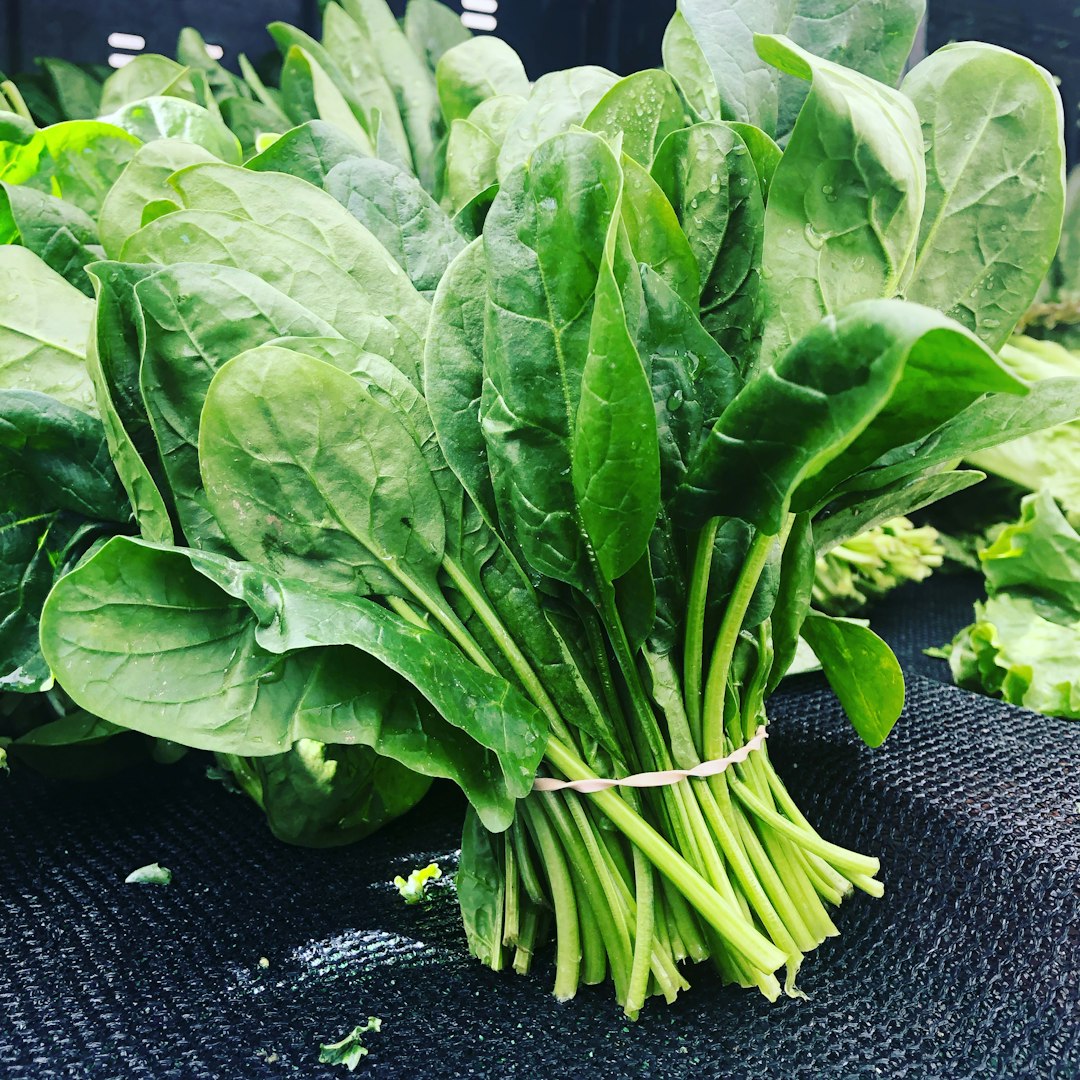
White beans can replace chickpeas for a softer topping. Frozen spinach can replace fresh spinach if it is cooked according to its package, squeezed of excess moisture, and stirred into the beans until fully hot. Adding it wet can make the topping watery.
For a meal without dairy ingredients, omit Parmesan and check the broth label. Corn itself does not contain gluten, but anyone needing a gluten-free meal should check the polenta and broth for labeling and cross-contact information. This recipe contains no tomatoes, but the lemon still adds acidity; adjust it for taste rather than treating the recipe as medical dietary advice.
How to fix lumps, stiffness, or a thin topping
- Polenta has lumps: whisk the grain into simmering liquid in a slow stream instead of adding it in one pile.
- Polenta is gritty: cook longer according to the product directions and add liquid as needed.
- Polenta turns stiff: whisk in a little hot water before portioning.
- Topping is thin: mash a few more chickpeas and simmer briefly.
- Lemon overwhelms the meal: begin with the measured amount, then increase only after tasting the combined bowl.
Storage and reheating
The handling limits below follow USDA guidance on leftovers and food safety. Check reheating temperature with a food thermometer in more than one spot.
Store the two components of these chickpea polenta bowls without tomatoes separately if possible. Refrigerate promptly in shallow containers within 2 hours, or within 1 hour above 90°F. Keep at 40°F or below and use within 3–4 days. Reheat leftovers to 165°F. Polenta firms when chilled; loosen it in a saucepan with small additions of water while stirring. Warm the chickpeas separately with a splash of broth, then combine.
More bean-based family meals
For another pantry dinner, see our canned lentil rice skillet with frozen vegetables. Our collection of easy bean and lentil recipes provides more ways to use shelf-stable ingredients.
Printable recipe
Print the measured ingredients and step-by-step instructions using the recipe card below.
THE COMPLETE RECIPE
Chickpea Polenta Bowls Without Tomatoes
Yield: 2 generous servings
Ingredients
- 1/2 cup dry instant polenta For the polenta; not a precooked tube.
- 2 cups water or low-sodium vegetable broth For the polenta. Adjust if the polenta package specifies a different ratio.
- 1 tablespoon olive oil For the polenta.
- 1/4 teaspoon fine salt For the polenta, or to taste.
- 1 can chickpeas 15 ounces; drained and rinsed. Use cooked canned chickpeas, not dried beans.
- 1 tablespoon olive oil For the chickpea topping.
- 2 cloves garlic Finely minced.
- 1/2 teaspoon dried oregano
- 1/4 teaspoon black pepper
- 1/2 cup low-sodium vegetable broth For the chickpea topping, plus more if needed. Keep separate from the polenta liquid.
- 2 packed cups fresh baby spinach Roughly chopped; wash if the package does not say ready-to-eat.
- 1 teaspoon lemon zest
- 2 teaspoons lemon juice Plus more to taste.
- salt For the chickpea topping, to taste.
- chopped parsley or grated Parmesan Optional, for serving.
Equipment
- 1 saucepan For the polenta.
- 1 skillet For the chickpea topping.
- 1 whisk
- 1 Spoon
- 1 Measuring cups and spoons
- 1 fine grater or zester For the lemon zest.
Instructions
- Check the polenta package. Confirm the recommended liquid ratio and cooking time. The listed ½ cup polenta and 2 cups liquid suit products calling for a four-to-one ratio by volume; the manufacturer’s directions take priority. Keep the separate ½ cup broth for the chickpeas beside the skillet.
- Start the chickpeas. Heat the 1 tablespoon olive oil for the topping in the skillet over medium heat. Add garlic and stir for about 30 seconds, just until fragrant. Add oregano, pepper, chickpeas, and the ½ cup topping broth. Bring to a gentle simmer.
- Create a little sauce. Mash about 2 tablespoons of the chickpeas against the side of the pan. Stir them back in and simmer for 5–7 minutes. The liquid should lightly coat the beans rather than disappear completely. Add a splash of broth if needed.
- Cook the polenta. Bring the measured polenta water or broth to a simmer in the saucepan. Pour in the instant polenta slowly while whisking. Reduce the heat and cook according to the package, stirring frequently until smooth and no longer gritty. Stir in the remaining 1 tablespoon olive oil and the ¼ teaspoon salt, or salt to taste.
- Coordinate the pans. If the polenta is ready before the chickpeas, cover it off the heat briefly and whisk in a splash of hot water just before serving. If the chickpeas finish first, keep them over very low heat and loosen with broth as needed.
- Finish the topping. Add spinach to the chickpeas and cook for 2–3 minutes, until wilted and hot. Remove from the heat and stir in the lemon zest and juice. Taste and adjust salt and acidity.
- Build the bowls. Divide the soft polenta between two bowls. Spoon the chickpeas, spinach, and their cooking liquid over the top. Add optional parsley or Parmesan and serve promptly.
Notes
Rate This Recipe
Made this recipe? Choose a star rating in the comment form and share how it turned out. Your cooking time and any ingredient changes can help the next reader.
Rate This Recipe