Pantry recipe / One skillet, three cooking stages
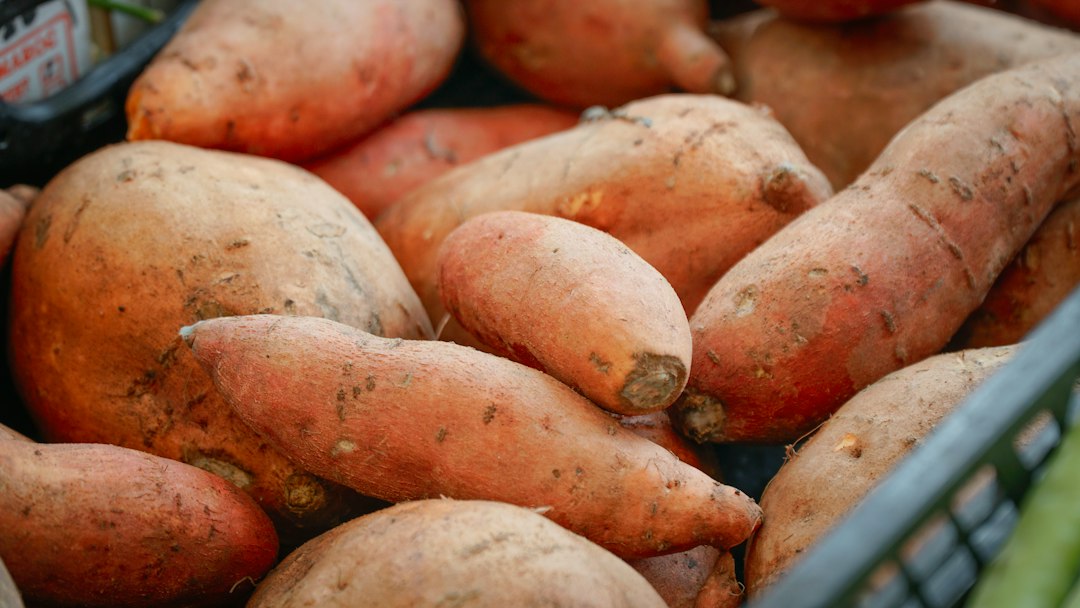
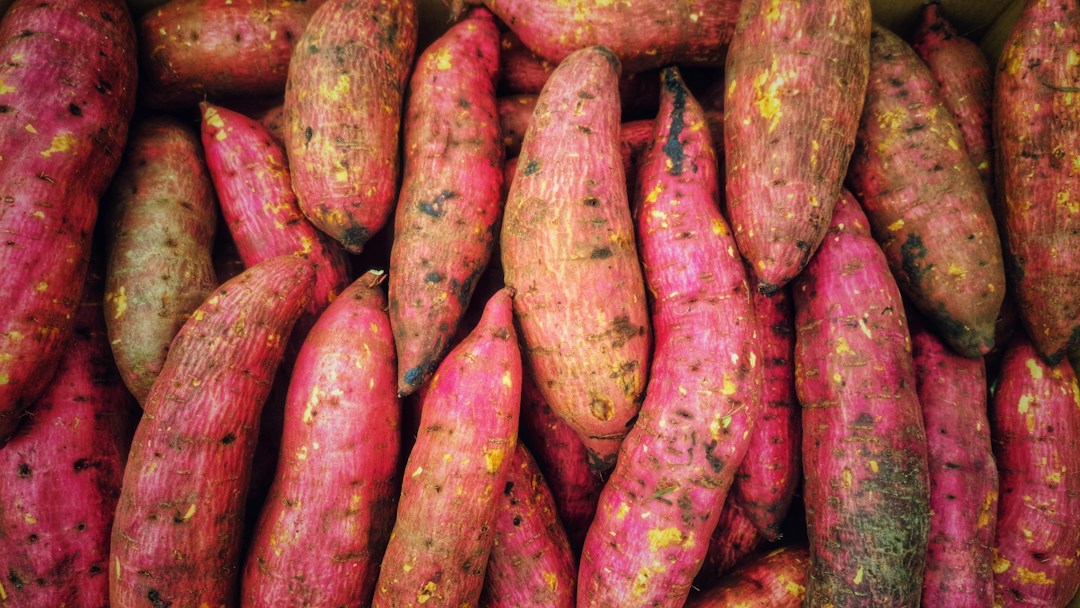
Featured photo: whole sweet potatoes, shown as an ingredient reference rather than the prepared recipe. Photo by Yen Vu on Unsplash.
The key to a sweet potato black bean skillet without tomatoes is to cook in stages: soften the sweet potato under a lid, add the already-cooked beans and frozen corn only near the end, then uncover the pan to set the final moisture level. That sequence gives the potato time to become tender without turning the beans pasty.
This makes 4 modest main-dish servings, especially with tortillas or rice. Allow about 10 minutes to prepare the ingredients and 25–30 minutes at the stove, for an estimated total of 35–40 minutes. You will need a 12-inch skillet with a lid, a cutting board, knife, colander, measuring spoons, and a broad spatula.
Sweet potato black bean skillet without tomatoes: recipe
4 modest servings · 10 minutes preparation · 25–30 minutes cooking · 12-inch skillet with lid. Times are estimates.
Ingredients
- 1 tablespoon olive oil
- 1 medium onion, diced, about 1 cup
- 1 large sweet potato, about 1 pound, peeled and cut into 1/2-inch cubes
- 2 garlic cloves, minced
- 1 teaspoon ground cumin
- 1/2 teaspoon smoked paprika
- 1/4 teaspoon fine salt, plus more to taste
- 1/4 teaspoon black pepper
- 1/2 cup water, plus 1–2 tablespoons if needed
- One 15-ounce can black beans, drained and rinsed
- 1 cup frozen corn, measured before cooking; follow its package cooking instructions as explained in the method
- 1 tablespoon lime juice, plus more to taste
- 2 tablespoons chopped cilantro, optional
Keep the potato cubes close to 1/2 inch. A mix of tiny and large pieces makes the small cubes collapse before the large ones are tender. The canned beans are fully cooked and only need to be heated; dry beans cannot replace them without separate soaking and cooking.
Method
- Soften the onion. Heat the olive oil in the 12-inch skillet over medium heat. Add the onion and cook for 4–5 minutes, stirring, until softened. It does not need to brown deeply.
- Coat the sweet potato with the seasonings. Add the sweet potato and cook for 3 minutes, stirring occasionally. Add the garlic, cumin, smoked paprika, salt, and black pepper; stir for 30 seconds.
- Steam the potato. Pour in 1/2 cup water and scrape any seasoning from the bottom. Cover, reduce the heat to medium-low, and cook for 10–14 minutes, stirring once halfway through. Test one of the largest cubes: a fork should enter with only slight resistance. If the pan is dry while the center is still hard, add 1–2 tablespoons water, replace the lid, and continue cooking.
- Cook the corn and warm the beans. Check the corn package before this stage. If its cooking directions fit this covered skillet method, add it from frozen with the drained beans; otherwise, cook the corn separately according to the package while the potato steams, then add it with the beans. Stir gently, cover, and cook for about 4–5 minutes until the mixture is hot and the potato is fork-tender. Follow any package minimum temperature or standing time; the estimate may need extending.
- Set the moisture and season. Uncover and cook for 2–3 minutes if liquid remains. For a rice topping, stop when no water is pooled but the beans still look glossy; for a tortilla filling, cook until the spatula leaves a brief clear trail. Remove from the heat and stir in 1 tablespoon lime juice. Taste before adding more lime or salt. Finish with the cilantro, if using.
Prepare the sweet potato for even cooking
The potato should supply soft, gently sweet bites that keep their edges, while the black beans remain creamy and the corn adds little pops of sweetness. That contrast is easier to achieve when the pieces start at a similar size. Large chunks and tiny offcuts do not become tender together, even when the pan is covered.
Make the cutting board do the work
Peel the sweet potato, then trim a thin slice from one side to create a stable flat surface. Set that side against the board before cutting the potato into slabs, then strips, then roughly ½-inch cubes. Do not hold a rounded potato upright while trying to force a knife through it. A stable base makes both the cutting and the finished sizing more manageable.
Measure the potato by weight when possible rather than assuming every large sweet potato weighs one pound. An oversized potato changes how crowded the pan becomes and how much food the measured water must help cook. Keep any surplus for a different meal instead of quietly enlarging the recipe.
Arrange ingredients by when they join the skillet
Keep the onion and potato together near the stove, the garlic and spices in a second group, and the drained beans and frozen corn ready for the finishing stage. This avoids searching for the cumin while minced garlic sits in a hot pan. Measure the water before starting, too, so it is ready as soon as the seasonings are fragrant.
Have the lid within reach, but lift it away from your face when checking the potatoes. Test a larger cube from the center of the skillet as well as one near the edge. If one remains firm, continue the potato stage before adding the beans. The aim is even tenderness, not merely a browned surface or a finished timer.
Decide how dry to finish the skillet
The same pan can work as either a bowl topping or a tortilla filling. Make that choice during the final uncovered minutes rather than changing the amount of water at the beginning.
| How you will serve it | Stop cooking when | Useful finishing texture |
|---|---|---|
| Over rice or another grain | No water is pooled, but the beans still look glossy | Moist enough to spoon over the grain |
| In tortillas | The spatula leaves a brief clear trail across the skillet | Dry enough that the filling will not soak the tortilla |
Read the potato, not just the timer
Pan material, burner strength, and cube size all affect the covered cooking time. Test a large cube before adding the beans. The fork should slide through the center without a hard core, while the cube still holds its edges. If the potato is completely soft before the beans go in, stir as little as possible during the final stage.
| What is happening in the pan | Adjustment |
|---|---|
| The potato center is hard and the skillet is dry | Add 1–2 tablespoons water, cover, and continue over medium-low heat for a few minutes. |
| The potato is tender but liquid is pooled | Remove the lid and simmer over medium heat, stirring gently, until the liquid evaporates. |
| The bottom begins to catch | Lower the heat and add a small splash of water. Do not scrape burnt material into the food. |
| The finished skillet tastes flat | Add lime juice in small increments, taste, and only then add more salt. |
A 10-inch skillet traps more steam and gives the ingredients less surface area, so expect a longer uncovered finish. For a double batch, use two pans rather than crowding one skillet.
Swaps that keep the method intact
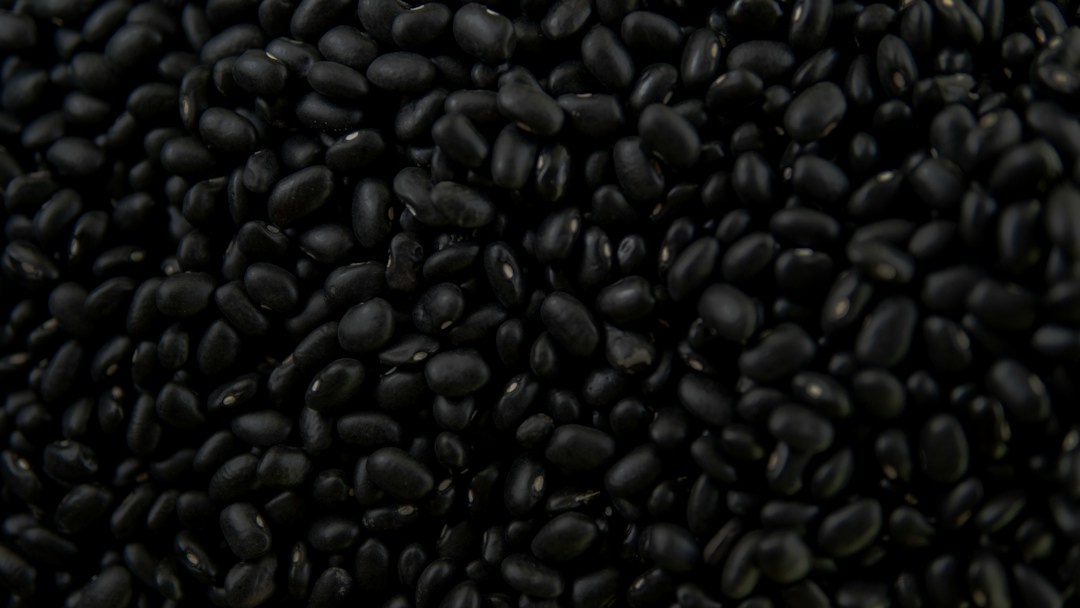
Pinto beans can replace the black beans in the same quantity. Frozen peas can replace the corn; follow their package cooking directions, using a separate cooking step if required, and add them near the end. Lemon juice can stand in for lime, although the flavor will be different. These changes do not alter the covered sweet-potato stage.
For a mild meal, keep the seasonings as written and offer hot sauce at the table. Warm tortillas, rice, avocado, plain yogurt, and shredded cabbage all work as accompaniments; cabbage is especially useful when you want crunch against the soft vegetables and beans. For a different black-bean dinner, see one-pot salsa rice with black beans and frozen corn, or browse the site’s bean and lentil recipe collection.
Prepare ahead, cool, and reheat
You can dice the onion and sweet potato in advance and refrigerate them in separate covered containers. For the best control over texture, cook this sweet potato black bean skillet without tomatoes close to serving time. If you cook it ahead, keep fresh and crunchy toppings separate and add another small squeeze of lime after reheating if needed.
Transfer leftovers to shallow containers and refrigerate within 2 hours, or within 1 hour when the temperature is above 90°F. Keep the refrigerator at 40°F or below and use refrigerated leftovers within 3–4 days. Reheat with a splash of water, stirring, until the food reaches 165°F. These handling limits follow USDA leftovers guidance. Freeze portions for up to 2 months for best texture; the sweet potato may soften after thawing.
Recipe development note: No documented kitchen-test record was available during this editorial revision. Treat the stated times as estimates and use the fork and moisture cues above to judge the pan.
Printable recipe
Print the measured ingredients and step-by-step instructions using the recipe card below.
THE COMPLETE RECIPE
Sweet Potato Black Bean Skillet Without Tomatoes
Yield: 4 modest servings
Ingredients
- 1 tablespoon olive oil
- 1 medium onion Diced, about 1 cup.
- 1 large sweet potato About 1 pound; peeled and cut into 1/2-inch cubes.
- 2 cloves garlic Minced.
- 1 teaspoon ground cumin
- 1/2 teaspoon smoked paprika
- 1/4 teaspoon fine salt Plus more to taste.
- 1/4 teaspoon black pepper
- 1/2 cup water Plus 1–2 tablespoons if needed.
- 1 15-ounce can black beans Drained and rinsed; already cooked.
- 1 cup frozen corn Measure before cooking; follow its package cooking instructions, including any required temperature and standing time.
- 1 tablespoon lime juice Plus more to taste.
- 2 tablespoons fresh cilantro Chopped; optional.
Equipment
- 1 12-inch skillet with lid
- 1 Knife and cutting board
- 1 Colander
- Measuring cups and spoons
- 1 Broad spatula
- equipment required by the frozen-corn package If its instructions require separate cooking.
Instructions
- Soften the onion. Heat the olive oil in the 12-inch skillet over medium heat. Add the onion and cook for 4–5 minutes, stirring, until softened. It does not need to brown deeply.
- Coat the sweet potato with the seasonings. Add the sweet potato and cook for 3 minutes, stirring occasionally. Add the garlic, cumin, smoked paprika, salt, and black pepper; stir for 30 seconds.
- Steam the potato. Pour in 1/2 cup water and scrape any seasoning from the bottom. Cover, reduce the heat to medium-low, and cook for 10–14 minutes, stirring once halfway through. Test one of the largest cubes: a fork should enter with only slight resistance. If the pan is dry while the center is still hard, add 1–2 tablespoons water, replace the lid, and continue cooking.
- Cook the corn and warm the beans. Check the corn package before this stage. If its cooking directions fit this covered skillet method, add it from frozen with the drained beans; otherwise, cook the corn separately according to the package while the potato steams, then add it with the beans. Stir gently, cover, and cook for about 4–5 minutes until the mixture is hot and the potato is fork-tender. Follow any package minimum temperature or standing time; the estimate may need extending.
- Set the moisture and season. Uncover and cook for 2–3 minutes if liquid remains. For a rice topping, stop when no water is pooled but the beans still look glossy; for a tortilla filling, cook until the spatula leaves a brief clear trail. Remove from the heat and stir in 1 tablespoon lime juice. Taste before adding more lime or salt. Finish with the cilantro, if using.
Notes
Rate This Recipe
Made this recipe? Choose a star rating in the comment form and share how it turned out. Your cooking time and any ingredient changes can help the next reader.
Rate This Recipe