Weeknight pasta · no cream
Tender cabbage ribbons and white beans turn a small amount of pasta into a warm, substantial dinner. This cabbage pasta with canned white beans without cream makes its light sauce with olive oil, mashed beans, and reserved pasta water. Cook the cabbage before the final toss so the pasta can stay tender without waiting for firm vegetable pieces to soften.
Look for tender cabbage that still has a little shape and pasta coated with just enough sauce to keep it moist. Lemon gives the beans a lift, and black pepper adds a gentle bite. Cooking the pasta separately means you can give stubborn cabbage ribbons a few extra minutes without letting the pasta turn soft.
At a glance
- Yield: 4 servings
- Preparation: about 10 minutes
- Cooking: about 20–25 minutes
- Total: about 35 minutes
- Equipment: large pot, 12-inch deep skillet with a lid, colander, measuring cup, knife, and tongs or a broad spatula
Reserve pasta water before draining. Cooking times are estimates; use texture cues and pasta package directions.
Cabbage Pasta with Canned White Beans Without Cream
Ingredients
- 8 ounces dry short pasta, such as shells or penne
- 2 tablespoons olive oil
- 1 medium onion, thinly sliced
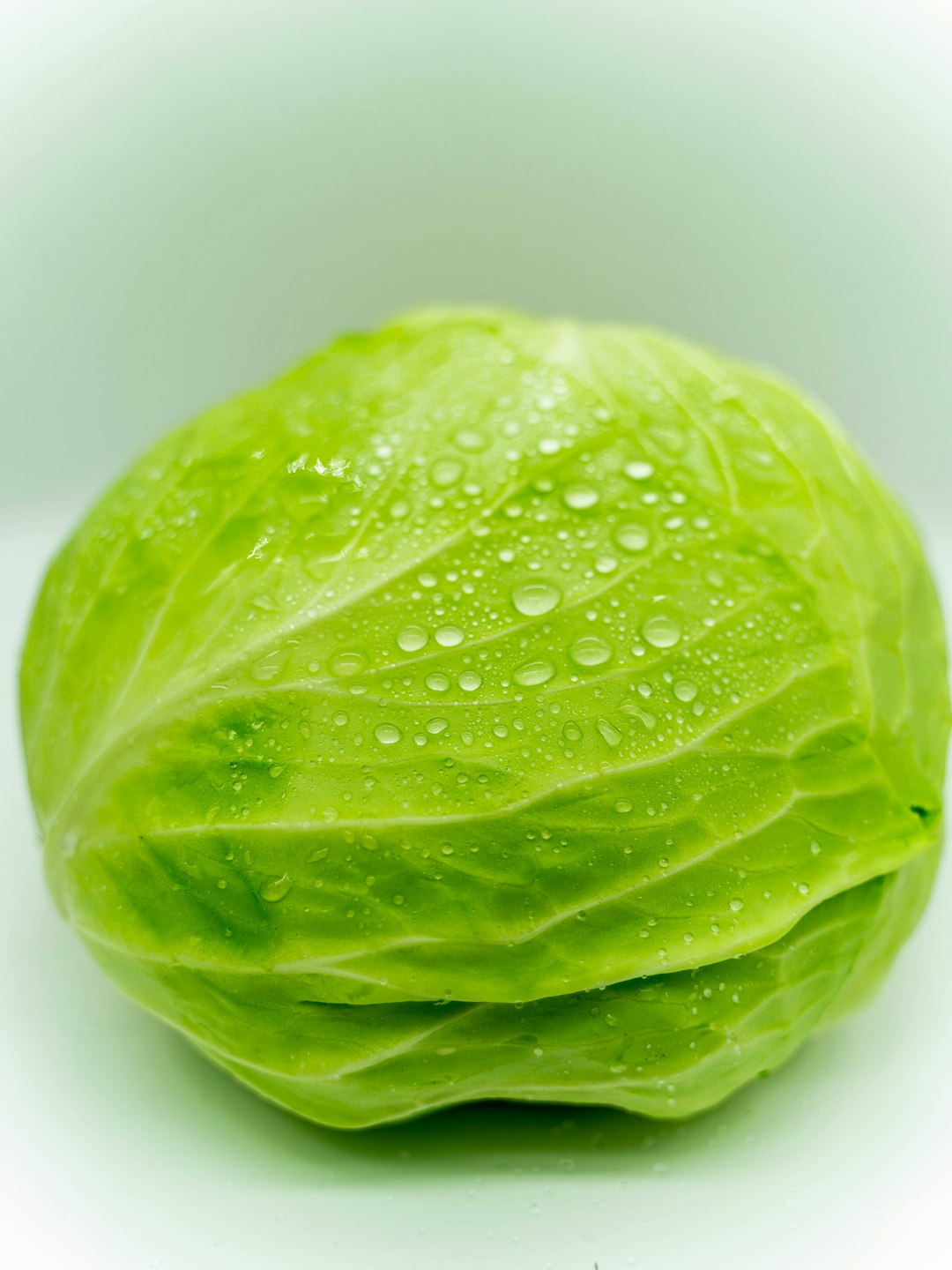
- 12 ounces green cabbage, cored and sliced into thin ribbons, about 5 cups loosely packed
- 2 garlic cloves, minced
- 1/2 teaspoon dried thyme
- 1/4 teaspoon fine salt for the vegetables, plus salt for pasta water
- 1/4 teaspoon black pepper
- 1/4 cup water for the cabbage
- One 15-ounce can cannellini beans, drained and rinsed
- 1 tablespoon lemon juice
- 1/2 cup reserved pasta water, plus more as needed
- 2 tablespoons chopped parsley, optional
Method
- Bring a pot of water to a boil, salt it, and cook the pasta according to its package directions until just tender. Before draining, reserve at least 1 cup of cooking water.
- While the water heats, warm the oil in the skillet over medium heat. Add onion and cook 4–5 minutes until softened. Add cabbage, thyme, vegetable salt, and pepper. Stir to coat.
- Cook the cabbage for 4 minutes, stirring occasionally. Add the 1/4 cup water, cover, and lower the heat to medium-low. Cook for about 6–8 minutes until the ribbons are tender but still hold their shape. Stir midway. Add a splash of water if the pan becomes dry before the cabbage softens.
- Uncover, add garlic, and stir for 30 seconds. Add beans and 1/4 cup reserved pasta water. Mash about one-quarter of the beans gently against the pan. Simmer 2–3 minutes until hot.
- Add drained pasta and the remaining 1/4 cup reserved water. Toss over medium-low heat for 1–2 minutes, adding extra water by the tablespoon until lightly coated. Take off the heat, add lemon, and taste before adding more salt. Finish with optional parsley.
Measure first, then finish the cabbage
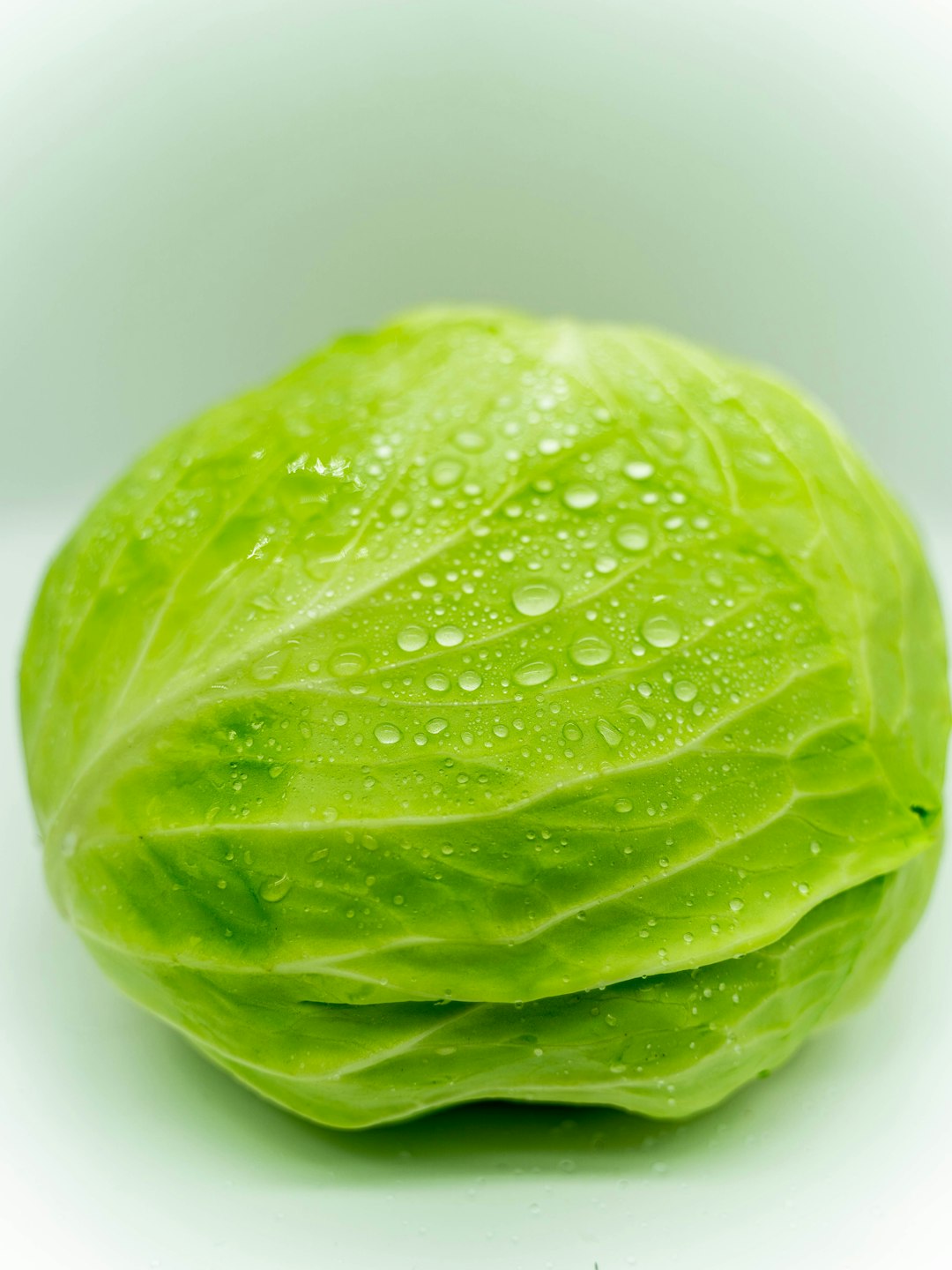
Use 8 ounces dry pasta—half a standard 1-pound box. Measure 12 ounces cabbage after removing the core, then slice thin, manageable ribbons. Do not pack the loose cup estimate tightly.
The ¼ cup plain water softens the cabbage under its lid. Pasta water is added later with the beans and noodles; reserve at least 1 cup before draining. Check the thickest cabbage ribbons before the final toss so they do not force you to overcook the pasta.
Why pasta water matters
That cloudy pasta water is useful: its starch helps the oil and mashed beans cling to the pasta. Plain water can loosen the pan if you forget to reserve it, but the coating will be thinner. Add liquid a little at a time: you can loosen a dry mixture quickly, while a flooded pan needs longer reduction and can overcook the pasta.
Choose pasta with hollows or ridges to hold small pieces of cabbage and bean. Long noodles work but are harder to toss evenly. Drain without rinsing so starch stays on the surface. The pasta absorbs moisture as it sits, so serve soon after the final toss.
Ingredient swaps
Great northern beans can replace cannellini beans. Savoy cabbage softens somewhat faster than dense green cabbage, so check it early. Red cabbage changes the color of the dish and may need extra cooking time. Use dried oregano instead of thyme if that is what you have. Butter can replace some olive oil, although the recipe then contains dairy.
A handful of fresh spinach can be wilted into the hot vegetables before adding pasta. Avoid putting large amounts of frozen vegetables into the skillet at the last moment, because they lower the pan temperature and add water. For a different pantry pasta, see pasta with canned chickpeas and frozen peas. For a cabbage side dish, try small-batch braised red cabbage.
Troubleshooting and scaling
Firm cabbage: give it more covered time before adding pasta.
Dry pasta: add reserved water a tablespoon at a time.
Too much liquid: toss gently uncovered over medium heat until reduced.
Beans breaking apart: once you have mashed the portion needed for the sauce, switch to a broad spatula and fold gently. To double the recipe, use a larger pot and two skillets so the cabbage has room to soften evenly.
Leftovers
Refrigerate in shallow containers within 2 hours, or within 1 hour when temperatures exceed 90°F. Store at 40°F or below and eat within 3–4 days. Reheat portions with a splash of water, stirring, to 165°F. These steps follow USDA leftovers guidance. Freezing is possible, but the cabbage and pasta soften; refrigerating a small batch usually preserves texture better.
Serving the meal
Serve in warm bowls with a simple green salad or sliced cucumbers. Offer lemon wedges at the table so each person can adjust brightness. Keep the reserved pasta water beside the stove until you have served the bowls. If the pasta tightens up while you finish the salad or set the table, a spoonful or two of that water makes it easier to toss again.
Printable recipe
Print the measured ingredients and step-by-step instructions using the recipe card below.
THE COMPLETE RECIPE
Cabbage Pasta with Canned White Beans Without Cream
Yield: 4 servings
Ingredients
- 8 ounces dry short pasta Such as shells or penne; half a standard 1-pound box.
- 2 tablespoons olive oil
- 1 medium onion Thinly sliced.
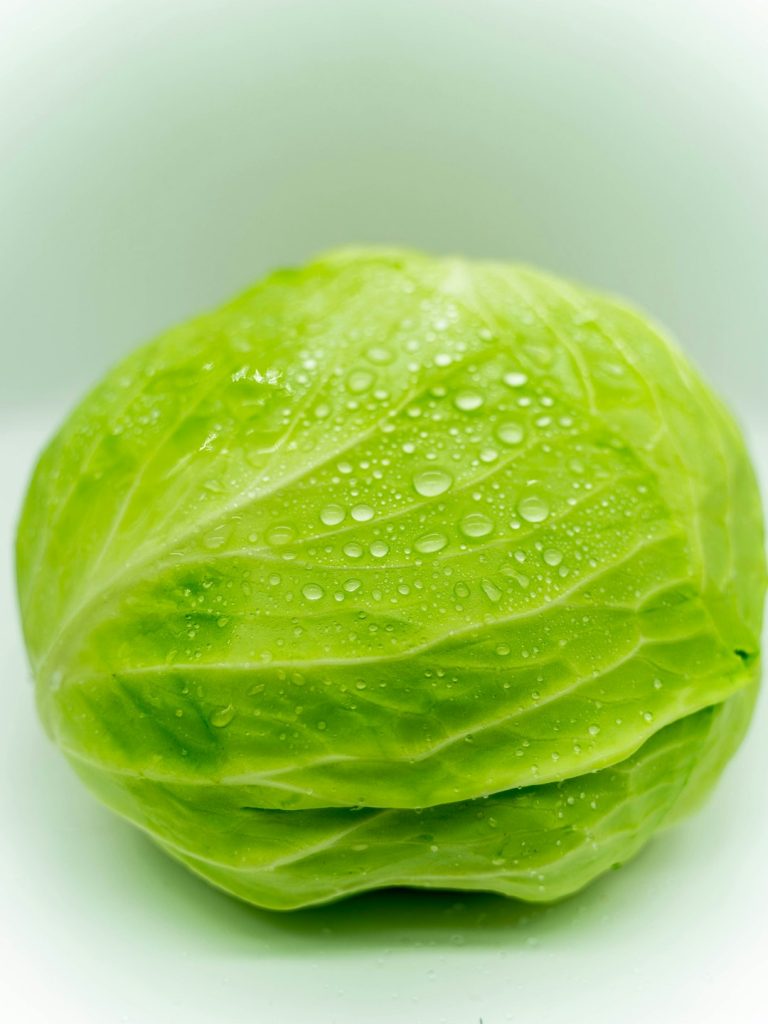
- 12 ounces green cabbage Weight after coring; thin ribbons, about 5 loosely packed cups.
- 2 cloves garlic Minced.
- 1/2 teaspoon dried thyme
- 1/4 teaspoon fine salt For the vegetables, plus salt for the pasta water and more to taste.
- 1/4 teaspoon black pepper
- 1/4 cup water For covered cabbage cooking.
- 1 15-ounce can cannellini beans Drained and rinsed.
- 1 tablespoon lemon juice
- 1/2 cup reserved pasta cooking water Divided, plus more as needed; reserve at least 1 cup before draining.
- 2 tablespoons chopped parsley Optional.
Equipment
- 1 large pot
- 1 12-inch deep skillet with lid
- 1 Colander
- 1 Measuring cup and spoons
- 1 Knife and cutting board
- 1 tongs or broad spatula
Instructions
- Cook the pasta and save its water. Bring a large pot of water to a boil, salt it, and cook pasta according to package directions until just tender. Before draining, reserve at least 1 cup pasta cooking water. Drain without rinsing.
- Start the vegetables while the water heats. Heat olive oil in the deep skillet over medium heat. Add onion and cook for 4–5 minutes until softened. Add cabbage, thyme, 1/4 teaspoon salt, and pepper. Stir to coat.
- Soften the cabbage. Cook uncovered for 4 minutes, stirring occasionally. Add 1/4 cup plain water, cover, and reduce heat to medium-low. Cook for about 6–8 minutes, stirring midway, until the ribbons are tender but still hold their shape. Add a splash of water if the pan dries before the cabbage softens. Check thick ribbons before moving on.
- Add garlic and beans. Uncover and stir in garlic for 30 seconds. Add drained beans and 1/4 cup reserved pasta water. Gently mash about one-quarter of the beans against the pan. Simmer for 2–3 minutes until hot.
- Toss and finish. Add drained pasta and another 1/4 cup reserved pasta water. Toss over medium-low heat for 1–2 minutes, adding more reserved water by the tablespoon as needed for a light coating. Remove from the heat and add lemon juice. Taste before adding more salt. Finish with optional parsley and serve promptly.
Notes
Rate This Recipe
Made this recipe? Choose a star rating in the comment form and share how it turned out. Your cooking time and any ingredient changes can help the next reader.
Rate This Recipe