
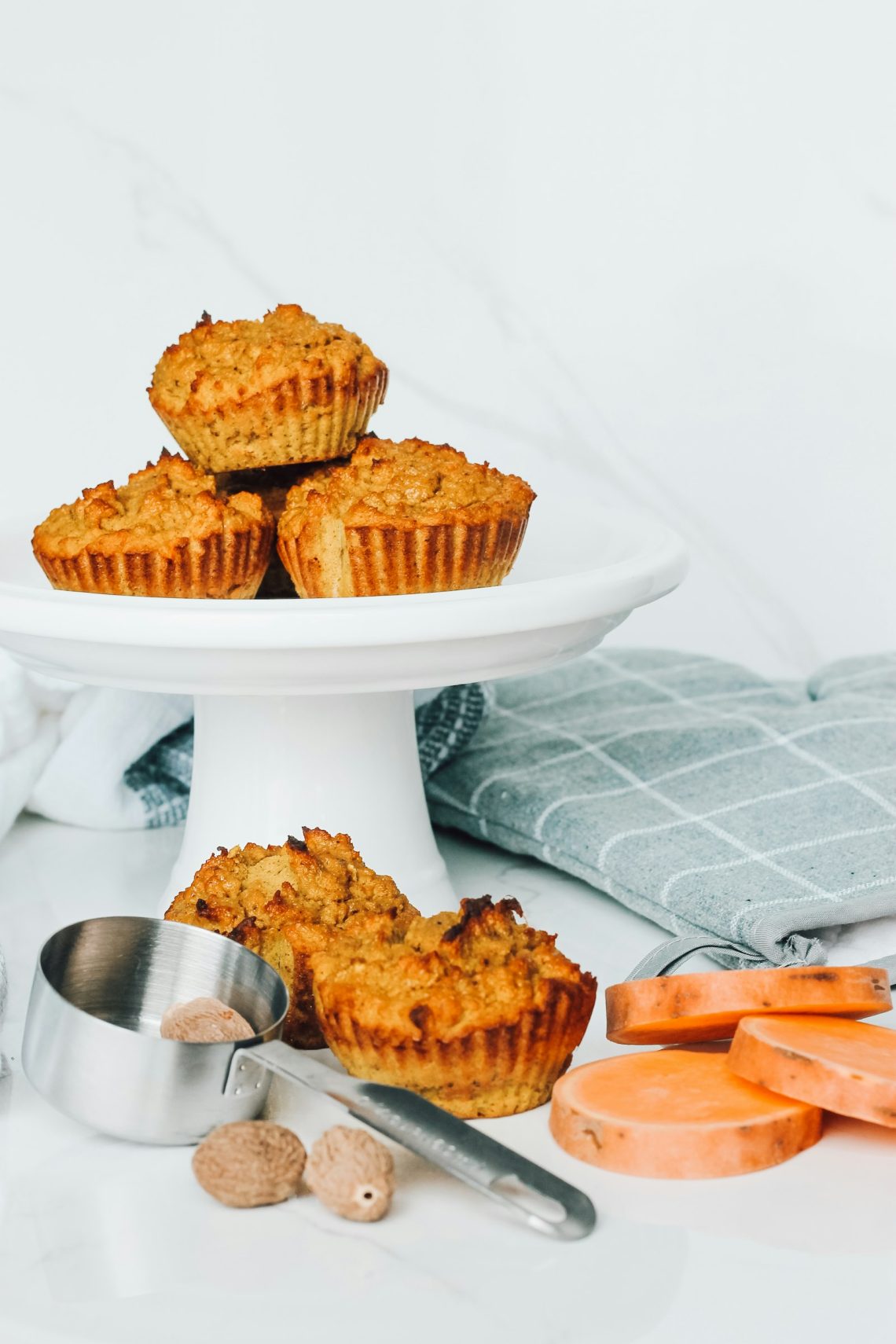
Small batch carrot cheddar oat muffins are a savory bake for breakfast, lunch or a bowl of soup. Finely grated carrot softens through the crumb, cheddar provides a clear savory flavor, and rolled oats add a little texture. The batter uses milk and oil, with no yogurt or softened butter to prepare.
Affiliate disclosure: As an Amazon Associate I earn from qualifying purchases. These paid links open Amazon search results for comparing equipment.
Prepare six wells in a standard muffin pan (paid link) and use a box grater (paid link) for the carrot and cheddar. Fill the wells evenly rather than stretching this batch into twelve shallow muffins.
This six-muffin recipe works best when the carrot is grated finely and the oats get a brief milk soak. Those steps help the vegetables and cereal fit into a short bake. Large dry carrot shreds and unsoaked coarse oats can leave the muffins feeling rough even when the surrounding batter is cooked.
Keep a small muffin batch tender, not wet
- Grate carrots finely: large shreds stay firm and create uneven pockets in a short bake.
- Measure oats consistently: rolled oats and quick oats absorb differently, so use the type named in the recipe.
- Fold cheddar through the flour: separating the shreds helps distribute savory flavor without overmixing the batter.
- Rest briefly: a short pause lets oats hydrate, but an extended rest can make the batter too thick.
Fill the six wells evenly and check the center muffin first. It should spring back and show moist crumbs rather than wet batter. Cool in the pan only briefly so steam does not soften the sides.
Decide how you will serve them
These are lightly seasoned savory muffins, not carrot cake muffins with less sugar. Serve them warm with eggs, split one alongside soup, or pack a cooled portion for lunch with suitable chilling. They do not need icing. If you enjoy a stronger cheese flavor, choose a sharper cheddar instead of increasing the amount beyond the recipe.
For a lunch pairing, the site’s mushroom barley soup complements the savory crumb. The white bean potato soup offers another warm option.
Recipe details and equipment
- Yield: 6 standard muffins.
- Prep: 20 minutes, including a 10-minute oat soak.
- Bake: approximately 22–26 minutes.
- Cool: 10 minutes; about 54 minutes total.
- Oven: 375°F / 190°C, conventional.
- Pan: standard muffin wells holding about ½ cup / 120 ml to the rim.
You will also need two bowls, a whisk, spatula, box grater and cooling rack. A kitchen scale keeps the flour, carrot and cheese proportions consistent. If using a 12-well pan, fill six wells rather than spreading the batter into twelve shallow portions.
Ingredients
- ½ cup (120 ml) milk, whole or 2%
- ⅓ cup (30 g) old-fashioned rolled oats
- 1 cup (120 g) all-purpose flour
- 1 teaspoon baking powder
- ¼ teaspoon fine salt
- ¼ teaspoon garlic powder
- ¼ teaspoon sweet paprika
- ⅛ teaspoon black pepper
- 1 large egg
- 3 tablespoons (45 ml) neutral oil
- ¾ cup (75 g) finely grated carrot
- ½ cup (55 g) finely grated sharp cheddar
- 1 tablespoon finely sliced chives or scallion, optional
- A little additional oil for greasing the pan
Weights follow practical baking equivalents such as the King Arthur Baking ingredient reference. Flour is especially worth weighing: an extra packed spoonful changes the balance in a small batch. Measure the carrot after peeling and grating, and the cheese after grating.
Prepare the carrot, cheese and oats
Use the small or medium holes of a grater for the carrot. Long packaged matchsticks are too coarse for the intended texture. Freshly grated carrot should feel moist but should not drip when picked up. Blot visibly wet carrot gently; do not squeeze all its moisture away, since that changes the batter.
Grating cheddar from a block helps it distribute evenly. Pre-shredded cheese may have a coating that affects melting, but it is still a reasonable convenience option when weighed. Break apart clumps before adding it so each muffin receives a similar amount.
Stir the rolled oats into the milk and let them stand for 10 minutes. This is a hydration step, not a cooking step. Quick oats will become softer and less visible; steel-cut oats are too coarse for this method. Do not replace the oats with oat flour without reworking the liquid balance.
Bake small batch carrot cheddar oat muffins
- Prepare the oven. Heat to 375°F / 190°C with a rack in the middle. Grease six standard muffin wells thoroughly, or use sturdy liners lightly misted with oil if they tend to stick.
- Soak and measure. Combine milk and oats in the larger bowl and leave for 10 minutes. Meanwhile, grate and measure the carrot and cheddar.
- Mix the dry ingredients. Whisk flour, baking powder, salt, garlic powder, paprika and pepper in the other bowl. Ensure the leavening is evenly dispersed.
- Finish the wet mixture. Add the egg and oil to the milk-soaked oats and whisk until the egg is combined. Stir in the carrot, cheese and optional chives.
- Fold in flour. Add the dry mixture and fold with a spatula until no loose flour remains. The batter should be thick and scoopable, with clearly visible carrot and cheese. Stop rather than beating it smooth.
- Fill the wells. Divide evenly between six wells, about three-quarters full. Keep stray cheese shreds inside the batter rather than hanging over the edge of the pan.
- Bake and check. Bake 22–26 minutes. Look for golden edges, set tops and a skewer that comes out without wet batter. Melted cheese may cling to the skewer, so check another spot if unsure.
- Cool out of the pan. Rest 5 minutes, then lift the muffins to a rack for at least another 5 minutes. This lets steam escape from the sides and bottoms.
Why these muffins can turn heavy
The combination of cheese, carrot and oats gives the batter more texture than a plain muffin. That does not mean it should be dense or rubbery. Too much flour, repeated mixing or extra filling can leave too little tender batter between the additions.
If your batter looks unusually stiff, first check whether the milk was measured correctly and whether the flour was packed. A small splash of milk may help a minor difference, but adding several tablespoons without understanding the cause can make the centers gummy. Record a change if you make one so the next batch is easier to assess.
Cheese releases fat as it melts. A small amount around the edge is normal, but a greasy pool can mean extra cheese was added or the batter was under-mixed enough to leave large clusters. Weighing and distributing the filling avoids both issues.
Seasoning changes and substitution limits
Monterey Jack gives a milder flavor, while a mature cheddar gives a stronger one. Very salty cheeses need a reconsidered salt amount. A little dried thyme can replace the chives, but start with about ¼ teaspoon because dried herbs are more concentrated by volume.
Do not substitute grated zucchini directly for carrot. Zucchini contains a different amount of moisture and commonly needs squeezing and a separate formula. Likewise, an egg-free version cannot be promised by simply adding applesauce; that changes the savory flavor and the structure.
Replacing a small portion of the flour with whole wheat flour is a reasonable future variation to investigate, but a full swap may make these already textured muffins heavy. For the reference bake, use the stated all-purpose flour. These substitution ideas are not claims of kitchen testing.
Cooling, lunch packing and reheating
Because these are moist cheese-and-vegetable muffins, refrigerate them after cooling, within two hours. Keep at 40°F / 4°C or below and use within 3–4 days. For a lunchbox, use a cold pack rather than leaving them warm in a bag all morning. FoodSafety.gov’s chilling guidance explains the time and temperature limits for perishable foods.
Freeze individually wrapped muffins for up to two months for best quality. Thaw overnight in the refrigerator. Reheat until the center reaches 165°F / 74°C, using short microwave intervals to avoid toughening the edges. A toaster oven gives a drier surface; cover loosely at first if the top begins browning before the center is hot.
Frequently asked questions
Are they supposed to be sweet?
No added sugar is included. Carrot contributes a little natural sweetness, but cheddar and mild seasonings make these a savory muffin.
Can I skip the oat soak?
The soak gives the oats time to soften before baking. Skipping it can make the crumb feel drier or rougher, so keep the short rest in the method.
Can I use leftover cooked carrots?
Cooked carrot pieces or purée distribute moisture differently. This formula uses fresh finely grated carrot; a cooked-carrot version needs a separate check.
Why did the muffins stick to liners?
Cheese can cling as it cools. Let the muffins settle before peeling, and use greased wells or lightly oiled liners next time.
Can I make mini muffins?
They will bake faster and yield more pieces. Keep the wells below the rim and start checking early; no exact mini-muffin timing has been validated here.
Can I double the batch?
Double the ingredients for twelve standard wells. Small batch carrot cheddar oat muffins still use the same oven setting; check the centers rather than doubling the bake time.
Small-Batch Carrot Cheddar Oat Muffins
Ingredients
Equipment
Method
- Prepare the oven. Heat to 375°F / 190°C with a rack in the middle. Grease six standard muffin wells thoroughly, or use sturdy liners lightly misted with oil if they tend to stick.
- Soak and measure. Combine milk and oats in the larger bowl and leave for 10 minutes. Meanwhile, grate and measure the carrot and cheddar.
- Mix the dry ingredients. Whisk flour, baking powder, salt, garlic powder, paprika and pepper in the other bowl. Ensure the leavening is evenly dispersed.
- Finish the wet mixture. Add the egg and oil to the milk-soaked oats and whisk until the egg is combined. Stir in the carrot, cheese and optional chives.
- Fold in flour. Add the dry mixture and fold with a spatula until no loose flour remains. The batter should be thick and scoopable, with clearly visible carrot and cheese. Stop rather than beating it smooth.
- Fill the wells. Divide evenly between six wells, about three-quarters full. Keep stray cheese shreds inside the batter rather than hanging over the edge of the pan.
- Bake and check. Bake 22–26 minutes. Look for golden edges, set tops and a skewer that comes out without wet batter. Melted cheese may cling to the skewer, so check another spot if unsure.
- Cool out of the pan. Rest 5 minutes, then lift the muffins to a rack for at least another 5 minutes. This lets steam escape from the sides and bottoms.
Notes
- Yield: 6 standard muffins.
- Prep: 20 minutes, including a 10-minute oat soak.
- Bake: approximately 22–26 minutes.
- Cool: 10 minutes; about 54 minutes total.
- Oven: 375°F / 190°C, conventional.
- Pan: standard muffin wells holding about ½ cup / 120 ml to the rim.




