
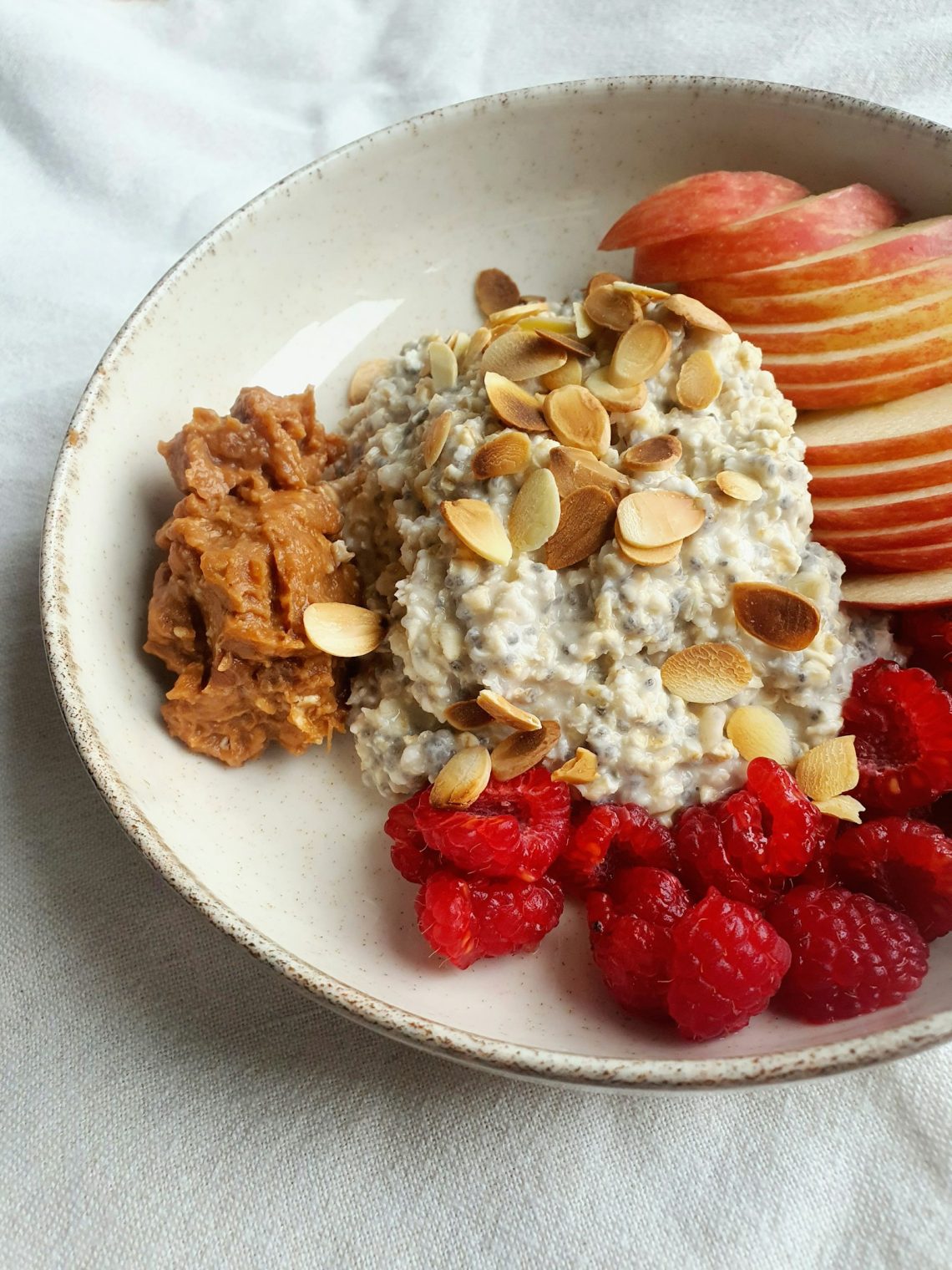
Oat bran porridge with prunes for two is a quick stovetop breakfast with a soft, creamy texture and small pieces of fruit throughout. The prunes simmer briefly before the oat bran goes in, giving them time to soften without overcooking the cereal. A little cinnamon and a walnut topping make the simple bowl more interesting.
Oat bran cooks differently from rolled oats. It thickens quickly, continues firming after the heat is turned off, and benefits from a little extra liquid at serving. This guide gives you a measured starting point, a clear sequence, and ways to adjust the thickness to suit each person at the table.
Go straight to the ingredients and method
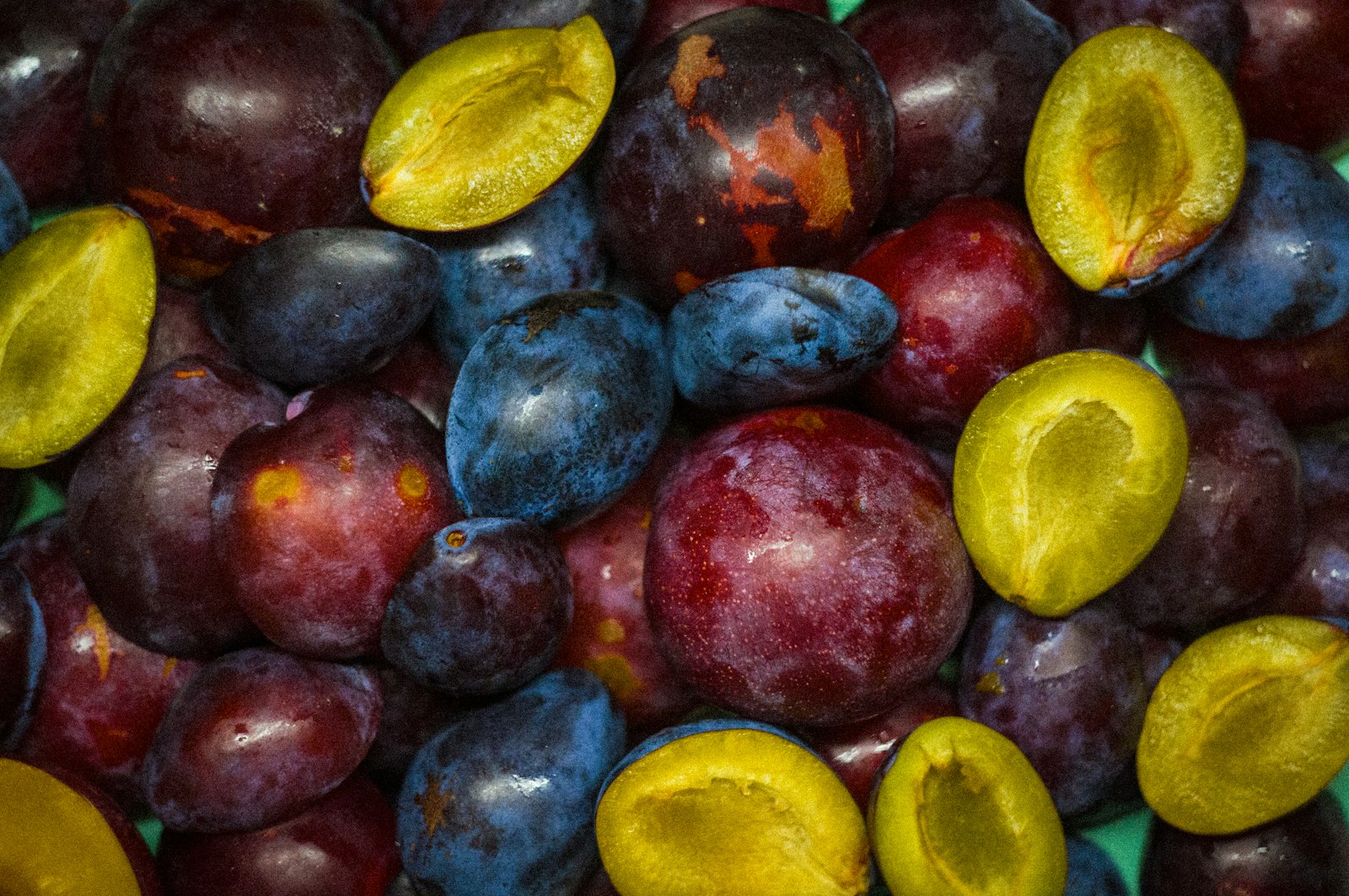
Let the prunes soften before final thickening
| Prunes | Cut evenly and simmer in the liquid first if they are firm, giving them time to plump. |
| Oat bran | Whisk in gradually because it thickens much faster than rolled oats. |
| Rest | Remove from the heat while slightly loose; the cereal continues absorbing liquid in the bowl. |
If the porridge becomes too thick, whisk in hot liquid rather than cold, which cools the pot and can create uneven pockets. Taste after the prunes hydrate before deciding whether more sweetener is necessary.
Choose and measure oat bran cereal
Buy oat bran cereal, not wheat bran, bran flakes, oat flour, or steel-cut oats. These products have different textures and absorb liquid differently. Oat bran generally looks like coarse, pale meal. In porridge it creates a finer, more uniform bowl than the visible flakes of old-fashioned oatmeal.
Check the preparation directions on your package before starting. The amounts below use a common ratio of 2/3 cup oat bran to 2 cups liquid for two servings, with extra liquid available for finishing. If your particular product specifies a substantially different ratio or cooking time, its instructions should take priority.
Choose pitted prunes that feel soft rather than hard and dry. Even pitted fruit can occasionally contain a pit fragment, so inspect each one while cutting it. Quarter the prunes, then chop each piece again; small pieces distribute naturally instead of collecting in a heavy layer at the bottom of the bowl.
Measure the dry bran without compressing it
Loosen the cereal in its package, spoon it into the dry measure and level the surface without tapping the cup repeatedly on the counter. The goal is to use the same amount consistently, not fit as much cereal as possible into the cup. If you work by weight, use the brand guidance noted in the ingredient list. Do not treat a different brand’s gram conversion as a reason to ignore its preparation directions.
Oat bran porridge with prunes for two
Yield: 2 bowls, roughly 2 cups total before toppings. Preparation: 5 minutes. Cooking: 7–9 minutes. Standing: 1 minute. Total: about 15 minutes.
Affiliate disclosure: As an Amazon Associate I earn from qualifying purchases. Paid links open Amazon search results.
Equipment: a heavy 2-quart saucepan (paid link), whisk (paid link), flexible spatula, cutting board, and two bowls. A saucepan with extra headroom helps contain the thick bubbles that form near the end.
Measured ingredients
- 1/3 cup chopped pitted prunes, about 55 g
- 1 1/2 cups water, divided, plus 2–4 tablespoons if needed
- 1/2 cup whole or 2% milk, plus additional milk for serving if desired
- 2/3 cup oat bran cereal, measured dry and level, about 60 g depending on brand
- 1/8 teaspoon fine salt
- 1/4 teaspoon ground cinnamon
- 1/4 teaspoon vanilla extract
- 2 tablespoons chopped walnuts, optional
- 1–2 teaspoons maple syrup, optional, to taste
Soften the prunes, then cook the cereal
The cooking sequence
- Soften the prunes first. Combine the chopped prunes, 1/2 cup of the measured water, and cinnamon in the saucepan. Bring to a simmer over medium heat, then lower the heat and simmer for 3 minutes. The fruit should soften and the water will become lightly colored.
- Add the remaining liquid. Pour in the other 1 cup water and the 1/2 cup milk. Add the salt. Warm until small bubbles appear across the surface, stirring to move the prunes off the bottom. Do not leave the pan unattended once the milk is hot.
- Whisk in the cereal gradually. Sprinkle the oat bran into the gently bubbling liquid while whisking. Keep the stream fairly thin so dry cereal does not collect in lumps. Once everything is incorporated, reduce the heat to low.
- Cook briefly and stir. Simmer for about 2 minutes, or follow your package’s cooking time, stirring frequently with the spatula and scraping the bottom corners. The mixture should thicken into a loose porridge. Lower the heat if it starts throwing up large, forceful bubbles.
- Rest before adjusting. Turn off the heat and stir in the vanilla. Let the cereal stand for 1 minute. If it has become stiff, add water or milk 1 tablespoon at a time, stirring between additions, until it slowly spreads when spooned into a bowl.
- Divide and finish. Spoon half into each bowl, including an equal share of the prune pieces. Add optional walnuts. Taste a spoonful with fruit before adding maple syrup; one diner may want sweetness while the other may prefer the fruit alone.
Keep the fruit-simmer water in the saucepan
The first water may turn brown as the chopped prunes soften. That color belongs to the fruit stage and is not an instruction to drain and replace the liquid. It is part of the measured water for the cereal. Stir gently beneath the pieces so none sits against one hot spot while the other ingredients are being prepared. Dark fruit-colored liquid is different from a scorched layer stuck to the base.
Switch tools when the texture changes
The whisk is useful while dry bran enters liquid, but the spatula becomes more practical once the porridge thickens around the fruit. Sweep it along the base and then up the sides, keeping the softened prune pieces moving without beating them into a paste. Rest the unused whisk on a small dish rather than leaving it in the pan, where it can obstruct the spatula and collect a thick layer of cereal.
A texture guide for the finished bowl
| Check | What to assess and adjust |
|---|---|
| Thickness | It sets like a paste. Take the saucepan off the heat and stir in warm water or milk by the tablespoon. A very low simmer and a short cooking time help prevent this next time. Do not continue boiling a thick mixture while trying to loosen it. |
| Dry pockets | Dry lumps remain. Press small lumps gently against the side of the pot with the spatula and stir them back into the liquid. If the mixture is too thick to move, add a splash of water first. On the next batch, sprinkle the cereal more slowly while whisking. |
| Fruit tenderness | The prunes still feel tough. The fruit probably needed a longer preliminary simmer. Scoop larger pieces against the side of the pan and cut them with the spoon if possible. Very dry prunes are easier to manage after a separate 10-minute soak in hot water, followed by draining and chopping. |
| Seasoning | The flavor is flat. First taste a spoonful containing fruit. If that still seems dull, a tiny extra pinch of salt or a little more cinnamon may help. Add sweetener last; sweetness alone does not replace the contrast provided by seasoning and a crunchy topping. |
Three details that improve the bowl
Give the dried fruit a head start
The cereal itself cooks very quickly. Adding large pieces of dried fruit at the same moment as the oat bran can leave the fruit chewy while the cereal becomes overly thick. A brief prune simmer addresses both problems, and chopping makes the result easier to eat with an ordinary spoon.
Use steady, moderate heat
A hard boil does not make this porridge finish more successfully. Once the bran thickens the liquid, bubbles can pop through the dense surface and leave splashes on the stove. Gentle heat also gives you time to scrape the pan before milk or cereal sticks.
Judge consistency after the short rest
The bowl should initially look slightly looser than your ideal eating texture. Bob’s Red Mill’s basic oat bran instructions give a useful two-serving starting ratio and a brief cooking time. Fruit, milk, pot shape, and personal preference still affect the final consistency, so reserve a little liquid for adjustment.
Finish each bowl to taste
For a warmer spice note, add a small pinch of ground ginger with the cinnamon. Avoid adding several strong spices at once; the prune flavor can disappear under them. Vanilla belongs at the end so its aroma remains noticeable when you serve the cereal.
Walnuts give a slightly bitter contrast to sweet dried fruit. Pecans or pumpkin seeds can replace them in the same amount. If you use salted nuts or seeds, reduce or omit the salt in the pot and adjust after tasting the finished porridge.
Replace the milk with an unsweetened plant beverage or use water for the full 2 cups. An all-water version tastes lighter and may benefit from a spoonful of nut butter at serving. The guide to making homemade peanut butter is useful if that is a topping you already enjoy.
Do not replace the prunes with a large amount of prune juice without adjusting the liquids. Juice changes both sweetness and cereal hydration. For this recipe, keep the fruit as chopped pieces and the cooking liquid separately measured.
Keep the topping decision outside the cooking pot
Divide the cereal before adding nuts or syrup so the two bowls can be finished differently. If the prunes have softened into small dark streaks, stir through once before serving to share them as evenly as the visible pieces. Add a little finishing liquid to a bowl that waits at the table instead of returning both servings to the burner simply because one person arrives later.
Prepare ahead without sacrificing the finish
Chop the prunes and portion the dry ingredients the evening before. Keep the measured milk refrigerated separately. This preparation leaves only the short simmer and cereal cooking for the morning. For a fully cold breakfast on another day, try apple tahini overnight oats, which use a different method and texture.
Oat bran porridge with prunes for two can also be refrigerated after cooking, although it becomes firmer. Divide leftovers into shallow containers and refrigerate within 2 hours, or 1 hour above 90°F. Keep at 40°F or below, use within 3–4 days, and reheat with extra liquid until the center reaches 165°F, following USDA guidance for leftovers.
Frequently Asked Questions
Can I use wheat bran instead?
No direct swap is recommended. Wheat bran will not create the same creamy cereal with these amounts. Choose oat bran cereal for this recipe and save wheat bran for a recipe developed around it, such as bran muffins.
Do the walnuts need to be toasted?
They do not. Plain chopped walnuts provide enough contrast on their own. If you prefer them toasted, warm them separately in a dry skillet over medium-low heat, stirring and watching closely, then let them cool slightly before topping the bowls.
Can I leave out all added sweetener?
Yes. The maple syrup is optional, and the chopped prunes contribute sweetness. Taste before deciding. Brands and batches of dried fruit vary, so leaving the decision until serving gives you better control than adding syrup automatically.
Will this work in the microwave?
The cereal package may provide microwave instructions, but the prune-softening step and additional ingredients change timing and bowl capacity. The stovetop sequence above is the intended method. Use a manufacturer-supported microwave cereal method if you need that option.
How do I make it for one?
Halve every measured ingredient and use a small saucepan with room for bubbling. Cooking time stays similar because the prunes still need to soften. Keep an eye on evaporation, and add finishing liquid as needed instead of allowing the smaller quantity to dry out.
Can I add fresh banana?
Yes, add a few slices to each finished bowl. Putting banana in during cooking can make the porridge sweeter and thicker, especially if the banana is very ripe. A topping keeps its flavor distinct and lets each person choose how much to add.
Oat Bran Porridge with Prunes for Two
Ingredients
Equipment
Method
- Soften the prunes first. Combine the chopped prunes, 1/2 cup of the measured water, and cinnamon in the saucepan. Bring to a simmer over medium heat, then lower the heat and simmer for 3 minutes. The fruit should soften and the water will become lightly colored.
- Add the remaining liquid. Pour in the other 1 cup water and the 1/2 cup milk. Add the salt. Warm until small bubbles appear across the surface, stirring to move the prunes off the bottom. Do not leave the pan unattended once the milk is hot.
- Whisk in the cereal gradually. Sprinkle the oat bran into the gently bubbling liquid while whisking. Keep the stream fairly thin so dry cereal does not collect in lumps. Once everything is incorporated, reduce the heat to low.
- Cook briefly and stir. Simmer for about 2 minutes, or follow your package's cooking time, stirring frequently with the spatula and scraping the bottom corners. The mixture should thicken into a loose porridge. Lower the heat if it starts throwing up large, forceful bubbles.
- Rest before adjusting. Turn off the heat and stir in the vanilla. Let the cereal stand for 1 minute. If it has become stiff, add water or milk 1 tablespoon at a time, stirring between additions, until it slowly spreads when spooned into a bowl.
- Divide and finish. Spoon half into each bowl, including an equal share of the prune pieces. Add optional walnuts. Taste a spoonful with fruit before adding maple syrup; one diner may want sweetness while the other may prefer the fruit alone.
Notes
| Check | What to assess and adjust |
|---|---|
| Thickness | It sets like a paste. Take the saucepan off the heat and stir in warm water or milk by the tablespoon. A very low simmer and a short cooking time help prevent this next time. Do not continue boiling a thick mixture while trying to loosen it. |
| Dry pockets | Dry lumps remain. Press small lumps gently against the side of the pot with the spatula and stir them back into the liquid. If the mixture is too thick to move, add a splash of water first. On the next batch, sprinkle the cereal more slowly while whisking. |
| Fruit tenderness | The prunes still feel tough. The fruit probably needed a longer preliminary simmer. Scoop larger pieces against the side of the pan and cut them with the spoon if possible. Very dry prunes are easier to manage after a separate 10-minute soak in hot water, followed by draining and chopping. |
| Seasoning | The flavor is flat. First taste a spoonful containing fruit. If that still seems dull, a tiny extra pinch of salt or a little more cinnamon may help. Add sweetener last; sweetness alone does not replace the contrast provided by seasoning and a crunchy topping. |




