
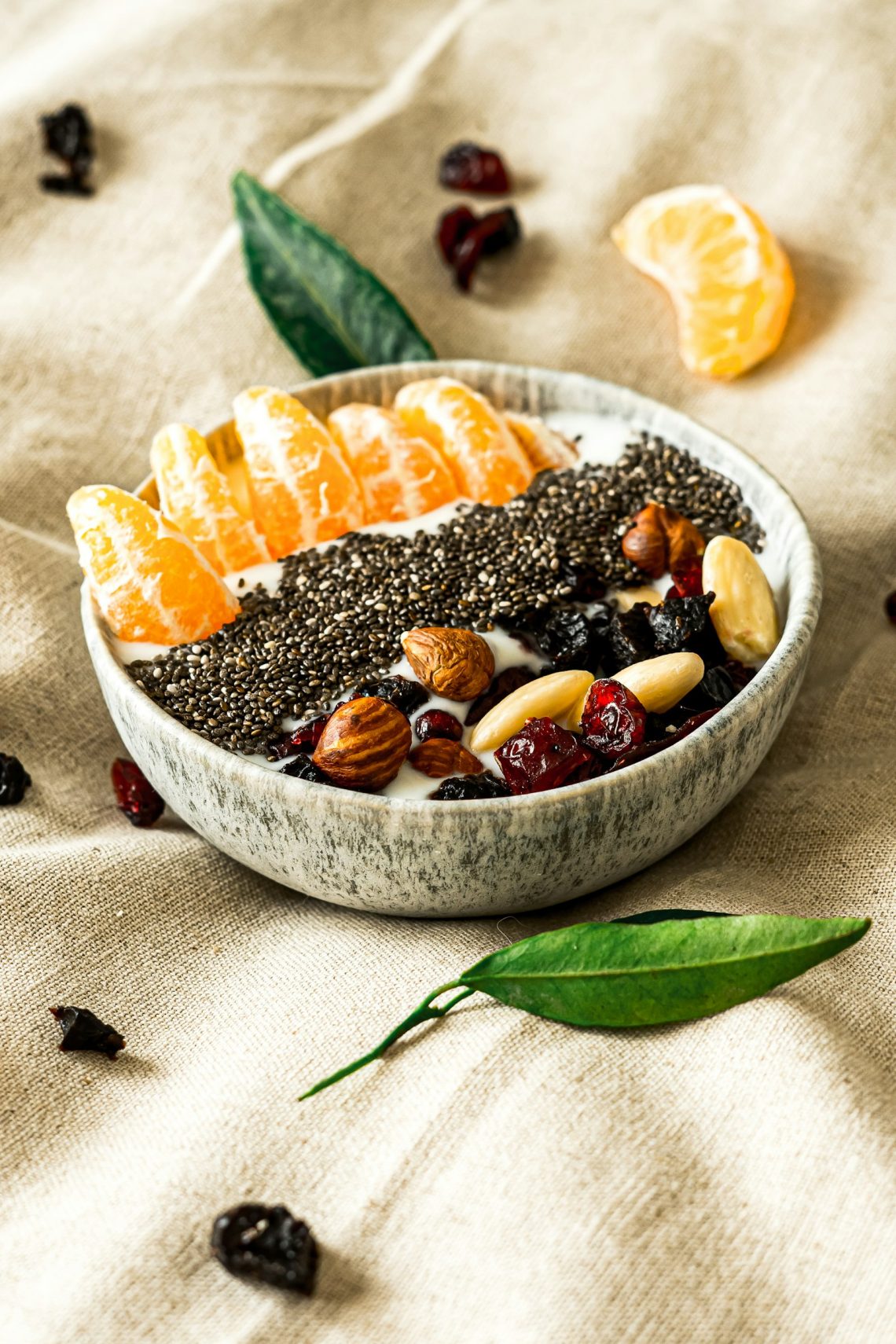
Quinoa flake porridge with dried cherries makes a warm breakfast in about 15 minutes, with softly chewy fruit and a creamy almond finish. The flakes cook much faster than whole quinoa, so the dried cherries get a short simmer first. That small change keeps the cereal from becoming overly thick while you wait for the fruit to soften.
Affiliate disclosure: As an Amazon Associate I earn from qualifying purchases. These paid links open Amazon search results for comparing equipment.
Use a 2-quart saucepan (paid link) for the cherries and quinoa flakes, with a flexible spatula (paid link) to scrape the base as the porridge thickens. A set of measuring cups (paid link) helps you dry-measure the flakes without packing them down.
This recipe makes two bowls and uses a saucepan rather than a microwave. You can see the mixture as it thickens, scrape the bottom, and add a splash of liquid at exactly the point it is needed. It is particularly useful when you have a box of quinoa flakes but are unsure how they differ from the whole grain.
Jump to the measured two-bowl recipe
Treat quinoa flakes as a quick-cooking cereal
Stir continuously at first
The flakes hydrate rapidly and can form soft clumps if they sit before dispersing.
Soften cherries separately
Firm dried cherries benefit from a brief soak or early simmer so the cereal does not finish before the fruit softens.
Remove the pot while the porridge remains slightly loose and let it stand for a minute. Add hot liquid to correct thickness, then taste for sweetness after the cherries have released some flavor.
Identify and dry-measure quinoa flakes
Quinoa flakes are thin, flattened pieces sold as a quick-cooking cereal. Whole quinoa looks like small seeds and needs a longer cooking method. Quinoa flour is a powder used in baking. Neither whole quinoa nor flour can replace the flakes one-for-one in this recipe.
Do not rinse the flakes. They are light and fragile, and rinsing would turn them into a wet mass before you could measure them accurately. If you are preparing whole quinoa for a different meal, use the separate guide to rinsing whole quinoa; those instructions address a different form of the ingredient.
The flavor of quinoa flakes can seem earthier than oatmeal. A little salt, vanilla, and almond butter rounds out that flavor without making the porridge heavily sweetened. Cherries provide tart-sweet bites, and sliced almonds keep the finished bowl from feeling uniform.
Keep the dry flakes away from the rinse station
Measure the flakes into a dry cup and set them beside the stove before preparing the fruit. Their light pieces are easy to confuse with a grain that needs rinsing, especially if a sieve is already on the counter. Keep the package nearby so you can check its cooking time without handling it over steam. Once the cherries have softened and the liquid is ready, the flakes should be available to add immediately.
Quinoa flake porridge with dried cherries: ingredients and steps
Yield: 2 breakfast bowls, about 2–2 1/2 cups altogether. Preparation: 5 minutes. Cooking: 7–8 minutes. Standing: 1 minute. Total: about 15 minutes.
Equipment: a heavy 2-quart saucepan, spatula, measuring cups, and a small cutting board. Measure the dry flakes without packing them down, and check your brand’s suggested serving weight if using a scale.
Ingredients
- 1/4 cup dried cherries, about 35 g, halved if large
- 1 1/2 cups water, divided
- 1/2 cup milk or unsweetened oat beverage, plus 2–4 tablespoons for finishing
- 2/3 cup quinoa flakes, approximately 80 g depending on brand
- 1/8 teaspoon fine salt
- 1 tablespoon smooth almond butter, stirred well before measuring
- 1/4 teaspoon vanilla extract
- 2 tablespoons sliced almonds, optional
- 1–2 teaspoons maple syrup, optional, for serving
Prepare cherries and well-mixed almond butter
Dried cherries vary in sweetness. Some are noticeably tart, while others are sweetened and taste closer to candy. Either can be used, but the optional maple syrup should be a final decision. Begin with the same fruit amount so the consistency stays predictable.
Fruit that has been open in the pantry for a long time can feel leathery. Give it a longer preliminary simmer, adding a tablespoon of water if the pan begins to dry. Do this before adding the milk and flakes so you do not have to overcook the cereal.
Natural almond butter often separates into oil and solids in the jar. Stir the jar thoroughly before measuring. A spoonful of mostly oil will not give the same body as a properly mixed spoonful, while a dry lump from the bottom can be difficult to disperse in a small pot.
Separate sticky cherries before their short simmer
Pull apart cherries that cling together in the measuring cup and check for a large piece folded around another. Halve the larger ones as directed so they can soften individually. During the preliminary simmer, stir across the bottom and turn the pieces through the liquid. The fruit should be judged at this point; waiting until the flakes have thickened makes it harder to give a leathery cherry the extra attention it needs.
Give fruit, flakes and almond butter their own stages
A short, controlled stovetop method
- Check and cut the cherries. Look for any pit fragments and halve larger pieces. Put the cherries and 1/2 cup of the measured water into the saucepan. Warm over medium heat until gently simmering, then cook for 3 minutes to soften the fruit.
- Add the remaining liquid. Pour in the other 1 cup water and the 1/2 cup milk or oat beverage. Add the salt and bring back to a gentle boil. Stir once across the bottom so the fruit does not remain stuck in one place.
- Stir in the flakes. Add the quinoa flakes gradually while stirring. Reduce the heat enough to maintain gentle bubbling, and cook for approximately 90 seconds, or according to the package, stirring frequently. The flakes should hydrate evenly without dry clumps.
- Finish with almond butter. Remove the pot from the heat and add the almond butter and vanilla. Stir until the nut butter is distributed through the cereal. If your almond butter is especially stiff, blend it with a spoonful of hot cereal in a small cup first, then return the mixture to the pot.
- Wait briefly, then adjust. Let stand for 1 minute. The porridge should be soft and spoonable rather than stiff enough to slice. Stir in extra milk or oat beverage 1 tablespoon at a time if it has thickened too much.
- Divide between two bowls. Spread the cherry pieces evenly between the servings. Add the optional sliced almonds and taste before drizzling on maple syrup. Sweetened dried cherries may make extra sweetener unnecessary.
Look for an even almond-butter finish
After the almond butter is stirred in, draw the spatula up through the cereal and inspect what clings to it. Broad pale nut-butter streaks or a dense lump suggest that it needs a little more gentle mixing. Use the small-cup blending option in the method for a stiff spoonful rather than chasing it around the pot with vigorous beating. The finish should add body throughout both servings, not leave one bowl with a concentrated pocket.
Use the package timing, then allow the rest
Ancient Harvest’s hot quinoa flake recipe uses 1/3 cup flakes with 1 cup water for one serving. The two-bowl version here follows that basic liquid proportion and adds fruit and almond butter. If another brand specifies a different amount or longer cooking, follow its directions and adjust the finishing liquid.
The manufacturer’s preparation guidance also notes that the cereal thickens after it leaves the heat. That is why the short rest comes before the last texture adjustment. Do not keep boiling just because it looks a little loose while very hot; a long cook can create a much heavier breakfast than you intended.
A heavy saucepan helps spread heat beneath the thin layer of cereal. If your burner is powerful, move the pan partly off the heat while stirring in the flakes, then return it to a lower flame. This gives you a moment to control the thickening without splashes or a scorched bottom.
Make the final rest do its job
Take the pan off the active heat for the standing minute so the bottom does not continue cooking while the surface settles. Set out the two bowls during that pause, then give the cereal a gentle complete stir. Assess the thickness after the almond butter and rest, because checking earlier misses two changes that affect the final bowl. Share the softened cherries before adding optional sliced almonds and syrup.
When the bowl needs a quick repair
Too thick: turn off the heat and add warm liquid gradually. Stir fully before adding more so you do not jump from stiff to watery. The almond butter adds body too, so remember that it changes the cereal after the flakes are cooked.
Too thin: allow the full standing minute first. If it remains watery, return it to a gentle simmer for 30–60 seconds, stirring. Avoid adding a random scoop of dry flakes; that can leave part of the cereal undercooked.
A strong earthy taste: check whether the flakes smell fresh before cooking another batch. A stale or rancid smell calls for replacing the cereal. Fresh flakes can still have a pronounced flavor; try a different brand next time rather than covering an unpleasant smell with more sugar.
Make breakfast easier tomorrow
You can measure the flakes and chop the cherries the night before, keeping the ingredients separate and the milk refrigerated. The cooking remains short enough that preparing the cereal fresh is practical. If you prefer a breakfast that holds its shape, small batch banana oat pancakes offer another use for a small household’s breakfast ingredients.
Refrigerate leftover porridge promptly in shallow covered containers, within 2 hours or within 1 hour above 90°F. Keep at 40°F or colder and use within 3–4 days. To reheat, add water or milk, stir frequently, and heat throughout to 165°F, following USDA leftover guidance. Stored flakes will soften further.
Change one element at a time
Different fruit: use chopped dried apricots or raisins in the same measured amount. Add them during the preliminary simmer. Fresh fruit belongs on top after cooking, since it contributes more water and behaves differently from dried fruit.
Different richness: replace the almond butter with smooth peanut butter if you enjoy its stronger flavor. Use a well-mixed product and begin with the same tablespoon. For a nut-free ingredient choice, sunflower seed butter and pumpkin seeds can replace the almond ingredients; check individual package labels as needed.
Different milk: use water for the entire 2 cups of cooking liquid, or choose an unsweetened plant beverage. All-milk cereal needs closer stirring because milk catches more readily than water. The half-cup portion here provides some richness while keeping the cooking straightforward.
Frequently Asked Questions
Can I use cooked whole quinoa?
Cooked whole quinoa can become a different breakfast bowl, but it will not behave like flakes. It already contains absorbed water and will keep distinct grains. Use a recipe designed for cooked quinoa instead of replacing the measured flakes here.
Can I leave out almond butter?
Yes. The porridge will taste lighter and may be slightly looser. Cook the flakes normally, let them rest, and judge the texture before adding any extra milk. You do not need to replace the missing spoonful with additional dry cereal.
Should I sweeten the pot?
It is easier to sweeten individual bowls. This keeps one person’s preference from deciding the whole batch and accounts for variation in the dried cherries. Add maple syrup a small drizzle at a time after the fruit and cereal are together.
Can I double the recipe?
Yes, use a larger saucepan and double the measured ingredients. The liquid takes longer to heat, but the flakes still cook quickly once added. Stir across the entire bottom and follow the package’s timing rather than doubling the cereal cooking time.
Does it freeze well?
It can be frozen in portions, but expect a softer, thicker texture after thawing. For best eating quality, freeze promptly for up to a month, thaw in the refrigerator, and reheat with extra liquid. Fresh toppings should be added after reheating.
Why add the cherries before the flakes?
Quinoa flake porridge with dried cherries needs two different cooking stages: time for the fruit to soften, followed by a short hydration time for the cereal. Separating those stages gives both ingredients a better texture.
Quinoa Flake Porridge with Dried Cherries
Ingredients
Equipment
Method
- Check and cut the cherries. Look for any pit fragments and halve larger pieces. Put the cherries and 1/2 cup of the measured water into the saucepan. Warm over medium heat until gently simmering, then cook for 3 minutes to soften the fruit.
- Add the remaining liquid. Pour in the other 1 cup water and the 1/2 cup milk or oat beverage. Add the salt and bring back to a gentle boil. Stir once across the bottom so the fruit does not remain stuck in one place.
- Stir in the flakes. Add the quinoa flakes gradually while stirring. Reduce the heat enough to maintain gentle bubbling, and cook for approximately 90 seconds, or according to the package, stirring frequently. The flakes should hydrate evenly without dry clumps.
- Finish with almond butter. Remove the pot from the heat and add the almond butter and vanilla. Stir until the nut butter is distributed through the cereal. If your almond butter is especially stiff, blend it with a spoonful of hot cereal in a small cup first, then return the mixture to the pot.
- Wait briefly, then adjust. Let stand for 1 minute. The porridge should be soft and spoonable rather than stiff enough to slice. Stir in extra milk or oat beverage 1 tablespoon at a time if it has thickened too much.
- Divide between two bowls. Spread the cherry pieces evenly between the servings. Add the optional sliced almonds and taste before drizzling on maple syrup. Sweetened dried cherries may make extra sweetener unnecessary.




