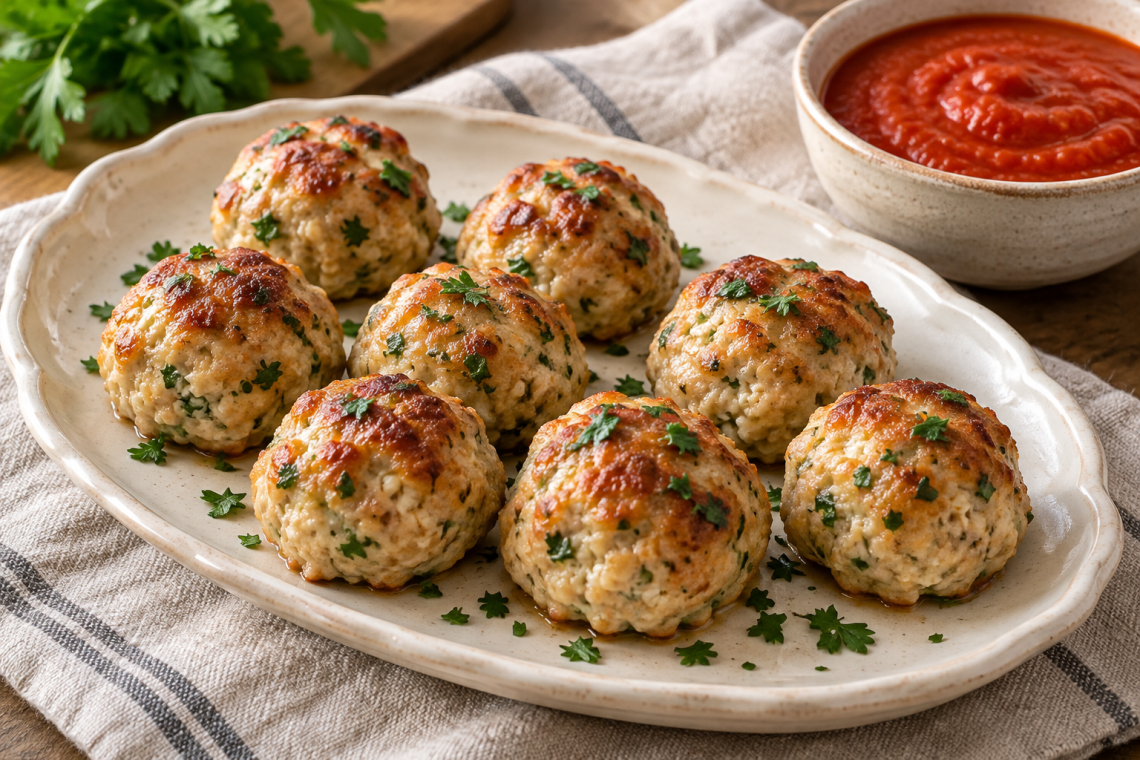
Ricotta can soften a small batch of pork meatballs, but the amount needs to stay controlled when there are no breadcrumbs to absorb extra liquid. These small batch pork ricotta meatballs without breadcrumbs use half a pound of ground pork, drained ricotta, one egg yolk, and a little Parmesan. The batch makes eight meatballs for two dinner portions.
The texture is tender with a gently firm surface, rather than the fluffy structure of a bread-and-milk meatball. Draining loose ricotta and keeping the pork cold help the mixture hold its shape. A short rest before baking makes portioning easier without adding an unmeasured handful of dry ingredients.
Use ricotta moisture as part of the binder
| Ricotta | Drain if visibly wet so the mixture holds without breadcrumbs. |
| Mixing | Combine only until uniform; overworking pork creates a firm, springy meatball. |
| Resting | Chill a soft mixture briefly so it is easier to shape; keep the measured ricotta and yolk amounts unchanged. |
| Shaping | Use equal portions and damp hands, then place with space for even browning. |
Check the centers of several meatballs with a thin-tip thermometer: ground pork must reach at least 160°F / 71°C. Let the cooked batch stand for 3 minutes before lifting it from the pan.
Small-batch measurements
Yield: 8 meatballs; 2 servings of 4. Prep: 15 minutes. Chill: 10 minutes. Bake: approximately 18–22 minutes. Stand: 3 minutes. Total: about 50 minutes. Heat a conventional oven to 400°F / 200°C.
Use a small bowl, a fine-mesh strainer if the ricotta is wet, a 13-by-9-inch rimmed metal baking pan or a larger sheet, suitable parchment, a kitchen scale if available, and a thin-tip thermometer. A scale is particularly helpful when a small quantity of mixture needs to become eight similar portions.
Ingredients
- 8 ounces ground pork, 227 grams, thawed and cold
- ¼ cup whole-milk ricotta, approximately 60 grams, measured after draining visible loose liquid
- 1 large egg yolk
- 2 tablespoons finely grated Parmesan, approximately 12 grams
- 1 tablespoon finely grated onion, squeezed to remove excess juice
- ½ teaspoon dried parsley or 1½ teaspoons chopped fresh parsley
- ¼ teaspoon dried oregano
- ¼ teaspoon garlic powder
- ¼ teaspoon fine salt
- ⅛ teaspoon black pepper
- 1 teaspoon olive oil for the pan or parchment
- 1 cup prepared tomato sauce, optional, warmed separately
- 1 tablespoon chopped parsley, optional, for serving
Whole-milk ricotta gives a richer result than a very lean variety. Some brands are thick enough to use immediately; others have obvious whey around the curds. If liquid collects in the container, drain in a fine-mesh strainer in the refrigerator before measuring. The goal is thick, spoonable ricotta, not a completely dry cheese.
An egg yolk adds richness with less water than a whole egg. Using the entire egg in this half-pound batch changes the moisture balance and can make the mixture harder to shape. Save the unused white in a covered container in the refrigerator for another suitable preparation rather than adding it automatically.
Two preparation details to check before baking
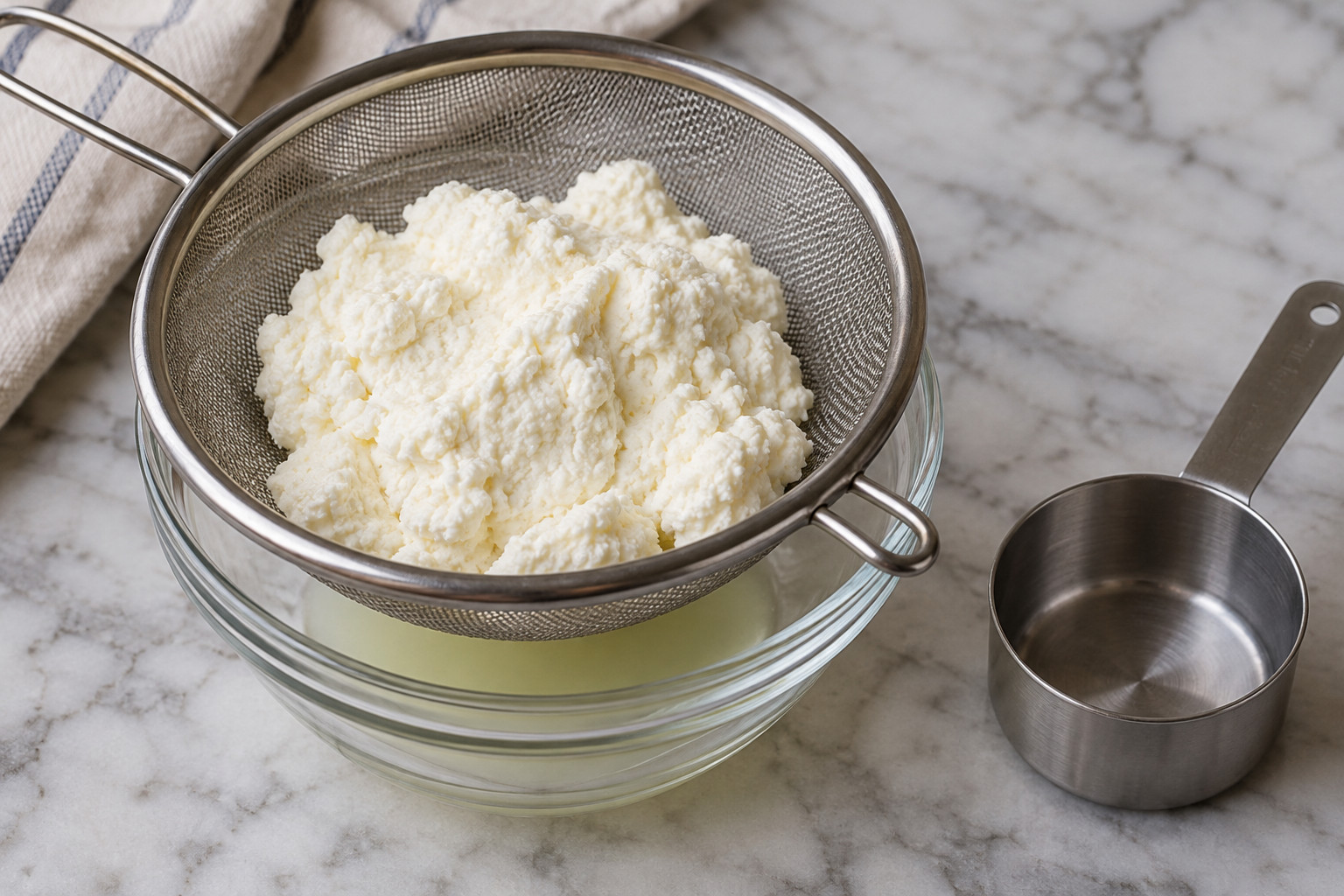
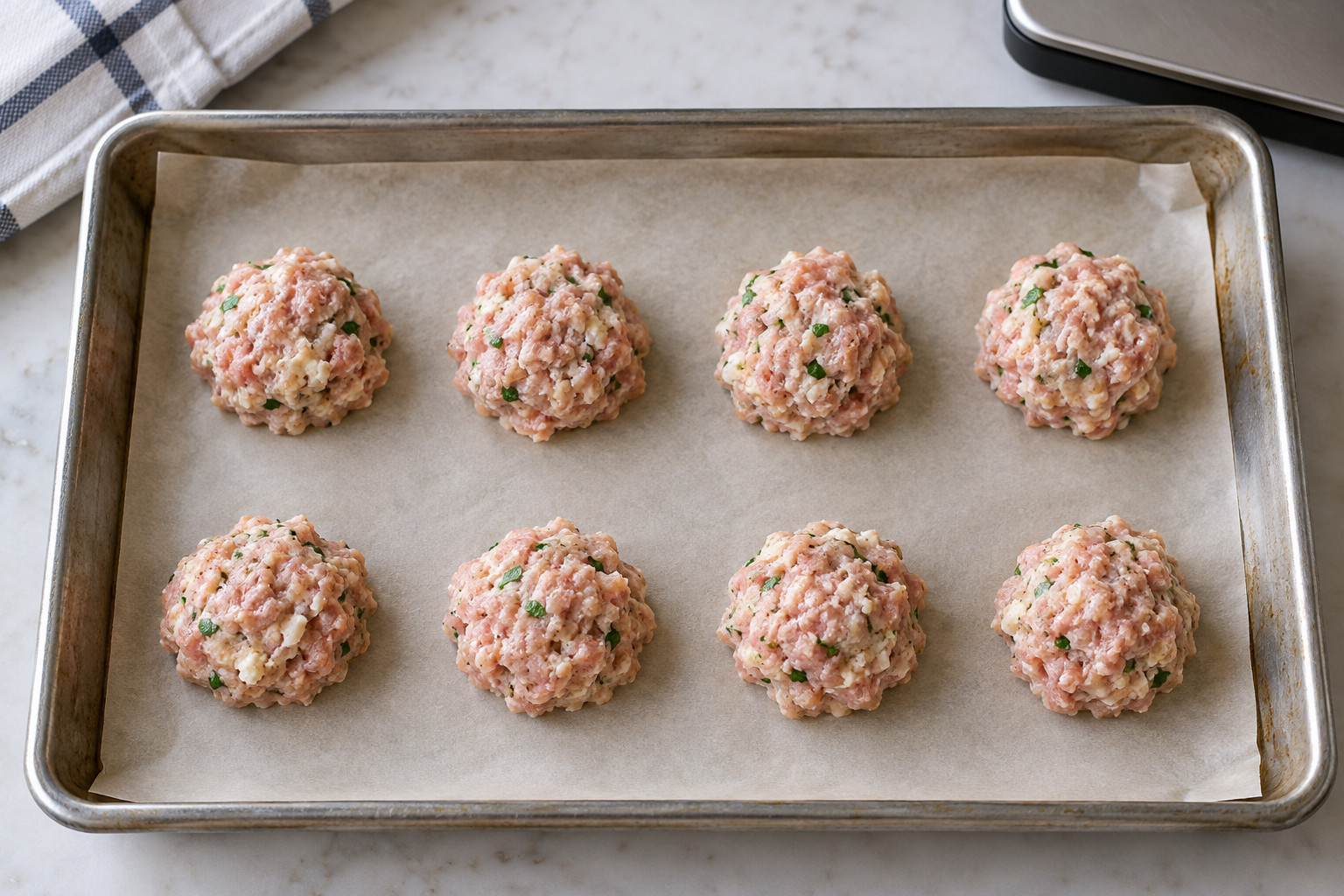
Mix and bake small batch pork ricotta meatballs without breadcrumbs
- Prepare the oven and pan. Heat to 400°F with a rack in the center. Line the rimmed pan with parchment rated for this temperature and brush lightly with the teaspoon of oil. Make sure the pan has a rim to catch rendered fat.
- Blend the smaller ingredients. In the bowl, stir ricotta, egg yolk, Parmesan, squeezed onion, parsley, oregano, garlic powder, salt, and pepper. Break up any large ricotta lumps with a fork so the seasoning can distribute evenly without excessive mixing after the pork is added.
- Fold in the pork and chill. Add cold ground pork and fold gently with a fork or clean hands until just combined. Avoid kneading. Cover and refrigerate for 10 minutes. The mixture should be soft but able to hold a rounded mound when lifted with a spoon.
- Divide by mass or by equal portions. Divide into eight portions of approximately 40–42 grams each, depending on the cheese and onion moisture. If you do not have a scale, divide the mixture into two equal halves, then divide each half into four. Roll lightly into balls about 1½ inches across and place at least 1 inch apart.
- Bake and verify. Bake for 15 minutes before the first check. Insert a thin thermometer from the side into the center of several meatballs. Continue in 2–3-minute intervals until they reach at least 160°F / 71°C. Expect roughly 18–22 minutes total, but use the center temperature rather than the clock to decide.
- Stand, then serve. Let the cooked meatballs stand for 3 minutes so they are easier to lift. Move with a thin spatula to clean plates. Serve four per portion, plain or gently coated in separately warmed tomato sauce, and add optional parsley.
Why the ricotta quantity matters
Ricotta contributes tenderness, but it also carries moisture. In a breadcrumb-free mixture, adding a large extra spoonful can change how the meatballs hold together. The small amount of Parmesan supplies seasoning and structure, while the ground pork itself firms as it cooks. No ingredient needs to be piled in beyond the measured amount.
If the mixture is too loose to shape, first check that it is cold. Return it to the refrigerator briefly if it has warmed during preparation. If the ricotta was visibly wet, a longer chill cannot remove that liquid; for the next batch, drain it before measuring. Do not keep adding cheese until the texture happens to feel right, because that also increases salt and changes the result.
A teaspoon-sized cooked sample can help you judge seasoning without tasting raw meat. Cook the sample separately to 160°F, let it cool, and taste. Keep the rest of the mixture refrigerated while you do this. Adjust only modestly so the small batch remains balanced.
Reading doneness correctly
The safe minimum for ground pork is 160°F, according to the FoodSafety.gov temperature chart. The lower temperature used for whole pork chops does not apply to ground meat. Check several meatballs, especially if one is larger or sits in a cooler part of the pan.
The outsides may remain lightly golden. Do not extend the bake just to create a dark crust if the centers have already reached their endpoint. Ricotta keeps the interior pale, and pork color alone does not verify safety. A thin thermometer probe placed in the middle is more useful than cutting every meatball open.
For additional probe-placement guidance, see how to know when meatballs are done without drying them out. Use the specific 160°F ground-pork endpoint for this recipe.
Troubleshooting a small mixture
| Problem | Likely cause | Useful adjustment |
|---|---|---|
| Mixture slumps | Wet ricotta, whole egg used, or warm pork | Keep ingredients measured and cold; drain ricotta before the next batch. |
| Dense texture | Heavy mixing or compact rolling | Fold briefly and round portions with light pressure. |
| Dry meatballs | Very lean pork or excess cooking | Use pork with some fat and begin checking before the upper time estimate. |
| Uneven cooking | Different portion sizes | Divide into eight equal portions before rolling. |
Small batches amplify measuring errors. An extra quarter cup of cheese is a large change when there is only half a pound of meat. Use level measures and the listed weights where practical, and avoid estimating the egg yolk by pouring part of a beaten whole egg unless you are deliberately developing another formulation.
Serving ideas for two
Four meatballs each work well with pasta and a modest amount of tomato sauce. For bowls, serve with rice, cucumber, and a little yogurt sauce. For sandwiches, halve the meatballs before placing them inside rolls so they sit securely and are easier to bite.
When using sauce, bake the meatballs first and add them gently once both components are hot. A vigorous simmer can roughen or break their tender surface. Keep the sauce quantity proportionate to the batch; one cup is enough to coat eight meatballs without turning the dish into a large pot of sauce.
Substitution limits
Ground beef can replace pork by the same weight, with the same 160°F endpoint, but changes the flavor and fat release. Ground chicken or turkey must reach 165°F and may produce a drier meatball. Do not use the pork endpoint for a poultry substitution.
Low-fat ricotta can be used only with attention to its moisture and texture; it is not guaranteed to behave exactly like whole-milk ricotta. Cottage cheese has a different curd structure and water content. Omitting the yolk or Parmesan would also change the formulation, so this is not an egg-free or dairy-free recipe.
The recipe contains no breadcrumbs or flour, but verify all packaged ingredients and prevent cross-contact when cooking for someone who must avoid gluten. A breadcrumb-free title alone does not confirm the suitability of a finished meal for a specific allergy or medical dietary need.
Storage and reheating
Refrigerate cooked meatballs in shallow containers within 2 hours, or within 1 hour above 90°F. Store at 40°F or below for 3–4 days, following USDA leftover guidance. Reheat to 165°F, preferably covered with a little sauce or broth to reduce drying.
To freeze, chill promptly, arrange in a single layer until firm, then transfer to a labeled container. Use within 2 months as a practical quality target. Thaw in the refrigerator before reheating. A small batch can also be divided into two separate meal portions so you warm only what you need.
Frequently asked questions
Why use only the yolk?
It adds richness while limiting extra water in this half-pound batch. A whole egg is a substantial liquid addition relative to the other ingredients. Keep the unused white for another dish.
Do I always drain the ricotta?
Drain when there is visible loose liquid or the cheese slides off a spoon. A thick product may need little draining. Measure the quarter cup after any draining so the amount of actual cheese stays consistent.
Can I double the recipe?
Yes. Double every ingredient, including using two yolks, and make sixteen portions of the same size. Use a larger sheet so the meatballs remain separated. Check multiple centers rather than assuming all finish together.
Can I make larger meatballs?
You can, but the yield and timing change. Equal 40–42-gram portions make eight meatballs and fit the written schedule. Larger portions need later temperature checks and may be more delicate to move.
Must I turn them during baking?
No. Leaving them undisturbed helps the bottoms set. Rotate the pan if your oven has a hot spot, then check several pieces. Use a thin spatula for removal after the brief stand.
What is the most important measurement?
For small batch pork ricotta meatballs without breadcrumbs, measure the drained ricotta and keep the batch to one yolk. Those choices control moisture before the mixture reaches the baking pan.
Set up a clean shaping station
Put the lined baking pan beside the mixing bowl before touching the pork. Keep a small bowl of water for dampening your hands, a clean spatula for cooked meatballs, and the thermometer within reach. This avoids opening drawers with hands that have handled raw meat. Wash your hands and clean the work surface after shaping, then switch to clean utensils for checking and serving.
For evenly sized meatballs, weigh the finished mixture rather than assuming that every brand of ricotta gives exactly the same batch weight. Divide that weight by eight. The listed 40–42 grams is a useful guide, but the more important point is that the eight portions are similar. Roll with light pressure; smoothing every tiny surface crack can mean handling the meat more than necessary.
Prepare the side dish during the bake, but keep a little room in the schedule for extra temperature checks. If the meatballs finish first, serve them with the warmed sauce rather than continuing to bake them while pasta water comes to a boil. A shallow platter keeps the pieces easy to lift, and serving the sauce separately lets each person choose how much to add.
A helpful note for the next batch is the ricotta brand, whether it needed draining, and the actual cooking time in your pan. Those details explain more than a general comment such as 'too soft.' Keep the ingredient amounts steady while changing one handling step at a time, so you can identify what improved the texture.
Practical details for small batch pork ricotta meatballs without breadcrumbs
The eight portions in small batch pork ricotta meatballs without breadcrumbs make it easy to plan a complete meal for two. Before mixing, decide whether they will accompany pasta, a grain bowl, or rolls. That choice tells you which serving utensils and side ingredients to prepare during the bake, leaving the last few minutes free for lifting the tender meatballs and assembling the plates.
Prepare the small ingredients with care
Grate the onion into a separate small dish rather than directly over the pork bowl. This gives you a chance to remove excess juice and measure the tablespoon that actually belongs in the mixture. A whole wedge of onion can produce more than expected. Keep the remaining onion for another use instead of adding it simply because it is already grated; the batch is too small for that extra moisture to be incidental.
Use finely grated Parmesan and break up any packed clumps before measuring. If weighing it, use the stated weight as the reference, since fluffy shreds and firmly packed cheese occupy different volumes. Blend it thoroughly with the smaller ingredients before adding pork. A little extra attention at this stage distributes the seasoning without requiring repeated mixing once the meat is present.
Leave room for the serving spatula
As you arrange the eight rounded portions, think about the space needed to lift each one later. Leave a clear approach from the pan’s edge instead of putting a meatball tightly into a corner. The stated gaps help with cooking, and an orderly arrangement also makes it easier to slide the spatula underneath without nudging neighboring portions. Keep the parchment flat where each meatball rests.
After the brief stand, approach underneath with the spatula held close to the pan. If a piece clings, work around its base gently rather than pulling upward on the rounded top. Do not squeeze a tender meatball between narrow tongs to force it free. A slightly irregular base is preferable to breaking the whole portion while trying to preserve a perfectly round appearance.
Keep tomato sauce as a controlled finish
Warm the optional sauce in its own small saucepan while the meatballs bake, using its preparation directions. Stir it before serving so you can assess its consistency. A thick prepared sauce can be spooned beneath or beside the meatballs; a looser one is easier to distribute over pasta. The measured cup is a modest accompaniment for this batch, not a reason to immerse the meatballs in a large simmering pot.
For pasta, divide the cooked pasta between two bowls and use some sauce to coat it before adding four meatballs to each. Spoon the remaining sauce where it is needed rather than stirring the meatballs vigorously through the strands. This protects their shape and lets both people receive the same share. Have the pasta ready to drain near the end of baking, allowing room for any additional cooking checks.
Adapt the plate without changing the mixture
For grain bowls, place the separately cooked grain and crisp vegetables first, then add the meatballs. Keep a cool yogurt-style accompaniment on the side if using one, so diners can choose how much reaches the warm meat. This creates contrast through the serving arrangement rather than adding more ingredients to the meatball mixture, where they could change its structure.
For rolls, halve the cooked meatballs and arrange the flat sides against the bread. They will sit more securely than whole spheres and are easier to distribute along the roll. Begin with a small amount of sauce and offer the rest for dipping. Cut the sandwich into manageable sections if desired, and serve promptly so the bread retains some structure around the tender filling.
More recipes for your table
Choose a companion dish or another recipe for the ingredients you have. Each link opens its own instructions and printable recipe.
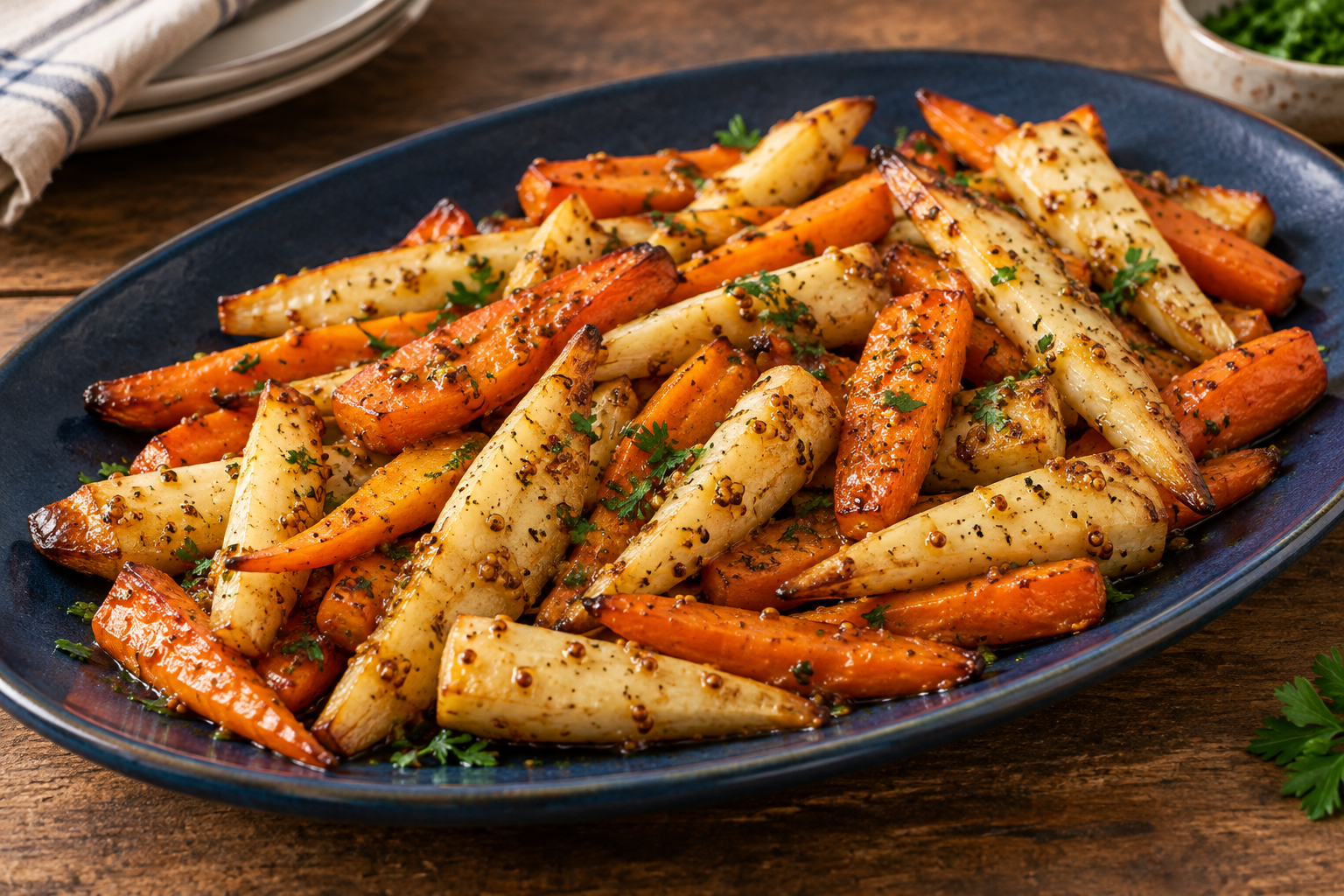
A roasted vegetable side with a bright mustard finish.
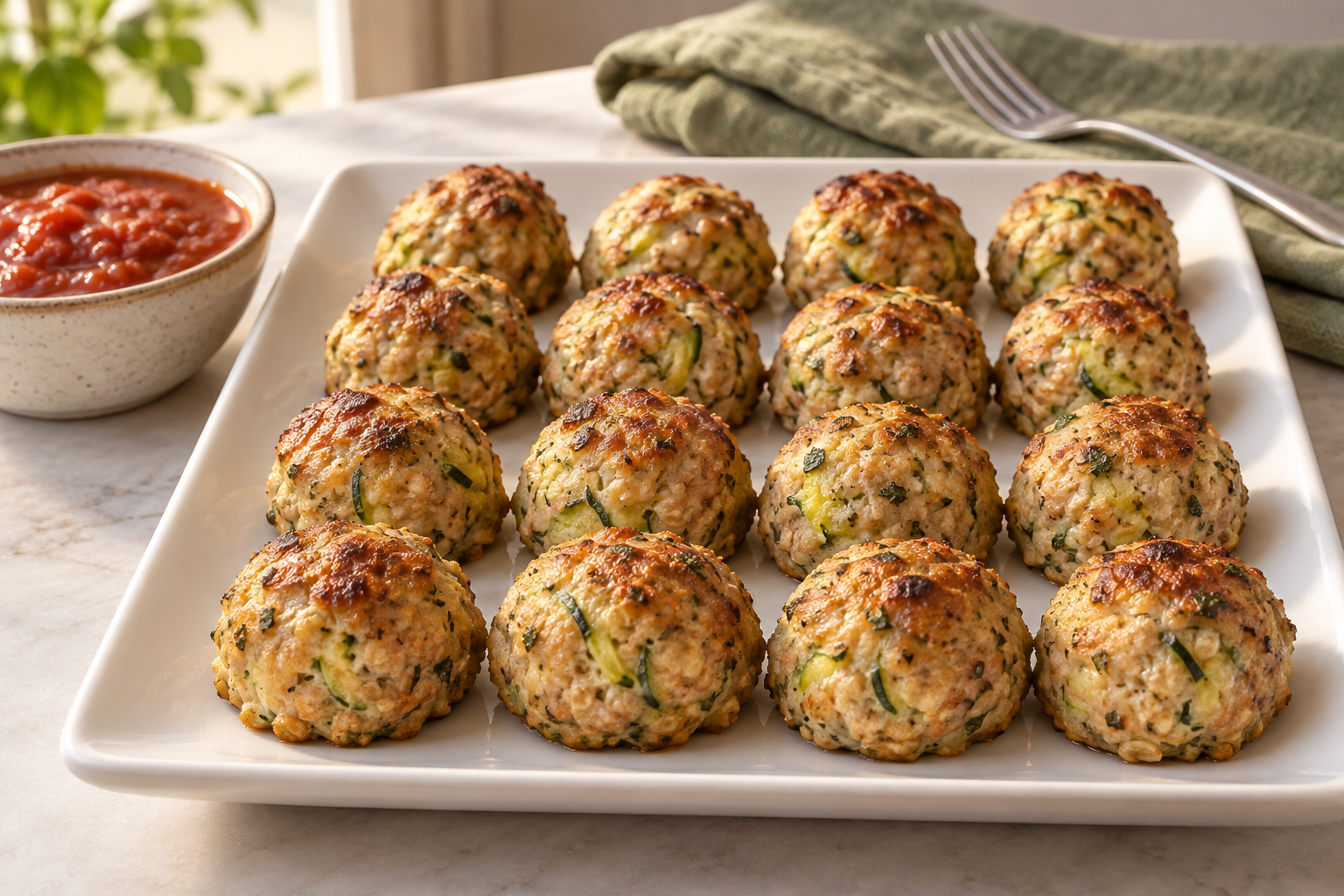
Another meatball method, with zucchini and an egg-free binder.
Equipment for this recipe
Affiliate disclosure: As an Amazon Associate I earn from qualifying purchases.
Use the tools you already have when they match the method. If you need an item, these links open matching Amazon search results.
- Instant-read food thermometer on Amazon — Check the center temperature using the target in the recipe.
- Rimmed baking sheet on Amazon — Choose a tray that fits your oven and leaves the food room to spread.
Check the size, material, and manufacturer’s use instructions against the recipe before choosing.
Useful kitchen references
- FoodSafety.gov temperature chart — Minimum cooking and reheating temperatures.
- FoodSafety.gov leftover guidance — A practical reference for chilling and reheating.
Small Batch Pork Ricotta Meatballs Recipe Card
Use the recipe card’s Print control for a kitchen copy. Follow the ingredient quantities and cooking checks in the card when preparing the dish.
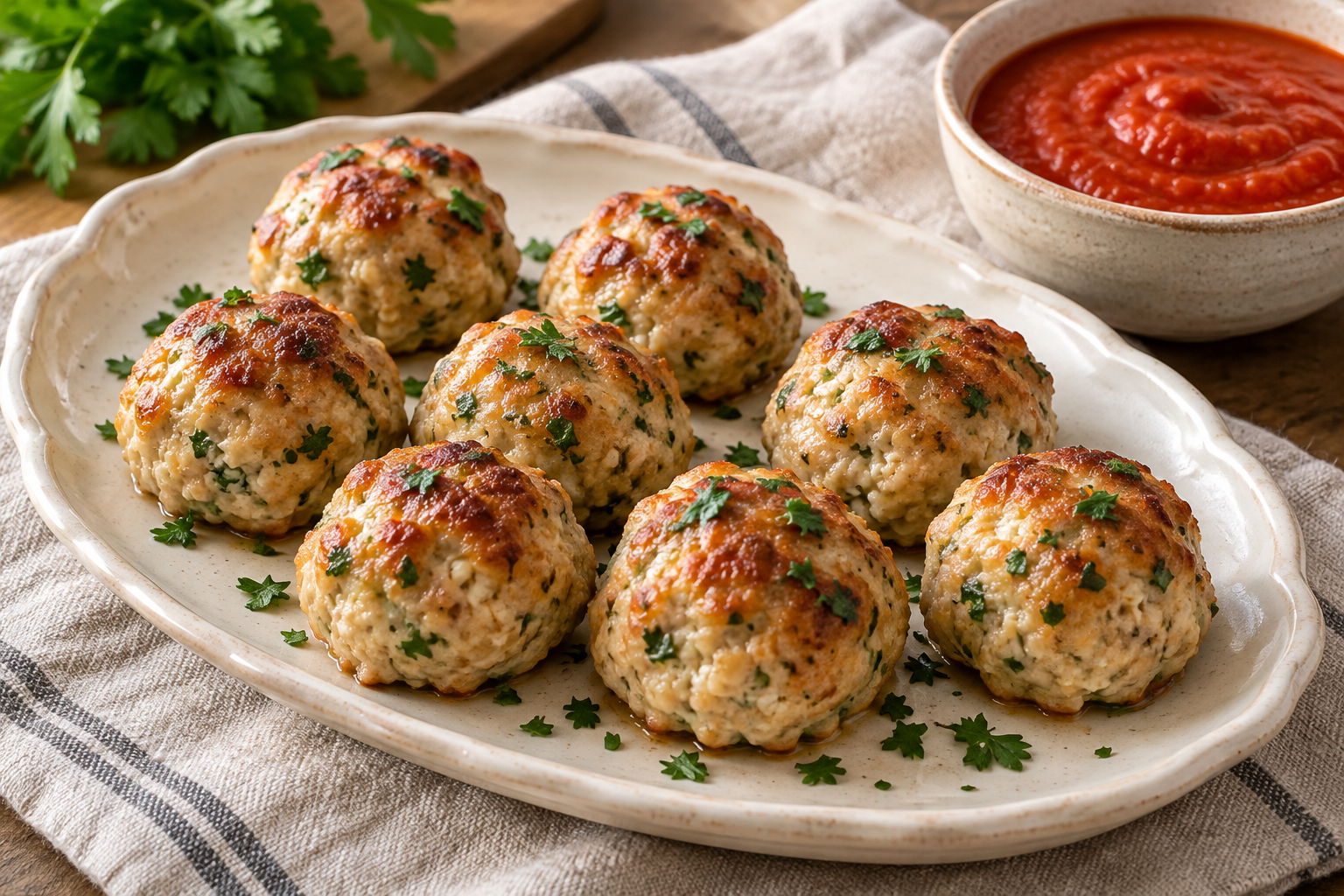
Small Batch Pork Ricotta Meatballs Without Breadcrumbs
Ingredients
Equipment
Method
- Place a rack in the center of the oven and preheat to 400°F / 200°C. Line a rimmed pan with parchment rated for this temperature and brush lightly with the olive oil.
- Stir the ricotta, egg yolk, Parmesan, squeezed onion, parsley, oregano, garlic powder, salt and pepper in a bowl. Break up large ricotta lumps so the seasoning distributes evenly.
- Add the cold ground pork and fold gently with a fork or clean hands just until combined; do not knead. Cover and refrigerate for 10 minutes. The mixture should remain soft but hold a rounded mound on a spoon.
- Divide the mixture into eight portions of approximately 40–42 g each. If working without a scale, divide it in half, then divide each half into four. Roll lightly into 1½-inch balls and place at least 1 inch apart.
- Bake for 15 minutes before the first check. Insert a thin thermometer from the side into the center of several meatballs. Continue in 2–3-minute intervals until every checked center reaches at least 160°F / 71°C, approximately 18–22 minutes total.
- Let the cooked meatballs stand for 3 minutes, then lift them with a thin spatula. Serve four per portion, plain or gently coated with separately warmed tomato sauce, and add parsley if desired.