
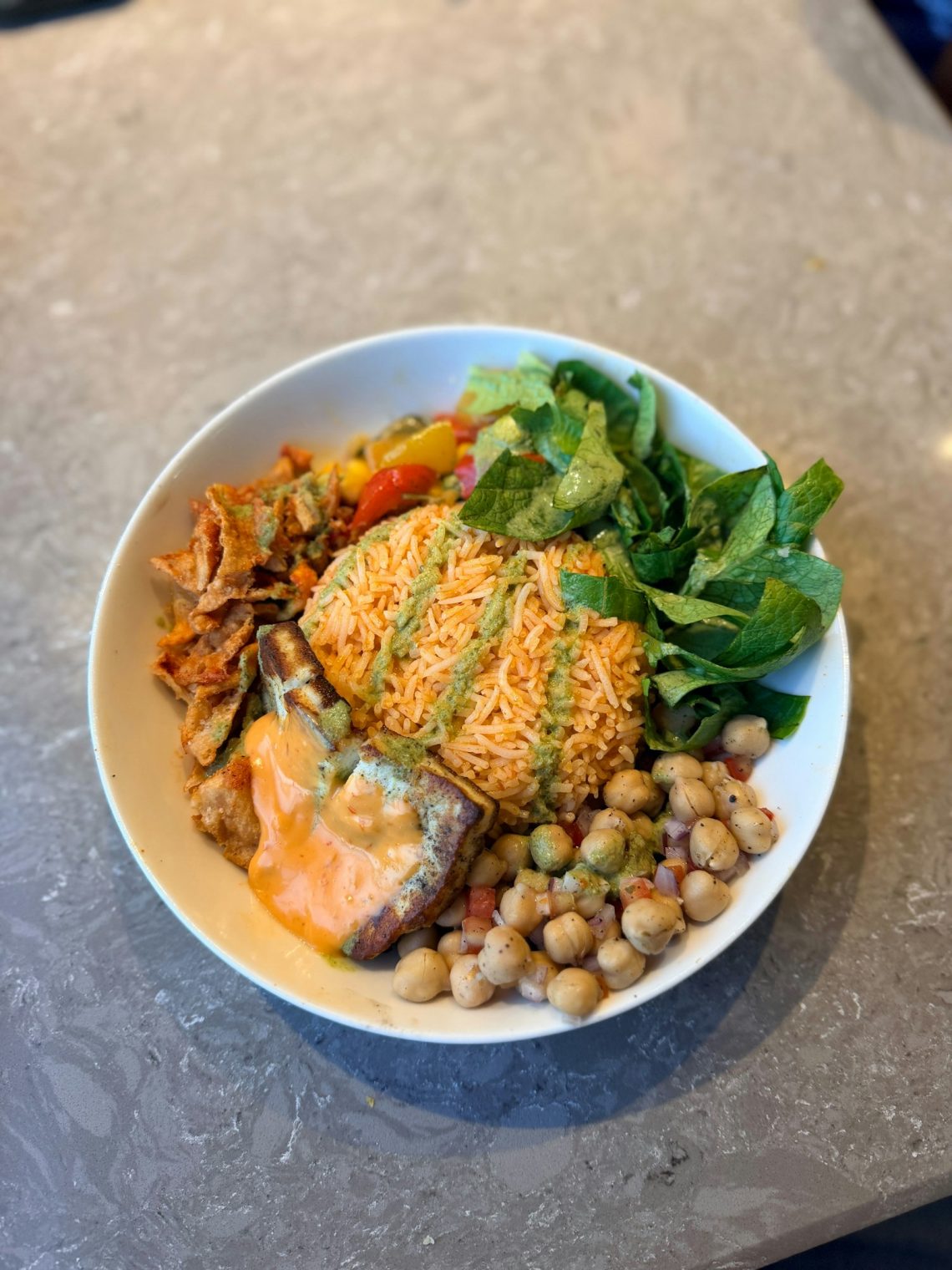
This warm bulgur with canned chickpeas and carrots combines small tender grains, softly cooked carrot dice and whole chickpeas in one pot. Cumin and a restrained pinch of cinnamon give the mixture warmth, while parsley keeps the finish fresh. It is a useful light supper or a substantial side alongside a simply cooked main dish.
Affiliate disclosure: As an Amazon Associate I earn from qualifying purchases. These paid links open Amazon search results for comparing equipment.
Use a 3-quart saucepan with a tight lid (paid link) for the one-pot bulgur and measure the cooking liquid in a measuring jug (paid link) before you begin. A fine-mesh strainer (paid link) makes rinsing canned chickpeas easy, and a sharp chef’s knife (paid link) helps you cut the small, even carrot dice.
The carrots begin cooking before the bulgur is added. That gives the roots a head start while protecting the grain from a long, unnecessary simmer. After the liquid is absorbed, a covered rest lets the mixture settle before you fluff it. The result should be moist and tender with visible grains, not a wet porridge.
Tip: sequence one-pot bulgur with canned chickpeas and carrots by texture
- Cut carrots small enough to soften within the bulgur’s package cooking time.
- Toast or sauté the bulgur only if appropriate for its grind, then add the measured hot liquid.
- Fold drained chickpeas in after the carrots begin softening so the beans remain whole.
- Rest the covered pot before fluffing; bulgur finishes absorbing liquid off the burner.
If the grains are tender but liquid remains, uncover briefly. If they are firm and dry, add hot water in small amounts rather than changing the seasoning balance.
Check the bulgur grind
Use medium or coarse bulgur intended for stovetop cooking. Very fine bulgur hydrates differently and is not the product this method is designed around. Packages may describe the grind with numbers or words, so read the cooking directions as well as the front label.
The recipe uses 2 cups broth for 1 cup bulgur as a starting point. If your package gives a different liquid amount for that quantity, use its amount and keep the vegetable quantities the same. The carrots should already be partly softened before the grain enters the pot. Bulgur is wheat, so it is not a gluten-free grain.
Recipe at a glance
- Yield: 4 light main-dish servings.
- Preparation: 15 minutes.
- Cooking and rest: about 35–40 minutes.
- Total: about 50–55 minutes.
- Equipment: heavy 3-quart saucepan with a tight lid, colander, sharp knife, measuring jug and fork.
Ingredients
- 1 cup medium or coarse bulgur
- 1 can chickpeas, 15 ounces, drained and rinsed
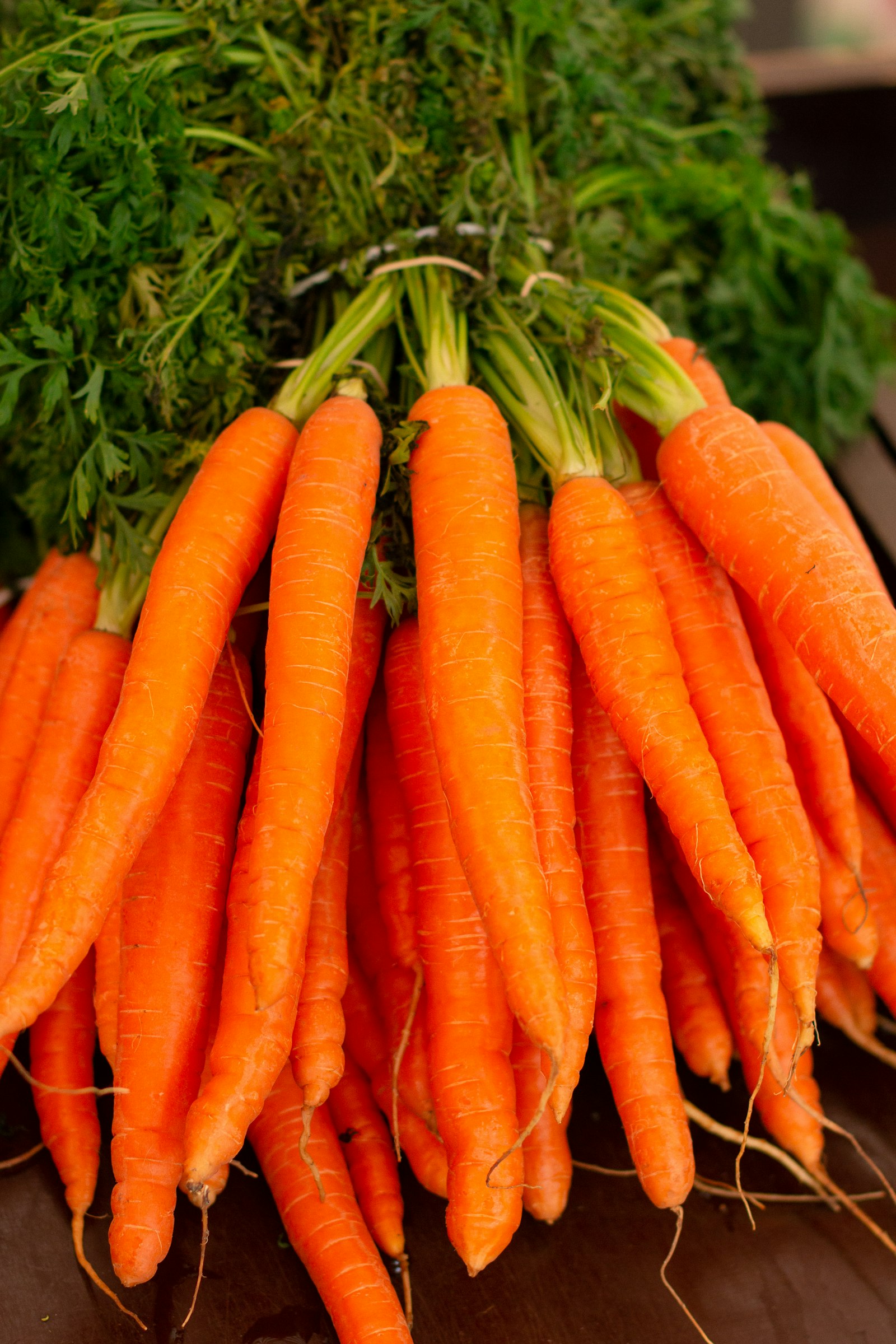
- 8 ounces carrots, approximately 225 g, cut into 1/4-inch dice
- 1 small yellow onion, approximately 100 g, finely diced
- 1 1/2 tablespoons olive oil
- 1 garlic clove, minced
- 1 teaspoon ground cumin
- 1/8 teaspoon ground cinnamon
- 2 cups low-sodium vegetable broth, or the amount directed for the bulgur package
- 1/2 teaspoon fine salt, divided, plus more if needed
- 1/4 teaspoon black pepper
- 2 tablespoons raisins, optional
- 3 tablespoons chopped fresh parsley
- 1 teaspoon apple cider vinegar, optional, added to taste
- 2 to 4 tablespoons hot water, only if needed
The small carrot dice are intentional. Large coins would need more cooking and would not distribute as evenly through the grain. Raisins add occasional sweet bites but are optional; leave them out if you prefer a fully savory direction. Keep the cinnamon to the stated small amount so it supports the carrots rather than making the pot taste sweetly spiced.
Cook bulgur with canned chickpeas and carrots
- Soften the vegetables. Warm the oil in the saucepan over medium heat. Add the onion, carrot dice and 1/4 teaspoon salt. Cook for 8 to 10 minutes, stirring frequently, until the onion is translucent and the carrots are beginning to soften. Add a tablespoon of water if the pan starts to dry out.
- Warm the spices. Add the garlic, cumin and cinnamon. Stir for 30 seconds, then add the dry bulgur. Stir for about 1 minute so the grains are evenly coated in the aromatic oil.
- Add the remaining ingredients. Stir in the drained chickpeas, broth, remaining measured salt, pepper and optional raisins. Bring to a gentle boil. Stir once to distribute everything, then reduce the heat to low and cover tightly.
- Simmer gently. Cook according to the bulgur package, generally about 12 to 15 minutes for a medium or coarse grind, until the liquid is mostly absorbed. Check a few grains and a carrot piece. Both should be tender, with a little texture remaining in the bulgur.
- Rest the pot. Turn off the heat and leave covered for 10 minutes. If the grain was still firm and the pot was dry at the check, add 2 tablespoons hot water and cook a few more minutes before starting this rest.
- Fluff and finish. Lift the mixture gently with a fork to separate the grains without crushing the chickpeas. Fold in the parsley. Taste and adjust salt if needed. Add the optional vinegar a few drops at a time only if the finish needs brightness. Serve warm.
Why the rest is part of the recipe
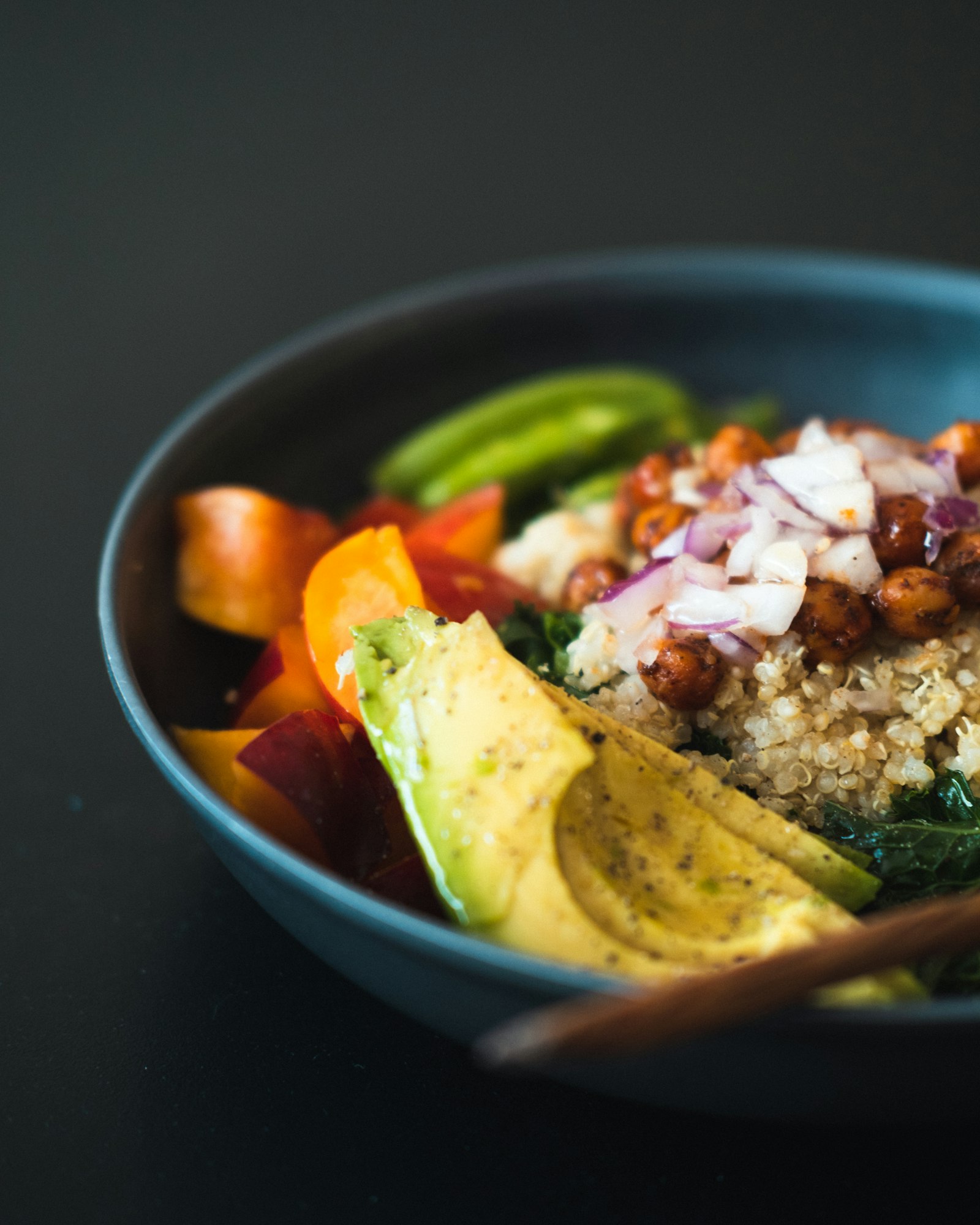
The covered rest gives the grain time to finish absorbing moisture without continued direct heat. If you stir vigorously the moment the burner is turned off, the mixture may seem wetter or stickier than it will after resting. Leave it covered, then fluff gently instead of stirring it into a compact mass.
A heavy saucepan and a low simmer help protect the bottom. If the lid rattles and steam pours out continuously, the heat is probably higher than necessary. A loose lid can let the liquid disappear before the grain is tender. Keep a small amount of hot water nearby so you can correct a dry pot without adding a large, cold splash.
Check these textures
| Ingredient | Desired finish |
|---|---|
| Bulgur | Tender grains with a little chew and no hard center |
| Carrots | Soft enough to bite easily, still visible as small cubes |
| Chickpeas | Hot throughout and mostly whole |
| Overall pot | Moist, with no puddle of broth beneath the grain |
If the bulgur is tender but the carrots are firm, the dice were likely too large or needed a longer head start. Add a small splash of water and cook gently, accepting a softer grain in that batch. Next time, keep the carrot pieces small and check their progress before adding the bulgur.
Frequently Asked Questions
Can I use fine bulgur?
Fine bulgur needs a different hydration method and can become too soft with this simmer. Choose medium or coarse bulgur for the main recipe. If you only have fine bulgur, prepare it according to its package and combine it with separately cooked vegetables and chickpeas.
Can I use dried chickpeas?
Cook them separately until tender, then measure about 1 1/2 cups drained chickpeas. Dry chickpeas cannot cook in the short bulgur schedule. If using previously cooked chickpeas, their existing storage time still counts after they enter the pot.
Can I omit the raisins?
Yes. They are an optional sweet accent and do not control the grain’s cooking. The carrots already provide some sweetness. Do not add extra sugar to compensate; simply leave the raisins out and taste the savory finish.
Can bulgur with canned chickpeas and carrots be eaten cold?
Yes after prompt, safe refrigeration. The grains will absorb more moisture, so loosen the chilled portion with a little water or a few drops of olive oil if needed. Add fresh parsley just before eating for a brighter finish.
Can I substitute rice?
Rice has its own liquid ratio and cooking time. It is better to use a rice recipe designed for those needs rather than make a direct swap in this pot. The short schedule and final texture here depend on bulgur.
How can I add more vegetables?
A small amount of diced bell pepper could cook with the onion. Avoid adding several cups of watery vegetables without reassessing the liquid and pan size. These changes are development suggestions, not tested equivalent versions.
Serving options
Serve with sliced cucumber, tomatoes or a crisp salad for a simple lunch. Plain yogurt can be offered separately if dairy is welcome at the table. For a more substantial dinner, use the bulgur as a side to chicken, fish or roasted vegetables. The cumin and carrot flavor pairs best with an accompanying dish that is not heavily sauced.
If serving to a group with different preferences, put extra herbs and chili flakes on the table. Keep the base batch mild. A small sprinkle of toasted sunflower seeds adds crunch, but stir them in only at serving so they do not soften in the warm grain.
Storage and reheating
Refrigerate portions in shallow containers within 2 hours, or within 1 hour above 90°F. Keep at 40°F or below and use within 3 days. Reheat with a splash of water, covered loosely, stirring gently until the center reaches 165°F. Fluff afterward rather than pressing the grain down.
For freezing, portion the cooled mixture into airtight containers and use within about 2 months for quality. Thaw in the refrigerator before reheating. The carrots and chickpeas will be a little softer, and the bulgur may need more added water than a refrigerated portion. Finish with fresh parsley if available.
For a cool lunch that uses the same grain in another way, see our bulgur, lentil and cucumber bowls. Our couscous, cannellini and roasted carrot bowls offer a separate oven-and-grain meal.
Food handling references: FDA storage guidance and FoodSafety.gov reheating temperatures.
One-Pot Bulgur With Canned Chickpeas and Carrots
Ingredients
Equipment
Method
- Soften the vegetables. Warm the oil in the saucepan over medium heat. Add the onion, carrot dice and 1/4 teaspoon salt. Cook for 8 to 10 minutes, stirring frequently, until the onion is translucent and the carrots are beginning to soften. Add a tablespoon of water if the pan starts to dry out.
- Warm the spices. Add the garlic, cumin and cinnamon. Stir for 30 seconds, then add the dry bulgur. Stir for about 1 minute so the grains are evenly coated in the aromatic oil.
- Add the remaining ingredients. Stir in the drained chickpeas, broth, remaining measured salt, pepper and optional raisins. Bring to a gentle boil. Stir once to distribute everything, then reduce the heat to low and cover tightly.
- Simmer gently. Cook according to the bulgur package, generally about 12 to 15 minutes for a medium or coarse grind, until the liquid is mostly absorbed. Check a few grains and a carrot piece. Both should be tender, with a little texture remaining in the bulgur.
- Rest the pot. Turn off the heat and leave covered for 10 minutes. If the grain was still firm and the pot was dry at the check, add 2 tablespoons hot water and cook a few more minutes before starting this rest.
- Fluff and finish. Lift the mixture gently with a fork to separate the grains without crushing the chickpeas. Fold in the parsley. Taste and adjust salt if needed. Add the optional vinegar a few drops at a time only if the finish needs brightness. Serve warm.
Notes
| Ingredient | Desired finish |
|---|---|
| Bulgur | Tender grains with a little chew and no hard center |
| Carrots | Soft enough to bite easily, still visible as small cubes |
| Chickpeas | Hot throughout and mostly whole |
| Overall pot | Moist, with no puddle of broth beneath the grain |




