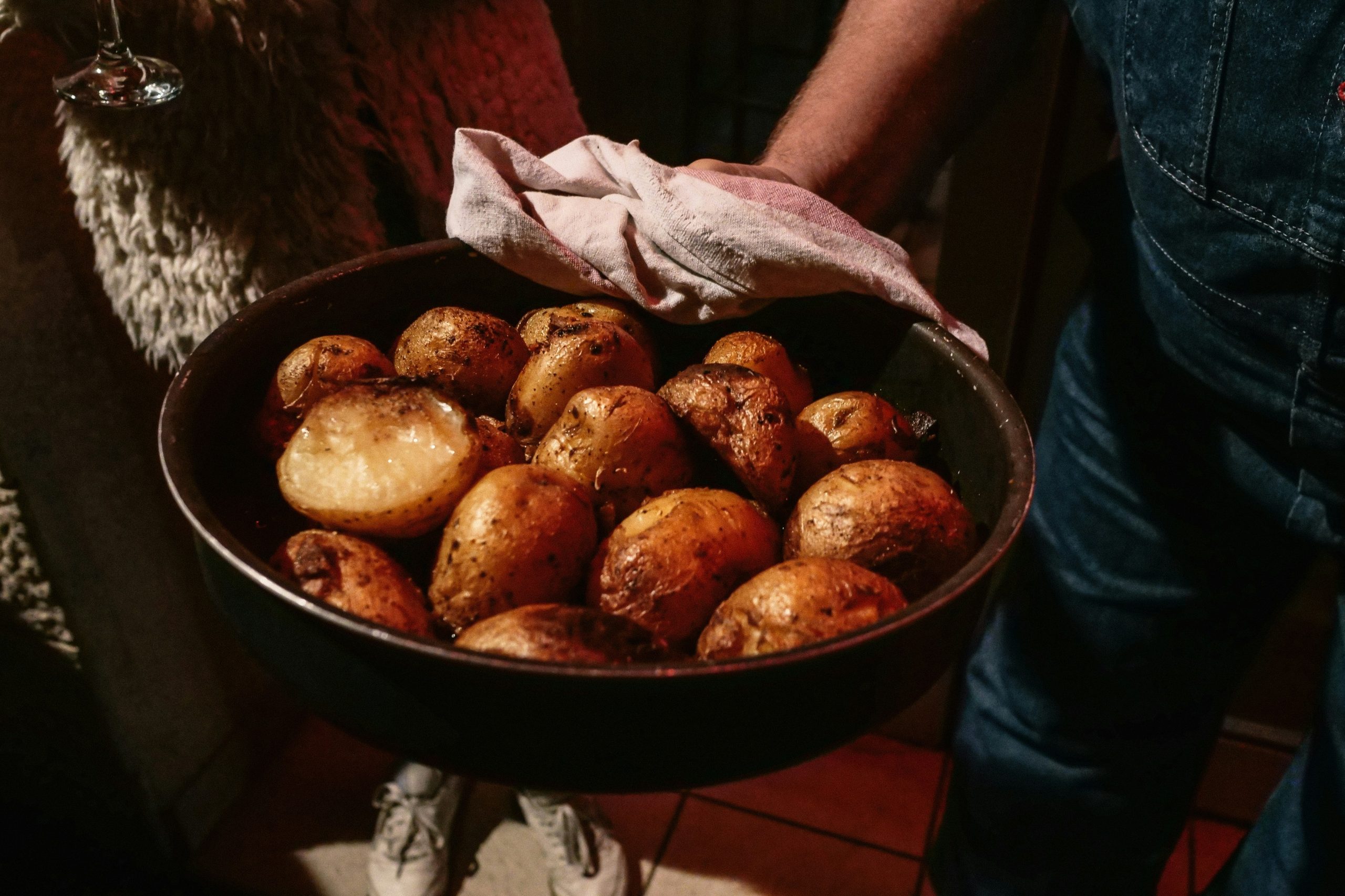
A canned mackerel potato skillet is a fast, budget-friendly dinner: parboiled Yukon Gold potatoes and green beans are browned in a wide pan, softened red onion goes in, and plain canned mackerel is folded through at the end with a warm lemon-Dijon dressing and parsley. It takes about 40 minutes, serves three, and tastes bright and savory rather than heavy, a bit like a warm Niçoise salad in skillet form.
Recipe at a glance
Prep: 15 minutes · Cook: 25 minutes · Serves: 3
Pan: 12-inch skillet plus a saucepan
The method in one line: parboil potatoes and beans, let them steam-dry, brown them, soften onion, then fold in mackerel and dressing over low heat.
Affiliate disclosure: As an Amazon Associate I earn from qualifying purchases. The paid links below open Amazon search results so you can compare suitable tools.
Why this canned mackerel potato skillet works
Parboiling first. Raw potato cubes take a long time to cook through in a skillet and often burn outside before the centers soften. A short simmer in salted water cooks them most of the way and seasons them inside, so the skillet only needs to brown the surfaces.
Steam-drying. A few minutes in the strainer lets surface water evaporate. Dry potatoes brown; wet ones steam and spatter.
Fish last. Canned mackerel is already fully cooked and very tender. Folding it in at the end over low heat only warms it, so you get recognizable flakes instead of a mash.
An acidic dressing. Mackerel is rich and full-flavored. Lemon juice and Dijon mustard cut through that richness, while a spoonful of capers (optional) adds a briny pop. The result is lively instead of fishy or heavy.
Ingredients and equipment
Potatoes: Yukon Gold or another all-purpose to waxy potato becomes creamy inside but holds its shape when turned. Red potatoes work too. Russets break down more at the corners after boiling, giving a softer, hash-like result. Scrub thin skins and leave them on, or peel if you prefer. Cut everything into roughly 3/4-inch pieces; consistent size matters more than perfect cubes. Trim away any green patches or sprouts.
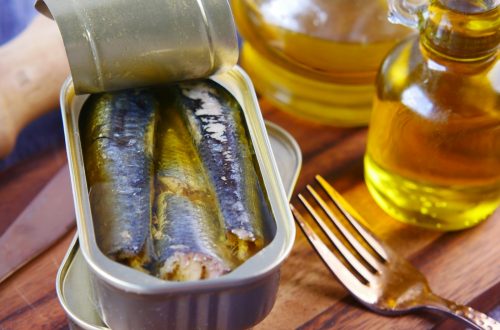
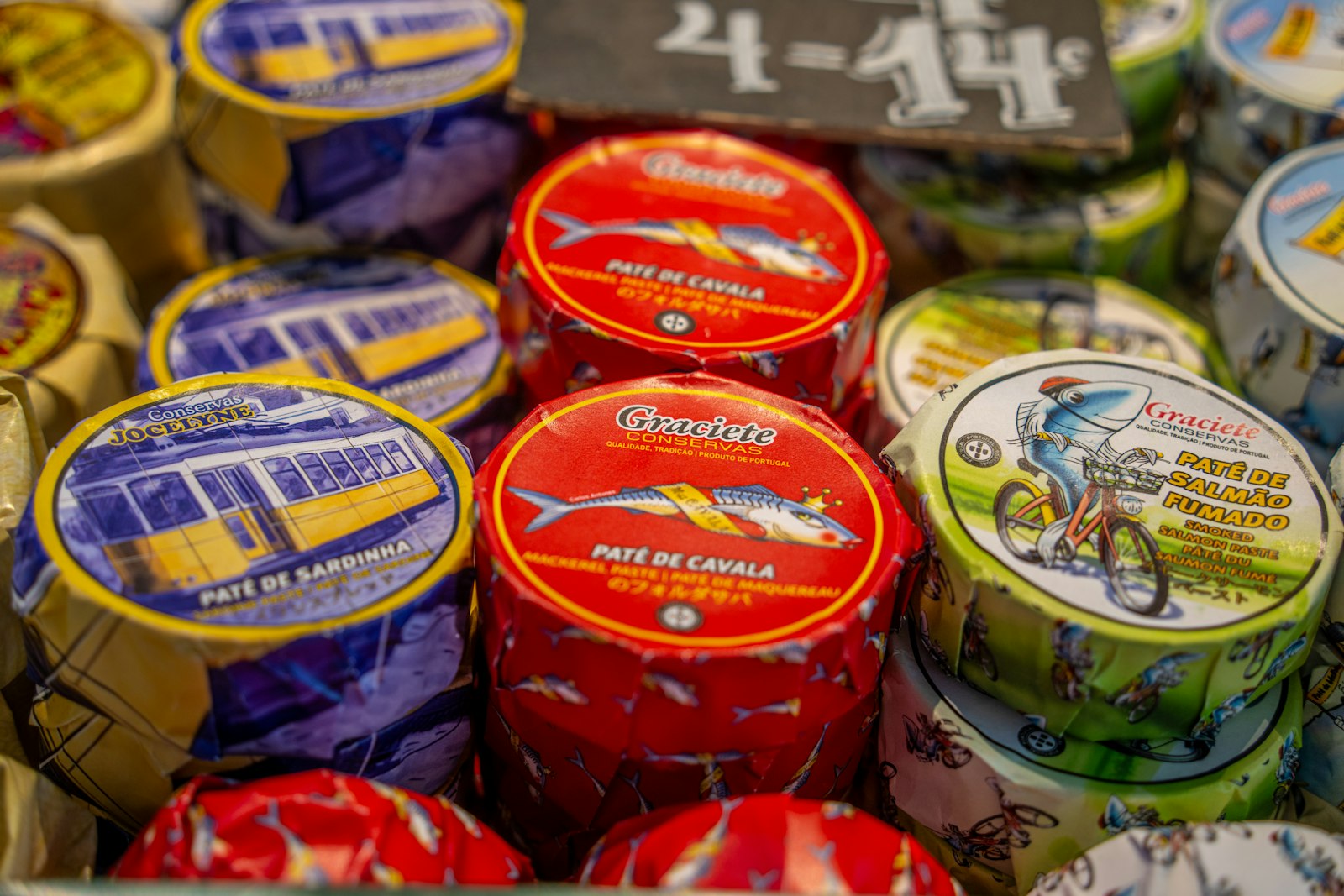
Canned mackerel: Choose plain fillets packed in water or olive oil, not in a strongly flavored sauce, so the lemon and Dijon can season the whole pan. Atlantic and chub (Pacific) mackerel are the usual canned types. Both appear on the FDA’s list of “best choices” for lower-mercury fish; king mackerel, which is not typically what is canned, is a different, higher-mercury species. Drain gently and pick out any bits of bone or skin you would rather not serve. Plain canned mackerel fillets (paid link) are easy to stock up on.
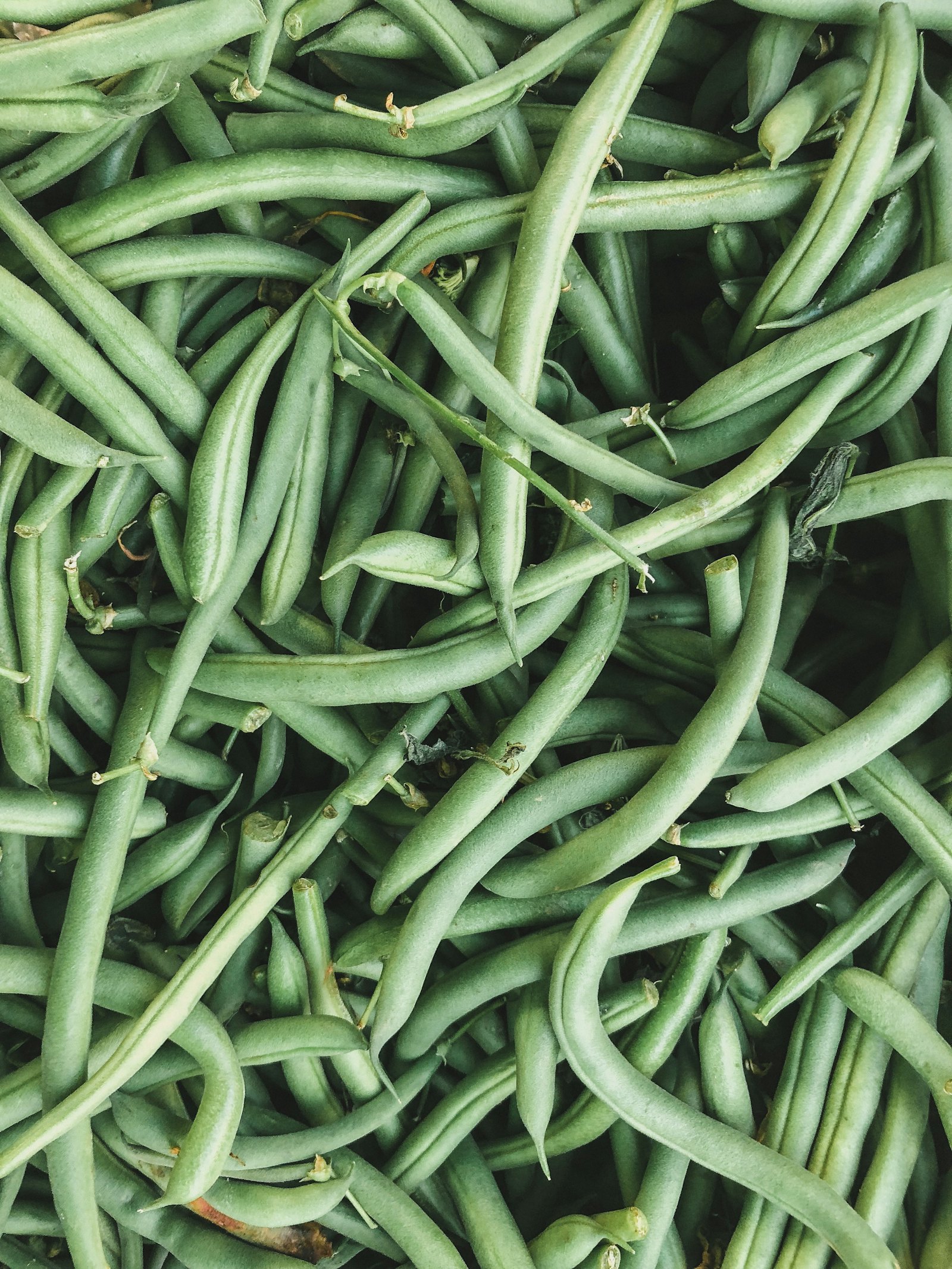
Green beans: Fresh beans, trimmed and cut into 2-inch lengths, cook right in the potato pot for the last few minutes. Thin French beans need less time than thick ones.
Dressing and aromatics: Olive oil, a smooth Dijon mustard (paid link), fresh lemon juice, a splash of water, salt, and pepper. A small red onion adds sweetness, and parsley adds freshness.
Equipment: A saucepan, a strainer, a small bowl for the dressing, and a wide 12-inch skillet (paid link) so the potatoes can sit in one layer. A thin, wide spatula (paid link) slides under browned potatoes and folds fish without breaking it.
How to make a canned mackerel potato skillet
Measurements are in the printable recipe card. Here is what each stage should look like.
- Parboil the potatoes. Put the potato pieces in a saucepan, cover with cold water by about 1 inch, and add 1/4 teaspoon salt. Bring to a boil, then simmer 7 to 10 minutes, until a knife slides easily into the outside but the very center still offers slight resistance.
- Add the green beans. Drop the beans into the same pot for the last 3 to 5 minutes, depending on thickness. They should be tender enough to bite comfortably but still bright and firm. Drain everything and leave it in the strainer for 2 to 3 minutes so the steam escapes.
- Make the dressing and prep the fish. Whisk 1 tablespoon olive oil with the Dijon, lemon juice, 1 tablespoon water, the remaining 1/4 teaspoon salt, and the pepper. Drain the mackerel, check it over, and break it into large flakes without crushing it.
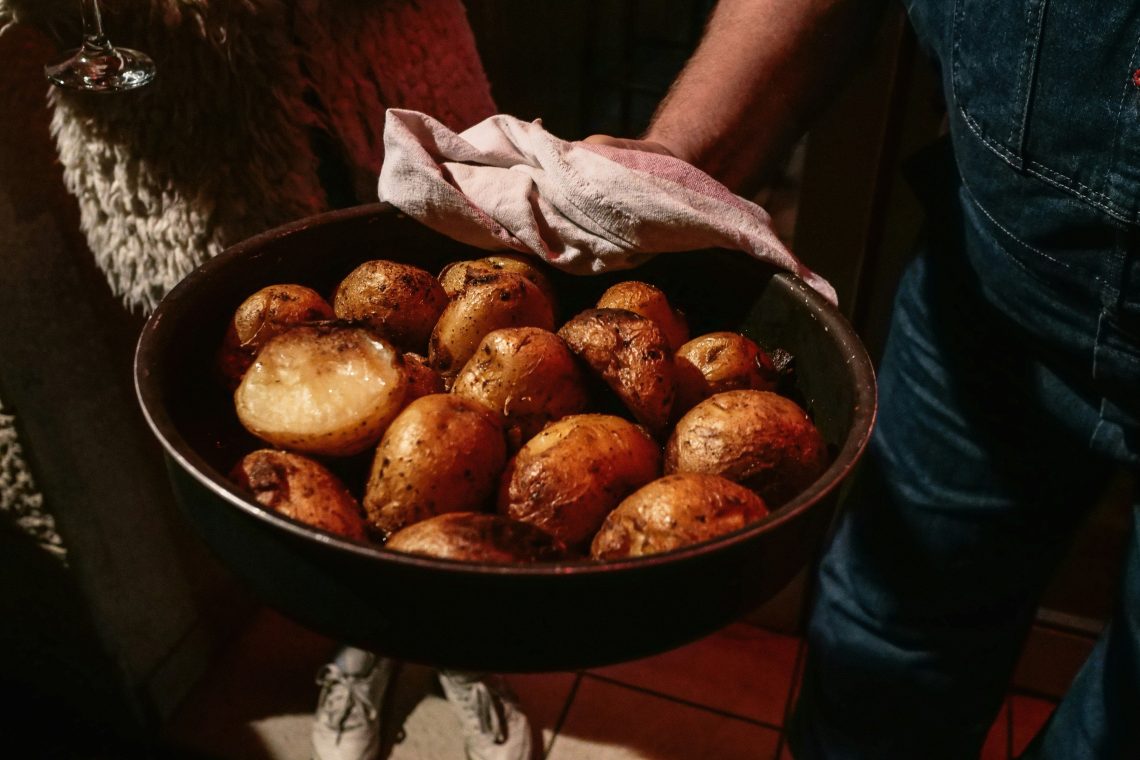
- Brown the potatoes. Heat the remaining tablespoon of oil in the skillet over medium-high heat until it shimmers. Add the potatoes and beans in a single layer and cook 6 to 8 minutes, turning only occasionally, until several sides are golden. Constant stirring prevents browning.
- Soften the onion. Lower the heat to medium, add the sliced red onion, and cook 3 to 4 minutes, folding it through, until it softens and loses its raw edge. If the pan looks dry or browned bits start to stick, add a tablespoon of water and scrape gently rather than adding more oil.
- Finish with mackerel and dressing. Turn the heat to low. Add the mackerel, dressing, parsley, and capers if using. Fold gently from the edges for 1 to 2 minutes, just until the fish is hot. Taste a potato and a flake of fish together, adjust salt or lemon, and serve right away.
Tip: give the potatoes room. If your skillet is smaller than 12 inches, brown the potatoes in two batches. Crowded potatoes steam and stay pale. A wide pan also makes it easier to fold the fish in from the edges without mashing everything together.
Balancing the dressing for your tin of fish
Canned fish varies in salt and richness, so taste before adjusting. Water-packed mackerel is leaner and benefits from the full amount of olive oil. Oil-packed fillets taste richer even after draining, so you can use a little less oil in the skillet. Mustard and capers both add salt; that is why the recipe’s added salt is modest.
If the skillet tastes flat, add a few drops of lemon juice before reaching for salt. If it tastes too sharp, a drizzle of olive oil softens it. The dressing should lightly coat the potatoes, like a warm potato salad; it is not meant to reduce into a glaze. If it disappears instantly into the potatoes, fold in another tablespoon of water.
Canned fish options for this potato skillet
| Fish | Flavor and texture | How to adjust |
|---|---|---|
| Mackerel (water-packed) | Rich, meaty, large flakes | Use the recipe as written |
| Mackerel (olive oil-packed) | Richer and silkier | Use a little less skillet oil; add more lemon to taste |
| Canned salmon | Milder, softer flakes | Same drained amount; remove skin and large bones if you prefer |
| Sardines | Stronger, smaller pieces | Same drained amount; fold very gently; capers pair well |
| Canned tuna | Lean and mild | Same drained amount; you may want a little more olive oil |
| Mackerel in tomato sauce | Saucy and sweet-tart | Changes the dish; reduce or skip the Dijon dressing |
Troubleshooting
- Potatoes fall apart: They were boiled too long or cut too small. Stop simmering while the centers still resist slightly, and turn them only after the undersides have browned.
- Potatoes will not brown: They were wet or crowded, or the oil was not hot enough. Steam-dry them in the strainer and cook in a single layer.
- Fish turned to mush: It was added too early or stirred too hard. Add it last over low heat and fold just enough to distribute it.
- Too salty: Some canned fish and capers are quite salty. Leave out the capers next time, and add a few more plain potatoes or a squeeze of lemon now.
- Green beans soggy or squeaky: Adjust their time in the pot: thin beans need about 3 minutes, thick ones closer to 5.
Variations
Frozen green beans: Cook them according to the package, drain well, and add them with the onion instead of boiling them with the potatoes. Asparagus: Swap in 2-inch asparagus pieces in spring, simmered just until tender. Shallot instead of red onion: Cook a sliced shallot a little longer for a milder, sweeter flavor. Herbs: Dill or chives suit the mustard dressing as well as parsley; stick to one or two. Leftover potatoes: Safely stored cooked potatoes can skip the parboil; cut them to size, cook the beans separately, and brown everything together until steaming hot. Add an egg: Top each serving with a fried or boiled egg; eggs cooked until the white and yolk are firm are the safest choice.
Serving ideas
With potatoes, vegetables, and fish in one pan, this is a complete meal. Add sliced tomatoes, a green salad, or crusty bread on the side. For a sharp, colorful accent, put a small bowl of quick pickled onions on the table so everyone can add their own. Leftovers also make a good next-day lunch served warm over salad greens.
Printable canned mackerel potato skillet recipe
Canned Mackerel Potato Skillet with Green Beans and Dijon
Ingredients
Equipment
Method
- Parboil the potatoes. Put the potato pieces in a saucepan and cover with cold water by about 1 inch. Add 1/4 teaspoon salt. Bring to a boil, then simmer until a knife enters the outer portion easily but the centers still offer slight resistance, usually 7–10 minutes after simmering begins.
- Cook the beans in the same pot. Add the green beans for the final 3–5 minutes of potato cooking, depending on their thickness. They should be tender enough to bite comfortably but still hold their shape. Drain everything thoroughly, then leave in the strainer for 2–3 minutes so surface steam can escape. This drying pause helps the potatoes brown.
- Mix the dressing. Whisk 1 tablespoon olive oil with the Dijon, lemon juice, tablespoon water, remaining 1/4 teaspoon salt, and pepper. Keep it nearby. Drain and inspect the mackerel, then separate it into large flakes without crushing it.
- Color the potatoes. Heat the remaining tablespoon oil in the skillet over medium-high heat. Add the drained potatoes and beans in a broad layer. Cook for 6–8 minutes, turning occasionally, until several potato surfaces are golden. They need some uninterrupted contact with the pan; constant stirring prevents that.
- Soften the onion. Lower the heat to medium and add the red onion. Cook for 3–4 minutes, folding it through the potatoes, until softened. If the skillet becomes dry, add a tablespoon water and scrape gently instead of pouring in more oil automatically.
- Finish with fish and dressing. Reduce the heat to low. Add the mackerel, dressing, parsley, and optional capers. Fold gently and warm for 1–2 minutes until the fish is hot. Taste a potato and a flake of fish together before adjusting salt. Serve promptly, keeping the larger fish pieces intact.
Notes
Storage and reheating
Cool leftovers quickly by spreading them in shallow containers, and refrigerate within 2 hours of cooking, or within 1 hour if the temperature is above 90°F. Keep the refrigerator at 40°F or below and eat the leftovers within 3 to 4 days. Unused canned mackerel from an opened tin should go into a covered container in the refrigerator rather than staying in the open can.
Reheat in a covered skillet over low heat with a tablespoon of water, or in a covered microwave-safe dish, stirring gently, until the mixture reaches 165°F throughout. Uncover the skillet for the last minute to drive off extra moisture. The fish can be frozen, but boiled potatoes often turn grainy after thawing, so refrigeration gives better results. If you do freeze portions, thaw them in the refrigerator and reheat to 165°F.
Food-safety reminder: Do not use canned fish from cans that are bulging, leaking, deeply dented along a seam, or that spurt liquid when opened. Refrigerate leftovers within 2 hours, use within 3 to 4 days, and reheat to 165°F. The USDA guide to leftovers and food safety has more detail.
Faster weeknight tip: Start the potato water first, then cut the beans, slice the onion, and whisk the dressing while the potatoes simmer. Everything else is ready by the time the potatoes are drained.
Frequently asked questions
Should I buy mackerel packed in water or oil?
Either works. Drain both well. With oil-packed fish, start with a little less oil in the skillet. Plain fish, without sauce, gives you the most control over the lemon and Dijon flavors.
Is canned mackerel already cooked?
Yes. Commercially canned mackerel is fully cooked during processing. In this recipe, the skillet step only warms it and combines it with the other ingredients.
Do I need to remove the bones?
The small bones in canned fish are softened by processing and are edible, but you can pick out any larger pieces or skin you prefer not to serve.
Do I need to peel the potatoes?
No. Thin, clean skins can stay on. Peel thick-skinned potatoes if you prefer, and always cut away green spots or sprouts.
Can I use fresh mackerel?
Fresh mackerel needs to be cooked separately first, to an internal temperature of 145°F or until the flesh is opaque and flakes easily. Then flake it and fold it in at the end as you would canned fish.
Can I make it ahead?
It is best fresh, while the potatoes are crisp-edged. You can parboil the potatoes and beans up to a day ahead, cool them quickly, and refrigerate; then brown and finish the skillet when you are ready to eat.
Final thoughts on this canned mackerel potato skillet
This canned mackerel potato skillet turns a couple of pantry tins into a satisfying dinner with very little effort. Parboil and dry the potatoes so they brown, keep the green beans tender-crisp, and wait until the very end to fold in the fish and lemon-Dijon dressing. Taste before you salt, serve it warm, and store any leftovers promptly for an easy lunch the next day.