This sardine tomato orzo uses canned fish in a warm, spoonable pasta dinner. Onion and tomato paste form the base, small pasta cooks in the sauce, and sardines are folded in near the end so they retain some shape. Lemon and parsley freshen the finished bowl without hiding the fish. It is a useful option when the cupboard holds more promise than the refrigerator.
Affiliate disclosure: As an Amazon Associate I earn from qualifying purchases. These paid links open Amazon search results for comparing equipment.
Choose a deep skillet (paid link) or the wide saucepan described below, and use a measuring jug (paid link) to measure the liquid for the orzo.
Jump to the recipe. The key is to cook the orzo until tender before adding the sardines. Repeated stirring is helpful for the pasta but can reduce delicate canned fillets to a paste.
Use orzo starch to finish the one-pan tomato sauce
- Check whether the sardines are packed in oil, water or tomato sauce before adding fat and salt.
- Simmer orzo in the measured tomato liquid and stir along the bottom to prevent sticking.
- Keep hot water nearby because the small pasta can absorb liquid rapidly.
- Fold sardines in after the orzo is tender so the pieces warm without disappearing.
Serve while the pan still looks slightly loose; the orzo thickens during the short rest. Finish with herbs, acid or pepper only after tasting the complete spoonful.
Pick the tin before seasoning the pan
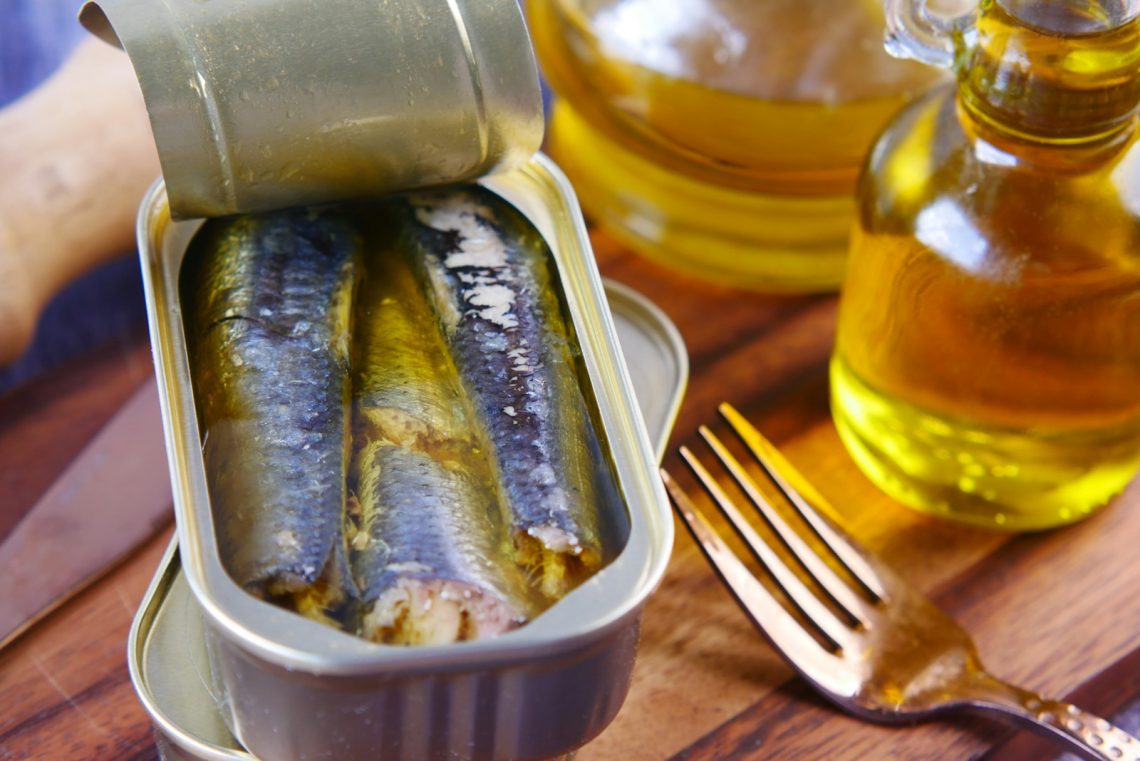
Choose plain sardines packed in olive oil or water. Sardines in tomato sauce can work, but the packing sauce changes the seasoning and total moisture, so the measured version below assumes plain fish. Smoked sardines are stronger; start with one tin if your family is unfamiliar with their flavor, then decide whether to use the second.
Boneless, skinless sardines produce a mild, uniform texture. Whole canned sardines may have soft skin and bones that some cooks enjoy and others prefer to remove. Inspect the fish before it goes into the pan, and remove any hard or sharp pieces. Do not try to pick through it once the fillets have been stirred into red sauce.
Drain the fish while saving its shape. Tilting a tin over a strainer is gentler than pressing hard on the fillets. The measured olive oil below makes the cooking process consistent whether you choose water-packed or oil-packed fish.
Sardine tomato orzo
Yield: 3 servings. Preparation: about 10 minutes. Cooking: about 25 minutes. Total: about 35 minutes. Equipment: deep 10- or 12-inch skillet or a wide saucepan, wooden spoon, measuring jug, and fork.
Ingredients
- 1 tablespoon olive oil
- 1 small yellow onion, finely chopped, about 3/4 cup
- 2 garlic cloves, minced
- 1 tablespoon tomato paste
- 1 cup dry orzo, about 6–7 ounces depending on the brand
- 1 can diced tomatoes, 14.5 ounces, with their juices
- 1 1/2 cups water, plus up to 1/2 cup more as needed
- 1/2 teaspoon dried oregano
- 1/4 teaspoon fine salt, plus more after tasting if needed
- 1/4 teaspoon black pepper
- 2 tins plain sardines, about 3.75–4.4 ounces each, drained
- 1 tablespoon fresh lemon juice
- 2 tablespoons chopped parsley
- 1 tablespoon drained capers, optional
- 1 teaspoon finely grated lemon zest, optional
Cook the pasta, then finish the fish
- Soften the onion. Heat the oil in the pan over medium heat. Add the onion and cook for 4–5 minutes, stirring, until softened and translucent. If the edges darken before the center softens, lower the heat and add a tablespoon of the measured water.
- Cook the tomato paste. Add the garlic and tomato paste. Stir for about 1 minute until the garlic smells fragrant and the paste darkens slightly. Keep it moving so the garlic does not catch. Add the dry orzo and stir to coat it with the tomato mixture.
- Add liquid and simmer. Pour in the tomatoes with their juices and the 1 1/2 cups water. Add oregano, salt, and pepper. Bring to a gentle boil, then reduce to a steady simmer. Cook uncovered, stirring every minute or two and scraping along the bottom, until the orzo is tender, usually 10–14 minutes depending on the product.
- Adjust by texture. If the pan becomes dry while the pasta still has a hard center, add water in 2-tablespoon portions. If the orzo is cooked but liquid still pools around it, simmer briefly while stirring. Aim for a loose, saucy mixture; the pasta will thicken further off the heat.
- Add the sardines gently. Separate the drained fish into large flakes and fold it through the hot pasta with the capers, if using. Warm over low heat for 1–2 minutes, just until the fish is hot. Avoid vigorous stirring or a hard boil. The recipe uses commercially canned, ready-to-eat fish rather than raw sardines.
- Brighten and serve. Remove from the heat. Stir in the lemon juice and parsley, keeping some fish pieces intact. Taste before adding salt. Divide among warm bowls and add the optional zest. Serve promptly with a spoon or fork.
Why a wide pan makes this easier
Orzo settles quickly and can stick in a narrow pot, especially in tomato sauce. A broad cooking surface makes it easier to scrape the bottom and watch the consistency. The ideal simmer shows small bubbles across the surface; a rapid boil can reduce the liquid before the pasta has time to soften.
Different brands vary in size and recommended cooking time. Use the package time as a starting point, then taste an individual piece from the pan. The center should be tender without a hard, chalky speck. Water additions are normal in an absorption-style pasta dish because burner strength and pan width change evaporation.
Do not drain this pasta. Its starch helps the tomato liquid cling to the fish and grains. If you accidentally add far too much water, remove a little liquid with a ladle and reserve it rather than boiling the orzo well past tenderness to force everything to evaporate.
Balance a bold fish without covering it up
Sardines are flavorful, so they do not need a large list of spices. Onion contributes sweetness, oregano gives a familiar savory note, and lemon cuts through richness. Capers work well, but they are optional because some tins already contain plenty of salt.
If you are introducing sardines to a reluctant eater, choose a mild plain product and keep the flakes small but visible. Explain what is in the bowl rather than disguising an ingredient someone dislikes or avoids. A spoonful of the tomato orzo can be served separately before the fish is folded in if the household needs different portions.
For heat, add a small pinch of red pepper flakes when cooking the garlic. Avoid automatically adding a full spoonful of hot sauce at the end, since acidity, salt, and heat can all change together. Adjust one flavor at a time and taste between additions.
Variations that fit the cooking sequence
Drained canned mackerel or tuna can replace the sardines, although the meal will taste different. Add either near the end in the same way. Fresh raw fish requires a separate safe cooking step and is not a direct swap for the final brief warming period.
For extra vegetables, add 1 cup finely diced zucchini with the onion and allow its moisture to cook away before adding pasta. Baby spinach can be folded in just before the fish. Frozen vegetables should be cooked according to their package instructions before being incorporated if the short finishing stage would not satisfy those directions.
Small shells or ditalini need a different cooking time and may absorb a different amount of liquid. Use the same staged approach but expect to adjust the water. Gluten-free orzo can become fragile, so follow its package directions and stir carefully; cooking it separately may give you more control.
What to put beside the bowl
A crisp salad and a piece of bread are enough. This pasta already brings fish, starch, and tomato to the table, so choose sides that add freshness or crunch. Roasted vegetables can also work if you want a warmer dinner.
Try roasted asparagus with Parmesan as a side, or explore lemon orzo with chickpeas and spinach for a different use of the remaining pasta. These are separate meal options; the sardine recipe does not require either one to work.
Cool promptly and reheat gently
Transfer leftovers to shallow containers and refrigerate within 2 hours, or within 1 hour above 90°F. Keep at 40°F or below and use within 3–4 days. For best texture, enjoy the pasta sooner because orzo continues absorbing sauce. The safety limits and the 165°F reheating target follow USDA leftover guidance.
Add 1–2 tablespoons water per portion before reheating. Cover, warm gently, and stir from the edges toward the center. If using a microwave, pause to redistribute the pasta and check several spots with a thermometer. Repeated hard boiling can break down the fish and turn the pasta soft.
Frequently Asked Questions
Is orzo a kind of rice?
No. Conventional orzo is wheat pasta shaped like a large grain of rice. It cooks differently from rice and contains gluten unless specifically made with alternative ingredients. Do not swap dry rice into this recipe without changing the cooking method.
Can I use sardines packed in tomato sauce?
Yes, but check the seasoning first and decide whether to add the packing sauce. Use less initial salt, and watch the liquid level. A strongly spiced tin will change the character of the dish more than a plain one.
Should I remove the sardine skin?
That depends on the product and your texture preference. Many canned sardines are eaten with their soft skin. Remove it if you prefer, along with any bones or fragments you do not want in the finished dish.
Can I make the tomato orzo ahead and add fish later?
Yes. Chill the cooked pasta promptly, then reheat with additional water to 165°F. Add the drained fish during the final warming stage. The pasta will be softer than when freshly cooked, so avoid preparing it too far ahead for a special meal.
Why is the pan dry even though I measured the water?
A wide skillet, strong burner, or larger pasta shape can increase liquid needs. Add small amounts of hot water while the orzo cooks. That adjustment is part of the method, rather than a reason to serve hard pasta.
Can I freeze sardine tomato orzo?
You can freeze it promptly in airtight portions, but the pasta and fish soften after thawing. Aim to use within 1–2 months for quality. Thaw in the refrigerator and reheat to 165°F with enough water to restore a spoonable consistency.
Sardine Tomato Orzo: A Simple One-Pan Pantry Dinner
Ingredients
Equipment
Method
- Soften the onion. Heat the oil in the pan over medium heat. Add the onion and cook for 4–5 minutes, stirring, until softened and translucent. If the edges darken before the center softens, lower the heat and add a tablespoon of the measured water.
- Cook the tomato paste. Add the garlic and tomato paste. Stir for about 1 minute until the garlic smells fragrant and the paste darkens slightly. Keep it moving so the garlic does not catch. Add the dry orzo and stir to coat it with the tomato mixture.
- Add liquid and simmer. Pour in the tomatoes with their juices and the 1 1/2 cups water. Add oregano, salt, and pepper. Bring to a gentle boil, then reduce to a steady simmer. Cook uncovered, stirring every minute or two and scraping along the bottom, until the orzo is tender, usually 10–14 minutes depending on the product.
- Adjust by texture. If the pan becomes dry while the pasta still has a hard center, add water in 2-tablespoon portions. If the orzo is cooked but liquid still pools around it, simmer briefly while stirring. Aim for a loose, saucy mixture; the pasta will thicken further off the heat.
- Add the sardines gently. Separate the drained fish into large flakes and fold it through the hot pasta with the capers, if using. Warm over low heat for 1–2 minutes, just until the fish is hot. Avoid vigorous stirring or a hard boil. The recipe uses commercially canned, ready-to-eat fish rather than raw sardines.
- Brighten and serve. Remove from the heat. Stir in the lemon juice and parsley, keeping some fish pieces intact. Taste before adding salt. Divide among warm bowls and add the optional zest. Serve promptly with a spoon or fork.