
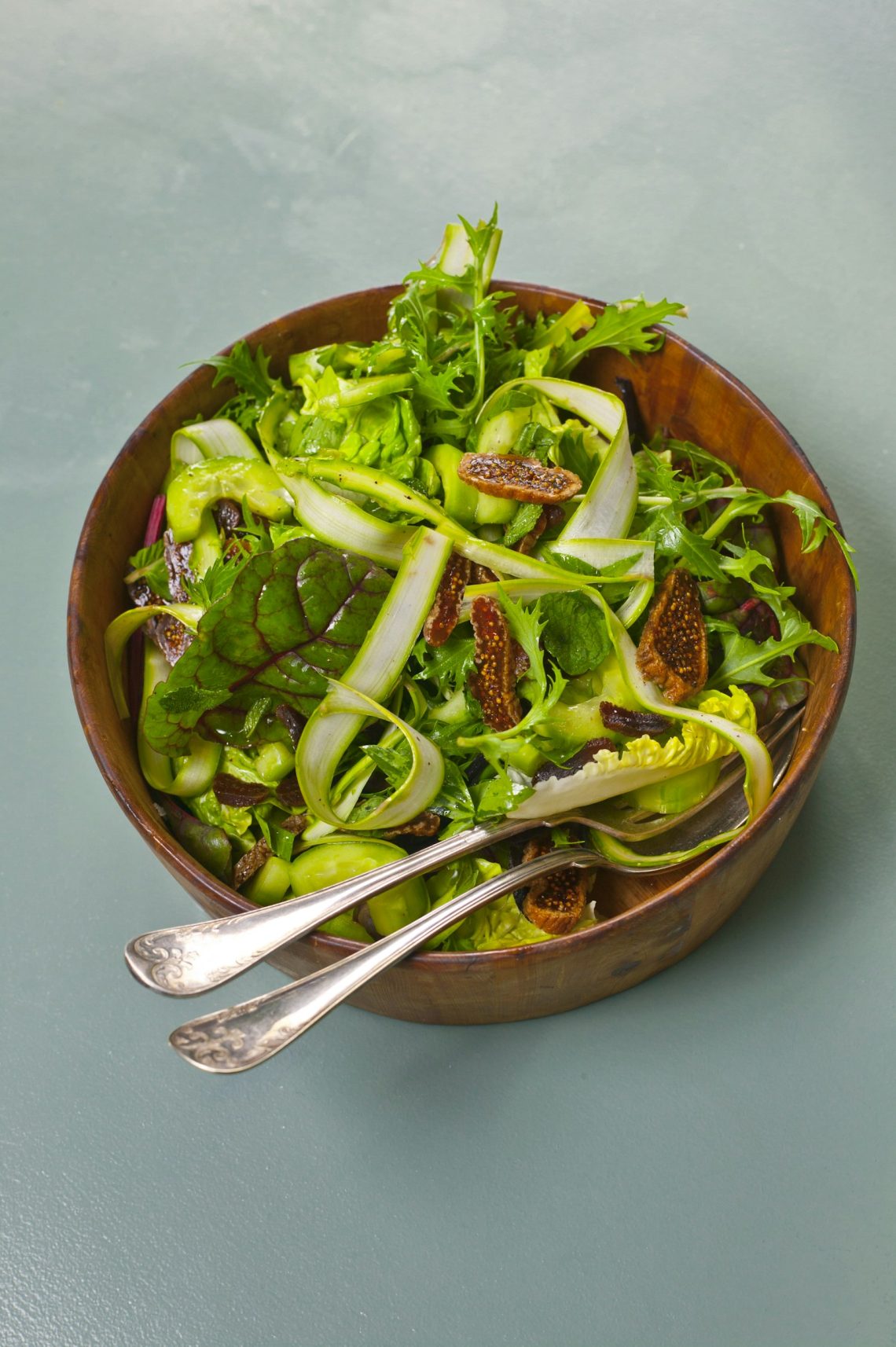
This warm beet lentil salad without goat cheese brings together earthy lentils, sweet cooked beets, crisp celery, and toasted walnuts under a mustard dressing. It works as a generous lunch for two or a vegetable-and-lentil side for four. The beets are already cooked, so the main cooking task is getting the lentils tender while keeping their shape.
Affiliate disclosure: As an Amazon Associate I earn from qualifying purchases. These paid links open Amazon search results for comparing equipment.
Have a fine strainer (paid link) ready for draining the lentils and a small whisk (paid link) for combining the dressing before folding it through the warm salad. A good Dijon mustard (paid link) is the key ingredient in the dressing.
A warm salad should be comfortable to eat, not piping hot enough to wilt every crisp ingredient. Here, the lentils and beets are warmed, then the celery and parsley are folded in just before serving. Dressing the warm lentils first helps distribute flavor without needing a large quantity of oil or a salty cheese topping.
Jump to the measured salad recipe
Keep beets dry enough for the warm dressing to cling
- Drain cooked or canned beets and blot excess liquid before cutting.
- Warm lentils separately so they stay intact and do not stain every component immediately.
- Toss both with the dressing while warm, allowing the lentils to absorb acidity and seasoning.
- Add delicate herbs or crisp toppings only after the salad leaves the heat.
Without goat cheese, balance comes from salt, acid and texture. Taste a spoonful containing both beet and lentil, then adjust the dressing before adding extra oil.
Start with the right kind of beet
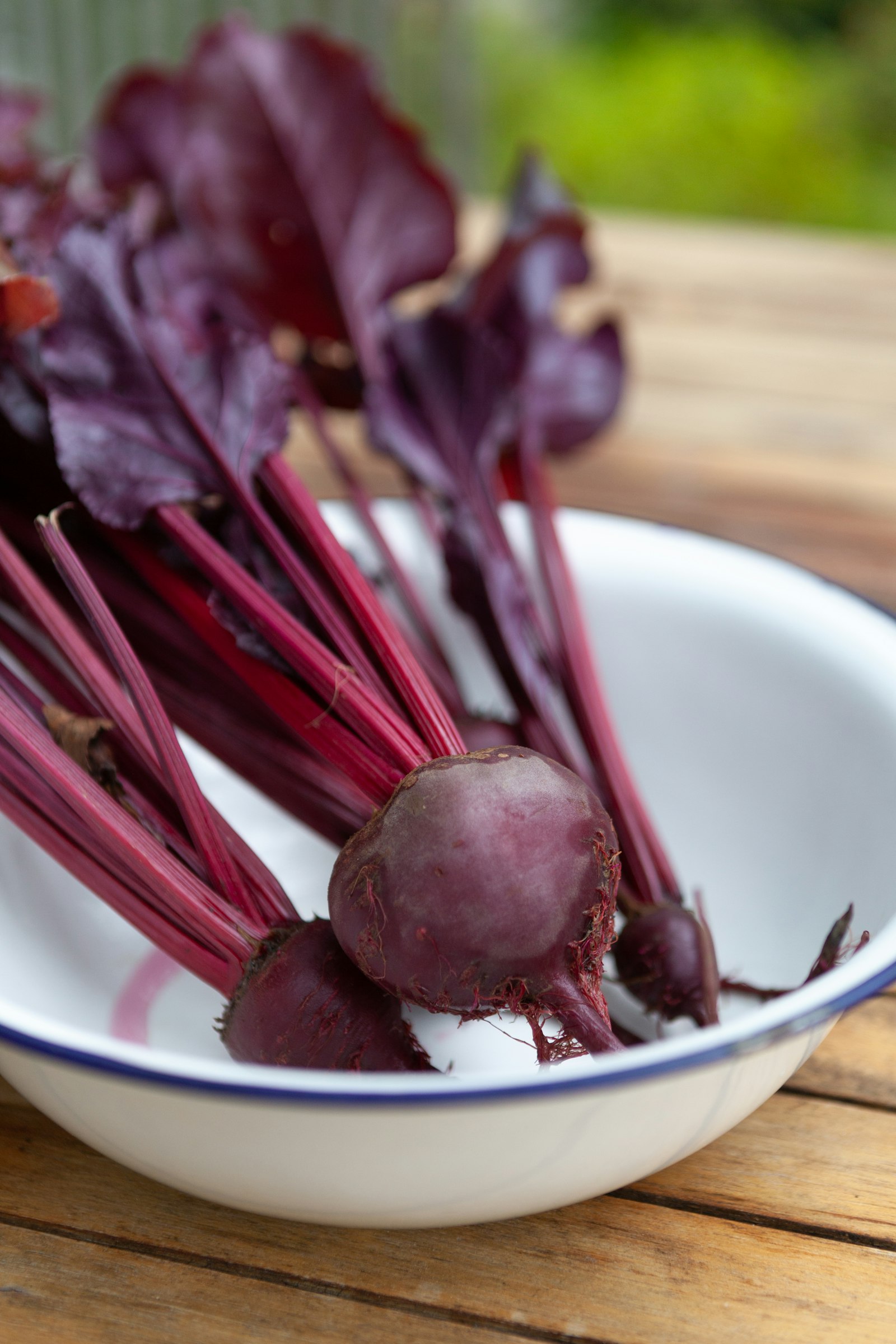
Choose plain vacuum-packed cooked beets or canned beets packed in water. Drain canned beets well and check that they are not pickled unless you deliberately want a more vinegary salad. Sweet pickled beets change the balance of the mustard dressing and are not a straight replacement.
Previously roasted or boiled beets are also suitable when they have been cooled and stored safely. Cut them into approximately 1/2-inch pieces so they are easy to eat with lentils. A whole large beet wedge can dominate the forkful. The salad is meant to mix sweet, earthy, sharp, and crunchy elements in each bite.
Warm beet lentil salad without goat cheese
Yield: 2 substantial lunches or 4 side portions. Preparation: 15 minutes. Cooking: about 30 minutes. Total: about 45 minutes.
Equipment: a small saucepan, fine strainer, small skillet, mixing bowl, whisk, cutting board, and knife.
For the salad
- 1/2 cup dried brown or green lentils, rinsed and picked over
- 2 cups water, plus additional water if needed
- 8 ounces plain cooked beets, drained and cut into 1/2-inch pieces
- 1 teaspoon olive oil
- 1 tablespoon water for warming the beets
- 1/2 cup finely diced celery
- 1/4 cup chopped walnuts
- 2 tablespoons chopped flat-leaf parsley
For the mustard dressing
- 1 1/2 tablespoons extra-virgin olive oil
- 1 tablespoon apple cider vinegar
- 2 teaspoons Dijon mustard
- 1 teaspoon maple syrup
- 1/4 teaspoon fine salt, then adjust to taste
- 1/8 teaspoon ground black pepper
Step-by-step instructions
- Cook the lentils. Combine the lentils and 2 cups water in the saucepan. Bring to a boil, reduce to a gentle simmer, and cook until tender with intact shapes, usually 20–30 minutes. Add water if they become exposed before softening. Taste several lentils; they should have no firm center.
- Make the dressing while they simmer. Whisk the olive oil, vinegar, mustard, maple syrup, salt, and pepper in the mixing bowl. Scrape the sides so the mustard is fully dispersed. Reserve 1 tablespoon dressing in a small cup for finishing.
- Toast the walnuts. Put them in a dry skillet over medium-low heat. Stir for 3–4 minutes, until fragrant and slightly darker at the edges. Transfer immediately to a plate; leaving them in the hot pan can make them burn.
- Warm the beets. Add the teaspoon olive oil, beet pieces, and tablespoon water to the same skillet. For newly opened ready-to-eat packaged beets, warm over medium-low heat for 3–4 minutes, stirring gently, until comfortably warm. For refrigerated leftover home-cooked beets, reheat to 165°F throughout, adding a splash of water and briefly covering if needed, then let them cool briefly to warm. Let excess water evaporate before mixing.
- Drain and dress the lentils. Drain the tender lentils thoroughly. Let steam escape for about 2 minutes, then add them to the dressing bowl while still warm. Fold gently until the dressing is distributed. Wait another 2 minutes so there is no puddle beneath the lentils.
- Combine the salad. Fold in the warm beets and diced celery. Taste, then add the reserved dressing where needed. Add the parsley and most of the walnuts last, saving a little walnut for the top.
- Serve while warm. Divide among bowls or transfer to a platter. Scatter with the remaining walnuts. The finished salad should look lightly glossed rather than swimming in dressing, with both beets and individual lentils visible.
Keep lentils intact without leaving them hard
Brown and ordinary green lentils hold their shape when simmered gently and drained at the right stage. A hard boil can jostle them until their skins split. Check before the package’s longest suggested time and continue in short intervals. Tenderness matters more than a perfectly uniform appearance.
Red split lentils are not suitable for this salad because they become soft and lose their shape. French green or black lentils can work well, but follow their own package timing. NDSU’s pulse preparation guide provides useful background on sorting, rinsing, and cooking lentils without a soaking stage.
If you want to use canned lentils, measure about 1 1/4 cups drained, rinsed lentils. Warm them gently with a tablespoon of water, drain again if necessary, and proceed to dressing. Fold with a broad spoon rather than stirring sharply, since canned lentils may be more fragile than ones cooked just to tenderness.
A dressing that balances the beets
Beets are naturally sweet, so the dressing needs enough acid to stay lively. Dijon adds sharpness and helps the oil and vinegar remain mixed. The teaspoon of maple syrup softens the mustard’s edge, but it should not turn the salad sweet. With especially sweet beets, you may prefer to use only half the syrup.
Mix the dressing before the lentils are done so it is ready for their warm surface. Drain thoroughly first. If you tip wet lentils into the bowl, their cooking water dilutes the dressing and makes the salad taste underseasoned even when there is enough salt.
Reserving a spoonful of dressing provides a controlled way to finish. Use it after the beets and celery are added, when you can assess the entire salad. Adding all the acid to one warm ingredient at the beginning can leave the final mixture unevenly seasoned.
Build contrast without cheese
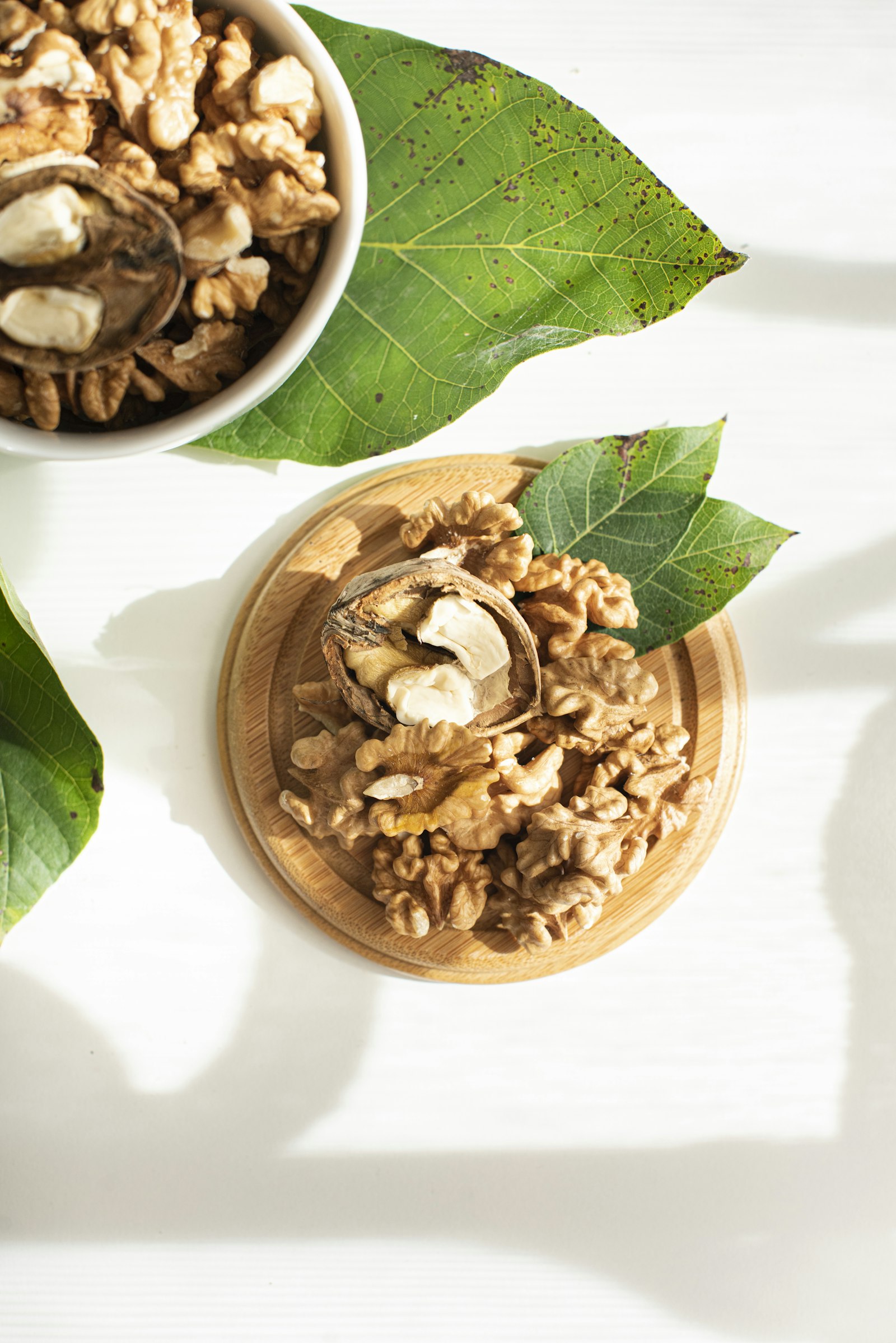
Walnuts supply richness and a crisp bite, while celery keeps the salad fresh and crunchy. Their roles are different from a soft cheese topping, and the salad does not need a substitute crumble to feel complete. Toasting the walnuts briefly makes a small quantity more noticeable.
For a nut-free variation, use pumpkin seeds that are suitable for your needs and toast them gently. Sunflower seeds can work too, but very small seeds may settle to the bottom. Add crunchy elements close to serving instead of mixing them into a batch intended for the refrigerator.
Parsley is deliberately mild. Chopped dill adds a more assertive flavor and can replace half the parsley. Avoid adding several strong herbs at full strength; mustard already provides a clear seasoning direction. A little freshly grated orange zest is another possible variation, but do not add orange juice without adjusting the dressing liquid.
Planning lunch or a larger dinner
For lunch, serve the salad with a slice of toasted bread or a warm pita. For dinner, spoon a smaller portion alongside a vegetable dish. It can also sit on a bed of washed arugula, but let the lentils cool to merely warm first so the leaves do not collapse immediately.
If you enjoy cooked beets in grain meals, quinoa bowls with butter beans and cooked beets offer another use for a spare package. For a chilled lunch with lentils, try bulgur, lentil, and cucumber bowls. These are different serving formats, so prepare the grains according to their own recipe directions.
Troubleshooting at the mixing bowl
- The salad tastes earthy but flat: Add a small pinch of salt and a teaspoon of cider vinegar, tasting between adjustments. More maple syrup will usually emphasize the sweetness rather than brighten it.
- The lentils are mushy: Stop stirring and fold in the larger ingredients gently. Serve over toast if needed. Next time simmer more gently and start tasting sooner.
- There is liquid in the bottom: Let the lentils drain longer next time, and evaporate the beet-warming water fully before combining. Lift portions out with a slotted spoon if necessary.
- Everything turns red: That is normal with red beets. For more visual separation, place the beets on top after dressing the lentils, or use golden cooked beets.
Storage and serving temperature
Refrigerate leftovers in shallow containers within 2 hours, or within 1 hour above 90°F. Keep at 40°F or below and use within 3–4 days, following USDA’s leftover guidance. Previously cooked ingredients do not receive a new storage clock simply because they are mixed into a salad; use the earliest applicable deadline.
The refrigerated salad can be eaten cold. If reheating, warm the lentil-and-beet portion to 165°F throughout and add fresh celery and walnuts afterward when possible. Microwave in a covered, vented bowl and stir to distribute heat. Freezing the finished salad is less appealing because celery loses its crispness; freezing plain cooked lentils separately is more flexible.
Frequently Asked Questions
Can I use pickled beets?
You can make a different salad with them, but reduce the vinegar and syrup at first. Drain well, taste the beets, and season gradually. The measured recipe assumes plain cooked beets rather than a sweet pickling liquid.
Does the salad need goat cheese to balance the sweetness?
No. Mustard, vinegar, salt, celery, and toasted walnuts provide contrast. If you choose to add a cheese topping, taste before adding the recipe’s full salt amount, since the cheese changes the seasoning.
Can I prepare each component ahead?
Yes. Refrigerate the cooked lentils, beets, and dressing separately; keep toasted walnuts dry. Reheat refrigerated cooked lentils and beets to 165°F throughout, let them cool briefly to warm, then combine with dressing and fresh ingredients. This preserves the most texture.
What if I only have large cooked beet halves?
Cut them into even bite-size pieces before warming. Blot extra liquid from the cutting board rather than adding it to the dressing. Large wedges are attractive but harder to mix evenly with small lentils.
Can warm beet lentil salad without goat cheese serve more people?
Yes. Double the ingredients and use a wider bowl for gentle folding. Cook the lentils in enough water to remain submerged, then check tenderness normally. Toast the walnuts in a single layer or in batches so they brown evenly.
Warm Beet Lentil Salad Without Goat Cheese
Ingredients
Equipment
Method
- Cook the lentils. Combine the lentils and 2 cups water in the saucepan. Bring to a boil, reduce to a gentle simmer, and cook until tender with intact shapes, usually 20–30 minutes. Add water if they become exposed before softening. Taste several lentils; they should have no firm center.
- Make the dressing while they simmer. Whisk the olive oil, vinegar, mustard, maple syrup, salt, and pepper in the mixing bowl. Scrape the sides so the mustard is fully dispersed. Reserve 1 tablespoon dressing in a small cup for finishing.
- Toast the walnuts. Put them in a dry skillet over medium-low heat. Stir for 3–4 minutes, until fragrant and slightly darker at the edges. Transfer immediately to a plate; leaving them in the hot pan can make them burn.
- Warm the beets. Add the teaspoon olive oil, beet pieces, and tablespoon water to the same skillet. For newly opened ready-to-eat packaged beets, warm over medium-low heat for 3–4 minutes, stirring gently, until comfortably warm. For refrigerated leftover home-cooked beets, reheat to 165°F throughout, adding a splash of water and briefly covering if needed, then let them cool briefly to warm. Let excess water evaporate before mixing.
- Drain and dress the lentils. Drain the tender lentils thoroughly. Let steam escape for about 2 minutes, then add them to the dressing bowl while still warm. Fold gently until the dressing is distributed. Wait another 2 minutes so there is no puddle beneath the lentils.
- Combine the salad. Fold in the warm beets and diced celery. Taste, then add the reserved dressing where needed. Add the parsley and most of the walnuts last, saving a little walnut for the top.
- Serve while warm. Divide among bowls or transfer to a platter. Scatter with the remaining walnuts. The finished salad should look lightly glossed rather than swimming in dressing, with both beets and individual lentils visible.
Notes
- The salad tastes earthy but flat: Add a small pinch of salt and a teaspoon of cider vinegar, tasting between adjustments. More maple syrup will usually emphasize the sweetness rather than brighten it.
- The lentils are mushy: Stop stirring and fold in the larger ingredients gently. Serve over toast if needed. Next time simmer more gently and start tasting sooner.
- There is liquid in the bottom: Let the lentils drain longer next time, and evaporate the beet-warming water fully before combining. Lift portions out with a slotted spoon if necessary.
- Everything turns red: That is normal with red beets. For more visual separation, place the beets on top after dressing the lentils, or use golden cooked beets.




