
Skillet radishes with frozen peas is a 30-minute vegetable side: halved radishes are browned in a little olive oil, steamed briefly until fork-tender, then tossed with separately cooked frozen peas, butter, lemon, and fresh dill. Cooking takes away most of the radish’s peppery bite and leaves a mild, slightly sweet vegetable with golden edges, while the peas add color and sweetness.
Total time
About 30 minutes
Serves
4 side portions
Key tool
10- to 12-inch skillet with lid
Doneness cue
Fork slides in, no hard center
Affiliate disclosure: As an Amazon Associate I earn from qualifying purchases. The paid links below open Amazon search results so you can compare suitable tools.
Why skillet radishes with frozen peas work so well
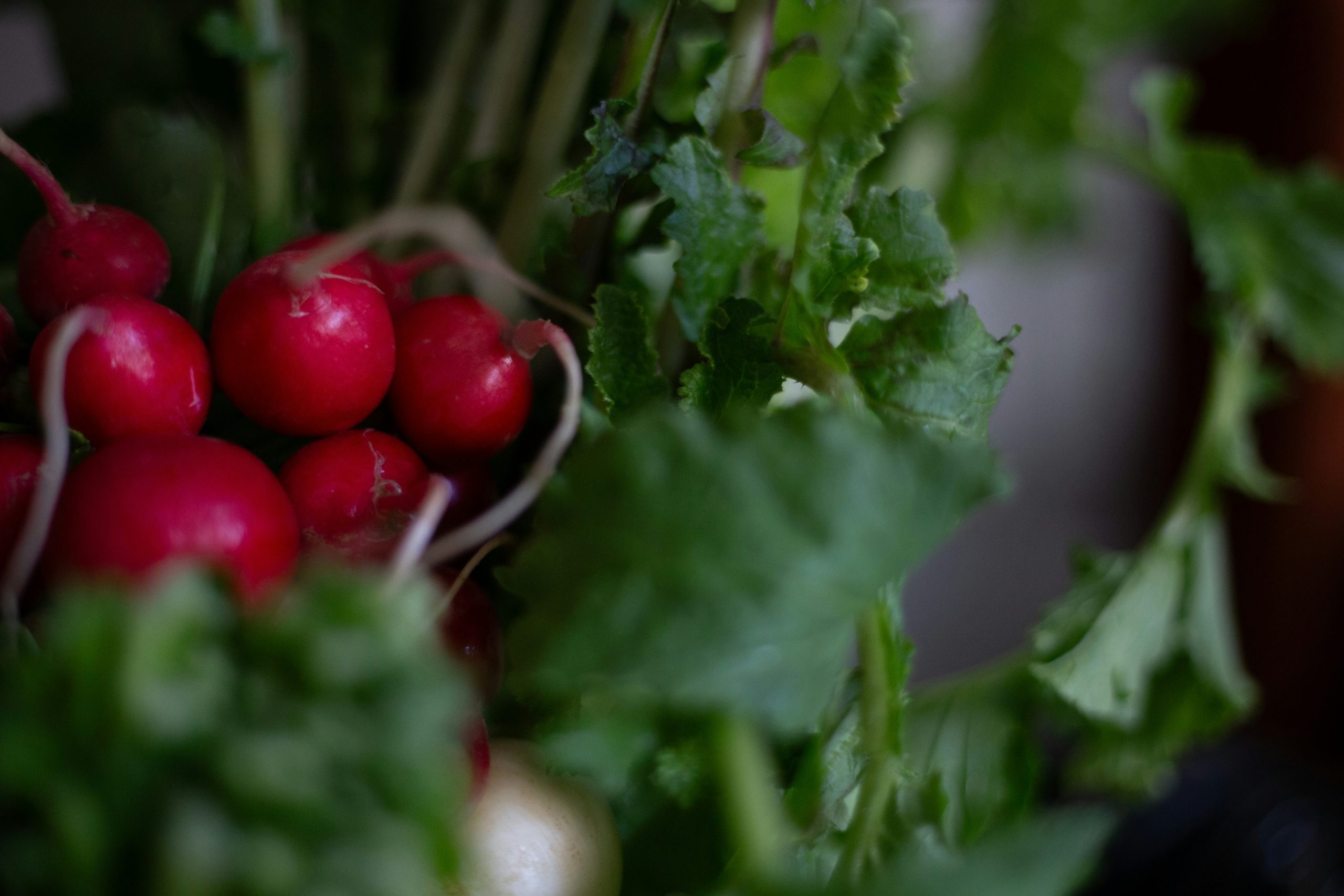
Raw radishes are crisp and peppery. That heat comes from compounds that are released when the root is cut or chewed, and gentle cooking tames them noticeably. After browning and a short covered steam, a radish turns tender, juicy, and mild, with a flavor somewhere between a young turnip and a sweet spring onion. The cut faces caramelize against the hot pan, which adds a savory note that raw radishes never have.
Frozen peas are the ideal partner because they are reliably sweet year-round and cook in minutes. Their soft, round texture contrasts with the slightly firmer radish pieces, and their bright green color makes the pink-and-white radishes look even more vivid. Butter, a squeeze of lemon, and chopped dill tie the two together without hiding either vegetable under a heavy sauce.
The technique is simple but deliberate. The radishes get a head start because they need roughly 15 minutes to become tender, while the peas need only a few minutes. Cooking the peas separately, according to their package directions, means each vegetable is done at the right moment and neither ends up raw or overcooked.
Ingredients and equipment notes
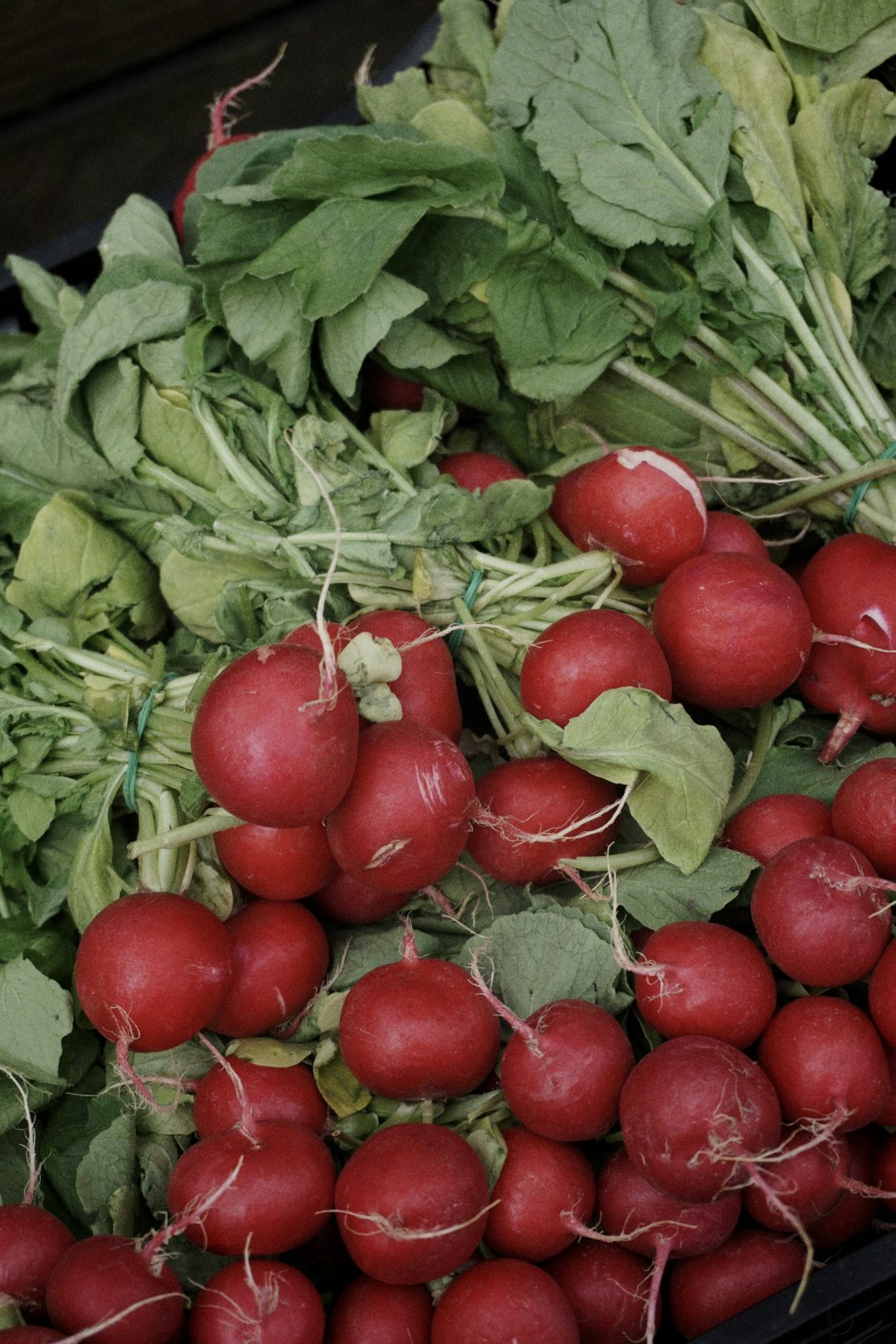
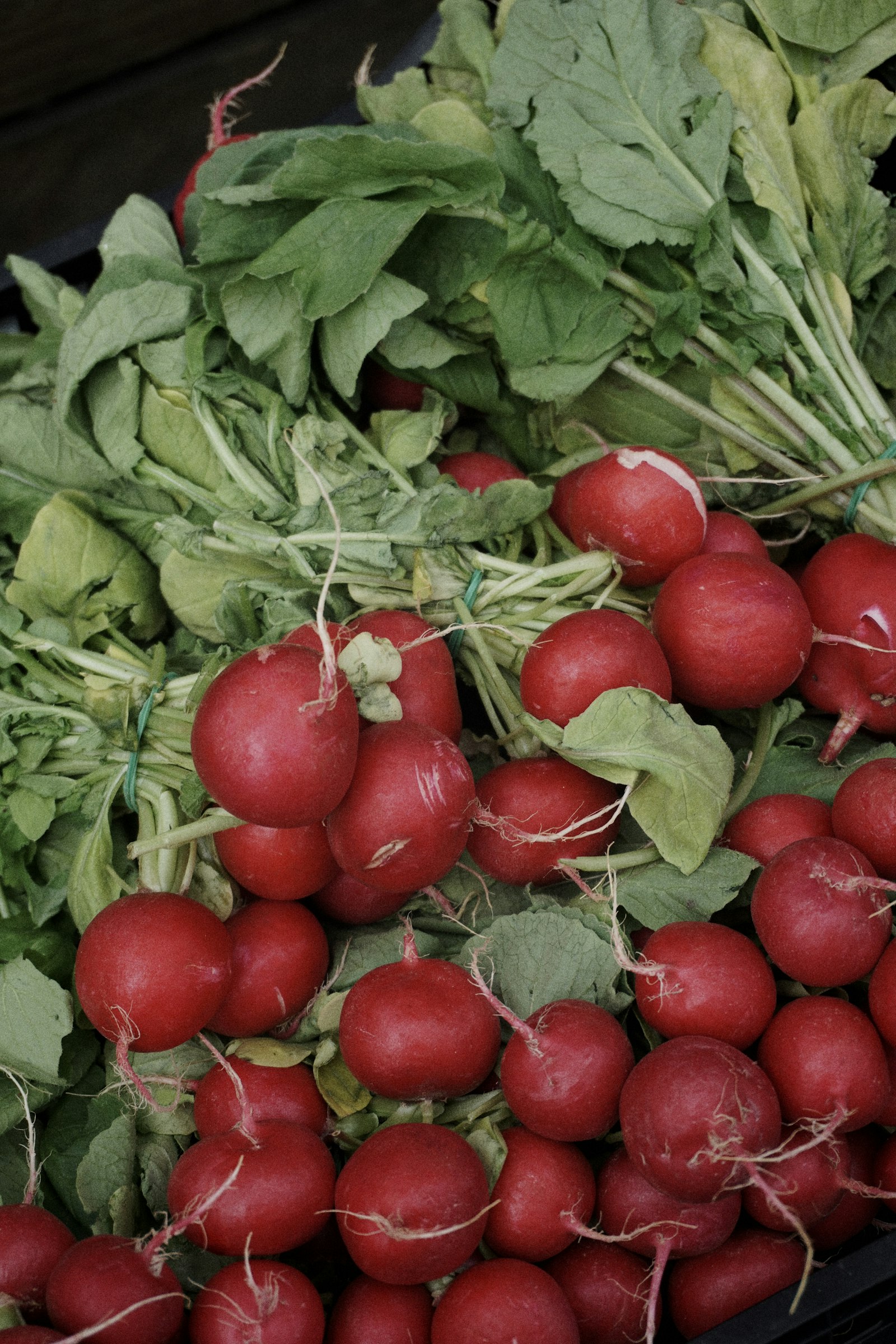
Radishes: Ordinary round red radishes are the standard choice. Look for firm bulbs with smooth skin and no soft spots or deep cracks. If the greens are still attached, they should look perky rather than slimy. You need 12 ounces after trimming, which is usually about two bunches. French breakfast radishes work too; halve them lengthwise. Daikon is not a direct swap because its size, water content, and cooking time are quite different.
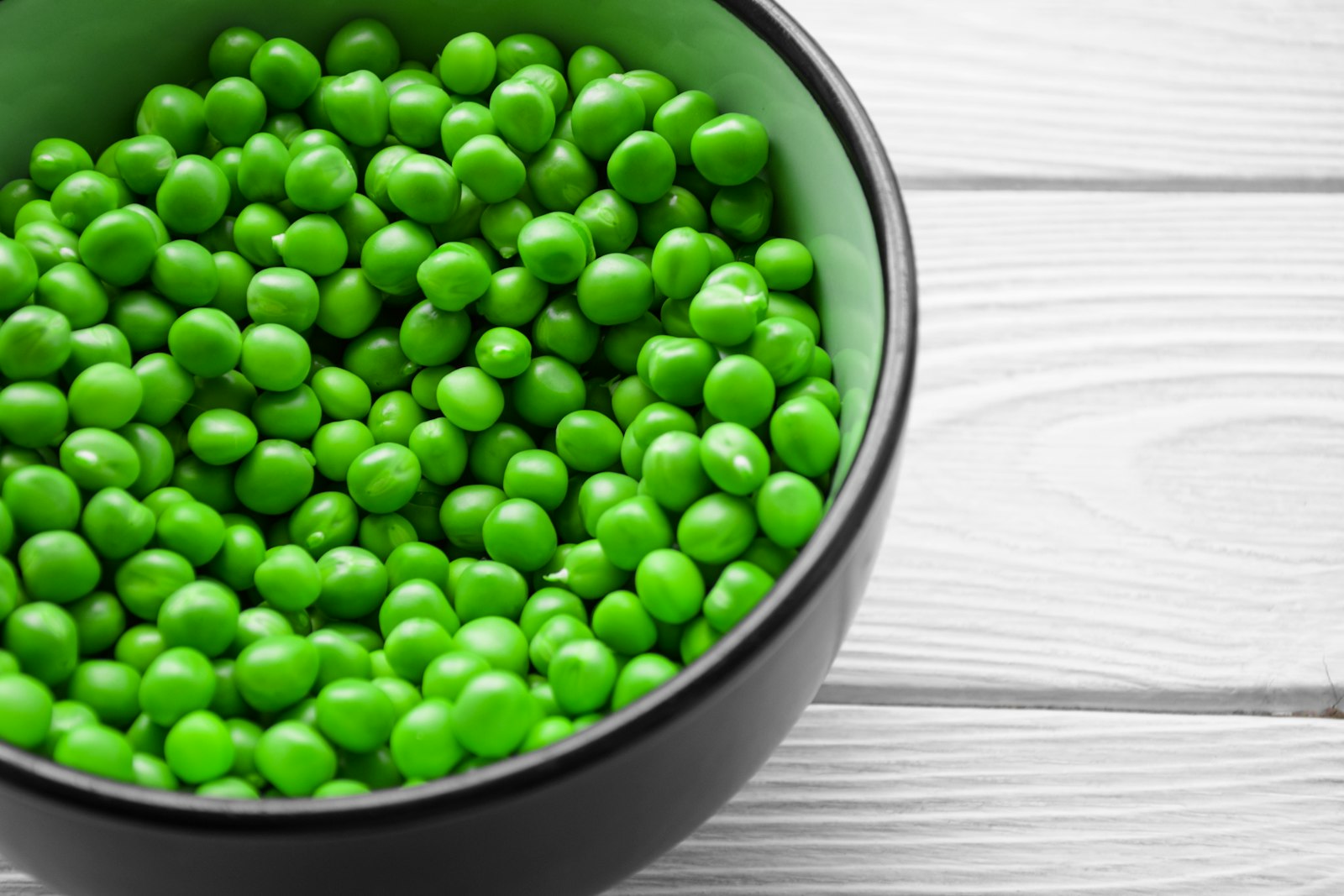
Frozen peas: Use plain frozen green peas, not peas in a seasoned sauce. Petite peas are a little sweeter and more tender; standard peas are fine. Because preparation directions vary between brands and between loose bags and microwave steam bags, the recipe defers to your package for water, time, and standing instructions.
Fat and finish: Olive oil handles the browning because it tolerates medium heat better than butter alone. A small amount of unsalted butter goes in at the end for flavor and a glossy coating. Fresh lemon juice brightens the dish, and fresh dill adds a clean herbal note that suits both vegetables.
Equipment: A wide skillet (paid link) with a lid gives the cut radish faces room to touch the pan instead of piling up and steaming. A broad cooking spatula (paid link) makes turning the pieces easy, and a handheld lemon squeezer (paid link) keeps seeds out of the finished side. You also need a small saucepan or microwave-safe container for the peas, a cutting board, and a sharp knife.
How to make skillet radishes with frozen peas, step by step
The printable card below has the exact quantities. These steps explain what to look for at each stage so you can judge doneness by sight and touch rather than by the clock alone.
Step 1: Trim, wash, and cut evenly. Remove the greens and thin root tips. Wash the radishes under running water, rubbing away soil near the stem end, then dry them well; surface water causes spattering. Halve small radishes and quarter large ones so the thickest part of every piece is roughly the same. Set a few cut-side down on the board to check, and recut any oversized pieces.
Step 2: Brown the cut sides. Warm the olive oil in the skillet over medium heat until it shimmers. Add the radishes in a single layer, cut sides down where possible, and sprinkle with half the salt. Leave them alone for 5 to 6 minutes. You are looking for several cut faces turning light golden brown. Constant stirring prevents that color from forming.
Step 3: Turn, then steam until tender. Turn the radishes and cook 3 to 4 minutes more. Add the 2 tablespoons of water, cover, and lower the heat slightly. Cook 4 to 5 minutes, then test the thickest piece with a fork. It should slide in with only slight resistance and no crunchy core. If not, cover and cook another minute or two.
Step 4: Cook the peas separately. While the radishes cook, prepare the frozen peas on the stovetop or in the microwave following the directions on their package, including any standing time. Make sure they are hot and tender throughout, then drain them thoroughly so their cooking water does not dilute the finish.
Step 5: Dry the pan and combine. Uncover the radishes and let any remaining water cook off, about 1 minute. Add the butter, drained peas, remaining salt, and pepper. Fold gently over medium-low heat for 1 to 2 minutes, until the butter has melted into a light glaze and everything is hot.
Step 6: Finish off the heat. Take the skillet off the burner and stir in the lemon juice and dill. Taste a radish and a few peas together, adjust the salt, and serve right away while the radishes are tender and the peas are still bright green.
Tip: browning and tenderness are separate. Golden edges tell you the surface has caramelized, not that the center is cooked. Always check with a fork. The short covered stage softens the middle; uncovering at the end keeps the finished vegetables glossy rather than wet.
What finished skillet radishes with frozen peas should look and taste like
The red skins will fade to pink and the interiors will stay pale or turn slightly translucent. That color change is normal. The cut faces should carry patches of golden brown. A cooked radish should be tender enough to cut with the side of a fork but still hold its shape; it should not collapse into mush.
Flavor-wise, expect a mild, gently sweet vegetable with a faint peppery echo, savory browned edges, and a fresh lift from the lemon and dill. Radishes are not a potato substitute even though they look a little like small roasted potatoes on the plate; they are lighter and juicier. Individual radishes vary, and large ones or those grown in hot weather can keep a bit more bite after cooking.
Troubleshooting skillet radishes with frozen peas
| Problem | Likely cause | Fix |
|---|---|---|
| Radishes brown but still hard inside | Pieces too large, or the covered stage was too short | Add 1 tablespoon water, cover, and cook gently a few minutes more; cut smaller next time |
| Radishes pale and watery | Crowded pan or radishes not dried | Uncover and let liquid evaporate; brown in two batches or use a larger skillet |
| Some pieces mushy, others crunchy | Uneven cut sizes | Match the thickest part of each piece when cutting |
| Peas wrinkled or dull | Overcooked or held over heat too long | Add the peas at the very end and serve promptly |
| Side tastes flat | Under-salted or lemon added too early | Add a pinch of salt and a few drops of lemon off the heat |
| Lemon tastes too sharp | Not tossed evenly | Toss well and taste radish and peas together; add a little more butter if needed |
Variations and seasoning swaps
- Different herbs: Chives, parsley, mint, or tarragon all work. Mint is especially good with peas. If you only have dried dill, use 1/2 teaspoon and add it with the butter so it has time to soften.
- Dairy-free: Replace the butter with another 2 teaspoons of olive oil.
- Salted butter: Cut the added salt in half at first and taste before adding more.
- Garlic: Stir in one small minced clove after the radishes are tender, just before the peas, and cook about 30 seconds without browning. Adding it at the start exposes it to too much heat and can make it bitter.
- Shallot or green onion: Add a thinly sliced shallot with the radishes when you turn them, or scatter sliced green onion over the finished dish.
- Brighter finish: Add a little grated lemon zest along with the juice, or a small spoonful of Dijon mustard whisked into the lemon juice.
- Radish greens: Fresh, sound greens can be washed well and wilted separately as a second side. Adding a whole bunch to this skillet changes the moisture and volume too much.
What to serve with this side
This mild, springy side pairs well with roast chicken, baked salmon or other fish, pork chops, grain bowls, omelets, quiche, or a simple baked potato. Its light butter-lemon coating means it will not compete with a rich main dish. Serve it in a shallow bowl so the peas stay mixed among the radishes instead of sinking to the bottom of a tall mound.
When building a plate, aim for contrasting textures. If the main is soft, a crisp side such as roasted broccoli with browned edges makes a good second vegetable, rather than adding several soft vegetables together.
Printable skillet radishes with frozen peas recipe
Skillet Radishes with Frozen Peas
Ingredients
Equipment
Method
- Dry and arrange the radishes. After washing and cutting, blot the pieces with a clean towel. Set a few with their cut sides down on the board so you can see whether the sizes are reasonably even. Cut especially large pieces again before cooking.
- Brown the first side. Warm the oil in the skillet over medium heat. Add the radishes in a broad layer, placing a cut side down where possible. Sprinkle with half the salt. Cook for about 5–6 minutes without constant stirring, until several cut surfaces are lightly golden.
- Turn and soften. Turn the radishes and cook for another 3–4 minutes. Add the measured 2 tablespoons water, cover, and lower the heat slightly. Cook for 4–5 minutes, then test a thick piece with a fork. Continue briefly if needed until the fork enters without a hard center.
- Cook the peas separately. While the radishes cook, prepare the frozen peas using the stovetop or microwave directions on their package, including the specified water, time, and standing instructions. Check that they are cooked thoroughly. Drain well so their cooking water does not dilute the skillet finish.
- Evaporate excess water. Remove the radish lid and let any visible water cook away for about 1 minute. Add the butter, cooked peas, remaining salt, and pepper. Fold gently over medium-low heat for 1–2 minutes, until the butter coats the vegetables and everything is hot.
- Add the fresh finish. Remove from the heat and stir in lemon juice and dill. Taste a radish and a few peas together before adjusting salt. Serve promptly while the radishes are tender and the peas remain bright.
Notes
Storage and reheating
This side is best eaten fresh, but leftovers keep well enough for a quick lunch. Transfer them to a shallow container and refrigerate within 2 hours of cooking, or within 1 hour if the room or outdoor temperature is above 90°F. Keep the refrigerator at 40°F or below and eat leftovers within 3 to 4 days.
Reheat with a small splash of water in a covered skillet over medium-low heat, or in a vented microwave-safe container, stirring once or twice, until the vegetables reach 165°F throughout. The peas soften with reheating and the radish edges lose their crispness, so cook only as much as you expect to eat. Freezing the finished dish is safe but makes the radishes noticeably soft and watery when thawed.
Food-safety reminder: Do not leave the finished skillet sitting on a turned-off burner for the evening. Refrigerate within 2 hours (1 hour above 90°F), use within 3 to 4 days, and reheat to 165°F. See the USDA guidance on leftovers and food safety for details.
Make-ahead tip: You can trim, wash, dry, and cut the radishes up to a day ahead. Store them in a covered container lined with a paper towel in the refrigerator, then pat dry again before cooking. Keep the peas frozen until you are ready to cook them.
Frequently asked questions
Do I need to peel the radishes?
No. Trim, wash, and dry them, leaving the thin skin on. Peeling small radishes is unnecessary and removes most of their color. Just cut away any damaged or soft spots.
Can I add the frozen peas straight to the skillet?
You can, as long as you follow your package’s full cooking directions and make sure the peas are hot and tender throughout. Cooking them separately keeps the timing simple and stops extra water from washing away the browned radish surfaces.
Will cooked radishes still taste spicy?
Cooking mellows them a lot, but radishes vary. Larger radishes or those grown in hot weather can keep a mild peppery note. Taste a piece before serving; the lemon and butter help balance any remaining bite.
Can I use fresh peas instead of frozen?
Yes. Shell fresh peas and simmer them in lightly salted water until just tender, usually a few minutes depending on size and age, then drain and add them in step 5.
Can I double the recipe?
Yes, but brown the radishes in two skillets or in batches. A crowded, deep layer steams instead of browning. Keep the cut size the same so the timing stays similar.
Can I roast the radishes instead?
Roasting works well too. Toss the cut radishes with oil and salt and roast in a hot oven until tender and browned, turning once, then toss with the cooked peas, butter, lemon, and dill. Timing depends on your oven and the size of the pieces, so check with a fork.
The bottom line
Skillet radishes with frozen peas turn two inexpensive, easy-to-find vegetables into a bright, buttery side in about half an hour. Cut the radishes evenly, let them brown undisturbed, steam them briefly until a fork slides in, and cook the peas separately so both finish at the right moment. A last splash of lemon and a handful of dill off the heat keep the whole dish tasting fresh.




